
Choosing the Best Time to Visit Europe Month by Month
May and September are the best overall months to visit Europe in 2026: flights average 20% cheaper than July–August peaks, temperatures are ideal across most regions, and major attractions are accessible without summer-level crowds.
Hotel prices in 2026 range from €80–120 per night during shoulder seasons (April–May and September–October) versus €150–250 per night at peak summer — making shoulder travel roughly 40% cheaper for accommodation alone.
Europe offers diverse experiences depending on when you choose to explore its historic streets. Your decision affects everything from ticket prices to the length of museum queues. Planning around seasonal shifts ensures you get the most value from your hard-earned vacation. This guide breaks down the continent's climate and events to help you choose wisely.
Europe in Spring (March to May)
March brings the first signs of warmth to southern regions like Spain and Greece. Average temperatures in Madrid reach 15°C in March, while Rome hovers around 14°C — warm enough for walking tours but cool enough to stay comfortable. Travelers often find flight prices are twenty percent lower than in the peak summer months. It is an ideal window for exploring coastal cities without the intense heat. Pack light layers to handle the cool evenings that still linger in early spring.

April transforms the landscape of Northern Europe as tulips begin to bloom across the Netherlands. Keukenhof Gardens opens in late March and runs through mid-May, charging €21 per adult for entry in 2026 — book tickets several weeks in advance to secure a morning slot and avoid the midday rush. You should plan for at least three hours to walk the full garden circuit. Rain showers are frequent during April, so a compact umbrella is a necessity throughout northern Europe.
May offers a perfect balance of pleasant weather and manageable tourist numbers in major capitals. France averages 18°C in May, making it ideal for walking along the Seine and exploring the Marais district. Hotel rates in Paris start around €110 per night in May before climbing sharply in June and July. Outdoor cafes start filling up as temperatures become consistently comfortable. This month is widely considered one of the best periods for city breaks across Europe for walkers and culture seekers alike. Hotel rates remain moderate before the heavy summer crowds arrive in late June, and museum queues are generally half what they are in August.
Summer Adventures (June to August)
June marks the start of the high season across the entire European continent. Long daylight hours allow for extended sightseeing and evening strolls through historic old towns. Expect to pay premium rates for central hotels during this popular travel window. Early morning visits to landmarks like the Eiffel Tower help you avoid the midday rush. In Scandinavia, June brings the phenomenon of the midnight sun — cities like Tromsø and Bergen enjoy nearly 24 hours of daylight, though hostels charge €50 or more per night during this period due to peak demand. Midsommar (Midsummer) celebrations take place across Sweden in late June, offering free traditional festivities including maypole dancing and folk music in villages and parks.
July brings the heat to the Mediterranean, making it the peak time for beach holidays. Coastal resorts in Italy and Croatia often reach full capacity by early spring bookings. In Dubrovnik, the city walls are a must-see attraction — but expect wait times of 2–3 hours at the main gate during July, the single busiest month of the year. Bringing a reusable water bottle helps you stay hydrated while navigating crowded archaeological sites. Many travelers prefer the cooler temperatures found in the northern mountains or fjords during peak summer heat. Book Adriatic ferry routes and the Adriatic coast travel guide itinerary months in advance as July demand is intense.
August is the traditional vacation month for many locals across France, Italy, and Spain. Many Paris restaurants and small family-run shops shut for 2–3 weeks during August as owners take their own holidays — always check opening hours before planning dining itineraries around specific establishments. Major cities host vibrant festivals and outdoor concerts that showcase local culture during this time. Booking museum entries at least two months ahead is vital for popular summer destinations, particularly the Uffizi in Florence and the Sagrada Família in Barcelona. Consider exploring less crowded European cities in August as an alternative to the most visited hotspots.
Autumn Charm (September to November)
September is a favorite month for experienced travelers who want warm weather without the crowds. Sea temperatures remain pleasant for swimming in the best cities in southern Europe — the Aegean and Ionian seas in Greece still register around 24°C in September, making this the last reliable month for comfortable swimming without a wetsuit. You can often find significant discounts on luxury villas starting after the first week of September. The intense humidity of the summer months begins to fade into crisp, clear air, and flight prices drop noticeably after the school-term peak ends in late August.
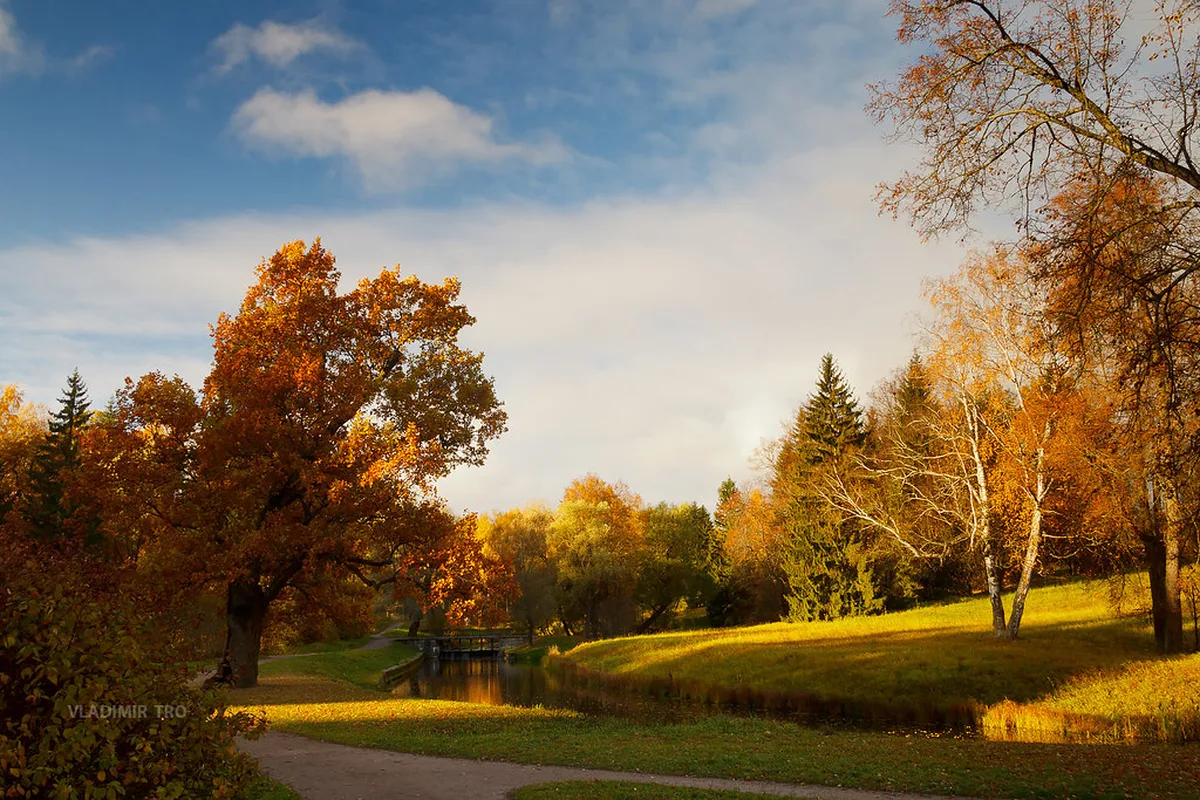
October brings stunning fall foliage to the forests of Central and Eastern Europe. Wine harvests in Tuscany reach their peak in October — the Chianti Classico Gallo Nero festival and similar harvest events across the region charge €15–30 for entry and typically include wine tasting, local food, and vineyard tours. Many museums also launch their major winter exhibitions during this quieter transition period. Temperatures typically hover around 15°C across much of the continent, which is perfect for active hiking trips in the Dolomites, Carpathians, or the Black Forest. Booking walking tours and rural agriturismo stays even a month ahead is advisable as autumn travel is growing in popularity.
November signals the start of the rainy season in many northern and central regions. While the weather turns chilly, indoor attractions like the Louvre remain warm and accessible — and crucially, average wait times at the Louvre drop to around 20 minutes in November compared to 90 minutes or more during August. Budget travelers benefit from the lowest accommodation rates of the entire year during this month, with hotels in major cities dropping to near off-season lows. It is a fantastic time to enjoy the cozy atmosphere of traditional European coffee houses, and cities in Eastern Europe like Krakow and Budapest offer particularly good value.
Winter Magic (December to February)
December transforms European cities into festive wonderlands filled with lights and seasonal treats. Traditional wooden stalls sell handmade crafts and hot spiced wine in town squares across Germany, Austria, and the Czech Republic. The Frankfurt and Prague Christmas markets are among the most visited in Europe — entry is free, and a cup of mulled wine (Glühwein) costs €4–6. Visit our Europe Christmas markets guide to find the most authentic holiday experiences. Cities like Vienna and Prague offer magical backdrops for a winter holiday getaway, and the festive atmosphere peaks in the two weeks before Christmas.
January is the prime time for winter sports enthusiasts to visit the Alps or the Pyrenees. Ski resorts offer world-class slopes and cozy après-ski culture for every skill level. Day ski passes at major resorts like Val d'Isère in France typically cost €60–70 per adult in January 2026 — buying passes online one to two weeks in advance often saves 10–15%. You should check snow reports regularly to find the best conditions for your mountain trip. For those who prefer city breaks in January, Athens averages 12°C, making it comfortably warm for sightseeing even in the depths of winter — the Acropolis is far less crowded than in summer.
February remains cold but offers a romantic atmosphere in cities like Venice and Prague. The Venice Carnival brings colorful masks and parades to the canals of Italy — public events are free to attend, though exclusive masked balls can cost hundreds of euros per ticket. The 2026 Venice Carnival runs across two weeks leading up to Shrove Tuesday, typically the last week of February and first days of March. Early morning walks through misty streets provide a quiet perspective on famous landmarks. Airfare deals are often at their most attractive during this final stretch of the winter season, especially for flights departing mid-week.
Strategic Planning for Regional Weather
Northern Europe experiences dramatic shifts in daylight between the summer and winter seasons. Scandinavia enjoys the midnight sun in June, providing nearly 24 hours of light for explorers — in Tromsø and Alta (Norway), the sun does not set for weeks. Budget around €50 or more per night for hostels during June peak in Norwegian cities. Winter trips to these regions require heavy thermal gear to handle sub-zero temperatures that can reach -20°C inland. Train travel between northern cities is comfortable and scenic — consider an Interrail pass for flexible travel across multiple countries.
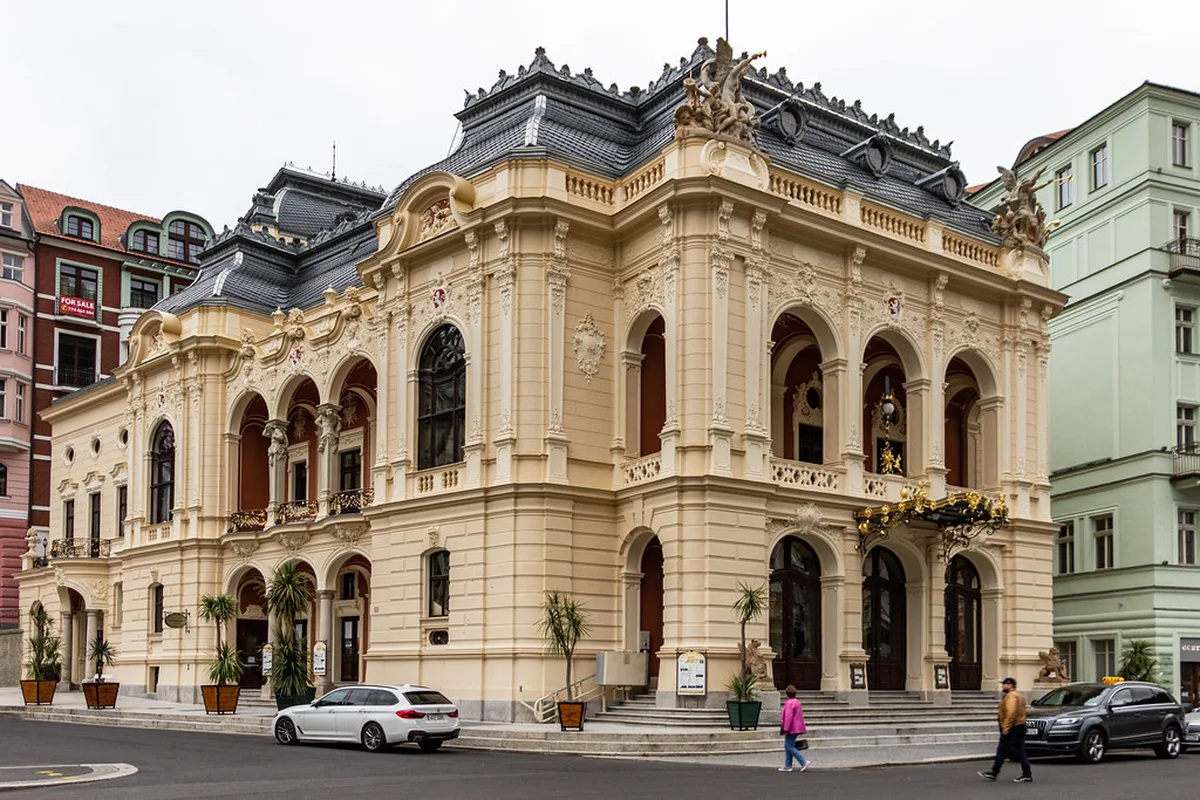
Southern Europe maintains a milder climate that makes it a year-round destination for many. Even in January, cities like Lisbon and Athens often see sunshine and double-digit temperatures — Athens averages 12°C in January, which is comfortably warm for exploring the Parthenon and the National Archaeological Museum without summer heat. This regional consistency allows for flexible planning if you prefer to avoid harsh winter conditions. Local restaurants in the south often stay open later than those in the northern countries, and the off-season quiet means you can get a table without a reservation at most places.
Central Europe offers the most distinct four seasons, each providing a different backdrop for your photos. Spring blossoms and autumn golds define the landscape of the scenic Danube valley, particularly around Wachau in Austria and the Bend north of Budapest. Knowing these seasonal cycles helps you pack the right layers for your multi-country itinerary. Check local weather apps daily as mountain regions can experience sudden changes in conditions — alpine weather particularly around the Tatras and Julian Alps can shift rapidly even in summer. A good travel strategy for a two-week Europe itinerary combines a southern destination for guaranteed warmth with a central city for cultural depth, whatever time of year you travel.
Best Months for Specific Activities
Choosing the right month depends heavily on what you want to do during your stay. Outdoor enthusiasts should aim for the shoulder seasons to avoid extreme weather conditions. Cultural travelers might prefer the winter months for easier access to world-famous art galleries. Each season provides a unique lens through which to view the continent's rich history.
- Best for Budget Travelers
- Months: November and January
- Savings: Up to 40% off peak rates
- Benefit: Short museum lines — Louvre waits drop from 90+ mins to ~20 mins
- Trade-off: Colder weather, some seasonal closures
- Best for Beach Lovers
- Months: June and September
- Water: 22–25°C across Mediterranean
- Crowds: Moderate to high in June; shoulder in September
- Tip: Book ferries early; Adriatic routes sell out fast in June
- Best for Sightseeing
- Months: May and October
- Climate: Mild and sunny, 15–18°C across most of Europe
- Access: All sites open; no winter reduced hours
- Vibe: Relaxed and local — far fewer tour groups than peak summer
- Best for Skiing
- Months: January and February
- Resorts: Val d'Isère (France), Verbier (Switzerland), Zakopane (Poland, budget option)
- Cost: Day passes €60–70 at premium resorts; book online to save 10–15%
- Tip: Mid-January avoids both Christmas crowds and February school holiday rush
- Best for Festivals
- Months: May, June, September, December
- Highlights: Cannes Film Festival (May), Midsommar Sweden (June free), La Mercè Barcelona (September free), Christmas markets (December)
- Tip: Many major European festivals are free to attend — budget for food and accommodation, not entry fees
Europe Month-by-Month at a Glance: Key Events and Highlights 2026
This quick-reference calendar covers the most significant events and opportunities across Europe in 2026, helping you match your travel dates to the experiences you care about most. Prices and specific dates may vary slightly — always verify with official event organizers before booking.
January: Peak ski season in the Alps and Pyrenees with the best snow conditions of the year. Val d'Isère and Verbier day passes run €60–70. Cities are at their quietest and cheapest — hotel prices in most European capitals drop to annual lows. Athens (12°C average) is an underrated January destination for history lovers who want mild sightseeing weather.
February: Venice Carnival (free public events, costumed processions on the canals) runs for two weeks leading up to Shrove Tuesday. Prague and Bruges are romantic winter city-break destinations with minimal crowds. Airfare is at its cheapest for most European routes mid-month.
March: St. Patrick's Day celebrations in Dublin on 17 March — the city hosts a 4-day festival with free street events, parades, and concerts. Seville begins to warm to 18°C by late March, making it one of the earliest southern cities ready for comfortable sightseeing. The Keukenhof tulip gardens open in the Netherlands in late March (€21/adult, book ahead).
April: Easter closures affect many shops and attractions across Catholic Southern Europe — check opening hours carefully around the Easter weekend. The Netherlands is in full tulip bloom through April. Barcelona's Sant Jordi festival on 23 April fills the streets with book and flower stalls (free). Spring hotel rates of €80–120/night make this one of the most affordable pleasant-weather months.
May: Cannes Film Festival takes place across two weeks in mid-to-late May. The red carpet area on the Croisette is free to visit and photograph — ticketed screenings at the Palais des Festivals cost €100 or more, but celebrity-spotting along the seafront costs nothing. Paris averages 18°C; it's peak flower season. Short city breaks in May offer excellent value before summer rates kick in.
June: Glastonbury Festival in the UK (late June, tickets sell out months in advance — around £355 for 2026). Midsommar celebrations across Scandinavia are free public events with traditional food, dancing, and flower crowns. Long daylight hours — 16+ hours in most of Northern Europe — maximize sightseeing time. Midnight sun above the Arctic Circle begins. July: Tour de France starts in early July — watching riders pass on any open-road stage is completely free and a thrilling spectacle. Bastille Day on 14 July fills Paris with fireworks and free military parades. Dubrovnik walls see 2–3 hour queues; visit at 8 AM when gates open to beat the rush. Mediterranean beach resorts are at absolute peak — book accommodation 6+ months ahead. August: Many French, Italian, and Spanish locals take their annual holidays, leading to restaurant and shop closures in smaller towns. Attend local village festivals (fêtes) for authentic cultural experiences at little or no cost. Avoid the major tourist blackspots and instead explore the Balkans or smaller Balkan cities for better value and fewer crowds. September: Wine harvest season begins across France, Italy, and Spain. La Mercè festival in Barcelona (23–25 September) is one of Europe's great free city festivals — giants, fire runs, and free concerts across the city. Greek sea temperatures hold at 24°C. Hotel prices drop significantly after the first week. One of the single best months to visit Europe overall.
October: Oktoberfest in Munich runs from mid-September into the first week of October — entry to the beer tents is free, but a 1-liter stein (Mass) costs €12.50 in 2026. Tuscany wine harvest festivals (Chianti Classico events) charge €15–30 for entry including tastings. Fall foliage peaks in Central Europe. Museum queues drop to a fraction of summer levels across the continent.
November: The quietest and cheapest month across most of Europe. The Louvre in Paris averages just 20 minutes wait versus 90+ in August. Many hotels offer their lowest published rates. Winter exhibition season begins in major galleries. An excellent month for those who prioritize cultural depth over outdoor activities.
December: Christmas markets across Germany, Austria, and the Czech Republic run from late November through 23–24 December. Frankfurt, Nuremberg, Vienna, and Prague markets are among the most atmospheric — free entry, mulled wine €4–6 per cup. Crowds build significantly in the week before Christmas. Book accommodation 4–6 months ahead for December travel to the most popular Christmas market cities.
Frequently Asked Questions
When is the cheapest month to fly to Europe?
November and January are typically the cheapest months to fly to Europe. Airlines lower fares significantly to fill seats during the low season, and you can find round-trip transatlantic flights for as little as $400–600 USD from major North American cities. Hostel beds in major cities drop to around €20–25 per night. Booking 6–10 weeks in advance (rather than last-minute or 6 months ahead) tends to yield the best prices during these off-peak months.
What is the best month for a Mediterranean cruise?
May, June, and September offer the best conditions for a Mediterranean cruise. These months provide warm sunshine without the oppressive heat of July or August, when deck temperatures can exceed 35°C. You will also encounter fewer crowds at popular port stops like Santorini or Dubrovnik. Booking six months in advance ensures the best cabin selection and often the most competitive pricing before peak-season surcharges apply.
When can I see the Northern Lights in Europe?
The best time to see the Northern Lights is between late September and late March, when nights are long and dark enough in northern latitudes. Swedish Lapland, northern Norway (Tromsø, Alta), and Iceland provide the darkest skies for viewing. Plan for at least a five-day stay to increase your chances, as clear skies are essential and weather is unpredictable. Late February and early March combine good aurora activity with slightly less extreme cold than January.
How early should I book a summer trip to Europe?
Book your summer Europe trip at least four to six months in advance for July and August travel. Popular destinations in Italy, France, Croatia, and Greece reach peak capacity very quickly — Amalfi Coast hotels and Santorini stays often sell out by February for summer slots. Early booking secures central accommodations at more reasonable prices and gives you time to pre-book timed entries to major attractions like the Colosseum, Sagrada Família, and Anne Frank House, which frequently sell out weeks ahead.
What month is Europe least crowded?
November is the least crowded month across most of Europe. Tourist numbers drop sharply after the October half-term school break, and most attractions operate at a fraction of their summer visitor levels — the Louvre in Paris, for example, averages just 20 minutes of waiting in November versus 90 minutes or more in August. January is a close second for quietness, particularly after the New Year's holiday period ends around 7–10 January. Both months offer the lowest hotel prices of the year.
When is the best time to visit southern Europe for the beach?
June and September are the best months for beaches in southern Europe. In June, sea temperatures across the Mediterranean reach 22–23°C — warm enough for comfortable swimming — while crowds are lower than July and August and hotel prices have not yet hit their peak. September is arguably even better: Greek and Croatian seas hold at around 24°C, the summer rush has ended, and accommodation costs 30–40% less than in peak July. For the warmest sea temperatures (25–27°C) paired with the most intense crowds and heat, visit in July or August — but book accommodation 6+ months ahead.
Selecting the best time to visit Europe month by month depends on your personal priorities. Whether you seek summer sun or winter markets, every season has something special to offer. May and September stand out as the top all-around choices for 2026 — combining pleasant weather, shoulder-season prices (flights 20% cheaper than July–August, hotels at €80–120/night), and manageable crowds. Use these insights to tailor your 2026 itinerary for the most memorable experience possible. Start your planning today to capture the magic of the European continent.