How to Plan the Ultimate Europe 2 Weeks Itinerary
A mid-range 2-week Europe trip costs €2,500–€4,000 per person in 2026, covering flights, accommodation in 3-star hotels, daily meals, and attraction entry — budget travelers in hostels can manage €1,400–€1,800.
For a satisfying 14-day Europe itinerary, cap your city count at 3–4 destinations maximum — depth over breadth prevents travel fatigue and lets you genuinely experience local culture rather than just ticking landmarks off a list.
Planning a trip across the continent requires careful timing and realistic goals. Most travelers try to see too much in a short fourteen-day window. Focusing on three or four major hubs allows for a deeper cultural experience.
Europe offers a vast network of trains and flights that connect iconic cities. You might prefer the historic streets of Prague or the sunny coasts of Italy. Every region provides unique flavors, languages, and architectural wonders to explore.
This guide breaks down the most efficient routes for your upcoming adventure. We provide practical details on costs, transit, and must-see attractions for each stop. Prepare to discover how a well-planned schedule maximizes your precious vacation time.
Planning Your Europe 2 Weeks Itinerary
Success begins with choosing a specific region rather than crossing the whole continent. Travelers often lose full days to transit when jumping between distant countries. Stick to neighboring nations to keep your travel time under four hours per leg. This strategy ensures you spend more time exploring and less time in stations.
Budgeting for a fourteen-day trip depends heavily on your chosen destinations. Western cities like London or Paris often require at least €150 per day for accommodation, food, and entry fees. Central European hubs allow for a comfortable lifestyle on roughly €80–€100 per day. Check our europe on a budget travel guide for specific cost-saving techniques.
Book accommodation at least three months in advance to secure better rates and central locations. Hotels in Paris and London average €120–€180 per night for a mid-range double room. Central hotels save you money on local transport and provide easier site access. Many popular landmarks now require timed entry tickets purchased weeks before arrival — the Colosseum, Van Gogh Museum, and Sagrada Família all mandate advance booking in 2026. Always leave one afternoon free in each city for spontaneous local discoveries.
Consider the weather patterns for 2026 when selecting your travel months. May and September offer the best balance of mild weather and thinner crowds. Summer months bring high heat and significantly longer queues at major museums. Skip-the-line passes (€20–€40 per attraction) are worth buying in peak season. For rail bookings, platforms like Raileurope and Omio aggregate European operators and often surface promotional fares 90–120 days out. The London to Paris Eurostar, for example, starts from £39 when booked three or more months ahead. Winter travel provides a cozy atmosphere and lower prices for those who enjoy snow, with December adding Christmas market magic across Germany, Austria, and France.
The Classic Western Europe Loop
Start your journey in London to experience world-class museums and historic landmarks. Spend three days visiting the Tower of London (adult entry £34 in 2026) and the British Museum, which offers free entry to its permanent collections year-round. Walk through St. James's Park for a scenic route toward Buckingham Palace without spending a penny.
Take the Eurostar train from London St Pancras to Paris Gare du Nord for a seamless city-center-to-city-center transition. This high-speed journey takes 2 hours 20 minutes and fares start from £39 when booked three or more months ahead. Paris rewards those who explore the charming neighborhoods of Montmartre — the Sacré-Cœur basilica is free to enter — and Le Marais for independent boutiques and galleries. The Louvre costs €22 per adult and requires timed entry tickets booked in advance; the Eiffel Tower summit ticket is €35. Evening boat tours on the Seine provide a stunning view of the city lights for around €15–€25.
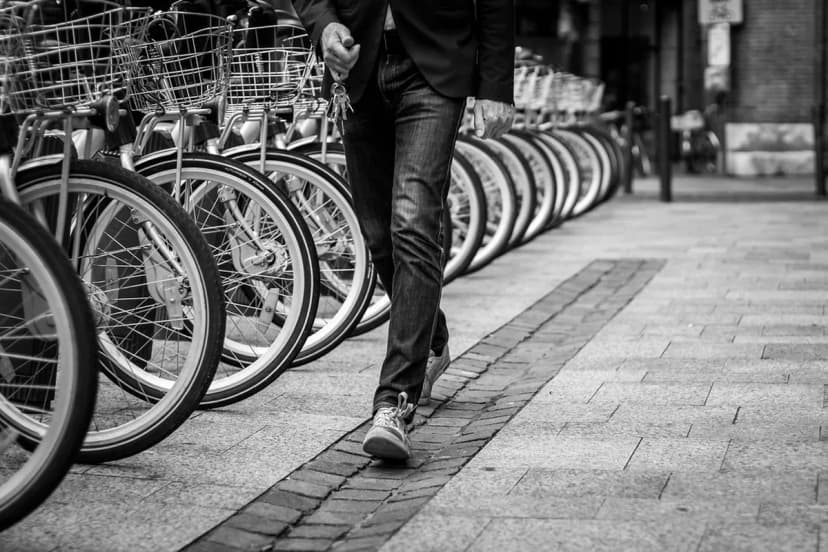
Continue your loop by heading north to the vibrant streets of Amsterdam. High-speed Thalys trains from Paris take about 3 hours and 20 minutes. The Rijksmuseum charges €25 and the Van Gogh Museum €22 — book the Van Gogh at least three weeks ahead as it regularly sells out. Rent a bicycle for €15 per day to navigate the city like a local resident. Explore the Anne Frank House (€16, online booking mandatory) during your three-day stay.
These cities represent some of the best European city breaks for first-time visitors. Each hub offers distinct culinary experiences and deep historical roots. Sample croissants at a Parisian boulangerie or try hearty pub food in London. Amsterdam provides unique canal-side dining in the Jordaan district that is perfect for a final evening before moving on.
Mediterranean Highlights and Coastal Charm
Italy serves as the perfect anchor for a southern-focused fourteen-day trip. Begin in Rome to walk through the Colosseum and the Roman Forum. The combined Colosseum, Forum, and Palatine Hill ticket costs €18 in 2026 and sells out weeks in advance — book the moment you confirm your dates. Entry to the Vatican Museums is €20 and timed-entry reservations are essential. Enjoy authentic pasta and cacio e pepe in the Trastevere district at family trattorias charging €15–€25 for a main course.
Travel north by train to Florence to witness the birth of the Renaissance. High-speed Italo and Trenitalia services connect Rome and Florence in 1 hour 30 minutes, with fares as low as €25–€50 if booked in advance. Climb the Duomo cupola (€30 including the dome and terraces) for panoramic views of the red-tiled rooftops across the city. The Uffizi Gallery charges €20 and requires advance online booking. Try a lampredotto sandwich from a roadside cart — authentic Florentine street food at under €5.
Finish your Italian leg in Venice before heading toward the French Riviera. Trains from Florence to Venice take 2 hours and cost €20–€40 depending on timing and operator. Wander through the narrow alleys of the Cannaregio district to escape the San Marco crowds. A gondola ride (€90 for 30 minutes, shared options available for less) offers a classic perspective of the historic Venetian palaces. Dinner in Cannaregio runs €20–€30 per person for a full meal with wine.
Trains connect Venice to Nice in about 7 to 8 hours, typically requiring a change in Milan or Genoa. The French Riviera provides a relaxing end to a busy two-week schedule. Visit the morning flower market in Nice's Old Town (free to browse) or take a €2 bus to Monaco to see the palace and casino. Local buses offer an affordable way to reach hilltop villages like Èze. Enjoy the Mediterranean sun on the pebble beaches before your flight home.
Central Europe Heritage and Hidden Gems
Prague offers a fairytale setting with its Gothic towers and cobblestone streets. Walk across the Charles Bridge at sunrise to avoid the heavy midday tourist traffic — the bridge itself is free to cross at any hour. The Prague Castle complex offers circuit tickets ranging from 250 CZK to 450 CZK depending on which areas you want to visit; allow a half-day for a thorough exploration. A bowl of goulash at a local pub costs around 250 CZK (roughly €10), making Prague one of Europe's most wallet-friendly capitals for food and drink.
Vienna sits just four hours away by train from Prague, with fares starting from €19 when booked in advance — Railjet services run several times daily. The city exudes imperial elegance that rewards slow wandering. Spend an afternoon in a traditional Viennese coffee house like Café Sacher enjoying a Sachertorte slice (~€8) and a melange coffee. The Schönbrunn Palace gardens are free to enter and offer beautiful walking paths; palace interior tickets start at €22 for the Grand Tour. The Kunsthistorisches Museum and Belvedere round out the city's cultural offerings at €18–€21 each.
Budapest rounds out this Central European route with its dramatic architecture and thermal springs. Relax in the Széchenyi Baths (8,500 HUF, roughly €22 in 2026) after a long day of walking through Pest. The Hungarian Parliament Building offers guided tours for 6,000 HUF (around €15) — book online to secure an English-language slot. The Fisherman's Bastion provides the best sunset views over the Parliament and the Danube at no charge. Evening cruises on the Danube are highly recommended for seeing the illuminated Chain Bridge and Parliament skyline, with tickets around €15–€25.
This route is particularly easy to navigate using a comprehensive rail network. Consult our europe rail pass guide to see if a pass saves you money across these three countries. Regional trains between these three cities are frequent and very reliable. Booking seat reservations is often necessary during the peak summer travel season, and some cross-border services require a separate reservation fee of €3–€5 on top of the rail pass fare.
The Alpine Route: A Scenic 14-Day Alternative via Switzerland
For travelers who want mountain scenery woven into their European itinerary, thetrainline.com and other rail booking platforms popularized an Alpine arc that swaps the North Sea for Switzerland's peaks. It is a legitimate alternative to either the Western Loop or the Mediterranean route — and it is stunningly beautiful.

Days 1–2: Paris. Arrive in Paris and spend two days hitting the essentials: the Louvre (€22, book timed entry in advance) and the Eiffel Tower (summit €35). Base yourself in the 7th or 11th arrondissement for easy metro access. An advance Eurostar from London costs from £39 for the 2h20 crossing.
Days 3–4: Zürich. The Paris to Zürich high-speed TGV takes about 4 hours and costs roughly €50–€80 booked a month ahead. Zürich is one of Europe's most expensive cities — budget CHF 25–40 (€26–€42) per meal and CHF 200–300 (€210–€315) per night for a mid-range hotel. The Swiss National Museum near the main station charges CHF 10 for adults; the charming Old Town (Altstadt) is free to wander and sits above the Limmat River.
Day 5: Lucerne. A 45-minute train from Zürich (CHF 24 each way) brings you to postcard-perfect Lucerne. The iconic Chapel Bridge is free to cross, the KKL concert hall's lakeside exterior is a great photo stop, and you can ride a cogwheel railway up Mount Rigi or Pilatus for CHF 60–80 return. Allow one full day here before moving south.
Days 6–7: Milan. The Gotthard Base Tunnel train from Lucerne to Milan runs in under 3 hours and starts around €25–€40. Milan's Duomo exterior is free; terrace access costs €8 and provides sweeping views over the piazza. Leonardo da Vinci's The Last Supper fresco requires booking weeks — sometimes months — ahead and costs €15 including the mandatory guided visit. Budget €40–€60 per person per day for food and incidentals in Milan.
Days 8–9: Cinque Terre. Trains from Milan to La Spezia (gateway to the five villages) take roughly 2.5 hours and cost €20–€35. A Cinque Terre Day Pass costs €7.50 and covers use of the coastal trails and inter-village trains. Each village offers fresh pesto pasta for €12–€15 at harborside restaurants. Accommodation in the villages commands a premium — expect €100–€160 per night; nearby La Spezia is 30–40% cheaper.
Days 10–11: Florence. Return to the Alpine Route's Italian leg with two days in Florence. High-speed trains from La Spezia to Florence take about 1.5 hours (~€20–€30). The Uffizi Gallery costs €20; the Duomo dome ticket is €30. Leather markets and independent trattorias in the Oltrarno neighborhood reward those who venture beyond the tourist core.
Days 12–14: Rome. Close out the Alpine Route with three nights in Rome. Florence to Rome by high-speed train takes 1 hour 30 minutes from €25. Hit the Colosseum (€18 combined ticket), Vatican Museums (€20), and Pantheon (€5 since ticketing was introduced in 2023). Plan one full evening for a leisurely dinner in Trastevere — it is the most atmospheric neighborhood for a final Roman meal. Total train spend on this entire Alpine itinerary runs roughly €200–€280 per person depending on how far ahead you book.
Essential Transit Tips for Fast Travel
Choosing between trains and planes depends on total door-to-door travel time, not just the flight duration. Consider the Berlin to Paris route: the high-speed train takes about 9 hours city-center to city-center, while a budget flight — including check-in, security, a 45-minute flight, baggage claim, and city transit — takes around 5 hours total. However, the train costs €50–€80 booked in advance, avoids bag-fee surprises, and delivers you directly to the central station. For most intra-Europe legs under 800 km, the train wins on convenience.
Budget airlines can offer very low advertised fares, but hidden fees erode those savings fast. Ryanair charges €35–€45 extra for a cabin bag in 2026 if not included in your fare tier. Airports for budget carriers — Beauvais for Paris, Bergamo for Milan, Stansted for London — are often 60–90 minutes from the city center. Factor in €15–€30 each way for airport shuttles when comparing headline prices with train tickets.
Rental cars provide the most flexibility for those visiting rural or coastal areas. Daily rates average €35–€60 plus mandatory third-party liability insurance (€10–€15/day extra). Our europe road trip guide details the best scenic routes for drivers. Be aware that many historic city centers have strict Low Emission Zone (LEZ) vehicle access rules — London's ULEZ, Paris's Crit'Air, and Rome's ZTL all require advance registration or carry daily fines. Parking in central Paris or Rome runs €3–€5 per hour; weekly parking garages outside the historic core offer far better value.
Pack light to make moving between cities and stations much easier. A single carry-on backpack allows you to skip checked-bag queues and Ryanair's bag fees entirely. Most major train stations — Paris Gare du Nord, Rome Termini, Prague hlavní nádraží — offer luggage lockers for €5–€10 per day for those arriving before hotel check-in. This freedom lets you explore a city for a few hours during layovers without dragging bags around cobblestones.
- The Western Capitals Loop
- Type: Multi-country rail journey
- Best for: First-time visitors
- Where: UK, France, Netherlands
- Cost: High daily budget (€150+ per day)
- Mediterranean History Route
- Type: Coastal and cultural
- Best for: Food lovers
- Where: Italy and France
- Cost: Moderate daily budget (€100–€130 per day)
- Central Europe Heritage
- Type: Architecture and history
- Best for: Budget travelers
- Where: Czechia, Austria, Hungary
- Cost: Low daily budget (€70–€100 per day)
- Alpine Scenic Route
- Type: Mountains, lakes, and culture
- Best for: Scenic rail lovers
- Where: France, Switzerland, Italy
- Cost: High daily budget (Switzerland inflates costs)
Frequently Asked Questions
How much does a 2 week trip to Europe cost?
A mid-range 2-week trip to Europe costs €2,500–€4,000 per person in 2026, covering international flights, accommodation in central 3-star hotels, daily meals, and major attraction entry fees. Budget travelers staying in hostels and cooking occasionally can reduce this to €1,400–€1,800. Western European cities like London and Paris are the most expensive; Central European destinations like Prague and Budapest run 30–40% cheaper per day.
Is 2 weeks enough time for Europe?
Two weeks is ideal for exploring one geographic region or 3–4 major cities in depth. Trying to cover more than four cities in fourteen days leads to transit fatigue and surface-level experiences. Choose a tight regional loop — Western Europe, Mediterranean Italy and France, or Central Europe's Prague-Vienna-Budapest triangle — and you will leave feeling satisfied rather than exhausted.
What is the best way to travel between cities?
High-speed trains are the most efficient method for most European city pairs under 800 km. They connect central stations directly, include luggage at no extra cost, and often match budget airlines door-to-door on time once airport transit is factored in. Budget flights are better for longer legs — London to Rome, Barcelona to Prague — where the time and price gap is significant enough to justify the hassle.
What is the best rail pass for 2 weeks in Europe?
The Interrail Global Pass (for European residents) or Eurail Global Pass (for non-European travelers) offers the most flexibility for a 2-week trip covering multiple countries. A 10-day-within-2-months flexible pass costs approximately €350–€450 for adults in 2026 and covers 33 countries. For a tighter regional loop — such as Prague, Vienna, and Budapest only — point-to-point advance tickets on Railjet and national operators often work out cheaper than a pass. Always calculate your planned routes on Raileurope or Omio before buying.
Should I visit Europe in summer or shoulder season?
Shoulder season — May, early June, September, and early October — offers the best balance in 2026. Temperatures are pleasant (18–24°C across most of Europe), crowds at major museums and attractions are meaningfully thinner, and hotel rates run 20–35% lower than July and August peaks. Summer is ideal only if your priority is beach weather on the Mediterranean or Adriatic coast, where July and August deliver the warmest sea temperatures. If you must travel in summer, book accommodation and timed-entry tickets at least three months ahead.
How much does food cost per day in Europe?
Food costs vary widely by country and dining style. In Western Europe (France, UK, Netherlands), budget €15–€20 for a sit-down lunch and €25–€40 for a restaurant dinner. In Italy, a pasta lunch at a local trattoria runs €10–€15 and dinner €20–€30. Central Europe is the most affordable: a full goulash dinner in Prague costs around €8–€12 and a Budapest bath-side meal runs €10–€15. Switzerland is the outlier — expect CHF 25–40 (€26–€42) per meal even at casual restaurants. Overall, a daily food budget of €40–€60 covers three meals comfortably across most of Western and Southern Europe.
Crafting the perfect fourteen-day trip requires balancing iconic sights with relaxation. Choose a route that matches your personal interests and your travel budget. Proper planning ensures you spend your time making memories rather than solving logistics.
Europe remains one of the most diverse and accessible destinations for global travelers. Whether you choose the Mediterranean, the Western capitals, the Central European heritage triangle, or the scenic Alpine arc, adventure awaits. Start booking your 2026 journey today to secure the best possible rates and availability — Eurostar, Italo, and Interrail passes all reward early action with their lowest fares.