
Your Essential Europe Road Trip Guide for 2026
In 2026, economy car rentals across Europe average €35–70 per day, with the lowest rates in Eastern Europe and Portugal, and peak-season surcharges pushing prices higher in France, Italy, and Scandinavia.
Fuel prices in Europe in 2026 range from approximately €1.50/litre in Portugal (the cheapest in Western Europe) to €2.20/litre in Norway, with most eurozone countries sitting around €1.65–1.80/litre for unleaded.
Exploring the diverse landscapes of the continent by car offers a level of freedom that trains cannot match. This comprehensive europe road trip guide covers everything from rental logistics to the most scenic routes available. You will discover how to navigate narrow coastal roads and sprawling mountain passes with total confidence.
Modern travelers often seek the flexibility to stop at small villages and hidden viewpoints along their journey. Driving allows you to set your own pace and avoid the rigid schedules of public transportation. Prepare for an unforgettable adventure through some of the most beautiful regions in the world.
Essential Planning for Your Trip
Securing the right paperwork is the first step toward a successful driving holiday in 2026. Most non-EU citizens must carry an International Driving Permit alongside their valid domestic license. In the UK, an IDP costs just £5.50 and is available at any Post Office counter — there is no need to book in advance, and it is issued on the spot. Check with your rental agency early to ensure you have all necessary documents for border crossings.
Rental costs vary significantly depending on the country where you start your journey. Use comparison platforms such as Rentalcars.com and AutoEurope to find the best available rates across multiple providers simultaneously. These sites regularly surface discounts of 20–30% versus booking directly with a brand. Booking a manual transmission vehicle is typically much cheaper than requesting an automatic car, and automatics can be hard to find in Southern Europe with little notice.
Cross-border drop-off fees deserve serious attention before you commit to a one-way itinerary. Picking up a car in Rome and returning it in Amsterdam typically adds €150–300 in one-way fees, depending on the provider and route length. Always confirm the exact drop-off surcharge at the time of booking, not afterwards, as these fees are non-negotiable once the agreement is signed.
Age restrictions can impact your ability to rent a car in certain European nations. Drivers under 25 often face daily surcharges ranging from €10–25 per day across most major providers, and some premium or sports vehicle categories are restricted entirely to drivers aged 25 or older. Always verify the specific age requirements for the countries included in your planned route.
Insurance coverage is another critical factor to consider before you sign any rental agreement. Standard policies often exclude damage to tires, glass, and the undercarriage of the vehicle. Full-coverage protection — combining Collision Damage Waiver (CDW) with theft protection — typically costs €15–25 per day and is strongly recommended for first-time road trippers. Third-party excess insurance from a specialist broker can be cheaper and often provides broader coverage than the rental desk add-on.
Always verify the fuel type your rental car uses before leaving the forecourt. Putting petrol into a diesel engine — or vice versa — causes severe engine damage and is almost never covered by standard insurance. Check the fuel cap label and confirm with the agent if there is any doubt. Diesel is more common in older European fleet vehicles; newer models increasingly use petrol or hybrid engines.
Top Routes for Your Europe Road Trip Guide
Selecting the right path is essential for creating a memorable experience on the open road. Coastal drives offer dramatic cliffs and sparkling blue waters that define the Mediterranean lifestyle. You might find that a europe 2 weeks itinerary provides the perfect timeframe for these scenic journeys.
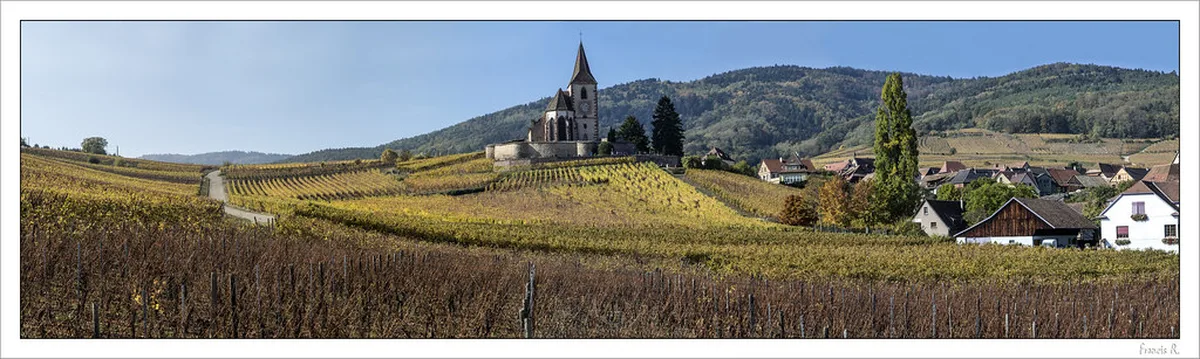
Local food stops are a highlight of any drive through the countryside. Sampling authentic street food adds a delicious layer to your daily travels. Plan your breaks near small towns to enjoy authentic regional flavors away from tourist crowds.
The Amalfi Coast in southern Italy remains one of Europe's most iconic short drives. Running 50 km from Sorrento to Salerno along the SS163, the route winds past sheer cliffs, lemon groves, and pastel-colored fishing villages. Allow at least 3–4 hours of actual driving time — the bends are tight and traffic queues are common in July and August. Parking in Positano costs €5–8 per hour in the village car parks; the hillside village of Ravello offers free roadside parking a short walk from the main piazza. For the most pleasant experience, visit in May, June, September, or October to avoid peak gridlock and extreme heat.
Northern routes provide a completely different atmosphere with rugged mountains and deep fjords. The Bergen to Flåm drive in Norway covers approximately 120 km via the E16 and Rv50, passing the Aurlandsfjellet mountain road (Bjørnestigen/Snøvegen) — open only from June through October due to snow. The Stegastein viewpoint jutting out over Aurlandsfjord is free to visit and offers one of the most dramatic panoramas in Scandinavia. Budget around €2.15 per litre for fuel in Norway (the most expensive in Europe for petrol). Northern routes are ideal for travelers who enjoy solitude and vast, untouched natural landscapes.
Scotland's North Coast 500 is a 530-mile circular route starting and ending in Inverness, typically completed in 5–7 days. The route takes in wild beaches, ancient castles, and whisky distilleries across the Highlands. Single-track roads with passing places require patience and courtesy — never rush these sections. Wild camping is completely legal in Scotland under the Land Reform Act, making it one of the few European destinations where you can park up and sleep beneath the stars at no cost.
- The Amalfi Coast in Italy
- Distance: 50 kilometers (Sorrento to Salerno)
- Best for: Dramatic cliff views and coastal villages
- Drive time: 3–4 hours allowing for stops
- Difficulty: High — narrow lanes, steep hairpins
- The Ring Road in Iceland
- Distance: 1,332 kilometers
- Best for: Volcanic scenery and waterfalls
- Duration: 7–10 days
- Road type: Mostly paved; some gravel sections
- The Romantic Road in Germany
- Distance: 350 kilometers
- Best for: Medieval towns and fairy-tale castles
- Start: Würzburg
- End: Füssen
Choosing Between Road and Rail Travel
Deciding between a car and a train depends largely on your specific destination goals. Trains are incredibly efficient for moving between major hubs like Paris, London, and Amsterdam. Reviewing a europe rail pass guide can help you determine if the tracks are better for your needs.
Cars become the superior choice when you want to explore rural areas like Tuscany or the Cotswolds. Public transport in these regions is often infrequent and may not reach the most charming villages. A vehicle allows you to reach trailheads and remote beaches that buses simply do not serve.
Cost is another major factor when comparing these two popular travel methods. To illustrate with a concrete example: a family of four travelling from Paris to Nice on high-speed rail would pay approximately €200 total (using advance Ouigo or TGV tickets). The same family driving — renting a car for 5 days at around €175, adding roughly €60 in fuel, and paying approximately €45 in motorway tolls — would spend around €280. The car costs more but offers far greater flexibility for stops along the Provence coast and the freedom to carry luggage without fees.
Italy's ZTL (Zona Traffico Limitato) system is a trap for first-time drivers. These restricted zones cover the historic centers of Florence, Rome, Siena, Bologna, and dozens of smaller towns. Entry is enforced by cameras that cross-reference number plates against a permit database — tourists almost never have permits. Fines typically range from €65 to €150, and they often arrive by post months after the trip. GPS navigation apps frequently route drivers directly through ZTL zones without warning. The safest approach is to use city-edge park-and-ride car parks (parcheggi scambiatori) and continue by foot or local bus.
Parking in historic city centers is often a stressful and expensive ordeal for drivers. Many cities now restrict vehicle access to improve air quality and reduce congestion. Consider leaving your car at a park-and-ride facility before entering dense urban areas.
Budgeting for Fuel, Tolls, and Parking
Managing your finances effectively is key to enjoying a stress-free journey across the continent. Fuel prices vary considerably by country — Portugal is the cheapest in Western Europe at around €1.65/litre, while Norway is the most expensive at approximately €2.15/litre (petrol equivalent in NOK). In the UK, expect to pay approximately £1.45/litre. Consulting a europe on a budget travel guide will help you find more ways to save. Fueling up at supermarket petrol stations — Carrefour, Intermarché, Lidl, and Aldi — consistently undercuts branded forecourts by €0.05–0.15/litre.
Toll systems across Europe are not uniform, so research each country on your route before departure. In France, the péage network accepts both cash and all major bank cards at staffed booths, and the Télépéage (TIS PL) tag is available to tourists for multi-week trips. Spain charges approximately €0.05 per km on major autopistas, making a 600 km drive from Madrid to Barcelona cost around €30 in tolls. Austria requires a motorway vignette: €9.90 for 10 days or €29.70 for 2 months — available at border petrol stations and online. Switzerland's vignette costs CHF 40 (approximately €42) per calendar year and covers all national motorways; it cannot be purchased for shorter periods.
Some nations require a physical sticker called a vignette to use their motorways. Failure to display a valid vignette in Austria or Switzerland can result in on-the-spot fines of €120 or more. Always purchase before you reach the border, as enforcement begins the moment you join the motorway.
Look for accommodation that offers free on-site parking to reduce your nightly costs. City hotels often charge between €20 and €40 per day for a secure parking space. Always check which type of fuel your rental car requires to avoid costly engine damage.
Important Driving Rules and Safety Tips
Traffic laws vary from one country to another, so research is vital before you cross any borders. Italy uses Limited Traffic Zones, known as ZTLs, which are off-limits to non-resident vehicles. Entering these areas without a permit will trigger an automatic fine via camera surveillance. To avoid ZTL fines entirely, use city-edge parcheggi scambiatori (park-and-ride car parks), which are well-signposted on approach roads, then continue by foot, taxi, or local bus into the historic center.
France has introduced crit'air vignettes to control access to low-emission zones (Zones à Faibles Émissions, or ZFE) in major cities. As of 2026, Paris, Lyon, Strasbourg, and several other large cities restrict vehicles without a valid crit'air sticker during daytime hours on weekdays. The sticker costs €3.80 if ordered online and €13 if requested by post from outside France — order well before your trip at certificat-air.gouv.fr. Most rental cars already carry a crit'air sticker, but confirm with the agent before driving into a restricted zone.
Alcohol limits differ significantly across European countries and are strictly enforced. France sets its blood-alcohol limit at 0.5 g/L; the UK at 0.8 g/L; Sweden at 0.2 g/L; and the Czech Republic enforces a zero-tolerance policy of 0.0 g/L. Eastern European countries are increasingly moving toward zero tolerance. If in doubt, do not drive at all the morning after an evening of wine tasting.
Winter driving requires extra preparation, including snow tires or chains in mountainous regions. Many Alpine passes and mountain roads close from November through April due to heavy snowfall and ice. Winter tires are mandatory between November and March in several Alpine countries including Austria, Germany (situational mandate), and Slovenia. Check local road conditions daily via the national road authority websites to ensure your planned route remains open and safe.
Safety equipment requirements are strictly enforced by police across the entire continent. You must carry a reflective vest and a warning triangle in your vehicle at all times. Some countries also require a first-aid kit and spare light bulbs to be easily accessible. Many rental cars include this equipment — verify it is in the vehicle before you leave the lot.
Many European cities are perfect for walking once you have parked your car safely. Discovering the best european city breaks often involves exploring pedestrian-only historic districts. Keep your vehicle in a secure garage while you enjoy the local culture on foot.
5 Epic European Road Trip Routes for 2026
Not all European road trips are created equal. These five routes stand out for their scenery, cultural depth, and road quality — and each can be completed without a specialist vehicle. All distances and costs are current for 2026.
-
The Dalmatian Coast, Croatia — Rijeka to Dubrovnik (600 km, 7 days)
Croatia's Adriatic highway (E65) strings together walled medieval towns, emerald island ferries, and national park waterfalls in a single unforgettable drive. Budget a full day for Plitvice Lakes National Park (entry €20–40 depending on season), and consider a short ferry hop to the Kornati islands for snorkeling in crystal-clear water. Croatia uses the euro (EUR) throughout since joining the eurozone in 2023, so no currency exchange is needed once you leave the EU mainland. See our adriatic coast travel guide for a detailed day-by-day breakdown. -
Scottish North Coast 500 — Inverness Circular (530 miles, 5–7 days)
Starting and finishing in Inverness, this iconic circuit takes in Torridon's ancient sandstone mountains, the white-sand beaches of Durness, and the cliff-top ruins of Castle Sinclair Girnigoe. Whisky distillery visits along the Speyside detour cost £10–15 for a tasting session. Wild camping is entirely legal in Scotland under the Land Reform Act, so you can sleep under the stars for free. Single-track roads with passing places require patience — always pull in promptly to let oncoming traffic pass, and never expect a speedy average pace. -
Tuscany Wine Route — Florence to San Gimignano (400 km, 5 days)
Wind through the Chianti Classico zone via Siena, Montepulciano, Pienza, and San Gimignano on quiet provincial roads flanked by cypress trees and vineyard rows. Vineyard visits with guided tasting sessions cost €15–30 at most estates and can be booked directly via estate websites. Avoid entering Siena's historic center by car — ZTL restrictions apply throughout the medieval walled city. The route is best driven in September or October when the harvest is underway and the light turns golden. -
Norwegian Fjords — Bergen to Ålesund (700 km, 7 days)
Drive from Bergen along the E16 to Flåm, then north through Aurland to Geiranger via the Trollstigen mountain road. The Geirangerfjord car ferry (Hellesylt to Geiranger) costs approximately NOK 200 per person (around €18) and takes 65 minutes through UNESCO-listed scenery. Budget fuel carefully — Norway charges approximately €2.15/litre, making it the most expensive country for petrol in Europe. The Stegastein viewpoint above Aurlandsfjord is free and one of the most photographed spots on the entire route. -
Andalucía, Spain — Seville to Jerez (600 km, 7 days)
Loop through the cities that define southern Spain: Seville's Alcázar, Granada's Alhambra, the beach resorts of Málaga, the vertiginous old town of Ronda, and the sherry bodegas of Jerez de la Frontera. Book Alhambra tickets (€14.50) at least 2–3 weeks in advance via the official site — tickets sell out entirely during peak season and cannot be purchased at the gate. Spain uses the euro (EUR) throughout, and toll costs on the A-92 autopista route average €0.04–0.06 per km. The region is ideal from March to June before summer heat peaks.
Frequently Asked Questions
Is it easy to drive in Europe as a tourist?
Driving is generally straightforward due to high-quality roads and clear signage. However, narrow streets in old towns can be challenging for larger vehicles. Always research local laws, including ZTL restricted zones in Italian cities and low-emission zone rules in France, before your trip.
What side of the road do they drive on in Europe?
Most of continental Europe drives on the right side of the road. The United Kingdom, Ireland, Malta, and Cyprus are the exceptions where motorists drive on the left. Be extra cautious when crossing borders between these different systems to ensure safety.
Do I need an International Driving Permit for Europe?
Many countries require an International Driving Permit (IDP) if your license is not from the EU. In the UK, an IDP costs £5.50 and is issued immediately at any Post Office. This document translates your license into multiple languages for local authorities and prevents legal issues at police checks or rental desks.
How much does a rental car cost in Europe?
Economy car rentals in Europe average €35–70 per day in 2026, with the cheapest rates in Eastern Europe and Portugal. Prices rise in peak summer months (July–August) and at major airports. Factor in full-coverage insurance (CDW + theft, approximately €15–25/day), fuel, and any one-way drop-off fees before comparing headline prices.
What is a vignette and which countries require one?
A vignette is a prepaid motorway sticker required to legally drive on certain countries' national motorway networks. In 2026, Austria charges €9.90 for a 10-day vignette or €29.70 for 2 months; Switzerland charges CHF 40 (approximately €42) per calendar year; Slovenia, Hungary, Czech Republic, Slovakia, and Bulgaria also require vignettes ranging from €8–15 for a week. Purchase before crossing the border — driving without a valid vignette results in on-the-spot fines that typically start at €120 and can reach several hundred euros.
Can I take a rental car across European borders?
Most rental companies allow cross-border travel within the EU and Schengen Area, but you must declare your intended countries at the time of booking — not all destinations are automatically permitted. Some providers restrict travel to specific countries (particularly outside the EU, such as Bosnia, Albania, Kosovo, or Turkey) or charge an additional border-crossing fee of €20–50 per country. Always get written confirmation of permitted countries before departing; driving into an unauthorized country voids your insurance and exposes you to full liability in the event of an accident.
A road trip through this historic continent offers a unique perspective on its culture and geography. You have the power to discover quiet corners that most tourists never get to see. Using this europe road trip guide will ensure you are prepared for every mile of the journey.
Take the time to plan your route but leave room for spontaneous detours along the way. The best memories often happen when you turn off the main highway toward a small village. Pack your bags and get ready to experience the ultimate freedom of the European open road.