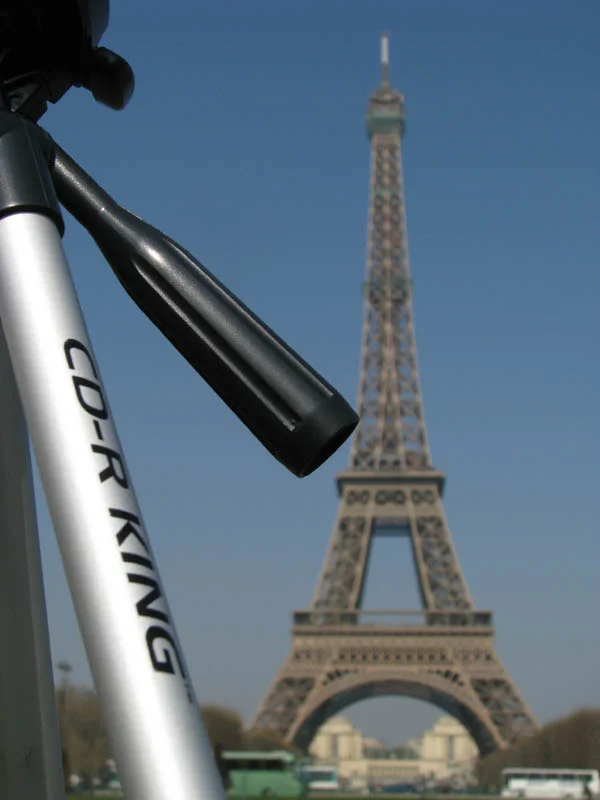
Guide to the Best European City Breaks Short Trips 2026
A typical weekend city break flight within Europe costs between €50 and €150 return in 2026, with budget carriers like Ryanair and easyJet offering the lowest fares when booked 3–6 months in advance on mid-week departures.
Central hotel rooms in European cities range from €80 to €180 per night in 2026, with design hostels and boutique guesthouses in cities like Porto, Krakow, and Tallinn coming in at the lower end of that range.
Europe offers a massive variety of destinations that are perfect for quick weekend getaways across the entire continent.
Finding the best European city breaks short trips requires balancing flight times with rich local cultural experiences.
Most major hubs are reachable within three hours of flying from any major European capital during the year.
Short trips allow travelers to recharge without using too many valuable annual leave days from their busy work schedules.
Planning Your Best European City Breaks Short Trips
Selecting the right destination starts with analyzing the total travel time from your home airport to the city center. A flight under three hours ensures you spend more time exploring landmarks and less time sitting in transit lounges. Expected flight prices for 2026 typically range between €50 and €150 return for most popular regional routes when booked correctly.
The single biggest lever on price is booking timing. For popular summer routes — Barcelona, Lisbon, Athens — aim to book 3–6 months ahead for the lowest fares. For shoulder-season city breaks in autumn or spring, 6–10 weeks is usually sufficient. Setting up price alerts on Google Flights or Kayak takes less than two minutes and can save you €60–100 per person on a return fare.
Airport transit is a frequently underestimated cost. London Gatwick to London Victoria runs £10–£15 by Gatwick Express, while Stansted to Liverpool Street is £19.80 on the Stansted Express. Dublin to Paris CDG is typically €45–€120 return on Aer Lingus or Ryanair, with Paris CDG to central Paris a further €11.40 on the RER B. Factor both the fare and the ground transfer into your total trip cost before comparing cities.
For packing, a carry-on only policy eliminates baggage fees (which can add €25–€50 each way on budget airlines) and saves 20–30 minutes at arrival. A 40L backpack fits within Ryanair's free personal item allowance. Roll clothing rather than folding, use a packing cube system, and keep a dedicated pouch for liquids to speed up security. Wear your heaviest items — boots, jackets — on the plane.
- Choosing an Efficient Arrival Airport
- Type: transport hub
- Best for: saving time
- Where: major cities
- Cost: €10–€30 transfer depending on city
- Booking Central Boutique Hotels
- Type: accommodation
- Best for: walking access to landmarks
- Where: old towns and historic centres
- Cost: €80–€180 per night in 2026
Check the best time to visit Europe month by month to match your city break to the optimal weather and crowd window for each destination.
Top Cultural Hubs for Art and History Lovers
Florence remains the undisputed king of Renaissance art for a short break, packing more world-class works into a small walkable area than almost anywhere else on the continent. The Uffizi Gallery charges €25 per adult in 2026 and requires online booking at least 3 weeks ahead during peak season — same-day tickets sell out before noon in summer. The Duomo dome climb is €30 and equally advance-booking dependent; the cathedral floor itself is free. Stay in the Oltrarno neighbourhood for quieter streets and better restaurant value than the tourist core around Santa Croce.
Vienna is an outstanding choice for art lovers who want imperial grandeur alongside world-class collections. The Kunsthistorisches Museum charges €21 and holds one of Europe's finest collections of Old Masters including Vermeer, Caravaggio, and Velázquez. The Belvedere is €19 and houses Klimt's The Kiss — arguably the most photographed painting in Central Europe. The Vienna Museum Pass (€29) covers both plus several smaller collections and is worth purchasing for a two-day visit. The U-Bahn is clean, frequent, and a 24-hour transit card costs just €8.
Amsterdam offers extraordinary cultural density within a very compact canal-ring layout that is easy to navigate on foot or by rental bike. The Rijksmuseum charges €25 in 2026 for its collection of Dutch Golden Age paintings including Rembrandt's Night Watch. The Van Gogh Museum is €22 and must be booked online in advance — walk-up tickets are rarely available in peak months. The Anne Frank House is €14 but tickets are released in strict timed-entry slots two months ahead; set a calendar reminder. The I Amsterdam City Card (€79 for 24 hours) covers free entry to over 40 museums and unlimited public transit if you plan to visit multiple venues.
For more art-focused destinations across the continent, see our guide to the best cities in Eastern Europe, which covers culturally rich destinations that often fly under the radar of mainstream travel guides.
Affordable Gems for Budget-Conscious Travelers
Krakow remains one of Europe's best-value city breaks in 2026, offering a remarkably preserved medieval old town alongside serious historical depth at prices that feel almost anachronistically low. A hearty traditional meal — żurek soup, pierogi, a main — in a milk bar or local restaurant costs €8–€15 including a beer. Central hostel beds run €15–€25 per night; private rooms in well-reviewed guesthouses cost €45–€70. Wawel Castle sits above the Vistula and various tours range from 17 to 27 PLN (roughly €4–€6.50) depending on which parts of the complex you enter. Free walking tours depart daily from the main market square and reward guides with tips at the end.
Estonia's Tallinn is one of the most underrated short-break destinations in Europe. The Old Town (Vanalinn) is a UNESCO World Heritage Site with impeccably preserved medieval towers and cobbled squares — and entry is completely free. The Kumu Art Museum, housed in a striking modernist building just outside the old walls, charges €10 for adults and is genuinely world-class. Accommodation is exceptional value: a quality central hotel room costs €40–€70 per night in 2026, which is less than half the equivalent in Helsinki or Stockholm. Budget airlines connect Tallinn to London, Amsterdam, Brussels, and Stockholm with return fares frequently under €80. Tallinn's compact size makes it easy to cover on foot in a weekend.
Portugal's Porto rounds out the trio of budget gems. Flights from London frequently drop to €40–€80 return on Ryanair, TAP, and easyJet, making it one of the cheapest Western European capitals to reach. The famous Livraria Lello bookshop charges €8 entry (redeemable against a book purchase). Port wine tastings at caves in Vila Nova de Gaia — the neighbourhood directly across the Douro — cost €10–€15 for a three-wine flight with cellar tour. Budget accommodation in the Bonfim and Cedofeita neighbourhoods starts from €50 per night for a private room in a stylish guesthouse. Porto is also a superb base for a day trip to the Douro Valley wine region, with guided tours from €30–€45 per person.
For a broader overview of affordable European destinations, the Europe on a budget travel guide covers money-saving strategies across accommodation, food, and transport for every type of traveler.
- Exploring the Thermal Baths of Budapest
- Type: relaxation
- Best for: wellness breaks
- Where: Buda side — Széchenyi and Gellért baths
- Cost: €25–€30 entry with locker in 2026
- Dining at Lisbon Food Markets
- Type: culinary experience
- Best for: local flavors on a budget
- Where: Time Out Market, Mercado da Ribeira
- Cost: €10–€20 for a full meal with wine
Coastal Escapes for a Quick Seaside Getaway
Barcelona provides a unique mix of world-class modernist architecture and easy access to sandy Mediterranean beaches that is hard to replicate anywhere else in Europe. The Sagrada Família charges €26 for basic entry in 2026 and is one of the few attractions in Europe where the experience genuinely lives up to the hype — book timed-entry tickets online at least 4–6 weeks ahead. Park Güell's Monumental Zone requires a timed ticket (€10) available online or at the gate on quieter days; arrive at opening (8:00 AM) for the best light and smallest crowds. Barceloneta beach is free and a 20-minute walk from the Gothic Quarter; the Bogatell and Mar Bella beaches to the north are noticeably less crowded. Beach club sunbed rentals start at around €15 per day. The T-Casual metro card (10 trips for €12.15) covers all journeys within Zone 1 including the airport bus connection.
Dubrovnik, Croatia offers one of Europe's most dramatic coastal settings — the limestone walls of the Stari Grad (Old City) rising directly from the Adriatic. Walking the full circuit of the city walls costs €35 in 2026 and takes about 2 hours; go early morning (gates open at 8:00 AM) to avoid the intense midday heat and cruise-ship crowds. The Srđ mountain cable car is €27 return and delivers sweeping views over the islands. The narrow lanes of the Old Town itself are free to explore and best appreciated at dusk when most day-trippers have departed. The most important timing advice for Dubrovnik: visit in May, early June, or October. July and August bring cruise ship crowds that can make the walls feel uncomfortably packed and push accommodation prices to Parisian levels. The Lokrum island ferry (€21 return) makes a pleasant afternoon escape from the main town.
See the best cities in Southern Europe guide for more coastal and sun-drenched destinations across the Mediterranean basin, including comparisons of Valletta, Split, and Nice.
Smart Logistics to Maximize Your Limited Time
Packing only a carry-on bag is the single highest-leverage logistics decision you can make for a short city break. Budget airlines charge €25–€50 each way for a checked bag — on a return trip, that is €50–€100 per person that could fund a night's accommodation. A 40L backpack fits within Ryanair's free personal item allowance (40×20×25cm); easyJet allows a slightly larger 45×36×20cm bag in the overhead bin for free. Roll your clothes, use packing cubes, and wear your heaviest layers on the plane.
Eurostar remains the most comfortable way to travel between London and Paris, Brussels, or Amsterdam with city-centre to city-centre timings that beat flying once airport time is included. Advance fares start from £39 each way booked 3–4 months ahead. Standard Premier fares (around £75–£120) include a meal and are worth considering for early morning departures when restaurant options at the terminal are limited. Book directly at eurostar.com for the best availability. For multi-city rail travel, the Europe rail pass guide covers Interrail and Eurail options with a full cost comparison against point-to-point booking.
Budget airline hidden fees add up quickly for the unprepared traveler. Beyond baggage fees, watch for: seat selection fees (€5–€25 depending on row), priority boarding (€6–€15), airport check-in fees if you fail to check in online (€45–€55 on Ryanair), and credit card surcharges on some carriers. Always check in online, download your boarding pass to your phone, and use a fee-free debit card (Revolut, Wise, Starling) to pay to avoid surcharges.
Luggage storage solves the arrival-before-check-in and departure-after-checkout problem. Most major stations have coin lockers at €4–€8 per day. Services like Stasher and Bounce connect travelers to verified shops and hotels that store luggage for €5–€8 per bag per day, with city-wide coverage in most major European destinations.
Digital transit apps save significant time and confusion in unfamiliar cities. Citymapper covers 80+ European cities with real-time routing across metro, tram, bus, and bike share. Transit is an excellent alternative with a clean interface for multi-modal journeys. In specific cities: use the RATP app for Paris, TfL Go for London, BVG for Berlin, and the Moovit app as a reliable fallback across Southern and Eastern Europe. Most cities now sell transit tickets via QR code on mobile — load your journey before you go underground to avoid connectivity issues.
Booking popular attractions at least 2–4 weeks in advance (and 6+ weeks for top-tier sites like the Uffizi, Sagrada Família, and Anne Frank House) prevents long waits and guarantees entry on the day you need it. Use the official site where possible to avoid third-party markup fees of 10–20%.
Top 5 European City Break Destinations for 2026
Based on a combination of flight accessibility, cost-effectiveness, cultural offer, and crowd levels, these five cities stand out as the best European city break picks for 2026.
1. Lisbon, Portugal — Western Europe's cheapest capital remains an outstanding city break at every budget level. Flights from UK airports frequently drop to €35–€70 return; from most European cities you can find fares under €100. The iconic Pastéis de Belém custard tarts cost just €1.30 each from the original bakery in Belém. Riding Tram 28 through Alfama costs €3 on the standard network ticket. The Jerónimos Monastery (€10) and MAAT Museum (€13) are the standout paid attractions. Stay in the Mouraria or Intendente neighbourhoods for lower-priced guesthouses and more authentic daily life. A comfortable two-night city break in Lisbon typically costs €300–€450 all-in per person including flights.
2. Seville, Spain — Seville's Alcázar (the royal palace and gardens) is one of the most beautiful buildings in Europe and costs €14.50 in 2026, with free entry on Monday evenings. A professionally choreographed flamenco show in the Triana district runs €25–€35 per person and is a genuinely memorable evening. The Giralda cathedral tower climb and cathedral interior costs €13. The best months for a Seville city break are April–May and October–November; summer temperatures regularly exceed 40°C and make outdoor sightseeing miserable. Budget roughly €100–€150 per night for a central hotel during spring festival season.
3. Ghent, Belgium — Consistently overlooked in favour of its more famous neighbour Bruges, Ghent offers medieval canals, a compact walkable centre, and a far more lived-in, local atmosphere. The Ghent Altarpiece (the Adoration of the Mystic Lamb) at St Bavo's Cathedral costs €16 and is one of the most significant works in Western art history. The Gravensteen castle charges €14. Ghent's restaurant scene — particularly around Vrijdagmarkt and the Patershol quarter — is excellent and noticeably cheaper than Brussels or Bruges. Trains from Brussels run every 30 minutes and take 35 minutes, making Ghent easy to combine with a Brussels overnight or accessed directly by Eurostar to Brussels.
4. Ljubljana, Slovenia — Ljubljana punches well above its size for a city break. The Ljubljana Castle cable car costs €12 return and provides panoramic views over the terracotta rooftops of the old town. The city is almost entirely walkable; the Dragon Bridge, Plečnik's covered market, and the Triple Bridge cluster within a 10-minute stroll. Budget travelers can live comfortably on €50 per day including accommodation, food, and entry fees. Flights from London, Amsterdam, and Frankfurt connect regularly, with return fares frequently available for €70–€120. Ljubljana also serves as a convenient base for day trips to Lake Bled (1 hour by bus) and the Postojna caves (1 hour by car).
5. Porto, Portugal — Porto earns its place twice in this guide because the value-to-quality ratio is simply exceptional. Flights from London start from €40–€80 return. The Livraria Lello bookshop (€8, redeemable against a purchase) is one of the world's most beautiful bookstores. Port wine cellar tours with a three-wine tasting in Vila Nova de Gaia cost €10–€15 per person. The LCI card gives free or discounted access to 12 city museums for €5. A guided Douro Valley wine tour — one of the great European half-day experiences — starts from €30–€45 per person. Porto pairs well with a day trip to Braga or Guimarães, both under an hour by train.
For a detailed comparison of city prices and seasonal timing, see the less crowded European cities guide, which highlights destinations that offer exceptional experiences without the peak-season crowds of the continent's most famous destinations.
Frequently Asked Questions
What are the best European city breaks short trips for a weekend?
Cities like Prague, Florence, and Amsterdam are ideal because they are compact and easy to navigate. You can see major landmarks in forty-eight hours without feeling rushed. In 2026, return flights to all three typically cost €50–€150 from most European capitals, and central accommodation runs €80–€180 per night. Most travelers prefer hubs with airports located close to the city centre for maximum efficiency.
Which European city is the cheapest for a short stay?
Krakow and Tallinn are the most affordable options for travelers on a budget in 2026. In Krakow, quality meals cost €8–€15 and central hostels run €15–€25 per night. In Tallinn, a central private hotel room costs just €40–€70 per night — roughly half the price of comparable rooms in Helsinki or Stockholm. Porto is the best-value Western European capital, with return flights from London from €40 and restaurant meals from €10–€15. Explore the best cities in Eastern Europe for more budget-friendly destinations.
How do I avoid crowds during a short city break?
Visit popular landmarks early in the morning (gates open at 8:00–9:00 AM) or during the late afternoon to avoid the heaviest tourist traffic. Many cities are significantly quieter on Tuesday and Wednesday compared to the busy weekend periods. Booking timed-entry tickets online in advance — essential for the Uffizi, Sagrada Família, and Anne Frank House — eliminates queuing entirely. Choosing shoulder-season months (April, May, October) cuts crowds by 30–50% compared to July and August while still offering good weather across Southern Europe.
Is two days enough for a European city break?
Two days is sufficient for smaller, compact cities where the main attractions are clustered within the historic centre — Porto, Ljubljana, Tallinn, Ghent, and Bologna are excellent examples. For larger cities like Barcelona, Vienna, or Amsterdam, two full days allows you to cover the headline attractions if you book timed-entry in advance and minimise transit time. Focusing on one or two neighbourhoods in depth produces a more satisfying experience than rushing across a city to tick off every landmark. Always prioritise your top three must-see sites and leave the rest for a return visit.
Which European cities are best for a 3-day break?
Three days unlocks a noticeably richer experience across a wider range of cities. Lisbon, Seville, and Porto are ideal for three nights — enough time to cover the main attractions plus a day trip or a slower evening wandering the neighbourhoods. Prague rewards three days with its castle district, Jewish Quarter, and Malá Strana neighbourhood all meriting unhurried exploration. Amsterdam over three days allows the Rijksmuseum, Van Gogh Museum, and Anne Frank House to be visited on separate days with time left for a canal cruise and a day trip to Haarlem or Zaanse Schans. Vienna over three days covers the main imperial museums, a day trip to Bratislava (1 hour by boat), and an evening at a concert or opera. Budget roughly €200–€350 per person per day all-in for mid-range travel including accommodation, flights amortised, food, and entry fees.
What is the cheapest month to book a European city break?
January and February offer the lowest flight and hotel prices across Europe, with the exception of ski resorts and Alpine destinations. November and early December (before Christmas markets peak) are the next most affordable. For city breaks where weather matters less — Vienna, Prague, Tallinn, or Amsterdam — winter months deliver prices 30–50% below summer peak while still offering world-class museums and cosy café culture. If you want mild weather alongside low prices, March and the first two weeks of November are the sweet spots: crowds are thin, accommodation is discounted, and daytime temperatures are pleasant enough for outdoor sightseeing in Mediterranean cities like Lisbon, Seville, and Valletta.
Europe provides an endless array of options for travelers seeking the perfect short getaway throughout the year. From the Renaissance masterpieces of Florence to the budget-friendly medieval streets of Tallinn, the best European city breaks short trips in 2026 cater to every interest and price point.
Focusing on transport efficiency, central locations, and advance booking ensures you make the most of every hour spent abroad without paying over the odds. The golden rules hold across every destination: fly carry-on only, book timed-entry tickets in advance, and prioritise depth over breadth in your itinerary.
Whether you choose a cultural deep-dive in Vienna, a sun-soaked weekend in Seville, or a budget adventure in Porto or Krakow, a well-organised European city break delivers remarkable value and genuine refreshment in just two or three days. Use the Europe 2-week itinerary as a planning reference if you decide to extend your trip beyond a short break and string multiple cities together.