Top Destinations: Best Cities in Eastern Europe Travel Guide 2026
Eastern Europe daily costs in 2026 range widely: Prague averages around €80 per person per day covering accommodation, meals, and transit, while Sofia remains one of the cheapest EU capitals at roughly €40 per day for a comfortable trip.
The best months to visit Eastern Europe in 2026 are May and September, when temperatures hover between 15–22°C, crowds are thinner than summer peaks, and hotel rates drop 20–35% compared to July and August.
Eastern Europe offers a rich blend of history and modern culture for every traveler. Many visitors choose this region for its stunning architecture and affordable prices. This guide explores the top urban destinations that provide exceptional value and beauty.
Prague: The Heart of the Czech Republic
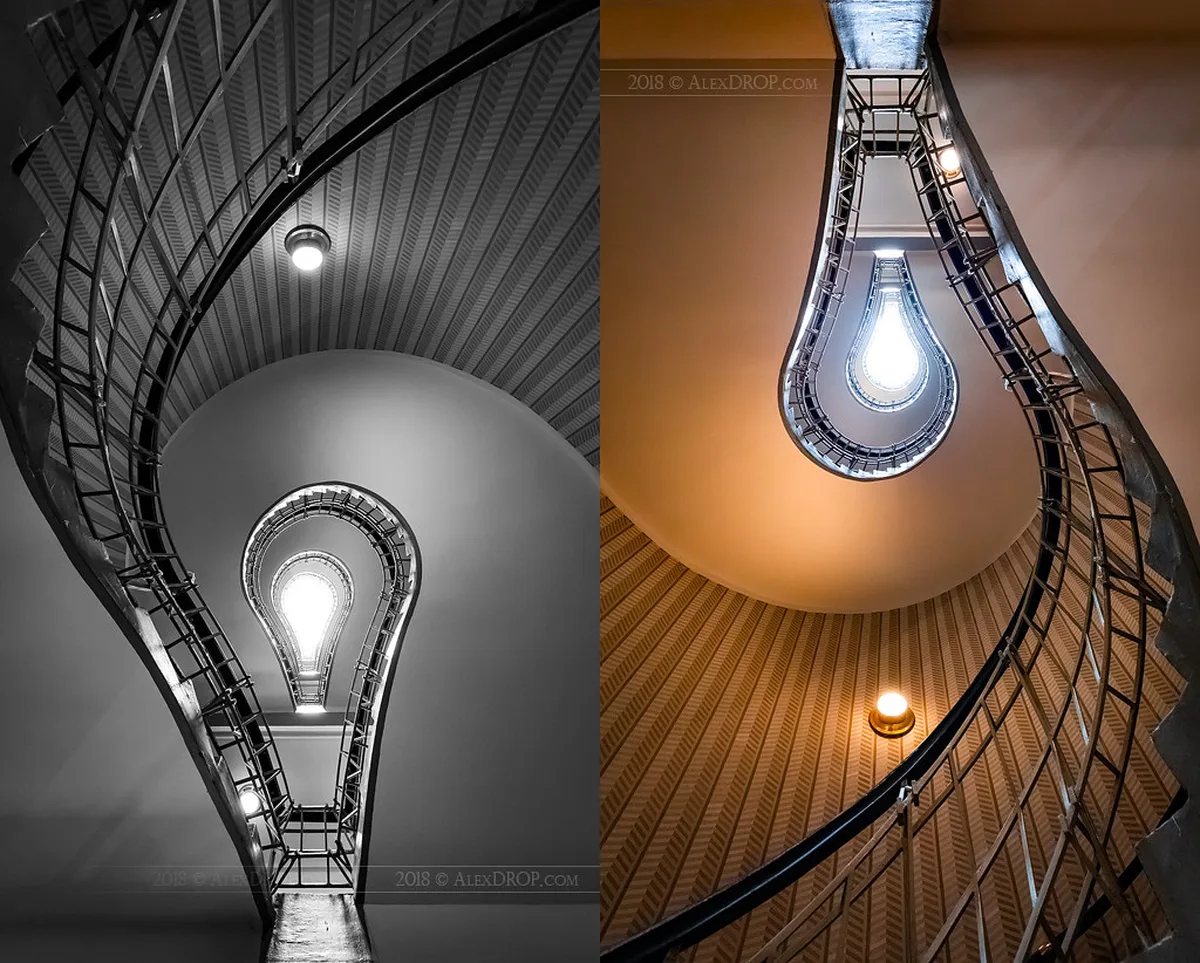
Prague remains one of the most popular destinations in this best cities in eastern europe travel guide. The city features a mix of Gothic and Baroque buildings that survived the wars intact. Travelers often spend three to four days exploring the winding streets of the Old Town. Walking across the Charles Bridge at sunrise helps you avoid the heaviest tourist crowds.
Local dining options provide hearty meals at a fraction of the cost found in Western Europe. You can find traditional goulash and dumplings for approximately 250 CZK in local taverns. Beer prices usually range from 50 to 70 CZK in neighborhood pubs away from the main square. Look for lunch specials on weekdays to save even more on your daily food budget.
Public transportation in the city is both efficient and very easy to navigate for tourists. A three-day transit pass costs roughly 330 CZK and covers all trams and metro lines. Check out best european city breaks for more inspiration on planning your trip. Most major landmarks sit within walking distance of each other in the central historic districts.
Visiting the Prague Castle complex requires at least half a day to see everything properly. Entry tickets for the main circuit cost about 450 CZK for adults in 2026. The circuit is open daily from 9:00 AM to 5:00 PM (last entry 4:00 PM); book online at hrad.cz at least 48 hours in advance during peak season to avoid long queues. The Golden Lane offers a charming look into the lives of historic castle residents. Make sure to wear comfortable shoes because the cobblestone streets can be quite uneven.
Beyond the castle, St. Vitus Cathedral within the complex is free to enter the nave, giving an impressive Gothic experience at no extra cost. The Old Town Astronomical Clock (Orloj) performs its animated show every hour on the hour from 9:00 AM to 11:00 PM — arrive five minutes early to secure a good viewing spot on the square. The Jewish Quarter (Josefov) requires a separate combined ticket of around 550 CZK covering all six synagogues and the Old Jewish Cemetery. Prague's city card (Prague Card, from 1,590 CZK for 2 days) bundles public transport and entry to over 60 attractions, offering strong value for visitors planning intensive sightseeing.
Budapest: The Stunning Pearl of the Danube
Budapest splits into two distinct sections known as Buda and Pest by the Danube River. The Pest side offers a vibrant urban atmosphere with many shops and restaurants. Buda provides a quieter experience with hills and the historic Fisherman's Bastion. Crossing the Chain Bridge at night offers some of the best views in the city.
Thermal baths serve as a cornerstone of the local culture and daily life for residents. Széchenyi Thermal Bath features large outdoor pools that stay warm even during the winter months. Entry prices for a full day usually range between 8,000 and 12,000 HUF per person in 2026 depending on the day of the week and cabin or locker options chosen. The baths are open daily from 6:00 AM to 10:00 PM; online pre-booking through the official szechenyibath.hu portal saves you 10–15% and guarantees entry on busy weekend afternoons. Remember to bring your own towel and flip-flops to avoid paying extra rental fees.
The nightlife in the Jewish Quarter features unique ruin bars located in old abandoned buildings. Szimpla Kert stands as the most famous venue with eclectic decor and multiple rooms. Local drinks like Unicum or Palinka offer a strong taste of traditional Hungarian spirits. Most bars do not charge a cover fee but can get very crowded on weekends.
Hungarian cuisine is famous for its use of paprika and rich, savory flavors. Try a bowl of authentic fisherman's soup (halászlé) at a local bistro for a traditional experience. Expect to pay around 4,000 HUF for a high-quality main course in the city center. Tipping around ten percent is customary when the service charge is not included on the bill.
The Hungarian State Opera House offers guided tours for around 4,500 HUF (daily at 3:00 PM and 4:00 PM), making it one of the best-value cultural experiences in the city. Buda Castle district, perched on Castle Hill, is reachable via the historic funicular (Castle Hill Funicular, ~1,400 HUF one-way) or by a pleasant uphill walk. The Matthias Church inside the castle district charges 3,500 HUF for entry and is open Monday–Friday 9:00 AM–5:00 PM, with shorter hours on weekends due to religious services. For budget travelers, the free Fisherman's Bastion terrace provides panoramic views of the Danube and the Hungarian Parliament at no charge, and is particularly dramatic at sunset.
Krakow: Poland's Cultural and Historic Hub
Krakow serves as the cultural heart of Poland and attracts millions of history lovers. The Main Market Square (Rynek Główny) is one of the largest medieval squares in all of Europe. St. Mary's Basilica features a stunning wooden altar that visitors can see for 15 PLN. Street performers and flower stalls create a lively atmosphere throughout the entire day.
Foodies will enjoy the wide variety of affordable dining options available across the city. A plate of fresh pierogi typically costs between 25 and 35 PLN in local milk bars. Milk bars (bar mleczny) offer a nostalgic dining experience with simple and very cheap traditional meals — look for Bar Mleczny Pod Temidą near the Main Square for solid value. Zapiekanka is a popular toasted baguette snack found in the Kazimierz district for around 15 PLN from street vendors at Plac Nowy market.
The Kazimierz district preserves the rich Jewish history and heritage of the local community. Many visitors tour the Old Synagogue (7 PLN entry, open Tuesday–Sunday 10:00 AM–5:00 PM) and the Remuh Cemetery to learn about the past. This area also transforms into a trendy spot for coffee shops and boutiques during the day. Quiet courtyards provide a peaceful escape from the busy streets of the Old Town.
Many travelers use Krakow as a base for day trips to significant historical sites nearby. The Wieliczka Salt Mine features incredible underground chapels carved entirely out of salt. Entry in 2026 costs approximately 109 PLN for adults on the standard tourist route; tours run from 7:30 AM to 7:30 PM daily, and booking online at wieliczka-saltmine.com at least a week ahead is strongly recommended in summer. Tours to the salt mine usually take about four hours including the transit time by minibus from the city center.
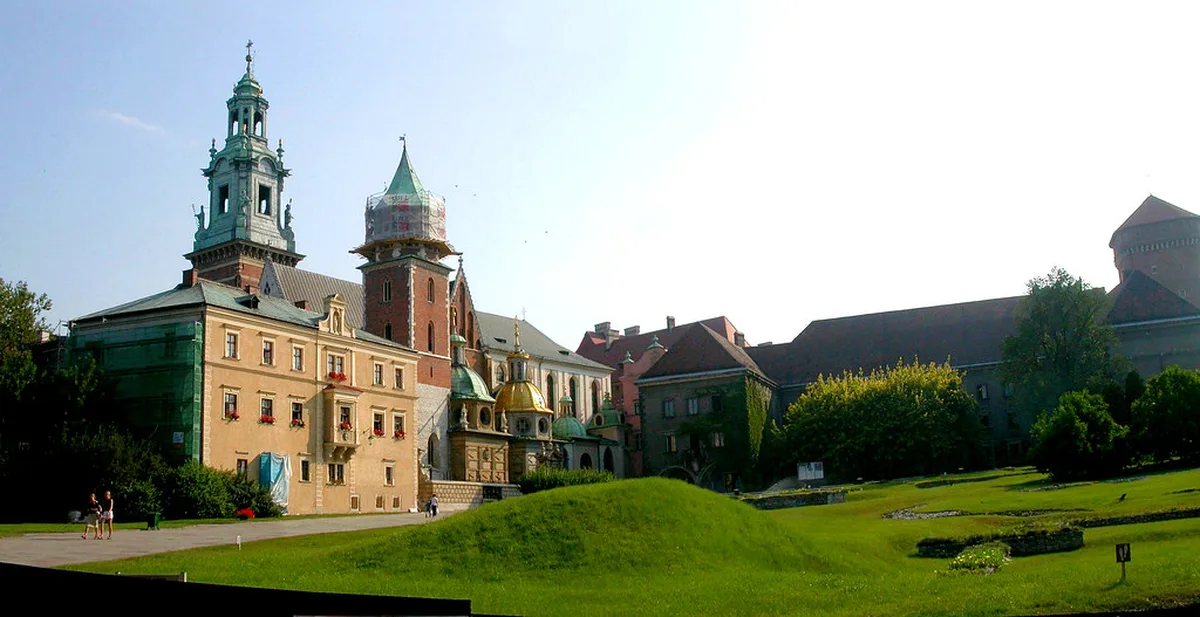
Wawel Castle, the historic royal residence overlooking the Vistula River, is another essential stop. A combined ticket covering the State Rooms, Royal Private Apartments, and Crown Treasury costs around 50 PLN; the castle grounds are free to enter. Opening hours run Tuesday–Saturday 9:30 AM–5:00 PM and Sunday 10:00 AM–5:00 PM (closed Mondays). The number of visitors allowed per session is capped, so online pre-purchase at wawel.krakow.pl is highly advisable. Krakow's Kraków Airport (KRK) has excellent low-cost connections across Europe, making it a convenient entry point for a multi-city Eastern Europe trip starting in Poland.
Sofia: A Budget-Friendly Balkan Treasure
Sofia offers a unique mix of Roman ruins and Soviet-era architecture for curious travelers. The city remains one of the most affordable capitals in the entire European region. Walking through the Serdica Metro station reveals ancient Roman walls and historic pathways. Check out the best cities in the balkans for more regional travel tips.
Alexander Nevsky Cathedral stands as a massive symbol of the city with its gold domes. Entry to the main cathedral is free but the adjacent crypt museum housing religious icons charges a modest 10 BGN. The interior features detailed mosaics and impressive religious artwork from the early twentieth century. The cathedral is open daily from 7:00 AM to 7:00 PM; arrive early in the morning to enjoy the quiet atmosphere before the tour buses arrive from 10:00 AM onward.
Dining in Bulgaria is very inexpensive compared to other major European cities. A three-course meal for two people often costs less than 60 BGN at local restaurants — taverns in the residential Lozenets and Oborishte neighborhoods serve authentic Bulgarian food away from tourist-inflated prices. Try the Shopska salad which features fresh tomatoes, cucumbers, and traditional white sirene cheese for around 8–10 BGN. Local wines from the Thracian Valley are high quality and very affordable at most neighborhood shops, with bottles starting from 12 BGN.
Vitosha Mountain provides a stunning backdrop to the city and offers great hiking trails. You can reach the base of the mountain in thirty minutes using public transport — take tram 2 to Hladilnika and then bus 64 to Aleko. The mountain offers skiing at Aleko ski area in the winter (day passes around 60–80 BGN) and cool hiking paths during the summer heat. Many locals head to the mountain on weekends for fresh air and scenic city views.
The National Palace of Culture (NDK) hosts year-round events and houses a free underground passage featuring ancient Serdica ruins. Entry to the NDK plaza and exterior is always free. The National Historical Museum, located near Boyana Church, charges 10 BGN for adults and is open daily 9:30 AM–6:00 PM. Boyana Church itself, a UNESCO World Heritage Site featuring 13th-century frescoes, charges 10 BGN and limits visitors to ten people per session — book at boyanachurch.org in advance as slots fill quickly. Sofia's free walking tour (meeting daily at 11:00 AM and 6:00 PM at the NDK) is widely recommended for first-time visitors as an orientation to the city's layered history.
Tallinn and Riga: The Baltic Gems of Eastern Europe
Tallinn and Riga are two of the most rewarding and underrated cities in Northern and Eastern Europe, each offering a UNESCO-listed old town, a distinct cultural identity, and daily costs of roughly €50–70 per person — significantly less than Scandinavian neighbors and competitive with Prague. Both cities use the Euro, making budgeting straightforward for EU and international visitors alike.
Estonia's Tallinn's medieval Old Town (Vanalinn) is arguably the best-preserved in the Baltic region and was inscribed as a UNESCO World Heritage Site in 1997. The cobblestone streets, merchant houses, and watchtowers of the lower town are completely free to explore on foot. For a deeper dive, the Kiek in de Kök artillery tower and the connected Bastion Tunnels charge €10 for a combined ticket (open Tuesday–Sunday 10:00 AM–6:00 PM). Toompea Castle, the seat of the Estonian Parliament, offers free public access to its courtyard and exterior; the Alexander Nevsky Cathedral on Toompea Hill is also free to enter. Viru Street and its surrounding lanes concentrate the best traditional Estonian restaurants, craft beer bars, and amber jewelry shops — dinner for two at a mid-range restaurant runs €30–45, while a hearty lunch special costs €10–14. The Telliskivi Creative City district, a converted factory complex, hosts street food markets on weekends with local food vendors selling elk burgers and black bread for €5–8.
Latvia's Riga is famous for its extraordinary collection of Art Nouveau architecture — the city holds one of the highest concentrations of Art Nouveau buildings in Europe, with over 700 examples concentrated in the Quiet Centre (Klusais centrs) district. A self-guided walk along Alberta iela and Elizabetes iela is entirely free and takes about 90 minutes. The Riga Art Nouveau Museum charges €9 for adults (open Tuesday–Sunday 10:00 AM–6:00 PM) and provides excellent context through a preserved early-20th-century apartment. Riga Central Market, housed in five enormous former Zeppelin hangars from World War I, is one of the largest markets in Europe and a must-visit. Open daily from 7:00 AM to 6:00 PM (shorter hours on Sundays), it offers fresh Latvian produce, smoked fish, amber, and local crafts at very affordable prices — budget €10–15 for a generous haul of snacks and souvenirs. A bowl of traditional Latvian grey peas with smoked pork costs around €6 at market stalls. Riga's Old Town (Vecrīga) houses the iconic House of the Blackheads, which can be toured for €8 (open Tuesday–Sunday 10:00 AM–5:00 PM). Day trips from Riga to Jūrmala beach resort take just 30 minutes by suburban train (€1.70 each way) and offer a pleasant contrast of sandy Baltic beaches and elegant wooden summer houses.
Planning Your Eastern Europe Adventure
Timing your visit is crucial for enjoying the best weather and avoiding the crowds. Late spring and early autumn offer mild temperatures that are perfect for city walking. Winter can be very cold but provides a magical atmosphere with traditional Christmas markets. July and August are the busiest months and often see the highest accommodation prices.
Managing different currencies is a common challenge when traveling through multiple eastern countries. Poland uses the Zloty while the Czech Republic uses the Koruna for daily transactions. Most shops in major cities accept credit cards but carrying some cash is still helpful. Always choose to pay in the local currency when using an ATM to avoid high fees.
Safety is generally high in these cities but standard travel precautions are always necessary. Keep an eye on your belongings in crowded tourist areas like the Charles Bridge. Read more about the safest cities in europe to prepare for your journey. Using official taxi apps instead of hailing cars on the street prevents overcharging issues.
- Essential Items for Your Trip Packing List
- Type: Universal power adapter
- Must: Comfortable walking shoes
- Need: Offline map application
- Tip: Small umbrella
- Top Transport Options Between Regional Cities
- Train: Best for comfort
- Bus: Most budget friendly
- Flight: Fastest for distance
- Rental: Best for villages
Frequently Asked Questions
Is Eastern Europe safe for solo travelers?
Yes, Eastern Europe is very safe for solo travelers who follow basic safety rules. Most major cities such as Prague, Budapest, Krakow, and Tallinn have low violent crime rates and well-lit public areas for walking at night. Always stay aware of your surroundings in crowded tourist spots and use official taxi apps rather than street-hailed cabs to avoid overcharging.
What is the best month to visit Eastern Europe?
May and September are the best months to visit Eastern Europe in 2026 for pleasant weather and fewer crowds. These shoulder seasons offer comfortable temperatures of 15–22°C for exploring historic sites on foot. You will also find hotel rates 20–35% lower than the peak summer months of July and August, and popular attractions such as Prague Castle and Wawel Castle have shorter entry queues.
Do I need a visa for Eastern Europe?
Most Western travelers do not need a visa for short stays in the Schengen Area. Countries like Poland, Hungary, the Czech Republic, Slovakia, and the Baltic states (Estonia, Latvia, Lithuania) are all Schengen members, so a single valid passport allows stays of up to 90 days in 180. Always check the latest requirements for your specific nationality before you book your flights to avoid any travel delays.
Is it expensive to travel in Eastern Europe?
Eastern Europe is significantly more affordable than Western Europe for most travelers. In 2026, a comfortable daily budget runs approximately €80 in Prague, €65 in Budapest, €60 in Krakow, and as little as €40 in Sofia — covering mid-range accommodation, meals, transit, and entry fees. Budget travelers cutting accommodation costs with hostels can manage on €35–50 per day across most of the region.
What are the most underrated cities in Eastern Europe?
Some of the most underrated cities in Eastern Europe in 2026 include Tallinn (Estonia), Riga (Latvia), Sibiu (Romania), Ohrid (North Macedonia), and Plovdiv (Bulgaria). Tallinn and Riga offer UNESCO-listed medieval and Art Nouveau architecture with daily costs around €50–70, far below equivalent Western European experiences. Sibiu in Transylvania blends Saxon heritage and a vibrant café culture for under €45 per day, while Plovdiv — European Capital of Culture 2019 — has a lively Old Town and arts scene that still flies under the mainstream radar.
Do I need a Schengen visa for Eastern Europe?
Most of Eastern Europe's popular destinations — Poland, Czech Republic, Hungary, Slovakia, Slovenia, and the Baltic states — are members of the Schengen Area, so citizens of the EU, US, UK, Canada, Australia, and many other countries can visit visa-free for up to 90 days within any 180-day period. Non-Schengen countries in the region include Bulgaria (joining Schengen for air and sea borders from 2024), Romania (also in partial Schengen since 2024), and Bosnia-Herzegovina, which has its own entry requirements. Always verify current rules for your nationality at the official embassy website of your destination country before travel in 2026.
Eastern Europe provides an unforgettable experience for those seeking history and value. Each city mentioned in this guide offers a unique glimpse into the diverse European heritage. Start planning your next adventure today to discover these incredible destinations for yourself.