Ultimate Best Cities in the Balkans Travel Guide for 2026
In 2026, Sarajevo costs roughly €35–50/day and Tirana €30–40/day, making both far cheaper than Split at €60–80/day — the Balkans remain Europe's best-value multi-city destination for budget-conscious travelers.
The best months to visit the Balkans are May–June and September, when temperatures stay comfortable (18–26 °C), crowds thin out compared to July–August, and coastal ferry routes are fully operational.
The Balkan Peninsula offers a unique mix of Ottoman history, Austro-Hungarian architecture, and stunning natural landscapes. Traveling through these diverse countries allows you to experience deep cultural shifts within just a few hours of driving. You will find that the region remains one of the most affordable corners of Europe for curious explorers.
This best cities in the Balkans travel guide highlights destinations that balance historic charm with modern energy. Many travelers overlook these spots for Western Europe, but the Balkan spirit provides a much more authentic atmosphere. Planning your route requires understanding local transport and the distinct character of each capital city.
You can find incredible value in these cities compared to more traditional best European city breaks in the west. From the rugged mountains of Montenegro to the vibrant streets of Belgrade, every stop offers a new perspective. Preparing for the local nuances will ensure your journey through the Balkans is both smooth and memorable.
Top Balkan Capitals for Culture and History
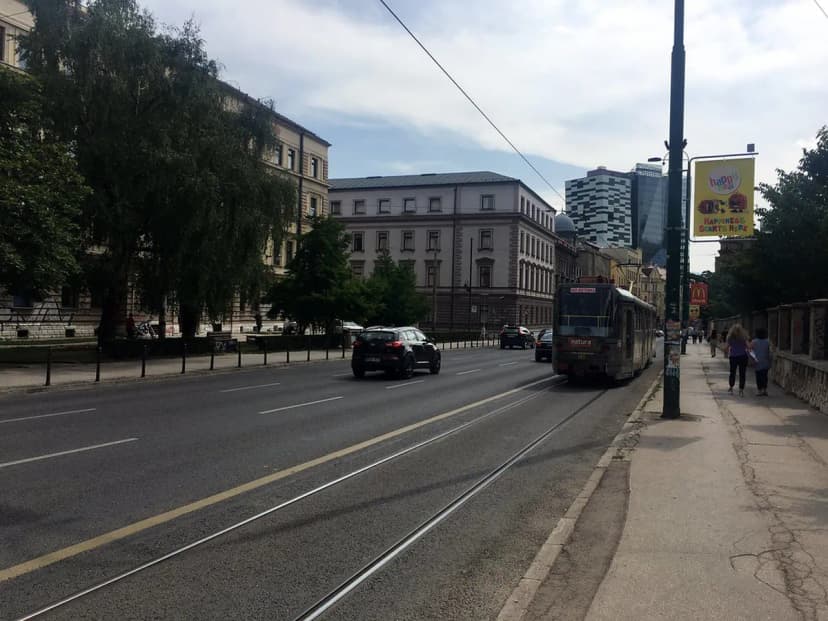
Bosnia's Sarajevo stands as a powerful symbol of resilience and multiculturalism in the heart of the country. Walking through the Baščaršija bazaar feels like stepping back into the Ottoman era, with its copper workshops, coffee houses serving Bosnian kahva in džezvas, and the aroma of cevapi filling every alley. The bazaar itself is free to explore and wander at leisure. For a deeper understanding of Sarajevo's complex past, the Tunnel of Hope Museum — the wartime lifeline dug beneath the airport — charges BAM 10 per adult (approximately €5), and the War Childhood Museum, which preserves intimate personal testimonies, also costs BAM 10. Both are among the most affecting small museums in all of Europe.
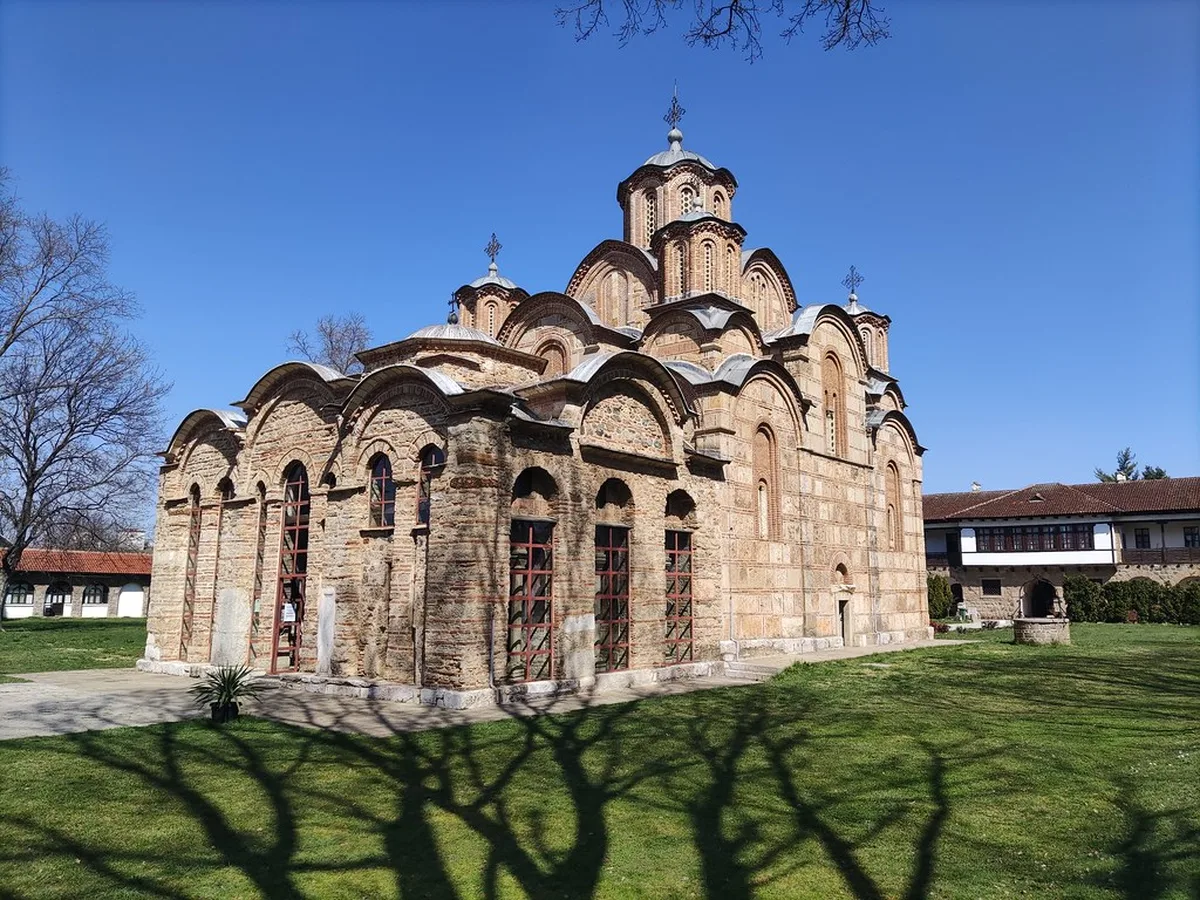
The city hosts the famous Sarajevo Film Festival every August, drawing filmmakers and cinephiles from across the continent. Winter sports fans can visit the nearby 1984 Olympic mountains — Jahorina and Bjelašnica — for affordable skiing just 30 minutes from the center, with day passes running around BAM 50 (≈€25). A comfortable mid-range daily budget in Sarajevo for 2026 sits at BAM 70–100 (€35–50), covering a guesthouse, meals at local restaurants, and two or three paid attractions. The old Austro-Hungarian quarter of Ferhadija, a pedestrian boulevard that transitions seamlessly from Ottoman to Catholic to Orthodox architecture within a single five-minute walk, is one of the most visually remarkable streets in the Balkans and completely free to stroll.
North Macedonia's Skopje offers a completely different vibe with its massive statues and eclectic mix of architectural styles. The city underwent a major transformation in the 2010s under the "Skopje 2014" project, creating a surreal landscape of neoclassical buildings, bronze warriors, and ancient stone bridges spanning the Vardar River. The Old Bazaar — Čaršija — is the largest and oldest in the Balkans outside Istanbul, with Turkish hans, mosques, and artisan shops selling copperware and embroidery. Entry to most of the bazaar's historic structures is free or costs under MKD 100 (under €2). Daily budgets in Skopje are among the lowest of any capital: a comfortable stay including meals and transport typically runs MKD 1,500–2,000 (€25–35) per day.
Albania's Tirana serves as the vibrant capital, known for its colorful buildings and bustling Skanderbeg Square. The city has transformed from a gray communist hub into a lively center for art, brunch culture, and a rapidly growing café scene. The Bunk'Art museums — former Cold War nuclear bunkers converted into art installations — charge ALL 500 (≈€5) each and are not to be missed. The Blloku district, once reserved exclusively for Communist Party elite, is now the city's trendiest neighborhood, packed with terraced cafés and independent boutiques. Daily budgets in Tirana for 2026 average ALL 3,000–4,000 (€30–40), making it one of the most affordable capitals on the continent.
- Sarajevo City Center
- Type: Historical Hub
- Best for: Culture seekers
- Where: Bosnia and Herzegovina
- Cost: BAM 70–100/day (€35–50)
- Skopje Old Bazaar
- Type: Ottoman Market
- Best for: Shopping and food
- Where: North Macedonia
- Cost: MKD 1,500–2,000/day (€25–35)
- Tirana Blloku District
- Type: Nightlife Area
- Best for: Modern vibes
- Where: Albania
- Cost: ALL 3,000–4,000/day (€30–40)
Coastal Gems and Adriatic Escapes
Kotor sits nestled in a dramatic bay in Montenegro, offering some of the most stunning fjord-like views in Southern Europe. The medieval Old Town is a UNESCO World Heritage Site — a maze of Venetian-era piazzas, Romanesque churches, and a resident cat population that has become a beloved local symbol. Entry to the Old Town itself is free. The fortress walls that zigzag up the steep limestone cliffs above the city charge €8 per adult, and the climb of roughly 1,350 steps rewards you with a sweeping panorama of the entire Bay of Kotor. Go early in the morning before the cruise ship crowds arrive — the difference is significant.
Montenegro uses the Euro as its currency, making budgeting straightforward for European visitors. A comfortable mid-range day in Kotor — accommodation in the old town, two restaurant meals, and the fortress — runs approximately €60–80 in peak season (July–August). Shoulder season (May–June, September) drops that figure to around €45–60. The nearby village of Perast, accessible by a €1 local bus or a short taxi ride of about €10–15, is home to the iconic Our Lady of the Rocks island church (boat transfer around €5 return) and is far quieter than Kotor itself.
Split in Croatia provides a unique living history experience as the city is built directly into the ruins of Diocletian's Palace, a fourth-century Roman complex that now houses apartments, restaurants, and bars within its ancient walls. Residents still live and work in the palace, and walking its corridors at night with the stone lit by lanterns is unforgettable. Croatia uses the Euro since 2023. Ferry rides to nearby islands like Hvar or Brač cost between €15–25 depending on the season and the route. Hvar Town is notably more expensive — expect to pay €4–5 for a coffee and €25–40 per person for dinner at a seafront restaurant. Daily budgets in Split average €60–80 for a comfortable visit.
Budva serves as a popular beach destination with a walled old town and a lively summer party scene. While the beaches get crowded in July, the iconic Sveti Stefan islet — a former fishing village turned luxury resort — offers a more exclusive atmosphere viewable for free from the public beach. Many travelers find that the Montenegrin coast is significantly more expensive than its inland counterparts during peak summer months, with beach-chair rentals alone running €15–25 per day in prime spots.
Inland Treasures and Vibrant Hubs
Belgrade remains the energetic heart of the Balkans, famous for its floating river clubs — splavovi — moored along the Sava and Danube, and the massive Kalemegdan Fortress that has stood watch over the city for over two millennia. The fortress and its extensive park are free to enter and explore, making for an excellent afternoon. The city has a gritty charm that rewards those who look past the brutalist architecture to find hidden cafés in converted courtyards and bookshop bars in old town basements.
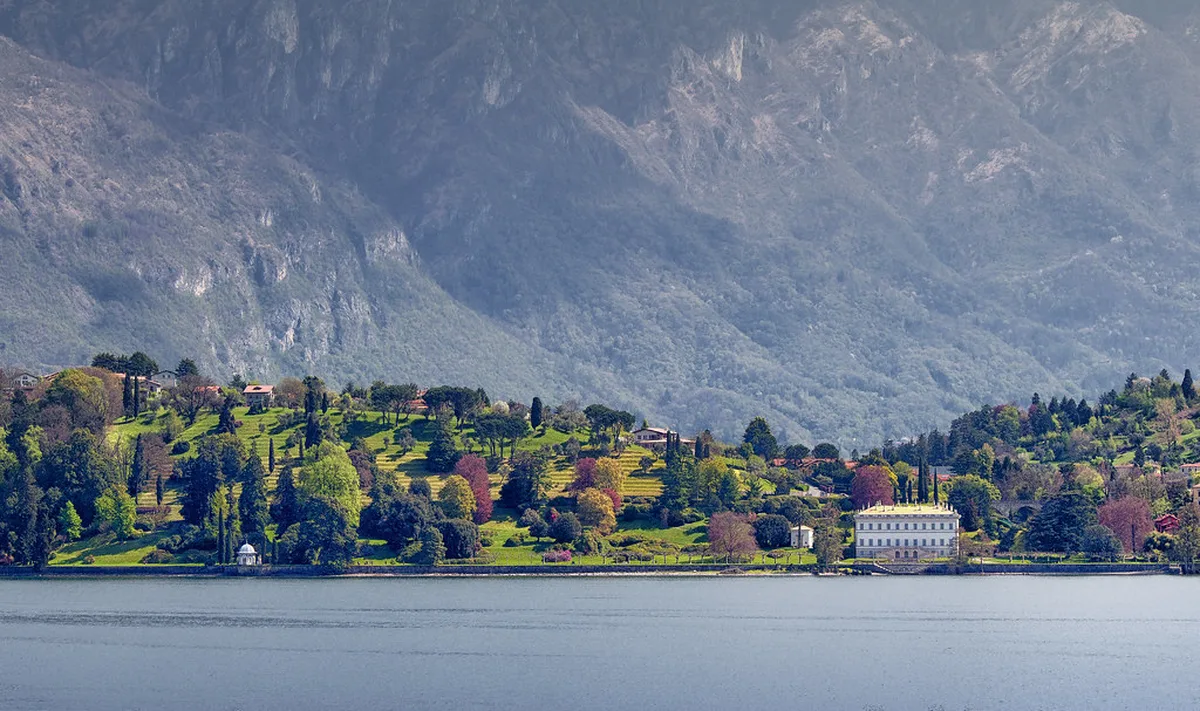
Dinner at a traditional kafana in the Skadarlija bohemian quarter — Sarajevo Street's Belgrade equivalent — typically costs €15–20 per person for a full feast of meze, grilled meats, and local wine, often accompanied by live folk music. Serbia uses the Serbian Dinar (RSD), though prices in tourist areas are frequently quoted in Euros. A mid-range day in Belgrade runs approximately €40–60, covering a central hostel or budget hotel, meals, and the odd museum entry. The Museum of Yugoslavia and the Nikola Tesla Museum each charge around RSD 800 (€7) and are highly recommended. Belgrade's nightlife, centered on Savamala and the Danube riverbanks, is among Europe's most internationally regarded and largely free to access until you reach the door of individual clubs.
Plovdiv in Bulgaria holds the title of one of the oldest continuously inhabited cities in the world and served as a European Capital of Culture in 2019. Its Roman amphitheater, nestled into the hillside of the Old Town, still hosts live performances — ticket prices run €10–20 depending on the event. The Old Town itself, with its colorful National Revival period houses cantilevering dramatically over the cobblestone lanes, is free to wander. Walking through the Kapana ("The Trap") creative district reveals a neighborhood filled with craft shops, street art galleries, and excellent local craft beer from the growing Bulgarian microbrewery scene. Bulgaria uses the Bulgarian Lev (BGN), and Plovdiv is exceptionally affordable — a comfortable daily budget runs around BGN 60–80 (€30–40).
Sofia offers a relaxed atmosphere with wide Soviet-era boulevards and the magnificent Alexander Nevsky Cathedral sitting at its center. The city is one of the few capitals where you can take a public bus to a mountain trailhead in under an hour — the Vitosha Mountain park starts at the city's southern edge. Hiking Vitosha is a favorite weekend activity for locals and provides an essential break from the urban heat. The city's central mineral baths complex and the ancient Serdica archaeological site visible through glass floors in the metro are both free. Sofia is consistently ranked as one of Europe's most affordable capitals, with daily budgets of BGN 50–70 (€25–35).
Prizren and Berat: The Underrated Gems You're Missing
While Sarajevo and Kotor dominate most itineraries, two cities consistently appear on the radar of experienced Balkan travelers yet remain absent from mainstream guides: Prizren in Kosovo and Berat in Albania. Both are compact, walkable, extraordinarily photogenic, and carry daily budgets well below €35 — making them ideal additions to any route through the region.
Prizren is Kosovo's cultural capital and arguably the most photogenic city in the Western Balkans. The old Ottoman bridge — the Stone Bridge of Prizren, arching over the Bistrica River — is the city's emblematic image and completely free to cross and photograph. The Sinan Pasha Mosque, one of the finest surviving Ottoman mosques in the Balkans, welcomes visitors outside prayer times at no charge. The Prizren Fortress (Kalaja) above the old town is also free to enter and offers sweeping views across the terracotta rooftops and minarets below, particularly stunning at dusk when the city lights begin to flicker on. Daily budgets in Prizren are among the lowest in Europe: a guesthouse, three meals, and local transport runs approximately €20–30 per day. Kosovo uses the Euro, so there is no currency exchange needed if arriving from Montenegro.
Berat, in south-central Albania, is a UNESCO World Heritage Site known as the "city of a thousand windows" — a reference to the distinctive large Ottoman windows of its whitewashed hillside neighborhoods that seem to stare down at visitors from every angle. The Berat Castle (Kalaja) sits on a rocky promontory above the city and is free to enter; unusually, people still live within its walls in a small permanent community, making it a living castle rather than a museum piece. The Mangalem neighborhood below the castle — a dense cluster of Ottoman houses on a steep slope — is best explored on foot and takes two to three hours to do properly. Daily budgets in Berat run the equivalent of €25–35 (Albanian Lek, ALL 2,500–3,500), covering a clean guesthouse, generous Albanian home-cooking meals, and any paid attractions. Albania has been investing heavily in tourism infrastructure, and Berat in particular has seen a surge in quality boutique accommodation without a corresponding surge in prices.
Both Prizren and Berat are accessible by regional bus — Prizren is two hours from Skopje, and Berat is roughly two hours from Tirana by minibus (furgon). Neither requires a car to enjoy fully, and both are compact enough to see the highlights in a focused two-night stay.
Essential Balkan Travel Logistics and Costs
Navigating the Balkans requires a shift in expectations regarding public transport and border crossings between non-EU countries. Buses are the primary mode of travel here, as train networks are often limited or slower than road transport. You should always carry cash for bus station fees, which usually range from one to two Euros per person.
Currency varies significantly by country, and understanding this before departure saves considerable hassle on the ground. Montenegro and Kosovo use the Euro outright. Croatia also uses the Euro since 2023. Bosnia and Herzegovina uses the Bosnian Convertible Mark (BAM), pegged at BAM 1 ≈ €0.51 — so BAM 100 equals roughly €51. North Macedonia uses the Macedonian Denar (MKD), where MKD 60 equals approximately €1. Albania uses the Albanian Lek (ALL), with ALL 100 equaling roughly €1. Serbia uses the Serbian Dinar (RSD). Most major cities accept credit cards at hotels, restaurants, and larger shops, but smaller guesthouses, local markets, and bus stations still prefer or require cash. Exchange rates are generally fair at local banks and city centre exchange offices — avoid changing money at airports or border crossings.
Border crossings can take anywhere from twenty minutes to several hours depending on the season, the specific land crossing, and how many tour buses are ahead of you. Always have your passport ready and confirm the latest visa requirements for each country on your route — EU and US citizens can enter most Western Balkan countries visa-free for 90 days, but check official government sources before travel. Many travelers find that hiring a private transfer is a worthwhile option for groups of three or more, particularly for the Kotor–Dubrovnik or Sarajevo–Mostar legs, where road scenery justifies the extra cost. For a well-planned two-week Balkans trip covering five countries, a total transport budget of €100–150 per person is realistic using buses and occasional shared taxis.
Common Mistakes to Avoid in the Balkans
Many travelers make the mistake of trying to visit too many countries in a single two-week trip. The slow pace of regional transport means you will spend more time on buses than seeing the actual sights. Focus on two or three neighboring countries to truly appreciate the local culture and avoid travel burnout. A tight itinerary also leaves no room for the spontaneous invitations, unexpected festivals, or impromptu side trips that make Balkan travel genuinely memorable.
Another common error is relying solely on online schedules for regional buses or trains. Local bus stations often have more up-to-date information than what you find on international booking websites, and timetables can shift seasonally without being updated online. It is best to visit the station a day in advance to confirm departure times and purchase your tickets in person — this also avoids the booking fees that some third-party platforms charge. For cross-border routes like Sarajevo to Dubrovnik or Belgrade to Sarajevo, a seat reservation is advisable in July and August as buses fill quickly.
Underestimating the importance of local history can lead to awkward social interactions in certain parts of the region. While people are generally very friendly and hospitable — the Balkan tradition of gostoprimstvo (hospitality) is genuine and widespread — some topics regarding the 1990s conflicts remain sensitive, particularly for older generations who lived through them. Listen more than you speak when locals share their personal stories about the past to show proper respect. Travel between countries that were on different sides of those conflicts without making assumptions or comparisons. The region's complexity is one of its most fascinating features; approach it with curiosity rather than pre-formed narratives.
Frequently Asked Questions
Is it safe to travel through the Balkan cities?
Yes, the Balkans are generally very safe for international travelers with low rates of violent crime. You should exercise standard precautions against pickpocketing in crowded tourist areas like Split or Belgrade. Most locals are incredibly welcoming and helpful toward visitors exploring their home cities.
What is the best time of year to visit the Balkans?
May, June, and September are the ideal months for visiting the Balkans. Temperatures are comfortable (18–26 °C), coastal beaches are enjoyable without the intense July–August peak crowds, and most attractions and ferry routes are fully operational. Spring also brings lush mountain scenery, while September offers warm sea temperatures and the beginning of harvest season in local markets.
How expensive is a trip to the Balkans in 2026?
The Balkans remain highly affordable in 2026. Budget travelers can get by on €30–45 per day in inland cities like Sarajevo, Tirana, or Plovdiv. Mid-range travelers spending on comfortable accommodation and restaurant meals typically spend €50–80 per day. Coastal Croatia and Montenegro during peak summer are the most expensive parts of the region, where daily costs can reach €80–120 per day. Overall, the Balkans offer significantly better value than Western European destinations.
Do I need to rent a car to see the best cities?
While buses connect all major cities, renting a car offers more flexibility for exploring rural areas and national parks. Driving allows you to stop at hidden viewpoints and small villages that public transport often bypasses. Be prepared for winding mountain roads and occasional delays at international border checkpoints. For city-focused trips, buses and occasional taxis are sufficient.
Which Balkan city is best for first-time visitors?
Sarajevo is the best starting point for first-time Balkan visitors. It is compact and walkable, with an exceptional concentration of history, culture, and cuisine in a small area. The Baščaršija bazaar, the Tunnel of Hope Museum, and the city's unique coexistence of Ottoman, Austro-Hungarian, and Yugoslav layers give an immediate sense of what makes the Balkans unlike anywhere else in Europe. It is also very affordable — budget around €35–50 per day — and locals are particularly welcoming toward international visitors.
What currency do I need in the Balkans?
Currency varies by country across the Balkans. Montenegro, Kosovo, and Croatia all use the Euro (€), so no exchange is needed between those countries. Bosnia and Herzegovina uses the Bosnian Convertible Mark (BAM), where BAM 1 ≈ €0.51. North Macedonia uses the Macedonian Denar (MKD), with roughly MKD 60 to €1. Albania uses the Albanian Lek (ALL), at approximately ALL 100 to €1. Serbia uses the Serbian Dinar (RSD). Carrying a mix of Euros and local currency is advisable, as smaller guesthouses, buses, and markets often do not accept cards.
Exploring the Balkans provides a rich tapestry of experiences that you simply cannot find elsewhere in Europe. From the historic streets of Sarajevo to the sun-drenched walls of Kotor, each city tells a unique story of endurance. You will likely find yourself planning a return trip before your first journey even ends.
This best cities in the Balkans travel guide is just the beginning of your adventure into this captivating region. Take the time to talk to locals and try the regional cuisine to truly immerse yourself in the culture. The memories you make here will stay with you long after you return home.