A Comprehensive Best Cities in Southern Europe Guide for 2026
The best cities in Southern Europe for 2026 span a dramatic budget range: expect €80–150/day in western capitals like Rome, Barcelona, and Lisbon, and €40–70/day in Balkan alternatives like Split and Tirana. Italy, Spain, Portugal, Croatia, and Greece dominate the top picks for culture, coast, and cuisine.
The best shoulder seasons to visit Southern Europe are April–June and September–October 2026. Temperatures sit between 18–26°C, accommodation costs drop 20–40% versus July–August peaks, and major attractions like the Colosseum and Sagrada Familia have shorter queues and same-week ticket availability.
Southern Europe offers a vibrant mix of ancient history, sun-drenched coastlines, and some of the world's finest culinary traditions. Planning a trip through this region allows you to experience diverse cultures ranging from the Iberian Peninsula to the Balkan shores. This best cities in southern Europe guide highlights top destinations that balance famous landmarks with authentic local lifestyle experiences.
You will find helpful insights on timing your visit to avoid the most intense summer heat and peak tourist crowds. Many travelers struggle to choose between the bustling energy of Madrid and the laid-back coastal charm of the French Riviera. Our guide provides the necessary details on costs, transport, and hidden gems to help you craft a perfect Mediterranean itinerary.
Exploring these historic streets requires a blend of careful planning and the flexibility to enjoy a slow afternoon coffee. We have selected the most rewarding destinations to ensure your journey through the south is both memorable and highly efficient.
Best Cities in Southern Europe: Top 2026 Picks
The best cities in Southern Europe for 2026 include Barcelona (Spain) for architecture and beaches, Rome (Italy) for ancient history, Lisbon (Portugal) for value and character, Dubrovnik (Croatia) for Adriatic charm, and Athens (Greece) for culture. Budget: expect €80–150/day in western capitals, €40–70/day in the Balkans.
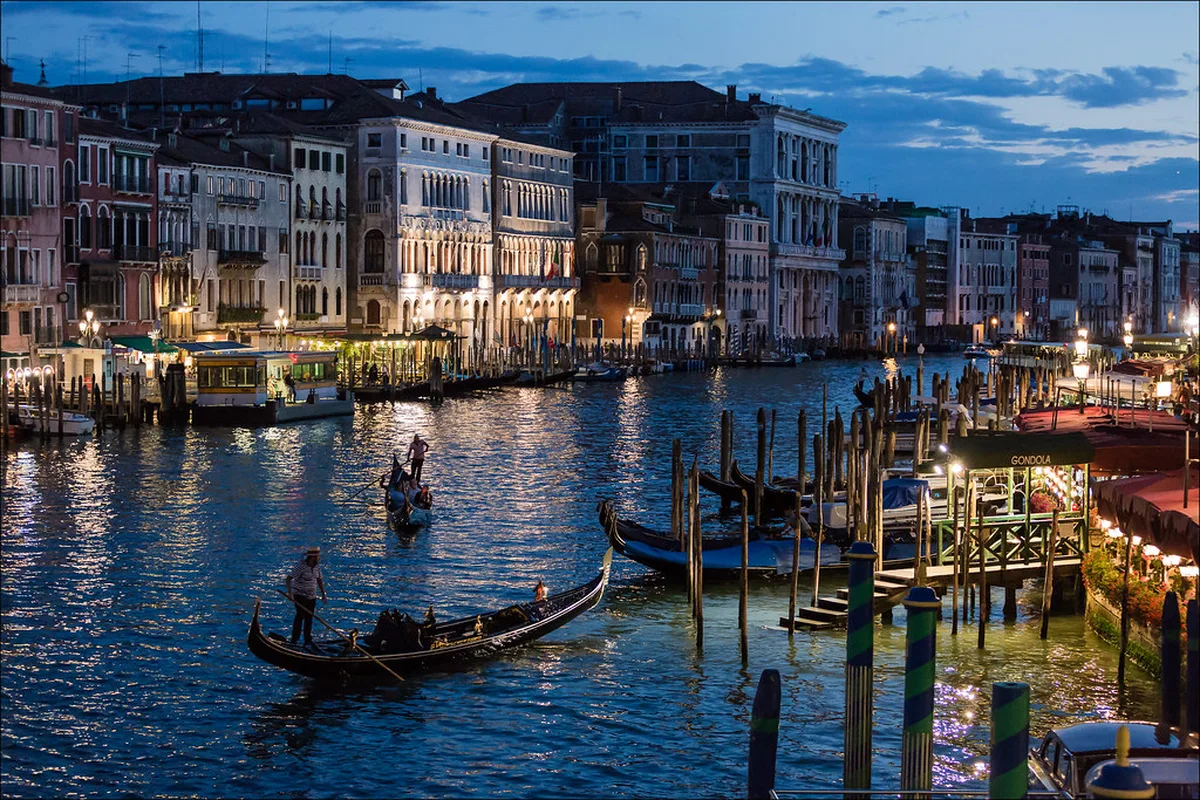
Understanding the local rhythm is essential for enjoying these southern destinations without feeling like a typical rushed tourist. Many cities in Spain and Italy observe a mid-afternoon break where smaller shops and local eateries close for several hours. Plan your sightseeing for the morning to align with when the local streets are most active and vibrant.
Dining usually starts much later than in northern regions, with many restaurants only opening for dinner after eight in the evening. Attempting to eat at six might leave you with very few authentic options outside of the most touristy areas. Look for local aperitivo hours in Italy to enjoy small snacks and drinks while waiting for the main dinner service.
Weather plays a significant role in your decision, as summer temperatures often exceed 35 degrees Celsius in inland hubs. Coastal cities benefit from sea breezes, but humidity can still make midday walking quite tiring for many visitors. Spring and autumn offer the most pleasant conditions for exploring historical sites without the discomfort of extreme heat. April through June is ideal for visiting Rome, Barcelona, and Lisbon, while September and October are excellent for Greece and Croatia after the peak crowds thin.
Budget considerations vary significantly between the popular western capitals and the emerging destinations further to the east. Expect to pay around €120–150 per night for quality central hotels in major hubs like Rome or Barcelona in 2026. Mid-range hotels in Lisbon run €80–110 per night, while Balkan cities like Split and Tirana offer comfortable three-star stays for €45–70. Savvy travelers can find similar cultural richness in the Balkans for nearly half the daily cost of western alternatives.
Transport within cities is generally affordable — a single metro ticket in Barcelona costs €2.40, Madrid €1.50–2.00 depending on the zone, and Lisbon €1.80. Rome's metro system covers key tourist zones, with a single ticket at €1.50 valid for 90 minutes across buses and trams. Purchasing a city multi-day travel pass typically saves 15–25% over single tickets if you plan to use public transport more than twice a day.
Top Coastal Cities for Sun and Mediterranean Charm
The Mediterranean coastline features some of the most iconic urban landscapes that blend city life with beautiful beach access. These destinations provide a perfect balance for those who want to visit museums in the morning and swim in the afternoon. The best European city breaks for coastal lovers consistently feature Barcelona, Nice, and Valletta near the top.
Barcelona stands out as a premier choice due to its unique blend of Gothic history and modernist architectural wonders. The Sagrada Família charges €26 for a general adult ticket in 2026 — book at least 4–6 weeks ahead online as timed-entry slots sell out fast, especially for the towers. Park Güell costs €10 for the ticketed monumental zone; the surrounding park is free. The city beach at Barceloneta is easily accessible by metro, with quieter sands at Castelldefels just a 30-minute commuter train ride for €4.20 return. Budget around three full days to cover the main Gaudí sites, the Gothic Quarter, and the Boqueria market.
Nice offers a more refined atmosphere with its famous Promenade des Anglais stretching along the turquoise waters of the coast — entry is free and open all year. The Old Town area features narrow winding streets filled with flower markets and traditional Niçoise restaurants serving fresh seafood, with main courses typically running €15–25. Entry to the Musée Matisse is €10 and the Chagall Museum €10; the Promenade des Anglais itself costs nothing to enjoy for hours. Local TER trains connect Nice to Monaco (€3.40, 20 min) and Cannes (€7.20, 35 min), making day trips very affordable. The Nice–Côte d'Azur airport is only 6 km from the city center, with bus line 99 connecting in 30 minutes for €6.
Valletta provides a different coastal experience with its massive stone fortifications rising directly from the deep blue sea. This Maltese capital is compact enough to explore on foot in a single day, though its steep hills require a decent level of fitness. The Upper Barrakka Gardens are free and offer one of the best harbour views in Europe. The public ferry to Sliema runs every 30 minutes for €1.50 each way, giving you a stunning view of the golden bastions from the water. Fort St. Elmo — home to the National War Museum — charges €10 for adults and is well worth the entry fee for its WWII and Great Siege exhibits.
- Barcelona: A Mediterranean Masterpiece of Art
- Vibe: Lively and artistic
- Best for: Architecture lovers
- Where: Northeast Spanish coast
- Cost: Mid-to-high range (€80–130/day)
- Nice: The Elegant Heart of the French Riviera
- Vibe: Glamorous and historic
- Best for: Beachfront promenades
- Where: Southeast coast of France
- Cost: Premium pricing (€100–160/day)
- Malaga: The Gateway to the Sun-Drenched South
- Vibe: Relaxed and sunny
- Best for: Museum hopping
- Where: Southern coast of Spain
- Cost: Moderate (€60–90/day)
Iconic Cultural Capitals with Timeless Historic Appeal
The grand capitals of the south serve as the historical heart of the continent with layers of civilization visible on every corner. Visitors often find that these cities require more time than smaller coastal towns to truly appreciate their vast cultural offerings. Exploring the best cities in Eastern Europe alongside these western anchors gives an excellent cross-continental perspective on European history.
Rome remains the ultimate destination for history enthusiasts, where ancient ruins sit directly next to modern cafes and shops. The Colosseum charges €18 per adult in 2026 — include the Roman Forum and Palatine Hill in the same ticket, which represents outstanding value for the historical depth on offer. Vatican Museums entry is €20 online (€8 more at the door), and the Sistine Chapel is included; book 4–6 weeks ahead for April–October visits. Walking is the best way to see the city, but the metro system (€1.50 per ticket) is useful for reaching outlying districts like Trastevere and the Testaccio food market. Expect to spend at least four days in Rome to cover the ancient sites, Vatican, and the vibrant neighborhoods on both banks of the Tiber.
Madrid offers a sophisticated urban experience with some of the most prestigious art galleries in the world along its Golden Triangle. The Prado Museum is free after 6 PM Monday to Saturday, and the Reina Sofía offers free entry on Sunday afternoons — excellent for budget-conscious art lovers. The Retiro Park provides a massive green escape in the city center where you can rent a rowboat for €7 per hour. Nightlife here is legendary, with many locals staying out until dawn in the vibrant Malasaña and Chueca neighborhoods. Affordable tapas — €1.50–3.00 per piece — are plentiful in the La Latina district, where traditional bars line the cobblestone streets around Cava Baja.
Lisbon captures hearts with its yellow trams, tiled facades, and the melancholic sounds of Fado music echoing through the Alfama. The city is famous for its seven hills, so consider using the historic Elevador da Bica or Gloria funiculars for €3.80 each to save your legs during long days. Try a traditional Pastel de Nata in Belém — the original Pastéis de Belém bakery charges €1.35 each — for a truly authentic taste of Portugal. The Jerónimos Monastery in Belém costs €10 to enter and is a UNESCO World Heritage Site well worth the visit. Budget-friendly travelers will find Lisbon offers the best value among western European capitals, with daily costs averaging €70–100 including accommodation, food, and transport in 2026.
- Rome: An Eternal City of Ancient Wonders
- Vibe: Historic and energetic
- Best for: World-class archaeology
- Where: Central Italian peninsula
- Cost: €90–140/day all-in
- Madrid: The Grand Heart of Spanish Culture
- Vibe: Sophisticated and royal
- Best for: Fine art galleries
- Where: Central Spanish plateau
- Cost: €80–120/day all-in
- Lisbon: The Hilly Capital of the Atlantic
- Vibe: Charismatic and coastal
- Best for: Scenic viewpoints and value
- Where: Western coast of Portugal
- Cost: €70–100/day — best value western capital
Affordable Balkan Alternatives for Savvy Southern Travelers
The eastern side of the Adriatic Sea offers stunning beauty and deep history without the high price tags of the west. Exploring the best cities in the Balkans reveals a different side of Southern European life that remains undervalued and uncrowded compared to the western capitals. These destinations are perfect for travelers who want to escape the massive crowds found in places like Venice or Florence while still experiencing world-class heritage sites.
Split is a unique city built inside the remains of a massive Roman palace constructed for Emperor Diocletian — a UNESCO World Heritage Site that has been continuously inhabited for over 1,700 years. You can drink coffee in the ancient peristyle where Roman soldiers once stood, a deeply immersive experience that few other cities in Europe can match. Entry to the Diocletian's Palace cellar halls costs €10, though walking the upper lanes and ramparts is free. Accommodation is significantly cheaper than Dubrovnik — expect €50–80 per night for a well-located apartment — making it an excellent base for exploring the nearby Croatian islands. The Jadrolinija ferry to Hvar town costs €6.50 and takes around one hour, one of the best-value island day trips in the Mediterranean.
Albania's Tirana is rapidly becoming a popular choice for adventurous travelers looking for a mix of Ottoman and communist-era history. The city is incredibly colorful and features a thriving cafe culture that rivals any major capital in the south. A full meal with drinks often costs less than €12–15 in the trendy Blloku district, and a morning espresso runs just €0.80–1.00. The National History Museum charges just €3 for adults and covers Albanian history from Illyrian times through the Hoxha dictatorship. Accommodation averages €35–60 per night for a comfortable central hotel, making Tirana one of the most affordable capitals in Europe for 2026 travel.
Kotor sits at the end of a dramatic bay in Montenegro and offers some of the most stunning fjord-like scenery in Europe. Climb the 1,350 steps to the upper fortress for €8 per adult — a fee introduced in 2025 — and earn a view that is worth every bit of the physical effort. The old town walls and Cathedral of Saint Tryphon charge €3 entry and are among the best-preserved medieval structures on the Adriatic. Cruise ships visit frequently, so try to explore the narrow streets early in the morning before the day-trippers arrive. The bus from Dubrovnik to Kotor takes roughly 2.5 hours and costs €10–14, making a day trip feasible if you are based in Croatia.
- Split: A Living Palace on the Adriatic
- Vibe: Coastal and historic
- Best for: Roman ruins and island base
- Where: Dalmatian coast, Croatia
- Cost: €50–80/day all-in
- Tirana: A Colorful and Rising Balkan Star
- Vibe: Quirky and evolving
- Best for: Budget exploration
- Where: Central Albania
- Cost: €35–55/day — among Europe's cheapest
- Kotor: A Medieval Gem in a Bay
- Vibe: Quiet and scenic
- Best for: Dramatic landscapes and medieval walls
- Where: Coastal Montenegro
- Cost: €55–75/day all-in
Naples and Athens: The Underrated Giants of Southern Europe
While Rome and Barcelona dominate most itineraries, Naples and Athens consistently outperform expectations for travelers willing to look slightly off the beaten path. Both cities rank among Southern Europe's most culturally dense destinations in 2026, yet they remain significantly cheaper and less crowded than their more famous rivals.
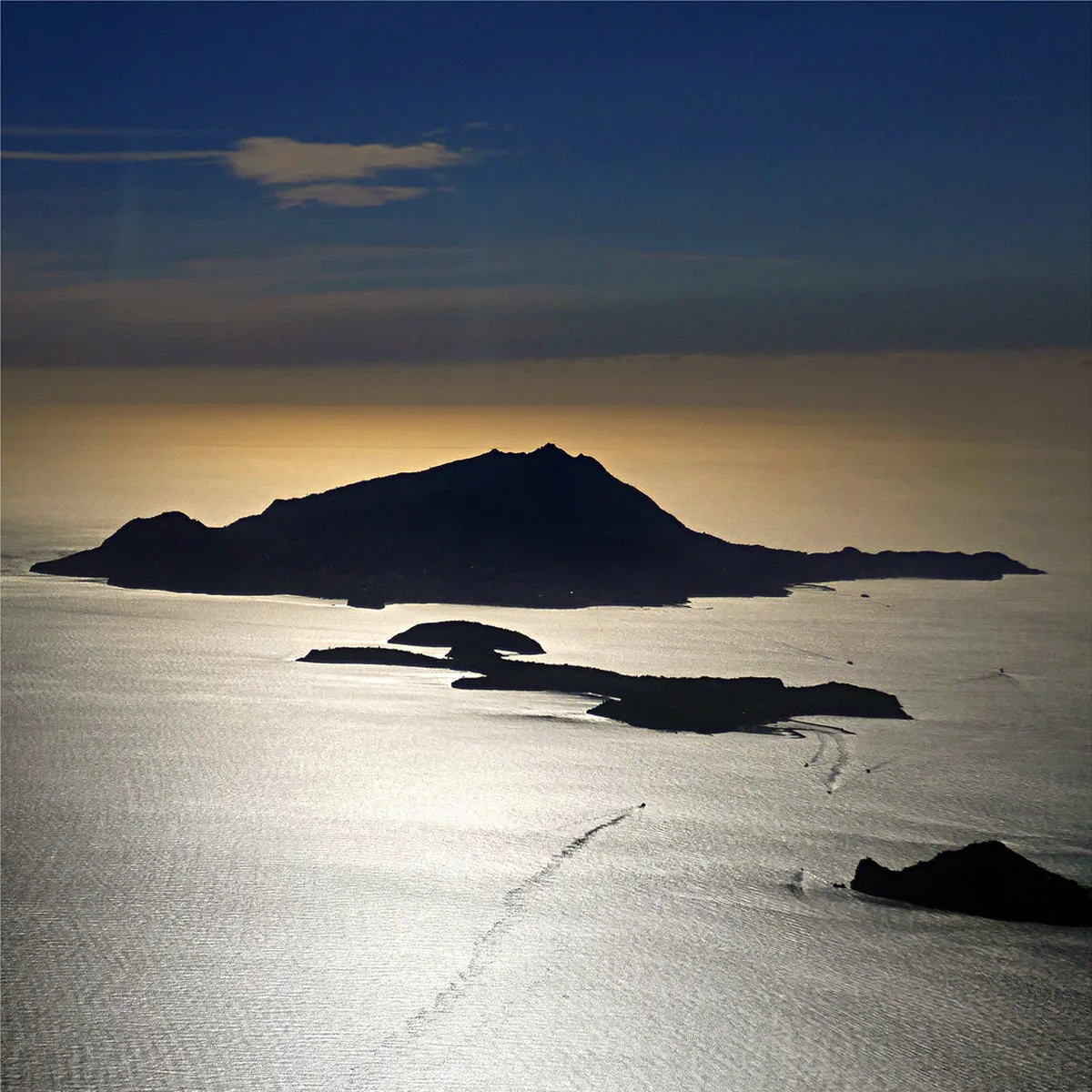
Naples in Italy is the country's food capital by any credible measure — the birthplace of pizza margherita, where a classic pie at a traditional pizzeria along Spaccanapoli runs just €4–8 per person. The city's street food scene is unmatched in Italy: fried pizza fritta costs €2–3 and sfogliatelle pastries run €1.50 at any local bar. Beyond food, Naples anchors one of the most extraordinary day-trip corridors in Europe. Pompeii — the Roman city frozen in time by Vesuvius' 79 AD eruption — is just 30 minutes by Circumvesuviana train from Naples Central (€3.10 each way) and charges €18 adult entry in 2026. Herculaneum, even better preserved than Pompeii, is 20 minutes away and costs €15. The Naples National Archaeological Museum holds the finest collection of Roman artifacts in the world — entry is €15 and free on the first Sunday of each month. Central Naples accommodation averages €70–100 per night, making it notably cheaper than Rome for equivalent quality.
Athens is Greece's cultural powerhouse and the logical entry point for anyone exploring the southern Aegean. The Acropolis charges €20 for adults in standard season, rising to €30 during peak summer 2026 — book online at least a week ahead to avoid queues. The combo ticket covering the Acropolis plus seven other ancient sites costs €30 and represents exceptional value spread over two days. The Plaka neighborhood beneath the Acropolis is home to dozens of traditional tavernas where a full dinner with house wine runs €10–15 per person — among the best value restaurant eating in any European capital. Athens by night is a revelation: the Monastiraki flea market area buzzes until midnight, and rooftop bars across Psyrri offer Acropolis views for the price of a €6 beer. Crucially, Athens functions as the primary ferry hub for the Greek islands — daily high-speed ferries to Santorini (4.5 hrs, €60–80), Mykonos (2.5 hrs, €55–70), and Crete (7–9 hrs, €35–55) make the city an essential gateway for island-hopping in 2026.
For travelers working with a Europe on a budget approach, Naples and Athens deliver the highest cultural return per euro spent in the entire region. Both cities reward curious travelers who look beyond the Instagram-famous sights to find neighborhoods, markets, and tavernas that feel genuinely local.
Essential Planning Advice for a Smooth Southern Journey
Logistics in Southern Europe have improved greatly with the expansion of high-speed rail networks across Spain and Italy. Trains like the Renfe AVE in Spain and Italo or Frecciarossa in Italy connect major cities in just 2–3 hours at speeds over 300 km/h. Madrid to Barcelona takes 2h 30min from €25 booked 30+ days ahead; Rome to Florence is just 1h 30min from €19 on Italo. Book train tickets at least four weeks in advance to secure the lowest promotional fares — prices rise sharply in the two weeks before departure, particularly over Easter and Italian school holidays in June.
Safety is generally high in these cities, but crowded tourist areas are often targets for petty theft and pickpockets. Keep your belongings in a secure cross-body bag and remain aware of your surroundings in busy metro stations such as Las Ramblas in Barcelona or the Roma Termini area. Most locals are very helpful, so do not hesitate to ask for directions if you find yourself lost in a maze of streets.
Learning a few basic phrases in the local language will greatly enhance your interactions with shopkeepers and restaurant staff. Even a simple greeting or a thank you in Spanish or Italian goes a long way in showing respect for the local culture. Many younger people in major cities speak excellent English, but this is less common in smaller towns and rural areas — particularly in rural Portugal and Albania.
Always carry some cash, as smaller cafes and traditional markets may not accept credit cards for low-value purchases. ATMs are widely available, but use those located inside bank branches to avoid high fees and potential skimming devices. Check for local holidays before you travel — Spain's Semana Santa (Holy Week before Easter), Italy's Ferragosto (August 15th), and Greece's Orthodox Easter involve widespread business closures and significantly higher accommodation prices. Booking accommodation 8–12 weeks ahead for any travel between June and September 2026 is strongly advised across the entire region. Use the Europe rail pass guide to evaluate whether a multi-country rail pass saves money versus point-to-point tickets for your specific route.
Frequently Asked Questions
What is the best time to visit Southern Europe?
The ideal time to visit Southern Europe is during the shoulder seasons: April to June and September to October. Temperatures sit between 18–26°C, accommodation costs drop 20–40% compared to July and August, and major attractions have shorter queues and easier ticket availability. Summer months above 35°C make midday sightseeing uncomfortable in inland cities like Madrid and Rome. Winter (December–February) is viable for Lisbon and parts of Spain but too cold for Greek islands and Adriatic beaches.
Is Southern Europe expensive for travelers?
Costs vary significantly by country and city. Western capitals like Rome and Barcelona cost €80–150 per day all-in for a mid-range traveler. Lisbon offers the best value among western European capitals at €70–100 per day. The Balkans — Split, Tirana, Kotor — average €40–70 per day including accommodation, meals, and transport. In every city, eating at local markets and booking attractions online in advance are the two biggest ways to reduce costs.
How do I travel between cities in the south?
High-speed trains are the most efficient way to travel between major cities in Spain and Italy. Madrid to Barcelona takes 2h 30min from €25 booked early; Rome to Florence is 1h 30min from €19 on Italo. Regional buses are a reliable and affordable option in the Balkans and Portugal — FlixBus and regional coaches connect Dubrovnik, Kotor, Tirana, and Thessaloniki for €8–20. Low-cost airlines (Ryanair, Wizz Air, easyJet) cover longer routes like Athens to Barcelona for €30–60 when booked 6–8 weeks ahead.
Do I need to book attractions in advance?
Yes, booking tickets for major landmarks in advance is essential for a 2026 trip. The Colosseum in Rome, Vatican Museums, Sagrada Família in Barcelona, and the Alhambra in Granada routinely sell out 4–6 weeks ahead during peak season. The Acropolis in Athens should be booked at least one week ahead in summer. Online booking almost always guarantees a lower price and skips the ticket queue — which at the Colosseum can exceed 90 minutes in July and August.
Which city in Southern Europe is cheapest to visit?
Tirana, Albania, is the cheapest capital city to visit in Southern Europe in 2026, with all-in daily costs averaging €35–55 per person. A full restaurant meal in Blloku district costs €10–15 with drinks, a central hotel room runs €35–60 per night, and museum entry rarely exceeds €3. Among larger western cities, Lisbon offers the best value at €70–100 per day. Athens and Thessaloniki in Greece are also strong budget options at €55–80 per day for a mid-range traveler, especially outside July and August.
Is it worth visiting Southern Europe in winter?
Winter (December–February) is excellent for visiting cities like Lisbon, Seville, and Malaga, where daytime temperatures stay between 12–18°C and tourist crowds fall dramatically. Accommodation costs drop 30–50% versus summer, and iconic sites like the Alhambra and Jerónimos Monastery have near-zero queues. Rome and Barcelona are cooler but fully open and far less crowded — ideal for museum-focused city breaks. Greek islands and the Croatian coast are largely closed in winter, with most seasonal restaurants and ferries suspended until April.
Southern Europe remains one of the most diverse and rewarding regions in the world for any curious traveler. Whether you prefer the artistic streets of Barcelona, the ancient ruins of Rome, the budget-friendly energy of Tirana, or the ferry-hub gateway of Athens, there is a city that fits your interests and your budget in 2026. Using this best cities in southern Europe guide will help you navigate the unique challenges and joys of the region.
Embrace the slower pace of life and the late-night culture to truly connect with the local atmosphere of each destination. The memories of a sunset over the Mediterranean or a perfect meal in a hidden plaza will stay with you forever. Plan your route using the Europe 2-week itinerary as a framework, and consider the less crowded European cities guide if you want to go beyond the well-worn tourist trail. Start planning your southern escape today to experience the warmth and history of this incredible part of the world.