
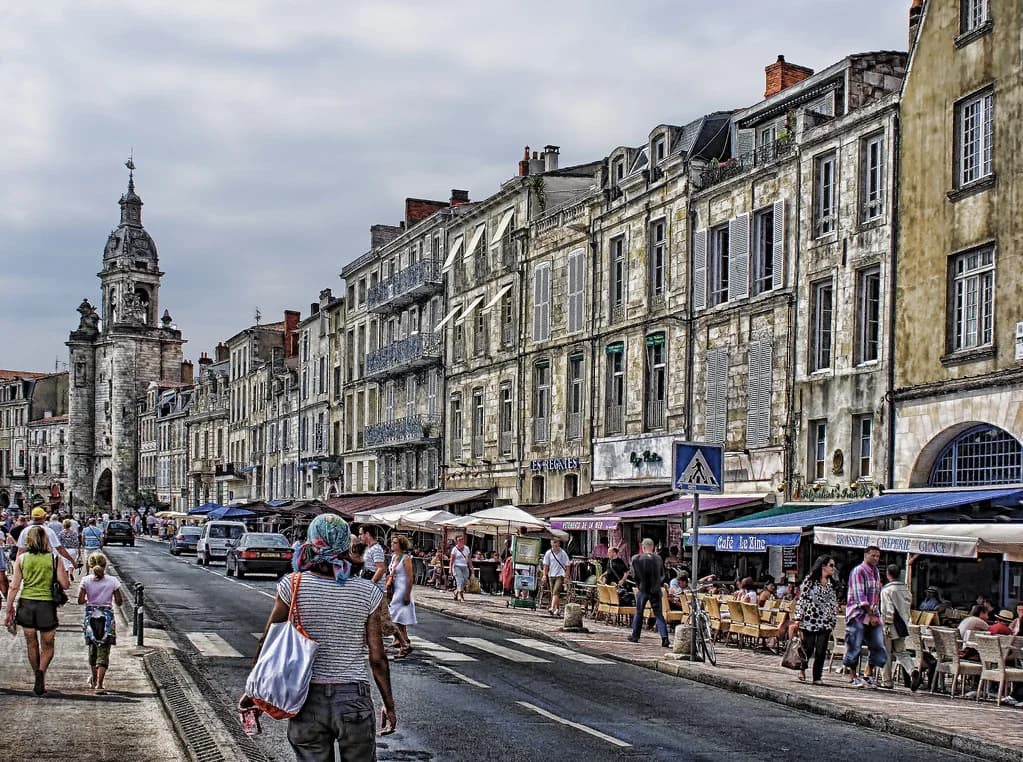
Top Less Crowded European Cities for a Relaxing Escape
Cities like Ljubljana, Wroclaw, and Plovdiv cost 40–60% less than London or Paris in 2026 — accommodation, food, and entry fees all drop significantly the moment you leave the major tourist corridors.
May–June and September are the sweet spots for quiet travel in Europe: crowds thin out, prices fall, and most major attractions remain fully open with same-day access rather than weeks-long pre-booking queues.
European travel often feels like a crowded race through famous landmarks and busy streets. Choosing less crowded European cities allows you to experience authentic culture without the heavy tourist traffic. These hidden gems offer stunning architecture and rich history at a much more relaxed pace. You can enjoy local food and quiet streets while saving money on your next big adventure.
Many travelers stick to the same five capitals every single year. Stepping off the beaten path reveals a side of the continent that most people never see. Smaller cities often provide a warmer welcome and more manageable daily logistics for families. This guide will help you find the perfect peaceful spot for your 2026 vacation plans.
Why Choose Less Crowded European Cities
Visiting quieter destinations reduces the stress often associated with navigating massive international crowds. You will find shorter lines at major museums and easier reservations at popular local restaurants. Most visitors appreciate the ability to take photos without hundreds of strangers in the background. Slower travel allows for deeper connections with the people who actually live in these neighborhoods.

The crowd disparity between Europe's most popular and most overlooked cities is striking in real numbers. Dubrovnik's city walls attract around 5,000 visitors per day during the August peak, while Ljubljana's castle hill sees roughly 400 visitors on its busiest summer days. Venice recorded over 30 million day-trippers annually before the city introduced a €5 entry fee for day-visitors in 2024 — a direct response to infrastructure collapse from overtourism. By contrast, Ljubljana welcomed approximately 2,000 daily visitors at its 2026 summer peak, meaning you can walk the Old Town without shoulder-to-shoulder crowds at virtually any hour.
Budget concerns often drive travelers toward these secondary cities and regional hubs. A central hotel room in Ljubljana runs €80–130 per night in August 2026. The same standard of accommodation in Venice costs €200–350 per night during the same period. In Rome, popular restaurants require reservations two weeks in advance in high season; in Ljubljana or Wroclaw, same-day walk-in tables are the norm, not the exception. That flexibility alone transforms the experience of eating out from a logistical challenge into genuine spontaneity.
Environmental impact is another great reason to seek out less popular urban centers. Overtourism strains the resources and infrastructure of famous cities like Venice or Barcelona. Spreading tourist revenue to smaller towns supports local businesses that truly value your presence. Responsible travelers often find these quiet spots provide the most meaningful memories of their trip. Venice's decision to levy a day-tripper charge signals a wider EU trend toward crowd management; choosing secondary cities sidesteps these fees entirely while delivering comparable historical depth. Explore our best European city breaks guide for a broader shortlist of manageable, crowd-light destinations.
Ljubljana: The Quiet Heart of Slovenia
Slovenia's Ljubljana stands out as one of the most underrated capitals in all of Central Europe. The city center is entirely car-free, making it a dream for pedestrians and cyclists alike. Emerald green water flows through the river that bisects the historic old town area. Cafes line the banks where locals linger over coffee for hours during the sunny afternoons.
The Ljubljana Castle sits high on a wooded hill overlooking the red-tiled rooftops below. A return funicular ticket costs €6 per adult (open daily 9 AM–9 PM in summer); the uphill walk takes around 15 minutes and is free. Inside the castle walls, the basic courtyard is free to enter; museum access costs an additional €10. The Dragon Bridge, one of the city's most photographed landmarks, is always open and completely free. Just across from it, the open-air Plečnik Central Market runs daily from 6 AM to 6 PM (Saturday mornings are the best time to visit for fresh produce, local cheese, and Kranjska klobasa sausage priced at €2–3 per portion).
After dark, the Metelkova autonomous zone — a former barracks converted into a free arts and nightlife complex — comes alive after 10 PM with no cover charge at most venues. Accommodation spans a wide range: central hotels from €70 per night, hostels from €18 per night. A sit-down restaurant meal in the Old Town runs €12–20 per person including a local beer. Slovenia's capital delivers a complete city-break experience at roughly half the cost of Vienna or Zurich. It is also an excellent base for day trips into the Julian Alps, Bled, and the Soča Valley. See our best cities in Eastern Europe guide for more affordable alternatives across the region.
Tivoli Park offers a massive green space just steps away from the busy shopping streets. Art galleries and small museums dot the perimeter of the park for easy access. Most attractions are within a fifteen-minute walk of each other in the compact center. Plan to spend at least three days here to fully soak in the relaxed atmosphere.
Wroclaw: A Polish Gem Without the Crowds
Wroclaw features a stunning market square that rivals the more famous Rynek Główny in Krakow. Colorful townhouses surround the central area, which stays lively but rarely feels overwhelming even in peak summer. The city is built on several islands connected by over one hundred charming bridges, earning it the nickname "the Venice of Poland" — without the entry fees or the crowds.
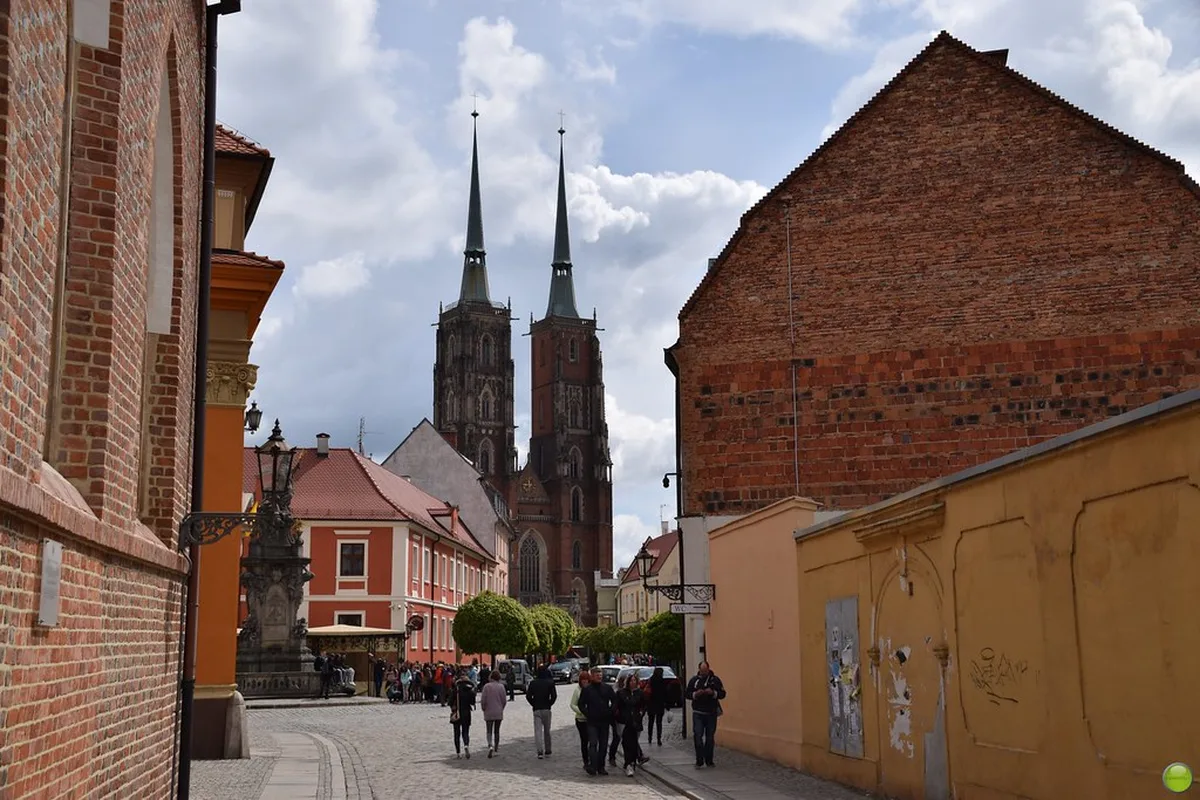
Dining out in Wroclaw remains remarkably affordable. Main market square restaurants serve traditional żurek (sour rye soup) for around €4 and a plate of pierogi for €5–8. The National Museum (Muzeum Narodowe) charges just 15 PLN (approximately €3.50) for entry. Cathedral Island — Ostrów Tumski — is free to walk and remains one of the most atmospheric mediaeval districts in Central Europe, particularly at dusk when the gas lamps are lit by hand each evening.
Children and adults enjoy hunting for the hundreds of small bronze dwarves (krasnale) hidden across the city on pavements, walls, and bridges. A printed map to locate them is available from the tourist office for 5 PLN (roughly €1.20). The activity turns the entire city into a walking tour without feeling like one. Pub crawls along Świdnicka Street are lively but far more affordable than similar evenings in Berlin or Prague. Budget flights from London to Wroclaw Airport start from €25 on Ryanair and Wizz Air; the train from Warsaw takes 1 hour 45 minutes via PKP Intercity (from 79 PLN / ~€18). Hostels start at €12–20 per night, making Wroclaw one of the best cities in Europe for budget travel in 2026.
Utrecht: The Local Dutch Experience
Utrecht offers the classic Dutch canal experience without the massive tour groups of Amsterdam. The canals here are unique because they feature lower-level wharves right at the water's edge. These former warehouses now serve as trendy cafes and private homes with beautiful terraces. Walking along these lower paths feels like discovering a secret world beneath the city streets — something Amsterdam's Prinsengracht simply cannot replicate.
The Dom Tower is the tallest church tower in the Netherlands at 112 metres, dominating the city skyline. Guided tours are required for the 465-step climb and cost €12 per adult; book tickets online at the Utrecht tourism website to secure your preferred time slot (tours run daily 10 AM–5 PM). The Speelklok Museum of mechanical music — a genuinely charming collection of self-playing instruments including fairground organs — costs €15 per adult and is open Tuesday to Sunday 10 AM–5 PM. Canal cruises along the Oudegracht start at €15 per adult and depart hourly in summer. Accommodation is competitive: central hotels from €80–100 per night, significantly below Amsterdam equivalents.
Getting here is simple: Utrecht Centraal is 30 minutes by direct NS intercity train from Amsterdam Centraal (€8–10 single, trains every 15 minutes throughout the day), making it an easy day trip or a much quieter overnight base for exploring Holland. The city center is small enough to cover entirely on foot or by rented bicycle (available from €7/day at multiple Centraal Station outlets). You will find a much more authentic local vibe in the markets, independent shops, and student-run cafes that line the Twijnstraat and Voorstraat. Utrecht's student population — the largest in the Netherlands — keeps prices low and the cultural calendar full year-round. For broader Dutch and Benelux options, see our best cities in southern Europe guide for complementary warm-weather alternatives.
Plovdiv: Ancient History in Bulgaria
Plovdiv is one of the oldest continuously inhabited cities in the entire world, with a settlement history stretching back over 8,000 years. The Roman amphitheater — built in the second century AD and still used today for opera performances and concerts under the stars — is free to view from the exterior and accessible year-round. Walking through the Old Town feels like stepping back into the nineteenth century: brightly painted National Revival mansions line cobblestone streets that have changed little since the Bulgarian Renaissance period.
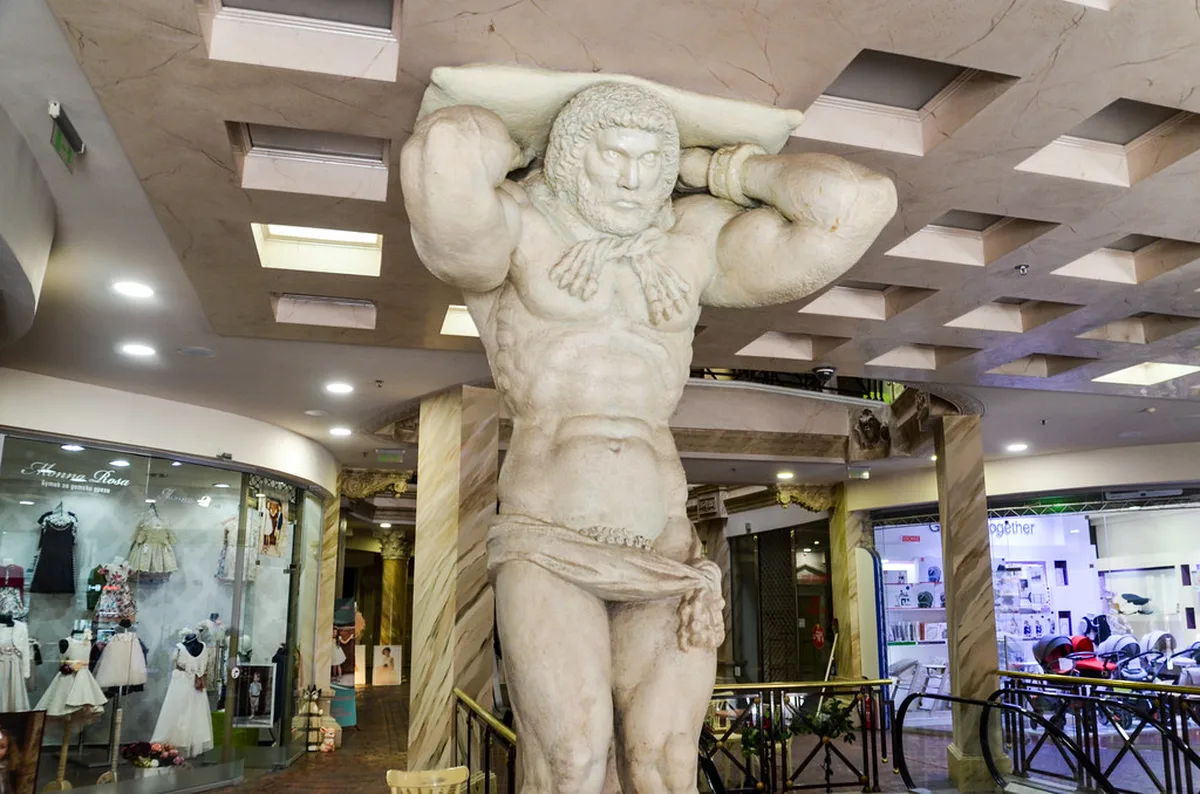
Specific entry prices make budgeting easy. The Ethnographic Museum in the Old Town charges €5 per adult (open Tuesday–Sunday 9 AM–6 PM). The National Art Gallery costs €3 per adult. A pint of local craft beer in the Kapana Creative District runs €2–3. A full daily budget — accommodation, three meals, transport, and two or three museum entries — comes in at €25–40 per person, making Plovdiv one of the most affordable city breaks in Europe for 2026. Hostel beds start at €10–15 per night; small guesthouses in the Old Town from €30–50. Flights from London arrive via Sofia; budget fares start at €40–70 return. The regional bus from Sofia Airport to Plovdiv costs approximately €10 and takes around two hours.
Summer temperatures regularly exceed 35°C, so May–June and September–October are the most comfortable times to visit. The Kapana district's pedestrian streets fill with galleries, craft beer bars, and specialty coffee shops that stay open late even outside peak season. Old Town antique shops are worth browsing for handmade ceramics, rose-oil products, and traditional Bulgarian textiles at prices that undercut similar goods in Sofia's tourist shops. Local buses are cheap and reliable for reaching the nearby Rhodope Mountains for day hiking. For context on Plovdiv within a broader Balkan itinerary, see our two-week Balkans travel itinerary.
- Ancient Roman Stadium
- Type: Archaeological site
- Best for: History buffs
- Where: City center
- Cost: Free access
- Kapana Creative District
- Type: Arts neighborhood
- Best for: Nightlife and craft beer
- Where: Near Old Town
- Cost: Free walking; beer from €2
- Ethnographic Museum
- Type: Cultural museum
- Best for: Architecture and local history
- Where: Old Town
- Cost: €5/adult
How to Find Quiet European Destinations
Finding less crowded European cities requires a shift in how you research your travel plans. Start by looking at the second or third largest cities in a country instead of the capital. These locations usually have the same cultural richness but far fewer international marketing campaigns. You will often find that the local infrastructure is just as good as the major hubs.
Several free tools make this research fast and reliable. Google Trends lets you compare destination search volumes side by side — type "Ljubljana" versus "Prague" and the interest gap becomes immediately visible, which correlates roughly with tourism pressure. FlightRadar24 or Google Flights reveals which smaller airports (Wroclaw, Plovdiv, Maastricht-Aachen) receive far fewer direct international routes than hubs like Amsterdam or Rome; fewer routes usually means fewer mass-market tour groups. Nomadlist.com provides cost-of-living and quality-of-life scores for hundreds of cities worldwide, with filterable data on internet speed, safety, and monthly living costs that translate directly into travel-day budgets.
Cruise ship schedules are a surprisingly reliable crowd indicator. Ports listed on Cruisemapper.com receive thousands of day-trippers from docked ships who flood specific old towns between 9 AM and 5 PM. Cities without a cruise terminal — Utrecht, Wroclaw, Plovdiv — avoid this predictable surge entirely. Finally, checking school holiday calendars per country (not just your own) helps avoid domestic crowd peaks: German school holidays in Bavaria differ from those in Berlin, and French summer holidays run later than British ones. A little extra research leads to a much more peaceful and rewarding travel experience. Pair this approach with our best time to visit Europe by month guide for month-specific crowd and weather data.
Maastricht, Ghent, and Tallinn: Three Hidden Gems for 2026
Three cities consistently appear in competitor research as underrated but increasingly well-regarded alternatives to Western Europe's most congested destinations. All three are easy to reach, genuinely affordable, and rich in architecture and food culture that rewards unhurried exploration.
Maastricht, Netherlands sits at the southern tip of the country, closer to Brussels and Cologne than to Amsterdam, and receives only a fraction of Amsterdam's tourist footfall despite comparable cultural depth. The Vrijthof square — flanked by two churches and a row of grand café terraces — is the relaxed heart of the city. The Dominican Bookshop, housed in a thirteenth-century Gothic church with a stunning interior reading gallery, charges €5 entry and is consistently voted one of the world's most beautiful bookshops. A daily budget of €60–90 covers accommodation, meals, and attractions comfortably. Trains from Amsterdam run in 2 hours 25 minutes for around €20 single via NS direct service. Crucially, Maastricht has no cruise ship terminal and sits well off the main tour-bus routes — the Vrijthof at midday in August is busy but walkable, a contrast to Amsterdam's Dam Square which can be effectively impassable.
Belgium's Ghent is arguably the best-kept secret in the Benelux. The Graslei waterfront — a row of mediaeval guild houses reflected in the Leie canal — is free to walk and photograph at any time. The Ghent Altarpiece (the Van Eyck brothers' masterpiece) is housed in St Bavo's Cathedral and costs €16 per adult to view in its dedicated chapel (open Monday–Saturday 10 AM–5 PM, Sunday 1 PM–5 PM). Gravensteen Castle, the twelfth-century fortress in the city centre, costs €12 per adult; canal boat tours depart from the Graslei for €10 per person. Hostel beds start at €20–30 per night; central hotels from €80. Ghent is just 30 minutes from Brussels by train (€6 single, trains every 30 minutes on the IC network), making it viable as a day trip but far better as an overnight stay when the day-trippers leave and the city reverts to its relaxed student character.
Estonia's Tallinn offers Europe's best-preserved medieval Old Town — a UNESCO World Heritage Site — at prices that belong to a different decade compared to Western Europe. The Kiek in de Kök fortification museum (a fifteenth-century cannon tower with tunnels beneath the city walls) costs €10 per adult and is open Tuesday–Sunday 10 AM–6 PM. The Tallinn Card (24 hours, €35) covers entry to over 40 museums, unlimited public transport, and a free city bus tour — exceptional value for a packed first day. Accommodation ranges from €25 per night in well-reviewed hostels to €60 per night for central boutique hotels. Ryanair flies London Stansted to Tallinn from approximately €20 one-way when booked 4–6 weeks ahead. The Old Town's cobblestone streets, Gothic town hall, and panoramic viewing platforms from Toompea Hill are free to explore at any time. Tallinn rewards early risers: the medieval streets before 9 AM are almost entirely yours. For broader Baltic and Eastern European context, see our best cities in Eastern Europe guide.
Frequently Asked Questions
Are less crowded European cities safe for solo travelers?
Yes, these cities are generally very safe for solo travelers and often have lower crime rates than major hubs. Ljubljana, Utrecht, Ghent, and Tallinn consistently rank among Europe's safest cities by EU crime index data. You should still take standard precautions with your belongings in public spaces. Most residents are helpful and the slower pace makes it easier to stay aware of your surroundings. Solo female travelers in particular report feeling more comfortable in these smaller cities than in Barcelona or Rome during peak season.
Do people speak English in smaller European cities?
English is widely spoken among younger generations and staff in the hospitality industry across Europe. You might find less English in very rural areas, but city centers are usually easy to navigate. In Tallinn, Wroclaw, Ljubljana, and Ghent, restaurant menus and museum signage are routinely available in English. Learning a few basic phrases in the local language is always appreciated by the residents and often leads to warmer interactions.
Is it cheaper to visit less popular cities in Europe?
Visiting less popular cities is significantly cheaper for accommodation, dining, and local attractions. Cities like Ljubljana, Wroclaw, and Plovdiv cost 40–60% less than London or Paris for a comparable standard of hotel room and restaurant meal. In Plovdiv, a full day budget including hostel, three meals, and museum entry comes in at €25–40. In Wroclaw, a central hotel room costs €50–80 per night versus €150–250 for the same quality in Amsterdam. Your travel budget lasts measurably longer, which often allows an extra day or two on the ground.
When is the best time to visit these quiet destinations?
The shoulder seasons of May–June and September offer the best balance of good weather and low crowd levels for less-visited European cities in 2026. Temperatures are warm enough for outdoor dining and walking tours, most attractions are fully open, and hotel prices drop 20–40% compared to July–August. October remains viable in southern cities like Plovdiv (average 18°C) but brings shorter daylight hours further north. Avoid the last two weeks of July and the first two weeks of August if crowd avoidance is your priority, as this is when domestic European holidays peak across France, Germany, and the Netherlands simultaneously.
What is the least crowded city in Western Europe?
Among accessible Western European cities with genuine cultural depth, Maastricht in the southern Netherlands and Ghent in Belgium consistently rank as the least tourist-saturated in 2026. Both cities have no cruise ship terminals, limited direct international flights, and relatively small English-language marketing budgets compared to Amsterdam or Bruges. Maastricht receives roughly 2 million overnight visitors per year versus Amsterdam's 20 million — yet offers comparable architectural beauty and a better restaurant-per-resident ratio. Ghent is often described by visitors as "what Bruges used to be like before it was discovered." For travelers seeking Western Europe without Western Europe's crowds, either city is the strongest recommendation.
Which European hidden gems are best for families?
Wroclaw is the standout family destination among less crowded European cities in 2026. The bronze dwarf (krasnale) treasure hunt across the city is free, educational, and works for children of all ages; a map costs just €1.20 from the tourist office. The Market Hall is lively and inexpensive for snacks. Utrecht suits families with older children: the Dom Tower climb, canal boat tours, and the Speelklok Museum of mechanical music (self-playing instruments) are all genuinely engaging. Ljubljana is an easy family city — the entire center is car-free, the castle hill is manageable for most children on foot, and Tivoli Park provides open space for a break mid-day. All three cities have compact, walkable centers that reduce transport stress significantly compared to sprawling major capitals.
Exploring less crowded European cities provides a refreshing break from the typical tourist circuit. You can discover incredible history and vibrant cultures without the stress of massive crowds. These destinations offer better value for your money and a more authentic connection to local life. Whether you choose Ljubljana's car-free riverside cafes, Wroclaw's gnome-dotted market square, Tallinn's medieval cobblestones, or Ghent's canal waterfront, each city delivers a genuine European experience at a fraction of the cost and congestion of the continent's most marketed destinations. Start planning your quiet 2026 adventure with our two-week Europe itinerary or explore Europe on a budget for cost-saving strategies across the continent.