Ultimate Adriatic Coast Travel Guide for Croatia and Slovenia 2026
The Adriatic Coast in 2026 runs roughly 1,800 km from Slovenia's 46-km shoreline south through Croatia's Dalmatian archipelago to Dubrovnik. Budget €60–120 per day covering accommodation, ferries, and meals.
Both Croatia and Slovenia use the euro (EUR). Croatia joined the Eurozone in January 2023, so there is no currency exchange needed for the full Croatian-Slovenian coastal route.
The Adriatic Coast offers a stunning blend of crystal-clear waters and ancient stone cities. Travelers often start their journey in Slovenia's compact northwest corner before heading south toward the sun-drenched Croatian islands. Planning a trip across Croatia and Slovenia requires a balance of coastal relaxation and historical exploration. This guide covers every major stop, 2026 prices, distances between destinations, and transport options to help you build a seamless itinerary along one of Europe's most celebrated shores.
Slovenia's Boutique Coastline: Piran and Portorož
Slovenia may have only a 46-km coastline, but every kilometre is packed with charm and centuries of Venetian history. The town of Piran stands out as the star attraction — a narrow peninsula jutting into the Gulf of Trieste where medieval walls, Gothic bell towers, and pastel-painted fishermen's houses crowd together in picturesque disarray. The Tartini Square at the heart of Piran is one of the finest examples of Venetian civic architecture outside Venice itself, and entry is completely free. Visitors can walk a section of the medieval town walls for a panoramic view of the Adriatic and, on a clear day, the Italian coast across the water.
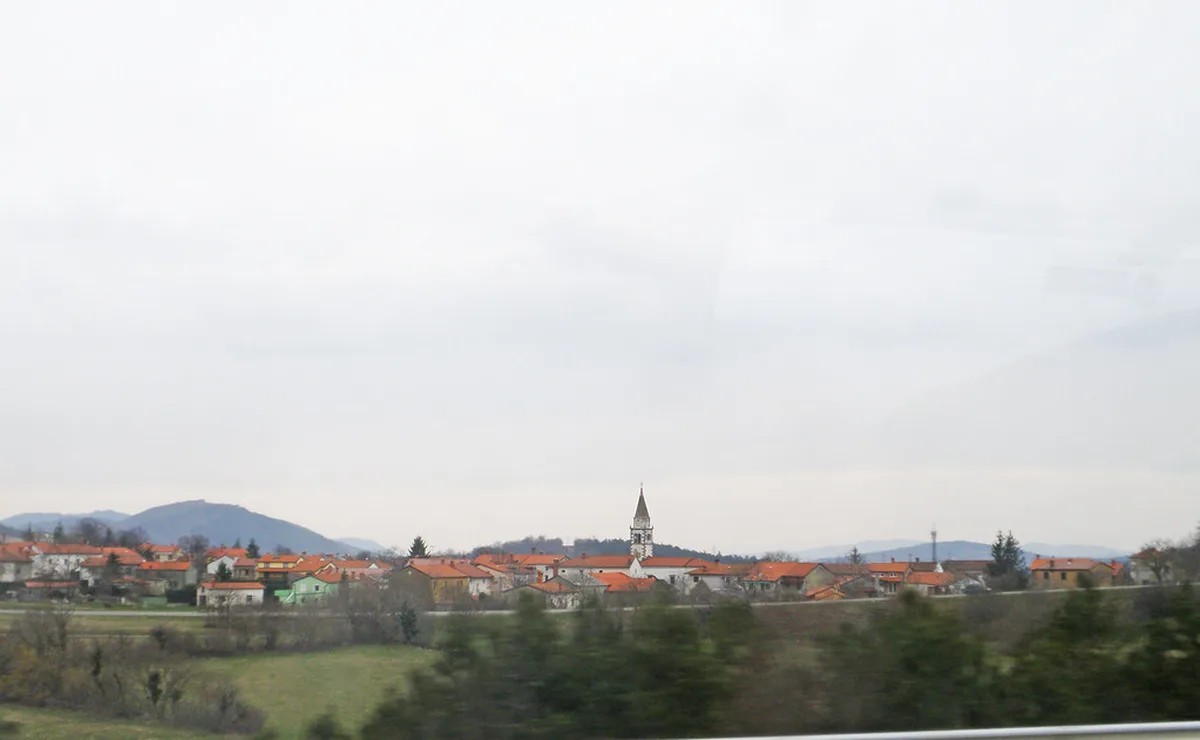
Just 3 km south by local bus (€1.20, runs every 15–20 minutes), the resort town of Portorož offers a completely different atmosphere. Wide sandy beaches, thalassotherapy spas, and a promenade lined with cafés and hotels cater to visitors seeking relaxation alongside culture. Day spa packages at the Grand Hotel Portorož start around €60 per person in 2026. The beaches here are among the most accessible on the Slovenian coast, with sunbed hire at roughly €8 per day.
Nature enthusiasts should allocate a half-day to the Sečovlje Salina Nature Park, located 7 km southeast of Piran along the Slovenian-Croatian border. Traditional salt harvesting has continued here for over 700 years, and the protected wetlands attract more than 280 bird species. The museum within the Lera salt pan documents the industry's history. Entry tickets cost €7 for adults (€4 children) in 2026. The park is reachable by bicycle along a flat coastal path, making it a pleasant 30-minute ride from Piran.
Getting to Slovenia's coast from Ljubljana is straightforward. Arriva buses run approximately every two hours from Ljubljana Bus Station to Koper (€8.50, 1 hr 40 min), with onward connections to Piran (€3, 30 min). Driving from Ljubljana takes around 1 hour 30 minutes via the A1 motorway; the Slovenian vignette costs €15 for a week. From Trieste airport in Italy, the coast is only 30 km — a taxi costs around €35 and takes 25 minutes. Plan two to three nights in Piran if you want to fully explore both the town and its surroundings without rushing.
- Tartini Square, Piran — Central Venetian plaza, pedestrian only, free access, best for photography and evening aperitivo
- Sečovlje Salina Nature Park — Nature reserve on the border, salt pans tour ~2 hours, entry €7 adults
- Portorož Beach — 1.2 km sandy shoreline, sunbeds €8/day, suitable for families
- Piran Medieval Walls — Partial circuit walkable, views of Gulf of Trieste, free
Northern Croatia: The Roman Legacy of Istria
Istria is the northernmost and most Italian-flavoured region of Croatia's coast, shaped by centuries of Venetian and Habsburg rule. The peninsula's two headline cities sit 40 km apart by road: Pula in the south and Rovinj in the northwest. Between them lies a patchwork of truffle-hunting villages, olive groves, and vineyards that produce some of Croatia's finest Malvazija white wine.
Pula's Roman amphitheatre is the sixth-largest in the world and one of the best-preserved. Built in the 1st century AD to seat 23,000 spectators, the arena still hosts summer concerts today. Entry in 2026 costs €10 for adults (€5 for children under 12). Beyond the arena, the Temple of Augustus in the Forum square, the Arch of the Sergii, and the ancient city walls are all explorable on foot in a half-day. The forum area is lined with café terraces where you can sit and contemplate two millennia of history over a €3 coffee.
Rovinj, 40 km north of Pula (35 min by bus, €4 one-way), is widely regarded as the most romantic town on the Istrian coast. Its old town occupies a compact island-like promontory connected to the mainland, and narrow cobblestone streets wind upward toward the baroque Church of St. Euphemia (admission free, bell tower €2). The church's 60-metre campanile is modelled on the one in Venice's St. Mark's Square. Arrive before 9:00 AM to walk the labyrinthine alleyways in quiet morning light before day-trippers from cruise ships arrive. The island of St. Catherine (Sveta Katarina), a 5-minute boat transfer from the harbour (€4 return), offers pine-shaded beaches away from the crowds.
The inland hill towns are the hidden culinary treasure of Istria. Motovun, perched 277 metres above the Mirna River valley and reachable in 45 minutes from Rovinj by car or taxi, is the epicentre of Croatia's truffle industry. White truffles found here in autumn rival those of Périgord and Alba. Many restaurants in Motovun and the nearby village of Buzet serve hand-rolled pasta with local truffles; expect to pay €20–35 for a truffle-based main course. The Zigante truffle shop in Livade village sells preserved truffles and truffle oils at fixed prices, useful for gifts.
Coastal ferries operated by Jadrolinija connect Istrian ports to the Kvarner islands and Dalmatia during May–October. High-speed catamarans from Pula reach Zadar in approximately 2 hours 45 minutes for around €30. From Rovinj, seasonal catamarans serve Venice in 3 hours (€55–65 one-way). Renting a car in Istria gives the greatest freedom: the peninsula is about 90 km from tip to tip, and country roads connecting the interior villages are in excellent condition. Petrol in Croatia averages €1.62/litre in 2026.
Kvarner Gulf: A Bridge Between North and South
Between Istria and Dalmatia lies the Kvarner Gulf, an often-overlooked stretch of coastline that rewards travellers who take the time to explore it. The gateway city is Rijeka (90 km from Rovinj, 1 hr 20 min by bus, €9 one-way), Croatia's third-largest city and a working port with a lively café culture and an impressive Art Nouveau and Secessionist architectural heritage along the Korzo promenade. Rijeka lacks the polished tourist sheen of Dubrovnik, but that is precisely its appeal: restaurants here serve local food at local prices, with a full grilled-fish lunch running €12–18.
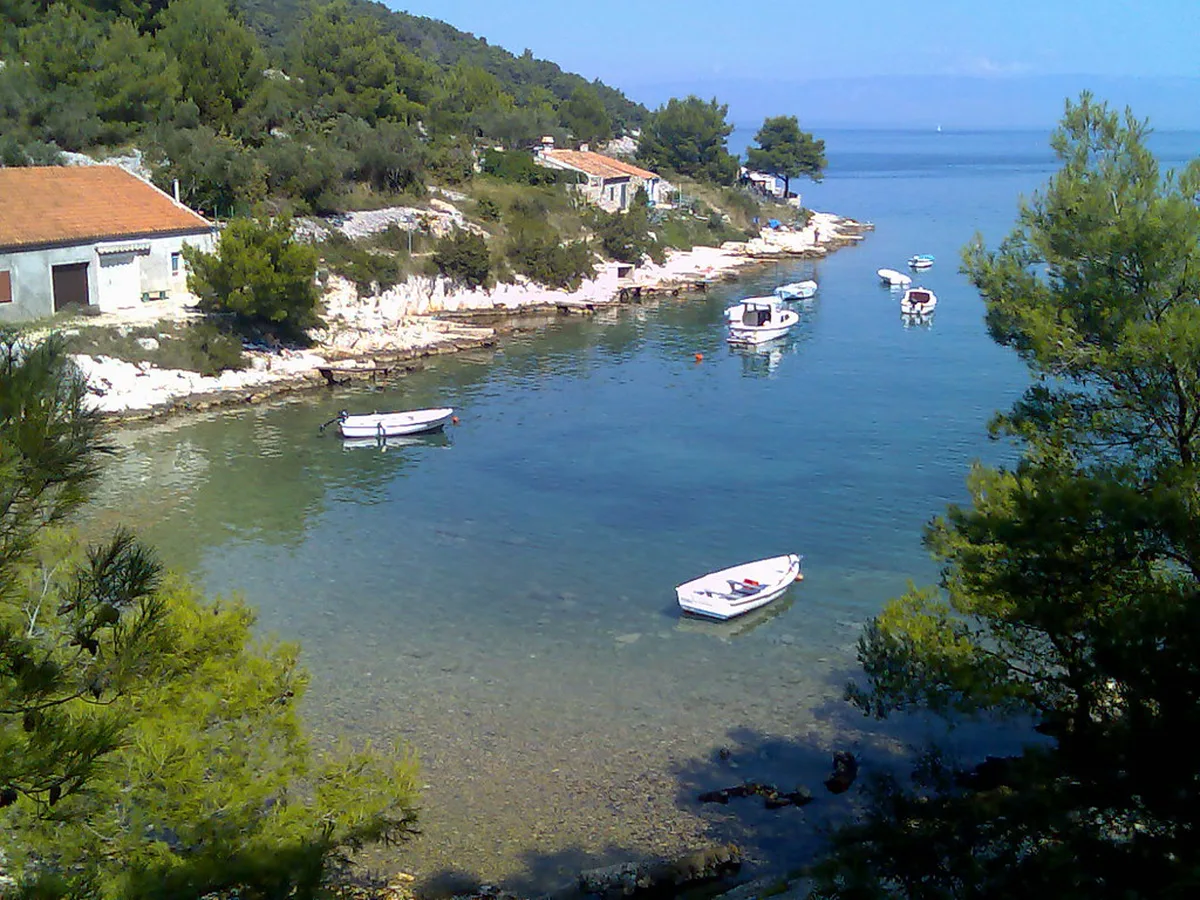
The Kvarner islands are among Croatia's most accessible. Krk island is connected to the mainland by a road bridge (no ferry needed), making it easy to visit by bus or rental car. The walled medieval town of Krk Town has a Roman mosaic floor visible inside the cathedral (entry free with church donation). Losinj island, reached by a 2-hour catamaran from Rijeka (€14 one-way), is marketed for its mild microclimate and is popular with families. The Mali Lošinj seafront promenade is lined with Austro-Hungarian villas converted into hotels and apartments.
Rab island is one of the Kvarner's most beautiful and historically significant destinations. The town of Rab, with four Romanesque bell towers rising above its old town, is reachable by catamaran from Rijeka (2 hr 30 min, €18 one-way) or by car ferry from Jablanac on the mainland (15 min, €8 per car + €3 per passenger). The Forkada beach on Rab's Lopar peninsula is regularly listed among Croatia's best sandy beaches. In 2026, accommodation in Rab's old town averages €70–110 per night for a double room in a guesthouse.
The coastal road through the Kvarner, the D8 (also called the Jadranska Magistrala or Adriatic Highway), offers spectacular cliff-top driving with the sea below and the karst mountains of the Velebit range rising to the east. The section between Senj and Karlobag is particularly dramatic, with several pull-off viewpoints. Allow an extra half-day if driving this route rather than taking the inland A1 motorway. Total distance from Rijeka to Zadar via the coastal road is approximately 250 km (3 hr 30 min without stops).
Central Dalmatia: Split and the Island Hops
Split, the largest city on the Croatian coast with a population of around 180,000, serves as the bustling transport hub for central Dalmatia and the most practical base for island-hopping. The city is built directly around and inside the walls of Diocletian's Palace, a 4th-century Roman emperor's retirement fortress covering 31,000 square metres. Unlike most archaeological sites, Diocletian's Palace is a living neighbourhood: people hang laundry from ancient columns, café tables crowd the peristyle, and a cathedral occupies what was once the emperor's mausoleum. Entry to the palace precincts is free; the cathedral treasury costs €5.
The Riva promenade, a broad marble waterfront immediately south of the palace, is the best place to sit with a coffee (€2–3 at local cafés) and watch ferries pull in and out of the adjacent terminal. Split's ferry terminal is Croatia's busiest, with departures around the clock to islands throughout central Dalmatia. In 2026, a one-way catamaran ticket to Hvar Town costs €20–25 in peak season and takes 1 hour. The slower car ferry to Stari Grad on Hvar island is cheaper at €11 per passenger but takes 2 hours. The car ferry to Brač (Supetar) costs €7 per passenger and crosses in 50 minutes — ideal for a day trip.
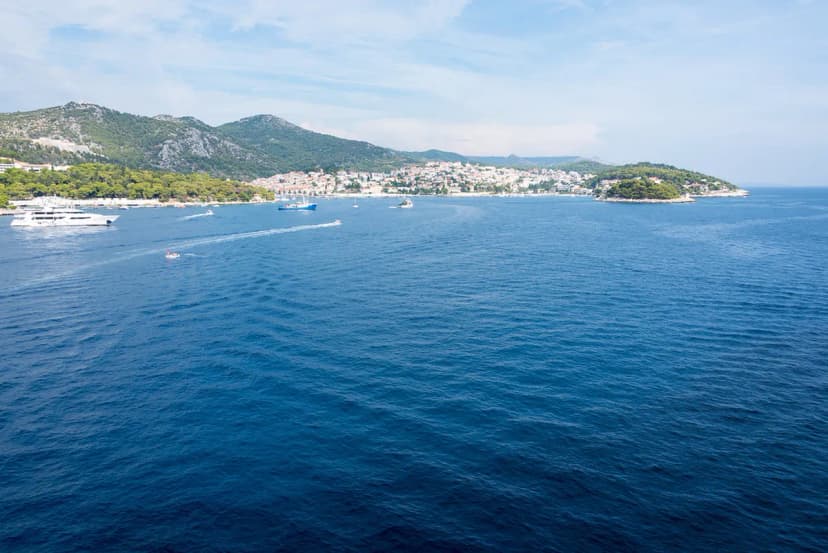
Hvar Town itself is Croatia's most fashionable island destination, mixing a 13th-century Venetian arsenal, Renaissance theatre (the oldest in Central Europe), and fortress walls with yacht-filled harbours and rooftop cocktail bars. Budget travellers should note that Hvar commands premium prices: a waterfront restaurant meal runs €20–35 per person, while a budget apartment costs €80–120 per night in July–August. The hilltop Spanish Fortress (Fortica) above the town offers sweeping views of the Pakleni islands and costs €5 to enter. For quieter beaches, rent a water taxi to the Pakleni islets (€8–12 return, shared boat).
Zadar, 160 km north of Split (2 hr by bus, €13–17 one-way), is worth including in a central Dalmatia itinerary for two unique attractions: the Sea Organ, which uses wave energy to produce musical tones through 35 pipes built into marble steps, and the Greeting to the Sun, a circular solar-powered light installation. Both are free to experience on the waterfront. Zadar's old town also contains seven Roman-era columns and three well-preserved medieval churches. The Plitvice Lakes National Park, one of Croatia's top inland attractions, is 133 km east of Zadar (about 2 hours by car) and charges €20–40 per person depending on season (the highest rates apply June–August). Book Plitvice entry tickets online at least a week in advance in summer; it sells out.
Local markets in Split offer fresh produce, olives, and lavender products from Hvar at prices well below souvenir shops. The Central Market (Pazar) opens daily from 6:30 AM and is at its liveliest before 9:00 AM. A bag of fresh figs costs €2–3 and dried lavender sachets €1–2. Shopping here is an affordable way to stock up on local flavours before heading to the islands.
Southern Dalmatia: Dubrovnik and the Islands
Dubrovnik, often called the Pearl of the Adriatic, sits at the southern tip of Croatia's coastline and regularly tops lists of Europe's most beautiful cities. Its medieval old town — entirely enclosed by 2-km-long limestone walls — is a UNESCO World Heritage Site and one of the most visited destinations on the entire Adriatic. Walking the full circuit of the city walls provides unmatched views of terracotta rooftops, blue sea, and rocky coastline below. Tickets in 2026 cost €35 per adult, valid for the day of purchase only. Arrive when the gates open at 8:00 AM to walk the walls before temperatures and crowds peak.
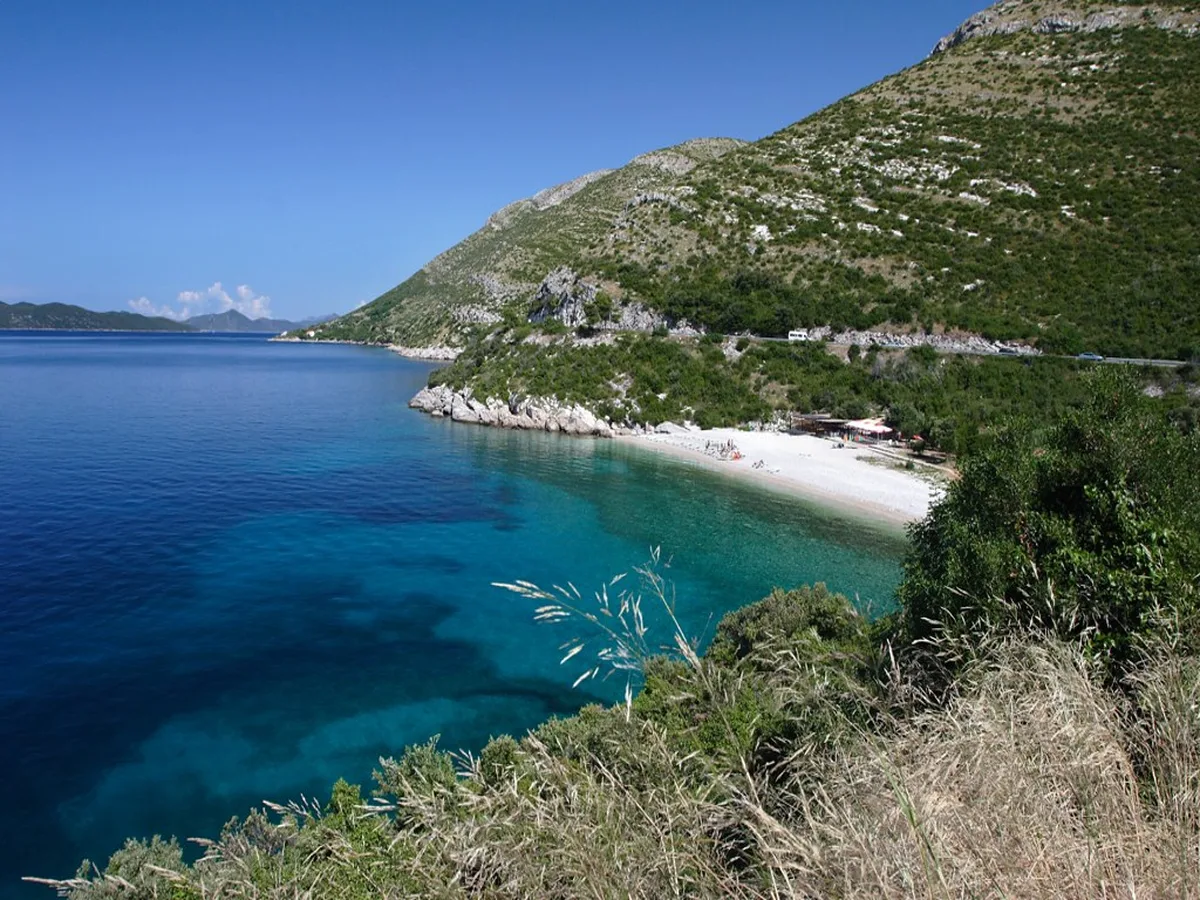
There are numerous activities in Dubrovnik beyond the famous walls. The cable car to the 412-metre summit of Mount Srđ takes less than 4 minutes and costs €27 return in 2026. From the top, the panorama encompasses the old town, the Elaphiti Islands to the northwest, and the Montenegrin mountains to the southeast on a clear day. The Homeland War Museum at the summit is included in the cable car ticket. Back in the old town, the Franciscan Monastery pharmacy — one of the oldest continuously operating pharmacies in Europe, founded in 1317 — charges €6 entry and displays medieval apothecary equipment.
Lokrum Island, a 10-minute boat shuttle from the Old Harbor (€6 return, runs every 30 minutes May–October), is a protected nature reserve featuring a botanical garden, wild peacocks, Benedictine monastery ruins, and a small saltwater lake called the Dead Sea where freshwater springs keep the water slightly warmer than the open sea. Lokrum is particularly valuable as a mid-day retreat when the old town's narrow streets become overwhelmed by cruise passengers. The island prohibits overnight stays.
The Elaphiti Islands north of Dubrovnik form a quieter day-trip or overnight alternative. Lopud, 50 minutes by ferry from Dubrovnik's Gruž port (€5 one-way), has a car-free environment and Šunj beach, one of the few sandy beaches in the Dubrovnik area. Mljet island, further north (2 hr by catamaran, €18 one-way), contains a national park with two saltwater lakes connected by a channel; park entry is €20 and includes boat access to the island monastery. A ferry from Dubrovnik to Hvar stops at Korčula island (2 hr 30 min, €17 one-way), a walled medieval town believed by some to be Marco Polo's birthplace.
Accommodation in Dubrovnik commands the highest prices on the Croatian coast. A mid-range double room inside or near the old town runs €150–250 per night in July–August. Staying in the Lapad or Babin Kuk neighbourhoods, 3–4 km northwest of the old town, can save €40–80 per night. Bus Line 6 from Lapad to the Pile Gate (old town entrance) runs every 10–15 minutes and costs €2 per journey. Book accommodation at least 3 months in advance for summer travel.
Adriatic Coastal Road Trip: Full Route with Distances and Fuel Costs
Driving the Adriatic coast from Piran in Slovenia to Dubrovnik in Croatia is one of Europe's great road trips, covering approximately 900 km along the Jadranska Magistrala (D8 coastal highway) with dozens of detour opportunities. The full drive without stops takes around 10–11 hours, but most travellers spread it across 10–14 days. Here is the main route with distances, typical driving times, and 2026 fuel cost estimates based on a petrol consumption of 7 litres/100 km and a pump price of approximately €1.62/litre.
Piran → Pula (Istria): 120 km, approximately 1 hr 45 min. Fuel cost: ~€14. Cross from Slovenia into Croatia at the Dragonja border crossing (allow 20–30 min for queues in summer). The route passes through Umag and Poreč along the west Istrian coast. Poreč is worth a 2-hour stop for the 6th-century Euphrasian Basilica, a UNESCO World Heritage Site; entry €4.
Pula → Rovinj: 40 km, 35 min. Fuel cost: ~€5. Straightforward coastal road with sea views. Rovinj merits an overnight stay to experience the town after day-trippers leave and again at dawn.
Rovinj → Rijeka: 110 km, 1 hr 20 min via the A8 motorway. Fuel cost: ~€12. Motorway toll Rovinj–Rijeka is approximately €5. Rijeka is useful for fuel, a seafood lunch, and a short walk along the Korzo before continuing south.
Rijeka → Zadar: 250 km, 2 hr 45 min via the A1 motorway (faster) or 3 hr 30 min via the D8 coastal road (more scenic, passes through Senj and Karlobag). Motorway toll Rijeka–Zadar via A1 is approximately €12. Fuel cost: ~€28 (coastal route). The Velebit coastal mountain scenery on the D8 is spectacular; pull off at Sv. Juraj viewpoint for photographs.
Zadar → Split: 160 km, 2 hr via A1 motorway. Fuel cost: ~€18. Motorway toll Zadar–Split approximately €8. An inland detour to Šibenik (75 km east of the direct route) adds 1 hour but includes St. James Cathedral, another UNESCO site. The Krka National Park waterfall (between Šibenik and Split, €13 entry) is a popular stop.
Split → Dubrovnik: 230 km, 3 hr via the A1 + coastal road. Fuel cost: ~€26. This section crosses the Pelješac Bridge (opened 2022, free), eliminating the former need to transit through Bosnia-Herzegovina. The Pelješac Peninsula, home to Croatia's finest red wines (Dingač and Postup), is a recommended 2–3 hour detour; the winemaking village of Potomje is 75 km from Split and reachable via a scenic 900-metre tunnel through the peninsula mountains (toll €2).
Total fuel cost estimate, Piran to Dubrovnik: approximately €110–130 in petrol, plus €25–30 in motorway tolls. Car rental for 10 days averages €350–500 depending on vehicle class and booking lead time; one-way drop-off fees between Slovenia and Croatia can add €50–150, so check rental terms carefully. Parking in Dubrovnik old town is severely limited and expensive (€5–8/hr); use the Gruž port car park (€8/day) and walk or bus to the old town.
Smart Logistics for Adriatic Border Crossings
Navigating the border between Slovenia and Croatia can be time-consuming during the peak summer months of July and August. Both countries are now EU Schengen members (Croatia joined the Schengen Area on 1 January 2023), meaning that EU and EEA citizens do not need passport checks. However, non-Schengen travellers (including many non-EU nationals) must still show a passport, and queues at main crossings like Dragonja and Sečovlje can stretch to 45–60 minutes on summer weekends. Using smaller local crossings or crossing before 8:00 AM typically saves significant time.
The Neum corridor — a 9-km strip of Bosnia and Herzegovina that cuts across the southern Croatian coast between Split and Dubrovnik — formerly required two border crossings within a single drive. The Pelješac Bridge, opened in July 2022 and spanning 2.4 km across the Pelješac Channel, now allows travellers to bypass the Neum corridor entirely with no border stops. If you take older bus routes that still use the Neum crossing, keep your passport accessible: BiH is not an EU or Schengen member.
Public transport connecting Slovenian and Croatian coastal cities is reliable year-round. FlixBus and local operators run direct coaches from Ljubljana to Dubrovnik (journey time approximately 10 hours, price €30–50), stopping at Piran, Rijeka, Zadar, Split, and other coastal cities. Long-distance buses are booked easily through FlixBus, Getbybus, or at main station kiosks. Single-leg tickets for Split–Zadar cost €13–17 by bus. The Europe rail pass is largely impractical for the Croatian coast because the rail network does not reach Dubrovnik and has limited service south of Split; buses and ferries are the correct tool here.
Renting a car remains the most flexible option for the full coastal route, particularly for accessing inland national parks (Plitvice, Krka), wine regions (Pelješac, Istria), and hilltop villages. Be aware that one-way rental fees for cross-border trips between Slovenia and Croatia vary widely by rental company — confirm the policy before booking. Many travellers effectively combine a rental car for the first half (Istria, Kvarner) with ferries and buses for the Dalmatian island section, leaving the car in Split and completing the journey south by catamaran. This hybrid approach also saves money on fuel and parking in the most congested southern destinations.
Frequently Asked Questions
What is the best time to visit the Adriatic coast?
The best time to visit the Adriatic coast is during May–June or September. Temperatures sit between 22–28°C, crowds are thinner than in July–August, and accommodation prices are 20–40% lower than peak summer. Most beaches, ferries, and attractions operate on their full summer schedules from May through September. October is also pleasant for city touring — Dubrovnik and Split remain warm — but some island ferry routes reduce frequency after mid-October.
How much does it cost to travel the Adriatic coast in 2026?
Budget travellers spending two weeks on the Adriatic coast should plan for €60–80 per day, covering a hostel dorm or budget guesthouse (€20–35/night), local restaurant meals (€10–18 for a main), and buses or ferries between cities. Mid-range travellers spending €100–150/day can stay in three-star hotels, eat at sit-down restaurants, and join occasional paid tours. Dubrovnik is the most expensive stop: a mid-range hotel near the old town costs €150–250/night in July–August. Croatia and Slovenia both use the euro, so no currency exchange is required for the full route.
Can I travel the Adriatic coast by train?
Train travel along the Adriatic coast is very limited. Croatia's rail network does not extend to Dubrovnik and has minimal service along the Dalmatian coast south of Split. Buses and ferries are the primary modes of transport: FlixBus and local Croatian operators run frequent direct coaches between Split, Zadar, Rijeka, and Dubrovnik for €13–30 per leg. Ferries operated by Jadrolinija and other companies connect the mainland to all major islands. A rental car is the best option for exploring Istria's interior villages and the Pelješac wine region.
Do I need to exchange currency in Croatia or Slovenia?
No currency exchange is required. Both Croatia and Slovenia use the euro (EUR). Croatia adopted the euro on 1 January 2023, replacing the Croatian kuna. Slovenia has used the euro since 2007. Visa and Mastercard are accepted at most hotels, restaurants, and larger shops. Carrying €50–100 in cash is useful for market stalls, small island taverns, and public transport tickets in smaller towns. ATMs are widely available in all coastal cities and even on the larger islands.
How much does the Dubrovnik–Hvar ferry cost in 2026?
The high-speed catamaran from Dubrovnik to Hvar Town operated by Jadrolinija costs approximately €30–38 one-way in peak season (June–August) and takes about 2 hours 15 minutes. From Split to Hvar Town by catamaran costs €20–25 and takes 1 hour, making Split the more economical gateway to Hvar. The slower car ferry from Split to Stari Grad (Hvar island) costs €11 per passenger and takes 2 hours. Book catamaran tickets in advance online during July–August as seats sell out.
What are the top must-see spots along the Adriatic coast for first-time visitors?
First-time visitors should prioritise five stops: (1) Piran, Slovenia — Venetian old town on a peninsula, free to explore, best base for Slovenia's coast; (2) Rovinj, Croatia — the most photogenic town in Istria, arrive early to beat crowds; (3) Split — Diocletian's Palace is one of Europe's best Roman sites, and it doubles as a ferry hub for island hopping; (4) Hvar Town — Croatia's most glamorous island, worth one to two nights for the fortress views and beach culture; (5) Dubrovnik — the walled old town is unmissable, though arrive early morning or in the off-season to avoid the worst crowds. The 2-week Balkans itinerary covers all five in a logical order with transport links.
Exploring the Adriatic coast of Croatia and Slovenia in 2026 provides a rich tapestry of cultural and natural beauty, from the Venetian lanes of Piran to the Roman ruins of Pula, the island-dotted waters off Split, and the marble streets of Dubrovnik.
With both countries using the euro, ferry networks linking every major island, and a coastal highway offering spectacular cliff-top drives, logistics are more straightforward than many travellers expect.
Whether you choose to island-hop by catamaran, road-trip the full 900-km route in a rental car, or combine both approaches, the Adriatic rewards careful planning with experiences that few other coastlines in Europe can match.
Start mapping out your 2026 Balkans travel itinerary today — and consider pairing your coastal journey with the best beaches in the Balkans guide for island beach recommendations beyond the main tourist circuit.