Discover the Best Coastal Cities in Europe for Your Next Trip
Europe offers thousands of miles of stunning coastline for every type of traveler. Finding the best coastal cities in Europe depends on your love for deep history or warm sand. These seaside destinations combine vibrant urban culture with relaxing beach vibes for a perfect balance. You can explore ancient ruins in the morning and swim in clear blue waters by the afternoon.
Planning your trip for late May or September often results in twenty percent lower accommodation prices. These shoulder months provide comfortable temperatures for walking through ancient city centers without the peak summer heat. You will also find shorter queues for major attractions like the Sagrada Família or the Dubrovnik City Walls. Check out our guide on the best European city breaks for more inspiration.
Top Mediterranean Gems for Sun and Culture
Portugal's Lisbon offers a mix of Atlantic breezes and historic charm for every visitor. Walking through the Alfama district reveals narrow streets filled with the sound of Fado music. You can ride the yellow Tram 28 for about three euros to see major city landmarks. Many local cafes serve the famous pastel de nata for less than two euros each.

Nice serves as the perfect gateway to the glamorous French Riviera. The Promenade des Anglais stretches for miles along the bright blue Mediterranean Sea. Travelers can take a modern tram from the airport to the city center for about ten euros. Exploring the best cities in Southern Europe often starts with this French classic.
Barcelona combines world-class architecture with a massive urban beach called Barceloneta. Visitors often spend their mornings admiring the colorful works of Antoni Gaudí throughout the city. Lunch in the Boqueria Market provides fresh seafood tapas for around fifteen euros per person. Evening walks along the shore offer a cool breeze after a busy day of sightseeing.
Exploring the Best Coastal Cities in Europe on the Adriatic
Croatia's Dubrovnik is famous for its massive stone walls that rise directly from the sea. Walking the full circuit of these walls costs about thirty five euros and takes two hours. Go early in the morning to avoid the intense sun and the largest crowds from cruise ships. The view of the orange rooftops against the blue water is truly unforgettable.
Split offers a unique experience because the city is built inside an ancient Roman palace. Diocletian Palace remains the heart of the city with shops and cafes tucked into stone arches. Ferry rides from the harbor to nearby islands like Hvar cost around twenty euros. Consult our Adriatic coast travel guide for detailed island hopping tips.
Croatia is becoming a top choice for travelers looking for clear water and historic charm. Many coastal towns here offer pebbly beaches rather than soft sand. Bring sturdy water shoes to protect your feet while swimming in the rocky coves. Local restaurants serve fresh grilled fish that usually costs about twenty five euros.
Northern European Coastal Cities with Unique Character
Copenhagen features a beautiful harbor lined with colorful townhouses and historic wooden ships. Nyhavn is the most famous spot for a photo and a cold drink by the water. Guided canal tours depart every thirty minutes and cost approximately fifteen euros. Cycling is the best way to see the city like a local resident.
Bergen sits on the edge of deep fjords and is surrounded by seven mountains. The historic Bryggen wharf is a protected site with leaning wooden buildings from the trading era. You can take the funicular to the top of Mount Fløyen for about fifteen euros. Be prepared for rain even in summer as this city is known for its wet weather.
Northern coastal cities offer a different kind of beauty compared to the sunny south. Summer days are incredibly long with sunlight lasting until late in the evening. Winter visits might be cold but offer cozy atmospheres and festive harbor markets. Budget carefully because food and drinks in Scandinavia are more expensive than in the Mediterranean.
Navigating the Cruise Ship Rhythm in Coastal Cities
Most popular coastal cities face a daily surge of thousands of visitors from large cruise ships. These crowds typically arrive around ten in the morning and leave by four in the afternoon. Plan your visits to major landmarks before or after this specific six hour window. You will find the streets much quieter and more authentic during the early morning hours.
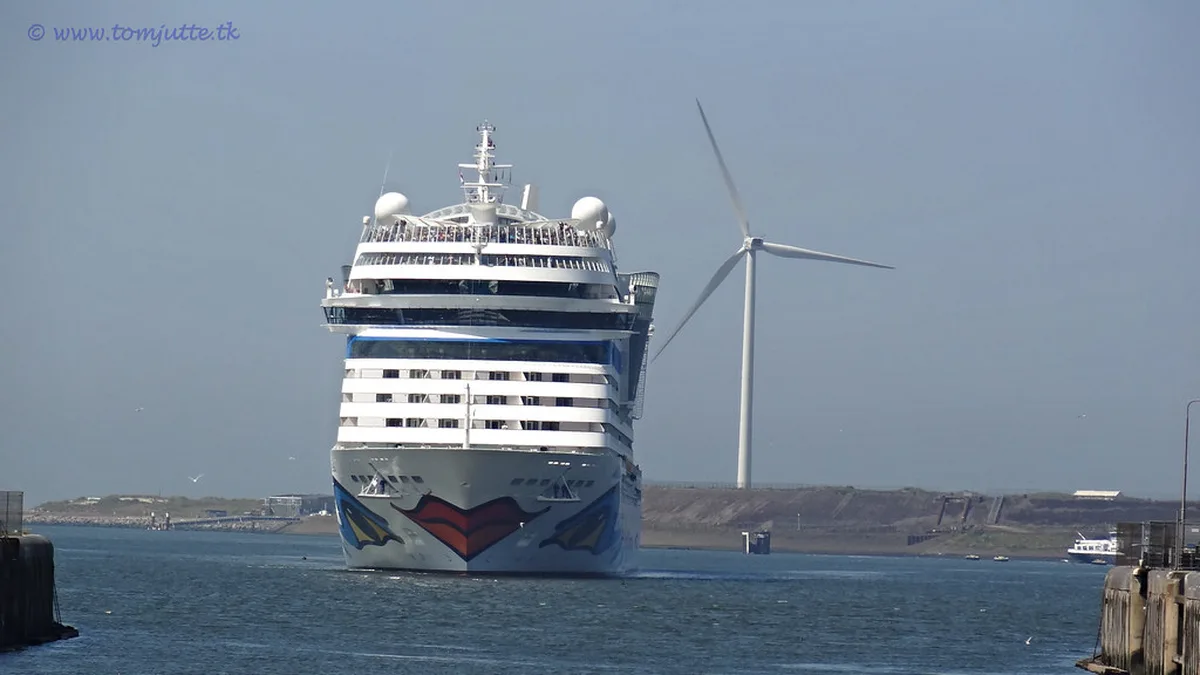
Staying overnight in these cities allows you to see them reset after the day trippers leave. Local squares often transform into lively social hubs once the large tour groups depart. Dining at a seaside restaurant at sunset is a much calmer experience without the afternoon rush. This strategy helps you connect more deeply with the local culture and rhythm.
Avoid booking your most important tours during the peak arrival times of the ships. Check the port schedules online to see which days will be the most crowded. Smaller coastal towns nearby often provide a peaceful escape when the main city is full. This simple planning step can save you from long lines and crowded photo spots.
A Quick Guide to Top Coastal Destinations
Choosing the right destination depends on your budget and your travel goals. Some cities offer better value for food while others provide more historic sites. The following list highlights the key features of our favorite seaside spots. Use these details to decide which city fits your next vacation plan.
- Lisbon, Portugal: The Hilly Atlantic Capital
- Best for: Historic trams
- Cost: Affordable meals
- Access: Direct airport metro
- Tip: Wear comfortable shoes
- Nice, France: The Jewel of the French Riviera
- Best for: Pebble beaches
- Cost: Moderate prices
- Access: Coastal train line
- Tip: Visit the flower market
- Dubrovnik, Croatia: The Pearl of the Adriatic
- Best for: Ancient walls
- Cost: Higher prices
- Access: Bus from airport
- Tip: Walk walls at 8am
- Barcelona, Spain: Culture and Beaches Combined
- Best for: Unique architecture
- Cost: Varied options
- Access: Extensive metro system
- Tip: Book Sagrada early
- Copenhagen, Denmark: Northern Harbor Charm
- Best for: Canal tours
- Cost: Premium prices
- Access: Excellent bike lanes
- Tip: Try a harbor bath
Frequently Asked Questions
What is the cheapest coastal city in Europe to visit?
Lisbon and Porto in Portugal are often the most affordable coastal cities for travelers. You can find delicious local meals for under fifteen euros and budget accommodation is plentiful. These cities offer incredible value while providing world-class history and beautiful ocean views.
When is the best time to visit European coastal cities?
Late spring and early autumn are the ideal times for a seaside trip. May, June, and September offer warm weather without the extreme heat of July. You will also enjoy lower prices and fewer crowds compared to the peak summer months.
Are coastal cities in Europe good for families?
Many seaside cities like Nice and Barcelona are excellent for families due to their pedestrian zones. These cities offer easy access to beaches and parks with plenty of child-friendly dining options. Most major attractions provide discounted tickets for children under twelve years old.
Selecting the right seaside destination ensures a memorable and relaxing European vacation. Each city mentioned offers a unique blend of coastal beauty and rich cultural heritage. Your choice should reflect whether you prefer the sunny Mediterranean or the cool Northern harbors. Visit our travel blog for more tips on planning your next adventure.