Europe Christmas Markets Complete Guide: Where to Go This Winter
European Christmas markets run late November through December 24, 2026, with highlights like Vienna's Rathausplatz (Nov 14–Dec 26) and Strasbourg's Christkindelsmärik (Nov 21–Dec 28) anchoring the festive calendar across the continent.
Mulled wine costs €4–7 per serving at most markets in 2026; ceramic mug deposits of €3–5 are fully refundable when you return the cup at any stall within the same market.
Winter transforms European cities into glittering wonderlands filled with the scent of roasted chestnuts and spiced wine. Exploring these festive stalls offers a unique way to experience local culture and seasonal traditions during the holidays. This Europe Christmas Markets complete guide helps you navigate the best locations for your upcoming winter adventure.
Planning Your Europe Christmas Markets Trip
Most markets open between November 20th and November 25th for the 2026 season across major city centers. Expect stalls to operate from 10:00 AM until roughly 9:00 PM daily depending on the specific local regulations. Early arrivals — particularly on weekday mornings — help you beat the evening rush when locals gather after work for social drinks and snacks. Weekday mornings between 10 AM and 1 PM are consistently the quietest times at every major market, giving you space to browse stalls without jostling crowds.
Budgeting for your trip requires planning for daily expenses like traditional food and hot festive drinks. A mug of mulled wine — known as Glühwein in German-speaking countries and Vin Chaud in France — typically costs between €4 and €7 depending on the city you visit. You pay a ceramic mug deposit of €3–5 which is fully refundable when you return it to any stall within the same market. Many visitors choose to keep the mug as a souvenir, which makes the deposit a worthwhile small expense. Budget roughly €20–30 per person per day for food, drinks, and one or two small craft purchases at mid-range markets.
Booking your flights at least four months in advance helps secure the lowest possible fares for December travel. Flights to central European hubs like Munich, Vienna, or Frankfurt typically range from €80–200 from UK or northern European cities when booked by August. Prices can double or triple if you wait until October for popular December dates. Check the best time to visit Europe to ensure your travel dates align with local festivities and avoid the most congested weekends. Hotels near main town squares — such as the Marienplatz area in Munich — often charge €120–200 per night in December, so budget accommodation 500–800 metres from the market square can save €50–80 per night without sacrificing atmosphere. Booking accommodation by September is strongly recommended for stays during the first two weekends of December, which consistently sell out first.
Travel insurance is worth including in your budget at around €15–30 per person for a week-long trip. Winter delays at European airports are common in December, and markets are not refundable if you miss them due to weather cancellations. Pack thermal underwear, waterproof ankle boots with good grip for wet cobblestones, and a compact umbrella for drizzly evenings in western European markets like Strasbourg and Bruges. A portable battery bank ensures your phone stays charged for navigation and contactless payments throughout long market days.
Iconic Markets in France and Germany
Munich's Marienplatz Christkindlmarkt is open from November 22 to December 24, 2026, and remains one of the most photographed Christmas markets on the continent. The main market at Marienplatz features a massive Christmas tree lit with thousands of energy-efficient bulbs each night, surrounded by 140 stalls selling traditional Bavarian crafts and food. Visitors should try the local bratwurst which usually costs around €5 per serving at most outdoor stalls. Glühwein at Munich's main market costs €4–6 per mug, with a €2–3 returnable cup deposit. The nearby Schwabing and Haidhausen districts host smaller, more local-feeling markets that are far less crowded than Marienplatz and worth the short U-Bahn journey. Munich's Mittelaltermarkt (medieval market) near the Wittelsbacher Platz adds jugglers, fire performers, and mead to the experience. Getting to Marienplatz is straightforward on the U3, U6, S1, or S8 S-Bahn lines, all stopping at Marienplatz station directly beneath the square.
Nuremberg's Christkindlesmarkt is one of the oldest and most famous Christmas markets in the world, dating back to the 16th century, and runs from November 29 to December 24, 2026. The market's signature product is the Nuremberg gingerbread heart (Lebkuchen), which costs €5–15 depending on size and decoration. Look for handmade glass ornaments, carved wooden smoker figurines (Räuchermänner), and Nuremberg Bratwürste — smaller, thinner sausages grilled over beechwood charcoal, served in threes for about €4. The market occupies the main Hauptmarkt square directly in front of the Gothic Frauenkirche church, creating one of the most atmospheric settings in Germany. Book a direct train from Munich (1 hour, from €19 by ICE or from €9 on regional trains) to combine both cities in a 2-night stay.
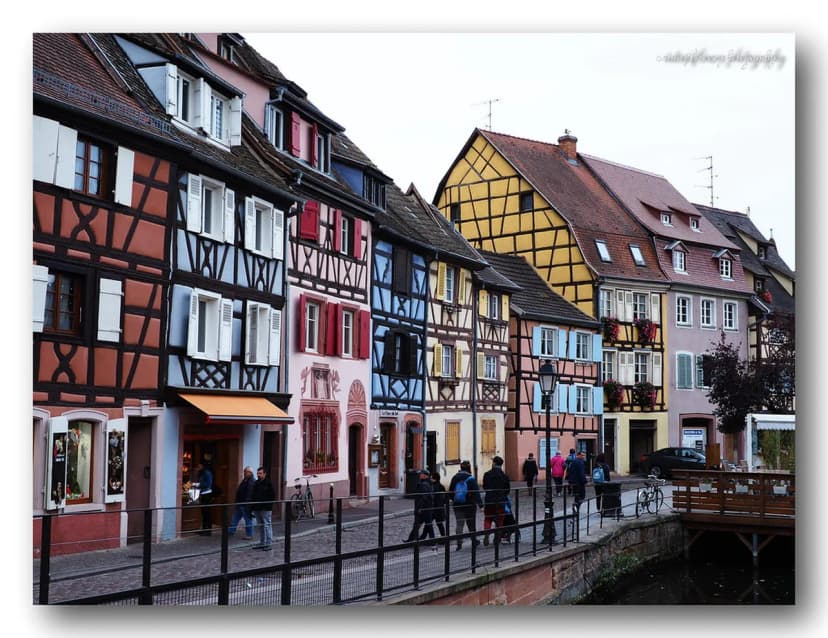
France's Strasbourg Christkindelsmärik is the largest Christmas market in the country, with over 300 stalls spread across 11 different themed areas throughout the old city, open from November 21 to December 28, 2026. The Great Christmas Tree in Place Kléber stands as a central landmark for meeting friends in the evening, illuminated from dusk until midnight. Strasbourg old town guide tip: explore the Petite France district for the most traditional crafts, including alsatian pottery (hand-painted faïence plates and bowls, €15–60), wooden toys, and foie gras in ceramic crocks (€18–35). Colmar is another French favorite located just 30 minutes by TER regional train from Strasbourg (€15 one-way) or 45 minutes by Flixbus (€8). This town feels like a fairy tale setting with its colorful timbered houses and cozy stalls along the canals of the Petite Venise quarter. Colmar's market runs across five themed village zones, each with its own specialty foods and crafts, making a full-day visit very worthwhile. The Alsace wine route connects Strasbourg and Colmar, so consider renting a car (from €35/day) to stop at village markets in Ribeauvillé and Kaysersberg along the way.
Hidden Gems for a Quieter Festive Season
Slovenia's Ljubljana creates a unique vibe with its artistic light installations and charming riverside stalls through its Advent in Ljubljana festival, which runs from late November through January 2, 2026. The city center becomes a pedestrian-only zone, making it very safe for families traveling with young children. A free open-air ice rink operates in the central Congress Square throughout the Advent period — skate hire costs approximately €5 for two hours. Ljubljana Castle, perched above the old town, offers a cable car ride for €6 return and hosts its own seasonal market with locally made crafts and warm drinks. Local honey brandy (medica) and grilled Carniolan sausages (kranjska klobasa, €3–4) are popular snacks that won't break your holiday budget. Ljubljana is easy to reach from Vienna by train in around 3.5 hours (from €29 on Austrian Federal Railways advance fares).
Wroclaw in Poland features one of the most beautiful market squares in all of Eastern Europe, the Rynek Główny, which hosts its Christmas market from late November through December 31, 2026. You can find unique hand-painted glass baubles (€5–20 each) that make perfect gifts for friends and family back home, along with amber jewelry, woolen blankets, and carved wooden ornaments. The famous Wroclaw dwarfs (krasnale) — small bronze figurines hidden around the city — are excellent for families doing a scavenger hunt between market visits. Pierogi at the market food stalls cost approximately €5 for a plate of six, with fillings ranging from traditional potato-cheese to mushroom-sauerkraut and sweet cherry. The cost of a full meal at the market stalls is often under €10 per person. Wroclaw is served by direct flights from London Stansted, Dublin, and Amsterdam from around €50–80 return when booked in advance.
Zagreb has won several consecutive awards for its Advent in Zagreb program, which includes outdoor ice rinks in multiple city zones, live music stages, and an extensive street food offering across the historic Upper and Lower Towns. Hot medica honey brandy costs €3–4 per cup and is Zagreb's signature market drink. The Upper Town area offers stunning views of the city lights while you enjoy a warm local pastry (štrukli, baked cheese pastry, €3–4) at stalls near St. Mark's Church. Access to most of the entertainment zones and ice rinks remains free for all visitors, though ice skate hire runs approximately €4–5 per session. Zagreb's market is open from late November through January 7, 2026, making it one of the longest-running in the region and an excellent choice for travelers visiting after Christmas.
Estonia's Tallinn Christmas market is one of northern Europe's hidden treasures, set in the UNESCO-listed medieval Old Town Hall Square (Raekoja plats) and open from late November to January 7, 2026. The market is famous for its traditional Estonian gingerbread (piparkook) sold in decorative tins (€6–12), handmade woolen mittens and socks (€10–25), and glögi (Nordic mulled wine) at €4 per cup. Warm smoked sausages, elk stew, and blood sausage with sauerkraut are seasonal Estonian specialties worth seeking out at the food stalls (€5–8 per serving). Tallinn's compact old town means you can walk the entire market circuit in under an hour, then warm up in one of the medieval cellar restaurants serving hearty pork knuckle meals for €12–18. Direct flights from London, Helsinki, and Riga connect easily to Tallinn, with budget fares regularly available under €60 return.
Essential Practical Tips for Market Visitors
Weather in Europe during December ranges from chilly rain to heavy snow depending on the specific latitude. Waterproof ankle boots are essential for walking on cobblestone streets that often become slippery when wet or icy — brands like Merrell, Salomon, and Sorel all make reliable waterproof winter walking boots in the €100–180 range that will last across multiple market trips. Thermal underwear from brands such as Icebreaker (merino wool, naturally odour-resistant) or Uniqlo Heattech (budget-friendly synthetic) provides an extra layer of protection against the biting winter wind during long evening walks. A mid-layer fleece plus a windproof outer shell is more versatile than a single heavy coat for the fluctuating temperatures you will encounter moving between heated market stalls and cold open squares.
Public transportation in cities like Berlin or Vienna is the most efficient way to reach different festive zones. Berlin's day pass (Tageskarte, zones ABC) costs €9 in 2026 and covers all S-Bahn, U-Bahn, tram, and bus routes across the entire city, making it easy to hop between the Gendarmenmarkt, Alexanderplatz, and Charlottenburg Palace markets in a single day. Vienna's 24-hour public transport ticket costs €8 and covers all U-Bahn, tram, and bus routes — the U4 line connects the Schönbrunn Palace market to the central Rathausplatz in under 15 minutes. Salzburg's Domplatz Christkindlmarkt hosts traditional Christmas carols at 5:30 PM daily throughout December — arrive by 5:00 PM to get a good standing spot. Strudel (apple or curd cheese) at Salzburg market stalls costs €4–6 per portion. Avoid driving in city centers because parking is extremely limited and often costs more than public transit for the full day.
Many markets now focus on sustainability by using reusable cups and sourcing local organic ingredients for snacks. Returning your glass or mug to the stall allows you to reclaim your €3–5 deposit at the end of the visit — always check which stalls in the market participate in the same mug-return scheme, as some markets use multiple different cup designs with separate deposit systems. Bringing your own insulated travel mug can save you the deposit entirely at stalls that permit it, though this is more common at smaller artisan markets than at the major tourist-facing markets in Munich or Nuremberg. This system reduces waste and keeps the market areas much cleaner for all visitors to enjoy throughout the season.
- Essential Items for Your Market Visit
- Type: Thermal layers (merino wool or Heattech)
- Best for: Staying warm during long evening visits
- Where: Outdoor stalls in all weather
- Cost: €30–80 for quality base layers
- Traditional Foods You Must Taste
- Type: Mulled wine (Glühwein / Vin Chaud / glögi)
- Best for: Evening walks and warming up between stalls
- Where: Every market, every country
- Cost: €4–7 per mug (deposit €3–5 refundable)
Vienna and Salzburg: Austria's Christmas Market Royalty
Vienna operates seven simultaneous Christmas markets across the city in 2026, making it the undisputed capital of European festive culture. The flagship Wiener Christkindlmarkt at Rathausplatz runs from November 14 to December 26, surrounding the neo-Gothic City Hall with over 150 decorated booths. An ice skating rink in front of the Rathaus is free to enter, with skate hire available for €7 per session — one of the best-value winter activities in the city. Punsch (hot spiced wine punch) costs €4–5 per cup here, and Lebkuchen (gingerbread) is sold in decorative tins from €3–8. The Rathausplatz market stays open until 9:30 PM on most evenings, making it ideal for a post-dinner stroll.
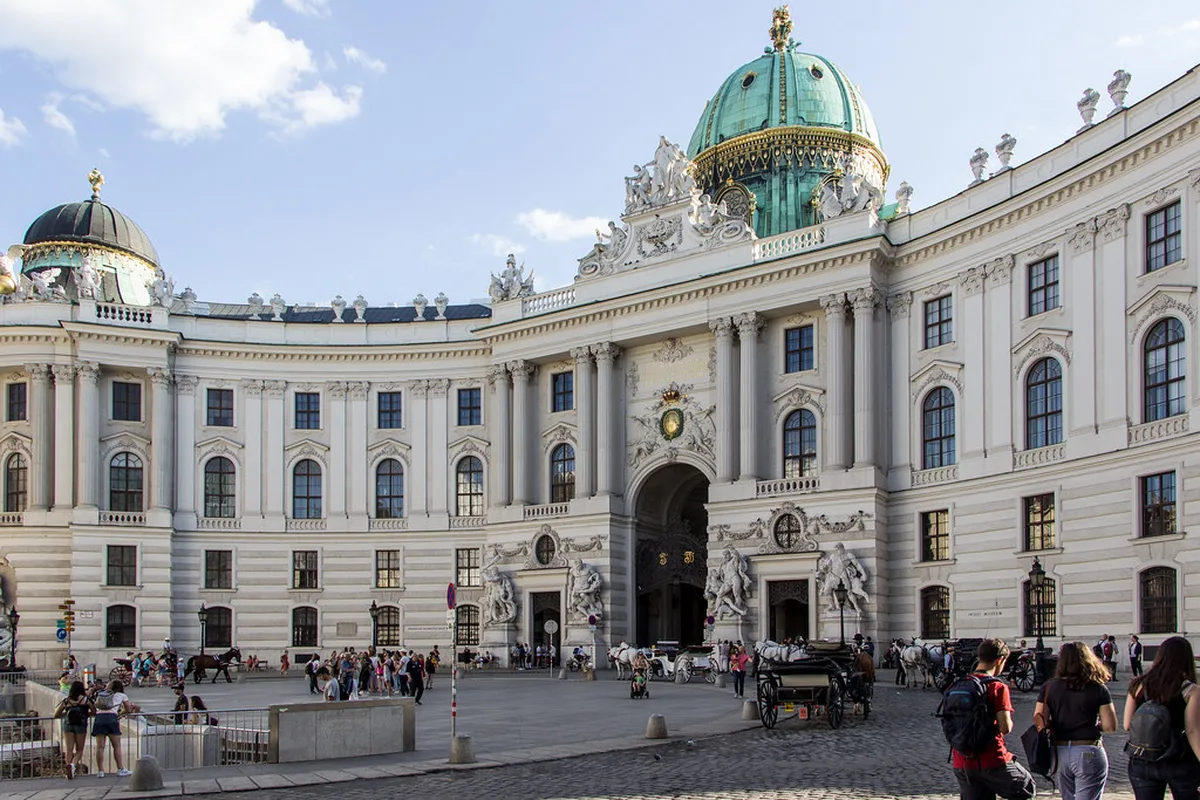
The Belvedere Palace Christmas Market is Vienna's most elegant option, set in the baroque palace gardens with premium artisan stalls selling hand-blown glass, bespoke jewellery, and locally produced schnapps. Entry to the palace gardens is included with the market visit at €22 (combined palace and market ticket), making it a worthwhile cultural half-day. The market runs from mid-November through December 26 and is far less crowded than Rathausplatz, particularly on weekday afternoons. Other Vienna markets worth visiting include the Schönbrunn Palace Christmas market (grand imperial setting, open through December 26) and the Spittelberg market in the 7th district (artists' market, known for handmade gifts and fewer tourists).
Salzburg's Christkindlmarkt is one of Europe's oldest Christmas markets, held in the historic Domplatz (Cathedral Square) beneath the Hohensalzburg Fortress from December 1 to 24, 2026. The market specialises in traditional Austrian craft goods including hand-carved nativity scenes (€15–80 depending on size and intricacy), Advent wreaths, and beeswax candles. Mozart balls — the city's most famous confection — are sold at market stalls for approximately €3–5 for a small box, alongside strudel, Salzburger Nockerl (sweet soufflé), and roasted chestnuts. The Domplatz market also hosts the 5:30 PM daily carol performances that draw large crowds, so plan other market visits earlier in the day. Salzburg is an easy and scenic day trip from Munich by train — the journey takes 1 hour 45 minutes and advance-purchase tickets cost approximately €25–40 return on ÖBB Austrian Federal Railways. Staying overnight in Salzburg allows you to experience the market after the day-trip crowds have departed, when the atmosphere is genuinely magical under the illuminated fortress.
For those combining both cities, Vienna is reachable from Salzburg in 2.5 hours by direct Railjet train (from €29 advance fare). A 5-night Austria itinerary — 2 nights Salzburg, 3 nights Vienna — gives you full access to both market scenes without feeling rushed. Budget approximately €150–200 per person per day in Vienna for mid-range accommodation, transport, meals, and market spending, and €120–160 in Salzburg where accommodation is slightly cheaper than the capital.
Best European City Breaks for Winter
Choosing the right base for your trip makes it easier to visit several markets in one region. The German-speaking triangle of Munich, Salzburg, and Innsbruck can be covered efficiently by train in 3–4 days, while the Alsace corridor between Strasbourg and Colmar suits a focused 2-night French market break. Review our list of best European city breaks to find destinations with great transit links and multiple festive attractions within walking distance.
Culinary traditions vary wildly across the continent, offering a feast for the senses at every unique stop. Roasted almonds (€3–5 a bag) and gingerbread hearts are staples that you will find in almost every German-speaking country's market. These treats are often packaged beautifully in decorative tins and boxes, making them very easy to carry home in your checked luggage or as gifts. In France, look for marrons glacés (candied chestnuts), macarons, and tarte flambée (Alsatian thin-crust pizza, €5–8) as market exclusives you won't find as authentically elsewhere. In Poland and the Czech Republic, trdelník (chimney cake, €3–5) and hot beet soup (barszcz, €3) are warming street food staples.
Regional crafts like hand-carved wooden clocks from the Black Forest (€20–200), lace ornaments from Bruges (€5–25), and amber jewellery from Baltic markets (€15–80) reflect the deep heritage of local artisans. Purchasing directly from the makers ensures that your money supports the local community and preserves traditional skills that have been passed down across generations. Most vendors are happy to explain the history behind their specific craft if you ask politely — this personal connection is one of the key experiences that distinguishes European Christmas markets from generic holiday shopping. Budget a small amount specifically for craft purchases so you don't feel guilty splurging on one meaningful handmade item per market you visit.
Frequently Asked Questions
When do most European Christmas markets typically open?
Most European Christmas markets open in the final week of November and run until December 24. Specific 2026 dates include Vienna Rathausplatz (Nov 14–Dec 26), Strasbourg Christkindelsmärik (Nov 21–Dec 28), Munich Marienplatz (Nov 22–Dec 24), and Nuremberg Christkindlesmarkt (Nov 29–Dec 24). Markets in Ljubljana, Zagreb, and Tallinn extend into early January 2026.
Is it necessary to carry cash at Christmas markets?
Yes, carrying cash is highly recommended for most markets in Europe. While some larger vendors accept cards, many small stalls for food and drinks only take cash. Small denominations — €5 and €10 notes — are best for paying mug deposits (typically €3–5) and buying snacks. Withdraw cash from ATMs before arriving at the market, as queues at market-area ATMs in December can be very long.
Which city is best for a first-time Christmas market trip?
Strasbourg or Vienna are excellent choices for first-time visitors due to their size, variety, and ease of navigation. Strasbourg's Christkindelsmärik covers 11 themed zones across the walkable old town, all reachable on foot. Vienna offers seven simultaneous markets connected by the U-Bahn, plus a free ice skating rink at Rathausplatz. Both cities have excellent English-language signage, a wide range of accommodation, and strong public transport links from major airports.
Are Christmas markets in Europe free to enter?
The vast majority of Christmas markets in Europe are free for the public to enter and explore. A few specialised markets, such as those held in historic palace courtyards (Vienna's Belvedere charges €22 for a combined market-and-palace ticket), may charge a small entry fee. Street-level markets in Munich, Strasbourg, Nuremberg, Zagreb, and Tallinn are all free to enter. Budget your spending on food, drinks, and crafts rather than entry fees for most destinations.
What is the best Christmas market for families?
Ljubljana's Advent in Ljubljana festival is one of the best European Christmas markets for families in 2026. The city centre is pedestrian-only during the festive period, there is a free open-air ice rink at Congress Square, and the Ljubljana Castle cable car (€6 return) thrills children of all ages. Zagreb's Advent is another excellent family choice, with multiple free ice rinks, live entertainment zones, and child-friendly food stalls serving hot chocolate and pancakes. Both cities are significantly quieter and more affordable than Munich or Vienna, making them practical for families managing young children across multiple days.
Which Christmas market sells the best mulled wine?
Strasbourg's Christkindelsmärik is widely regarded as serving the finest mulled wine (Vin Chaud) in Europe, made from Alsatian wines and spiced with local cinnamon, star anise, and cloves at €4–6 per mug. Vienna's Rathausplatz market is renowned for its Punsch (a spiced punch blend of wine and rum) at €4–5. Tallinn's glögi (Nordic-style mulled wine with cardamom and ginger) at €4 per cup is a favourite among those who prefer a drier, more aromatic style. For the most authentic German Glühwein experience, Nuremberg's Christkindlesmarkt is the benchmark — served in a collectible souvenir mug with €2 deposit.
Planning a trip using this Europe Christmas Markets complete guide ensures a festive and organized winter holiday. Whether you choose the famous squares of Germany or hidden gems in Slovenia, the magic remains the same. Start booking your 2026 adventure today to experience the best of Europe's seasonal traditions and local crafts.