The Ultimate Tirana Nightlife Guide for 2026
Tirana nightlife is among Europe's most affordable — local Korça beer costs 200–300 ALL (€2–3) in bars, cocktails 600–1,000 ALL (€6–10); clubs along Blloku district open midnight to 5 AM Thursday to Saturday with 0–500 ALL (€0–5) entry in 2026.
Blloku district (formerly Communist Party elite residential zone, opened to public 1991) is Tirana's nightlife hub — rooftop bars, designer boutiques, and cafe-bars line Rruga Ismail Qemali; Sky Club on Dëshmorët e Kombit boulevard is Tirana's most famous rooftop nightclub (entry 500–1,000 ALL/€5–10).
The Albanian capital transforms into a glowing hub of energy once the sun sets. This Tirana nightlife guide 2026 explores the city's unique mix of Mediterranean charm and modern style. Visitors often feel surprised by the high quality of the local bar and club scene. Planning your evening helps you navigate the diverse options available in this growing destination as an alternative to nightlife scenes in neighboring Bosnia and Herzegovina or the Balkans.
Quick answer: Tirana nightlife centers on the Blloku district, where a local beer costs 200–300 ALL (€2–3), cocktails run 600–1,000 ALL (€6–10), and most clubs are free before midnight. It is one of the cheapest capitals for a night out in all of the Balkans.
Blloku District: From Communist Elite Zone to Tirana's Nightlife Heart
Few nightlife districts in Europe carry as much historical weight as Tirana's Blloku. During Albania's Communist era under Enver Hoxha (1944–1991), this compact residential quarter — "Blloku" literally means "the block" — was sealed off from ordinary citizens and reserved exclusively for the top ranks of the Albanian Communist Party's nomenclature. The district housed senior party officials, politburo members, and their families in relative luxury while the rest of Albania endured widespread poverty and isolation. For 45 years, entry without special authorisation meant arrest. The rest of Tirana could see the rooftops from neighbouring streets but could never cross the boundary.
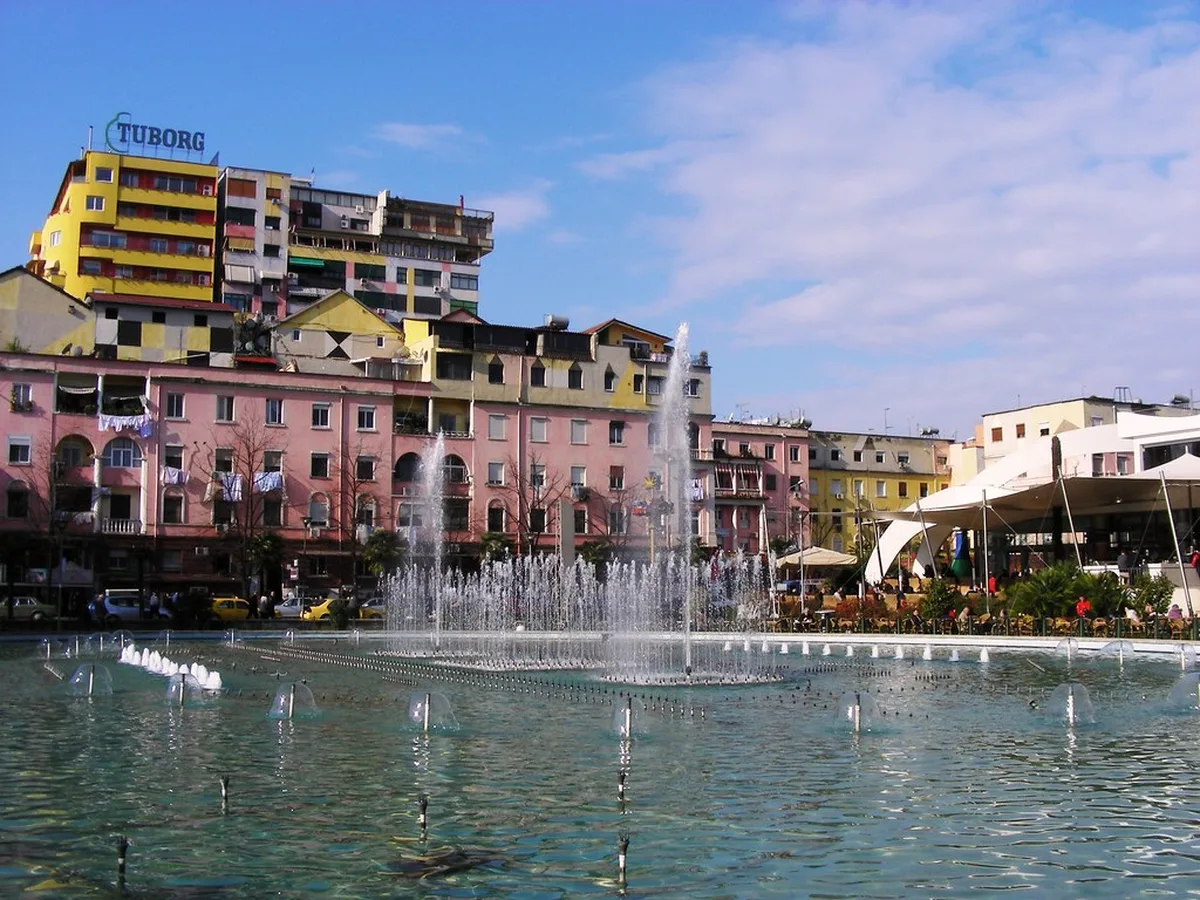
When communism collapsed in 1991 and the gates were finally opened, the area's wide tree-lined streets, modest villas, and functioning infrastructure made it an instant magnet for the first generation of private businesses. Cafes, bars, and boutiques flooded into the newly liberated district almost overnight. Within a decade, Blloku had transformed from a symbol of totalitarian privilege into Tirana's most fashionable postcode — a transformation that Albanians today regard as both ironic and deeply satisfying.
By 2026, Blloku is unrecognisable as anything other than a thriving urban entertainment zone. Luxury apartment towers now rise alongside the original villa-style party houses. Rruga Ismail Qemali is the main artery, lined with cafe-bars that fill their outdoor terraces from late afternoon onwards. Radio Bar (Rruga Pjeter Bogdani 10) has become a local institution — its rooftop terrace offers city views over the low Blloku rooftops, cocktails cost 800 ALL (€8), and the music policy leans toward 1980s hits and indie rock. It is packed by 10 PM on any Friday night. For additional information on Albania's capital culture, consult travel guides.
Folie Terrace, located close to Rruga Ismail Qemali, is Blloku's most prestigious open-air summer club — a sprawling outdoor dance floor with international DJ bookings and a strict smart-casual dress code. Hemingway Bar (Rruga Qemal Stafa 8) is steps away: craft cocktails at 1,000 ALL (€10), over 120 rums on the shelf, and a jazz soundtrack that actually permits conversation. Cinema Paris bar, near the historic cinema of the same name, occupies a prime corner with pavement seating, cold Korça beer on tap at 250 ALL (€2.50), and the relaxed energy of a neighbourhood local rather than a tourist trap.
Dress code throughout Blloku is smart casual — clean trainers are generally accepted except at Folie Terrace and the most upscale clubs, which enforce a stricter no-shorts, dress-shoes policy at the door. Getting to Blloku from the Old Bazaar (Pazari i Ri) is straightforward: a Bolt taxi costs 300–400 ALL (€3–4) and takes roughly 10 minutes in normal traffic. Alternatively, Rruga Murat Toptani is a pleasant 20-minute walk through the city centre. The optimal arrival strategy for a full evening is 10–11 PM for the bars and cafe terraces; clubs do not reach peak energy until midnight or later.
Exploring the Vibrant Blloku District
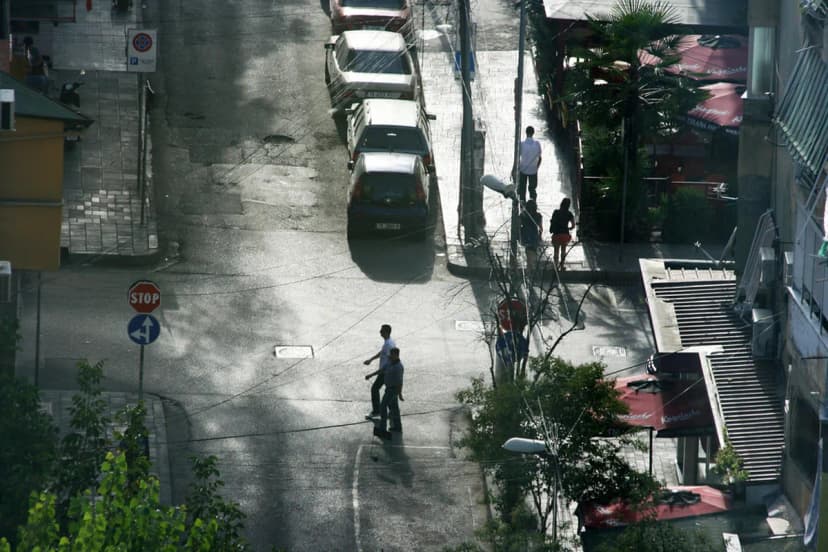
Blloku remains the most popular destination for anyone seeking a memorable night out in Tirana. This neighbourhood once housed the political elite under communist rule and was completely closed to ordinary citizens. When restrictions lifted in the early 1990s, the area exploded with cafes, restaurants, and bars almost overnight. Today it pulses with music and laughter from dozens of stylish venues concentrated along Rruga Pjeter Bogdani and Rruga Ismail Qemali.
Walking through these streets on a Friday evening reveals a dense concentration of neon lights, outdoor terraces, and trendy crowds spilling onto the pavement. Most venues here offer a seamless transition from afternoon espresso culture to late-night cocktails, making Blloku ideal for an entire evening in one compact area. You will find everything from loud sports bars showing Serie A fixtures to quiet, intimate wine lounges playing background jazz. Arriving around 9 PM secures the best outdoor tables before the rush peaks closer to 11 PM.
Radio Bar (Rruga Pjeter Bogdani 10) stands out as a local favourite due to its retro decor, walls plastered with vintage vinyl sleeves, and excellent curated playlists. The spacious courtyard provides a cool escape during warm summer evenings. In 2026 expect to pay around 700–900 ALL (€7–9) for a well-crafted house cocktail or a premium imported beer. The rooftop terrace, added in 2024, now offers sweeping views over central Tirana — book a spot by 9 PM on weekends as it fills quickly. Many locals consider this spot the creative soul of the district.
Sky Club on Dëshmorët e Kombit boulevard is Tirana's most famous rooftop nightclub. Entry costs 500–1,000 ALL (€5–10) depending on the night, and the panoramic views from the upper floors are genuinely spectacular — the entire city grid lights up below you. The music mix runs from Albanian pop to international house, and the club stays open until 4 AM on Friday and Saturday nights. Table reservations are strongly recommended for groups; minimum spend for a reserved table runs 5,000–8,000 ALL (€50–80) on peak nights.
Sky Tower bar offers a completely different perspective with its slowly rotating lounge overlooking the entire city skyline. A full rotation takes approximately 75 minutes. Watching Tirana's colourful housing blocks and distant mountains while sipping a glass of local Çobo winery Shesh i Bardhë (400 ALL / €4) is one of the city's signature experiences. The relaxed atmosphere here contrasts sharply with the street energy two dozen floors below. Dress smart-casual — staff will politely redirect guests in beachwear.
Beyond these headline venues, the side streets hold smaller gems: Bar Buda on Rruga Dëshmorët e 4 Shkurtit offers craft beer from the local Kaon Brewery starting at 250 ALL (€2.50), while Lounge Bar 37 hosts acoustic sets on Tuesday and Thursday evenings with no cover charge. Blloku also has a surprisingly strong coffee-to-cocktail culture — many visitors start here around sunset and never leave the neighbourhood all night, which speaks to how self-contained and walkable the district truly is. Taxis via the Bolt app queue or can be called in seconds; a ride anywhere in the city centre costs 300–500 ALL (€3–5).
Top Nightclubs for Dancing in Tirana
The clubbing scene in Tirana in 2026 is sophisticated and often requires a little advance planning. Many top venues shift locations between the summer and winter seasons, with open-air terraces dominating May through September and indoor industrial spaces taking over during the cooler months. This seasonal flexibility keeps the scene fresh and gives regulars new settings to explore each year. Thursday through Saturday nights are the main clubbing nights; weeknights are generally quieter except for special events.
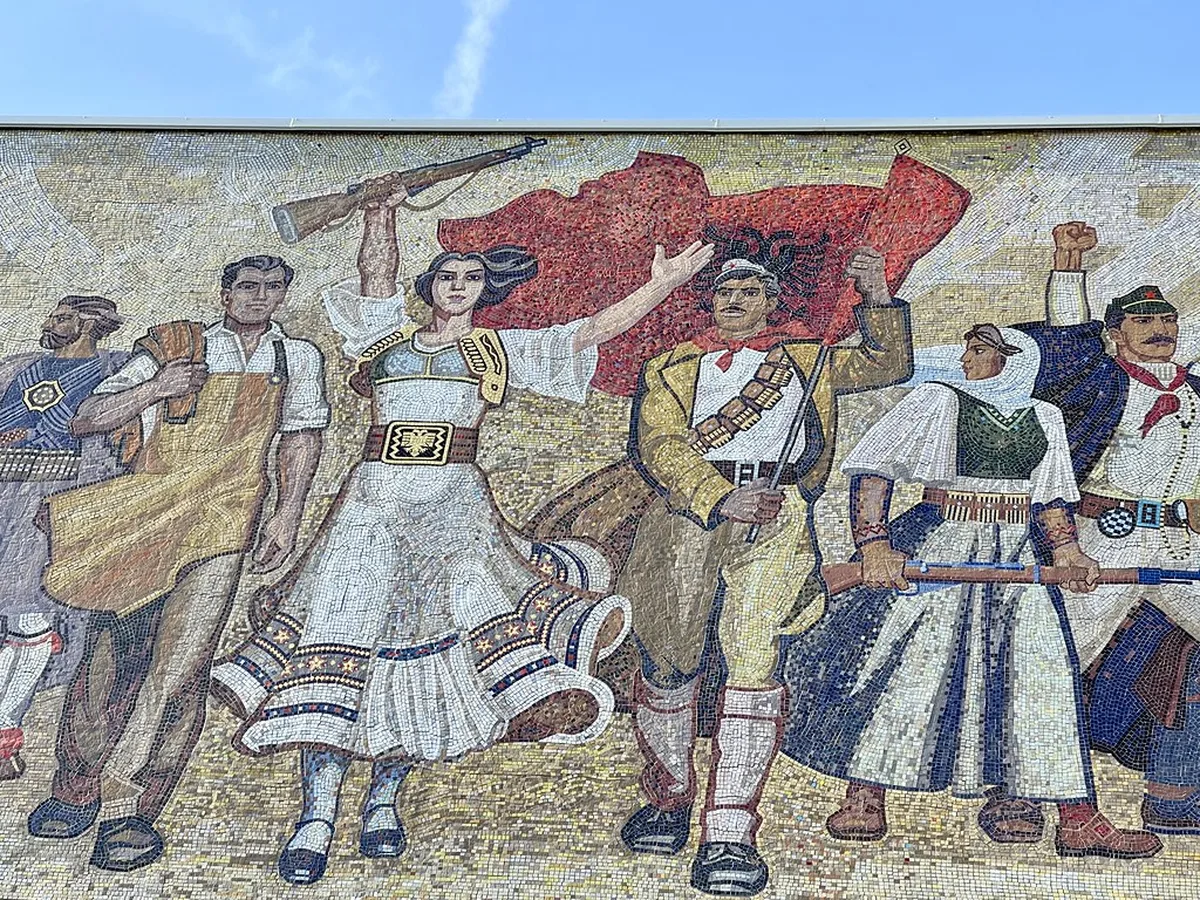
Folie Terrace is widely regarded as the most prestigious club in Albania. Located near the Blloku neighbourhood, it features a massive open-air dance floor, immersive LED lighting, and a booking calendar that regularly pulls in international DJs from Ibiza and Berlin. Security enforces a strict smart dress code — no trainers, no shorts, no caps — so plan your outfit accordingly. The venue opens at midnight and the main floor hits peak capacity around 1:30–2:30 AM. Table reservations for Friday nights cost 3,000–5,000 ALL (€30–50) minimum spend and are essential for groups of four or more. The music policy leans deep house and tech-house, with the occasional Albanian commercial set to satisfy the local crowd. Entry after midnight without a reservation is 1,000–2,000 ALL (€10–20) on event nights.
Pepper Lounge (Rruga Abdyl Frashëri, Blloku) offers a more intimate clubbing experience with a strict focus on house and minimal techno. The crowd is a well-dressed mix of Tirana professionals and international visitors who tend to know their music. Entry is free before midnight; after that a 500–800 ALL (€5–8) door charge applies on weekends. Drinks are priced mid-range: local Korça Beer costs 300 ALL (€3) and cocktails start at 600 ALL (€6). The venue's compact size means the dance floor feels energetic even on quiet midweek nights, and the sound system — fully upgraded in 2025 — is one of the best in the city. The DJ booth faces the floor directly, creating an immersive atmosphere that larger clubs struggle to replicate.
Arena Club, located in the industrial eastern fringe of the city, caters to guests who enjoy massive light shows, elevated stage architecture, and high-volume sound systems. It regularly hosts live performances by popular Albanian pop artists such as Elvana Gjata and regional Balkan acts. The energy stays high until 5 AM on Saturdays, and entry fees for headliner nights run 1,000–2,000 ALL (€10–20). Taxis queue outside by default once the music stops, making the slightly out-of-centre location a non-issue for getting home. Doors open at 10 PM but the real crowd arrives after midnight; arriving early secures standing space near the stage for live acts.
For a more underground experience, Club Hemingway basement sessions on select Saturdays attract a small loyal crowd of vinyl purists. Entry is 500 ALL (€5) flat, drinks are honestly priced at 300–600 ALL (€3–6) for beer and cocktails respectively, and the lineup typically features local selectors and visiting European DJs from the Balkan underground circuit. It is a refreshing, unpretentious alternative to the bottle-service culture of the bigger venues. Check their Instagram page two weeks ahead for confirmed dates, as not every weekend features a basement session.
- Folie Terrace Nightclub
- Type: Open-air club
- Best for: Summer parties, international DJs
- Where: Near Blloku District
- Hours: Midnight–5 AM (Thu–Sat)
- Entry: Free before midnight, 1,000–2,000 ALL (€10–20) after
- Pepper Lounge
- Type: Lounge and club
- Best for: House and techno music
- Where: Rruga Abdyl Frashëri, Blloku
- Hours: 10 PM–4 AM (Thu–Sat)
- Entry: Free before midnight, 500–800 ALL (€5–8) after
- Arena Club
- Type: Large entertainment venue
- Best for: Pop concerts and big nights
- Where: Eastern Tirana
- Hours: 10 PM–5 AM (Fri–Sat)
- Entry: 1,000–2,000 ALL (€10–20) on event nights
- Sky Club
- Type: Rooftop nightclub
- Best for: Views + dancing
- Where: Dëshmorët e Kombit boulevard
- Hours: Midnight–4 AM (Thu–Sat)
- Entry: 500–1,000 ALL (€5–10)
Best Cocktail Bars and Speakeasies
Tirana has seen a dramatic rise in professional mixology over the past several years, and in 2026 the cocktail bar scene genuinely competes with venues in Lisbon or Warsaw. The focus has shifted decisively toward high-quality spirits, house-made syrups, and unique local infusions derived from Albanian herbs, raki, and wild mountain honey. These spots are ideal for travellers who value conversation and craft over loud bass lines. Most cocktail bars in central Tirana operate from 7 PM through to 2 AM on weekdays, with extended hours until 3 AM on weekends.
Hemingway Bar (Rruga Qemal Stafa 8) is essential for rum enthusiasts and fans of vintage aesthetics. Over 120 types of rum line the dark timber shelves, ranging from budget Havana Club (300 ALL / €3 for a measure) to premium Diplomatico served over a hand-cut ice sphere (700 ALL / €7). Craft cocktails using local raki as a base cost 1,000 ALL (€10) and represent excellent value for the skill involved. Jazz and slow blues play at a volume that actually allows conversation. The bar opens at 7 PM and closes around 2 AM, making it an ideal first stop on any evening itinerary before the clubs heat up. The interior — dark timber, leather banquettes, framed Hemingway portraits — creates a genuinely cosy atmosphere that encourages lingering.
Nouvelle Vague is another top contender for the best cocktails in the capital. Their seasonal menu changes in May and October to incorporate fresh fruits from Albanian markets and locally foraged herbs. The signature "Riviera Sour" — shqip raki, lemon, rosemary syrup, egg white — costs 600 ALL (€6) and is worth every lek. The bartenders are exceptionally knowledgeable and will happily craft a drink to your preference, whether you specify a spirit, a flavour profile, or simply a mood. The venue seats around 40 guests and fills quickly on weekends; walk-ins after 10 PM on Saturday may face a short wait. Arrive by 8:30 PM to guarantee a seat at the bar.
Colonial Cocktail Bar offers a quiet retreat with a beautiful courtyard garden strung with Edison bulbs. The atmosphere is refined, the pace unhurried, and the cocktail list methodically curated at 600–800 ALL (€6–8) per drink. It is a great place to decompress after a busy Tirana walking tour during the day before transitioning into the evening. The bar also pours a respectable selection of natural Albanian wines from small producers in the Berat and Permet regions — expect to pay 400–600 ALL (€4–6) per glass for something genuinely interesting. The Albanian wine category has expanded significantly since 2022 and deserves attention from any serious wine drinker.
Speakeasy-style venues have also emerged in the last two years. The most talked-about is a nameless bar accessed through the back of a bookshop on Rruga Ded Gjo Luli — ask locally or check Instagram geotags for the latest entrance details. Cocktails run 700–900 ALL (€7–9) and the experience is half the price of anything comparable in Western Europe. A second new entry for 2026 is Bar Apoteka on Rruga Sami Frashëri, which occupies a converted pharmacy and serves herb-forward cocktails using plants sourced from the Albanian highlands. Their "Albanian Negroni" — aged raki, bitter gentian liqueur, local honey syrup — costs 800 ALL (€8) and is among the most interesting drinks currently being made in the city.
Alternative and Live Music Venues
Beyond the glitz of Blloku, a thriving alternative scene exists for music lovers who want something more grounded in 2026. Live bands perform several nights a week in converted basements, former communist-era cultural halls, and rooftop spaces across the city. This side of Tirana offers a genuinely authentic window into local youth culture and costs significantly less than the mainstream clubbing circuit — most live music events are free entry or charge 300–500 ALL (€3–5) at the door. The alternative scene is most active Thursday through Saturday but increasingly extends into Wednesdays for smaller acoustic sets.
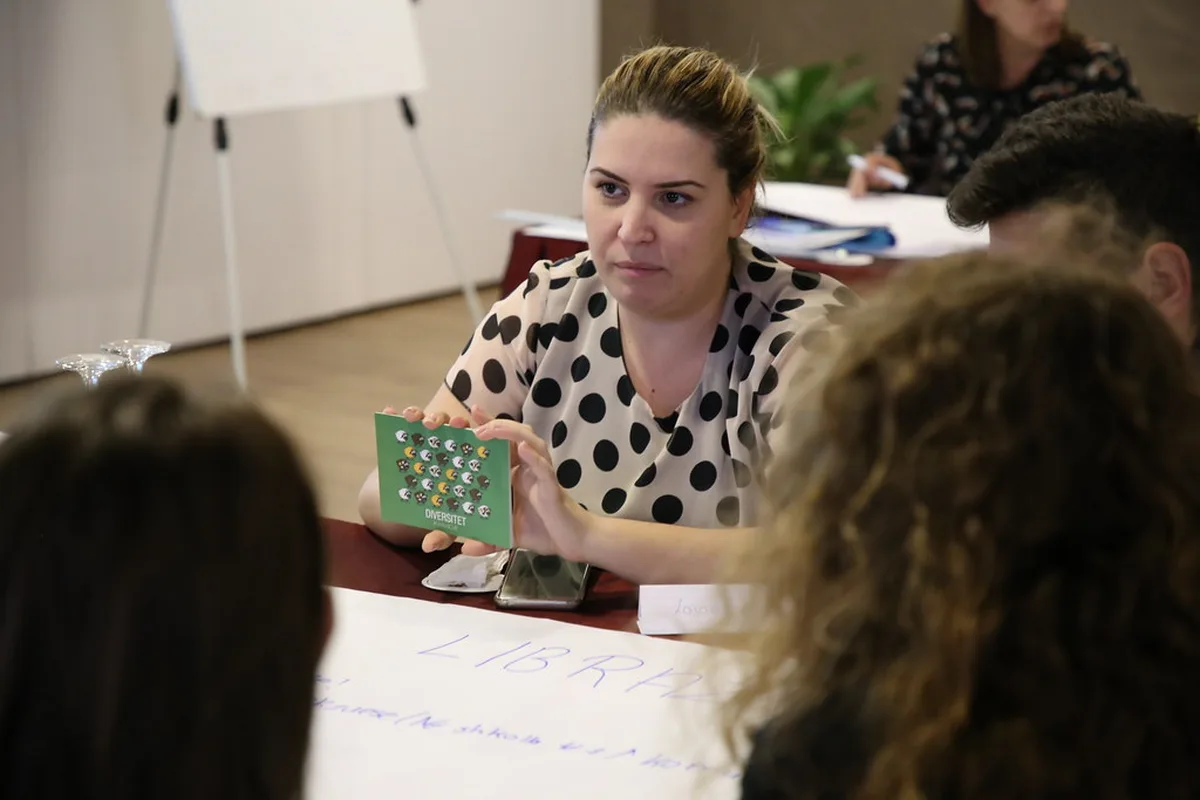
Charl's Bistro (Rruga Hasan Prishtina) is a legendary spot for live rock, jazz, and blues performances. The interior is cozy and crowded with musical memorabilia — signed posters, vintage amplifiers, hanging guitars that have been donated by artists who have played the stage. It attracts an older, more relaxed crowd compared to the nearby dance clubs; the average age skews 30s and 40s. Friday and Saturday nights are the best times to catch a local band performing full sets; entry is typically free, with drinks at 250–400 ALL (€2.50–4.00). The kitchen serves byrek late into the night — cheese and spinach varieties at 150 ALL (€1.50) each — making it a convenient late-night food stop that most tourists never discover.
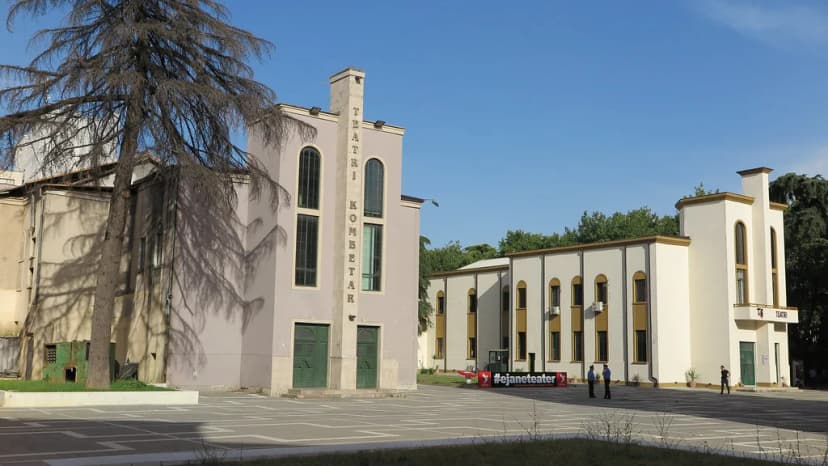
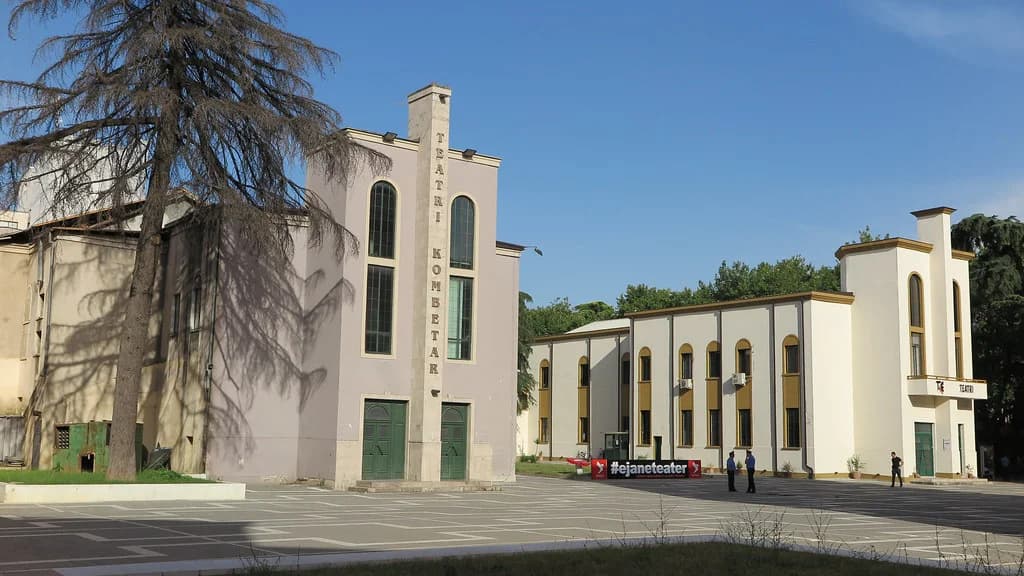
Tulla Culture Center serves as a hub for artists, musicians, and activists on the fringes of the mainstream. They host everything from vinyl DJ sets to experimental electronic performances, short film nights, and poetry slams throughout the year. The venue often holds daytime art workshops and photography exhibitions that are open to visitors. Located slightly outside the main tourist drag in the Kombinat neighbourhood, the 20-minute walk or short Bolt taxi ride (400 ALL / €4) is absolutely worth the effort for anyone craving cultural depth beyond the standard Blloku circuit. Check their Facebook page or door posters for the weekly schedule, as programming changes every week.
Duff Sports Bar provides a reliable American-style atmosphere with a wall of screens showing European football and NBA games throughout the season. The beer selection is one of the best in the city for craft enthusiasts — Kaon IPA and Tirana Blonde both on tap at 350 ALL (€3.50) — and the kitchen serves burgers (700 ALL / €7) and nachos (500 ALL / €5) until 1 AM. While mostly known for sport, they host casual acoustic live music events on quiet weeknights. It is a good fallback for a low-key evening, especially in a mixed group where not everyone wants to dance, and the friendly English-speaking staff make it easy for first-time visitors to settle in quickly.
Teknik Sounds, a monthly warehouse rave near the Kombinat industrial quarter, has built a reputation as Tirana's answer to Berlin-style techno culture. Events are announced two weeks in advance via their Instagram page. Entry costs 500–700 ALL (€5–7) and includes your first local beer. The lineup features local acts like DJ Klint and visiting producers from the Balkan underground circuit. The warehouse space holds up to 400 people and the sound setup — custom-rigged Martin Audio point-source arrays — delivers a physical bass response that rivals far more expensive European venues. Dress is entirely casual; no dress code applies.
Tirana Nightlife Budget Guide 2026: Cheapest Capital in the Balkans
Tirana consistently ranks as one of the cheapest cities in the Balkans for a night out, and in 2026 that gap relative to Western Europe has widened further as other Balkan capitals see rapid price increases. Understanding the local pricing structure will help you budget accurately and avoid the premium markup traps that catch tourists in the larger clubs. As a general rule, prices in Blloku run 20–30% higher than the same drinks in neighbourhood bars outside the tourist circuit — but even Blloku prices remain dramatically below comparable venues in Dubrovnik, Sarajevo, or any Western European city.
Drinks pricing reference (2026):
- Local bottled Korça beer: 200–300 ALL (€2–3) at a neighbourhood bar; 300–400 ALL (€3–4) in a mid-range Blloku venue
- Imported bottled beer (Heineken, Peroni): 350–500 ALL (€3.50–5)
- House cocktail or Aperol Spritz: 600–800 ALL (€6–8) at most Blloku cocktail bars
- Premium craft cocktail (Hemingway Bar, Nouvelle Vague): 800–1,000 ALL (€8–10)
- Glass of local Albanian wine: 400–600 ALL (€4–6)
- Raki shot (local grape spirit): 150–200 ALL (€1.50–2.00) — the traditional cheap option
Club entry fees (2026):
- Before midnight: Free at virtually all venues, including Folie Terrace and Pepper Lounge
- After midnight on weekends: 500–1,000 ALL (€5–10) at most mid-tier clubs
- Headliner / special event nights: 1,000–2,000 ALL (€10–20) at Arena Club and Folie Terrace
- Table reservation minimums at premium clubs: 3,000–8,000 ALL (€30–80)
How Tirana compares to regional neighbours: Sarajevo (Bosnia) is similarly priced with local beers around €2–2.50, but cocktails average €6–8 — slightly above Tirana's neighbourhood bars. Skopje (North Macedonia) has seen prices climb since its bar scene expanded; cocktails now average €6–9. Belgrade (Serbia) remains the regional price leader for clubs with entry fees of €10–25 on major nights and cocktails averaging €8–12. Tirana consistently undercuts them all on beer and spirits prices, and the free-before-midnight policy at most clubs makes it uniquely budget-friendly for early-starting travellers.
The Blloku district functions as the main hub for budget-conscious nightlife. Everything is concentrated within a 10-minute walk, eliminating taxi costs between venues. A realistic budget for a full evening in Blloku — one cocktail bar, one club, late-night byrek — runs 2,500–5,000 ALL (€25–50) per person, including transport. That is roughly half the equivalent cost in Dubrovnik or Lisbon and substantially less than any Western European capital. Solo travellers and couples find the city especially kind to their wallets; group outings scale efficiently because most cover charges are flat-rate rather than per-consumption.
Currency note: Albania uses the Albanian Lek (ALL). €1 ≈ 100 ALL. Euros are widely accepted in tourist-facing venues, but you will often receive change in LEK. ATMs are plentiful in Blloku; withdraw LEK for the best effective rate rather than paying in EUR and receiving LEK change. Most Blloku bars and clubs accept Visa and Mastercard for bills over 500 ALL (€5), but smaller neighbourhood bars remain cash-only in 2026.
Essential Tips for the Tirana Nightlife Guide
Safety is a common concern for first-time visitors to the Balkans. The city centre is generally very secure and remains active until very late. Bright streetlights and constant foot traffic help solo travellers feel comfortable walking between venues in Blloku. The question of is Tirana safe for tourists is one many visitors ask — the short answer is yes, especially within the central neighbourhoods at night. Petty theft is rare by European standards, and aggressive street behaviour toward tourists is uncommon. Keep standard travel sense: keep your phone in a front pocket in crowded spaces and stay aware of your surroundings as you would in any city.
Cash is still king in many smaller bars and for paying taxi drivers. While larger clubs accept cards, always carry some Albanian LEK for emergencies and street food. Taxis use meters but it remains wise to confirm the fare before getting in. Most rides within the city centre should cost between 400 and 700 ALL (€4–7) in 2026. The ride-hailing app Bolt operates in Tirana and is significantly cheaper and more transparent than hailing a cab on the street — a ride from Blloku to the Old Bazaar area typically runs 300–400 ALL (€3–4). Download the app before your trip and add a payment method to avoid negotiating late at night.
Late-night food options are plentiful and very satisfying after a few drinks. Look for small bakeries selling fresh byrek, a savory flaky pastry filled with cheese or spinach at 150 ALL (€1.50) per piece. Sufllaqe shops also stay open late to serve grilled meats and fries for around 300–400 ALL (€3–4) a portion. A qofte (grilled meatball) wrap from a street stall costs 200–300 ALL (€2–3) and is particularly popular after clubs close. These local snacks are both delicious and extremely kind to your travel budget. The area around the Old Bazaar (Tirana old town guide) has several 24-hour food stalls worth seeking out.
Dress codes vary significantly depending on the neighbourhood. Blloku clubs such as Folie Terrace and Sky Club often expect a polished look — dress shoes or clean trainers, nice shirts, no shorts. Alternative bars and cultural centres like Tulla are entirely relaxed about what guests wear. Bringing a light jacket is smart as temperatures in Tirana can drop noticeably after midnight, especially in spring and autumn. April evenings can reach 15°C (59°F) by 1 AM even when the afternoon was warm. The general vibe in Blloku is fashionable-but-not-formal: Albanians dress well for nights out, and putting in minimal effort with your outfit will help you blend in and may ease door entry at more selective venues. If you plan day trips from Tirana before a night out, pack evening clothes separately rather than arriving at Folie Terrace in hiking boots.
Frequently Asked Questions
What is the best area for nightlife in Tirana?
Blloku is the primary district for nightlife in Tirana. It features a high concentration of bars, cafes, and clubs within walking distance of each other, centred on Rruga Pjeter Bogdani and Rruga Ismail Qemali. Most visitors spend their entire evening here because of the variety, safety, and compact layout. The district is lively from around 9 PM until 4–5 AM on Thursday, Friday, and Saturday nights.
Is nightlife in Tirana expensive for tourists?
Tirana offers excellent value compared to other European capitals. A local Korça beer costs 200–300 ALL (€2–3) at a neighbourhood bar, while cocktails range from 600–1,000 ALL (€6–10) at most Blloku venues. Club entry before midnight is typically free. A full evening out — cocktails, club entry, late-night byrek, and transport — usually costs 2,500–5,000 ALL (€25–50) per person, making it one of the most affordable nightlife cities in Europe.
How cheap is nightlife in Tirana, Albania?
Tirana is one of the cheapest capitals in the Balkans for a night out. Local Korça beer starts at 200 ALL (€2), cocktails at 600 ALL (€6), and most clubs are free before midnight. After midnight, entry typically costs 500–1,000 ALL (€5–10). Compared to Sarajevo, Skopje, and especially Belgrade or Dubrovnik, Tirana consistently offers lower prices on drinks and entry fees. A raki shot — the traditional Albanian spirit — costs just 150–200 ALL (€1.50–2.00).
What is the drinking age in Albania?
The legal drinking age in Albania is 18 years old. This applies to purchasing alcohol in shops, bars, restaurants, and clubs throughout the country. Nightclub door staff at the larger venues in Blloku enforce this rule and will check ID for anyone who looks under 25. Bring a passport or a valid national ID card as proof of age — a photo on your phone is not accepted at most doors. Venues that serve alcohol to minors face significant fines, so enforcement is generally consistent.
What time do bars and clubs close in Tirana?
Most bars in the city centre stay open until 1:00 or 2:00 AM on weekdays. Nightclubs such as Folie Terrace, Sky Club, and Arena Club keep the music going until 4:00 or 5:00 AM on Friday and Saturday nights. Clubs along Blloku open from midnight to 5 AM Thursday to Saturday. Some smaller neighbourhood cafes may close earlier on weeknights. Always check the specific venue's social media for current hours before heading out late.
Is Tirana nightlife safe for tourists?
Yes — Tirana is generally safe for tourists at night, including solo travellers. The Blloku district is well-lit, heavily trafficked until the early hours, and has a visible police presence on weekends. Petty theft is rare by European standards. The main practical precaution is to use Bolt rather than hailing a taxi on the street (Bolt fares are fixed and displayed before you ride: typically 300–500 ALL/€3–5 within the centre). Avoid poorly lit side streets in unfamiliar neighbourhoods after 2 AM, and apply the same common-sense caution you would in any European city. For a detailed assessment, see our guide on is Tirana safe for tourists.
Tirana nightlife 2026 budget: A local Korça beer costs 200–300 ALL (€2–3), cocktails 600–1,000 ALL (€6–10), and club entry is free before midnight at most venues — making Tirana one of the Balkans' most affordable capitals for a night out. Clubs along Blloku open midnight to 5 AM Thursday to Saturday.
Drinking age in Albania: The legal drinking age in Albania is 18. Major clubs in Blloku enforce this rule at the door and require a passport or valid national ID as proof of age.
Blloku district history: Blloku was the sealed residential zone for Communist Party nomenclature from 1944–1991. Opened to the public in 1991, it transformed into Tirana's nightlife hub. Today Rruga Ismail Qemali is the main bar strip; Sky Club on Dëshmorët e Kombit boulevard is the district's most famous rooftop nightclub.
Tirana offers one of the most exciting and underrated nightlife scenes in Europe, and in 2026 the city is only getting better. From the historic streets of Blloku — a district that spent 45 years sealed off from ordinary Albanians and is now their favourite place to celebrate — to the underground techno warehouses of Kombinat, there is something for every budget and musical taste. Whether you are sipping a 600 ALL (€6) Riviera Sour at Nouvelle Vague, dancing on the rooftop of Sky Club, or hunting down Tirana's best speakeasy through a bookshop entrance, the city rewards curious travellers with outstanding value and genuine warmth. We hope this Tirana nightlife guide 2026 helps you create unforgettable memories in Albania. Explore the Tirana beach guide for daytime options before your night out.