Is Tirana Safe for Tourists? A Complete 2026 Safety Guide
Tirana is generally safe for tourists in 2026 — the city centre and Old Bazaar area are low-risk; Albania's culture of "Besa" (a sacred hospitality code) means locals actively protect guests; and violent crime against tourists is very rare throughout the capital.
The main risks in Tirana are traffic accidents (aggressive drivers, few pedestrian signals), petty theft in crowded Skanderbeg Square, and unlicensed taxis overcharging at the airport; use Bolt or Radikal Taxi app for city trips costing 300–600 ALL (€3–6); EU emergency number 112 works throughout Albania.
Tirana is safe for tourists in 2026. Violent crime against visitors is rare, the central districts are well-lit and well-policed, and locals are known for their hospitality. Most travelers rate the Albanian capital safer than many Western European cities of comparable size.
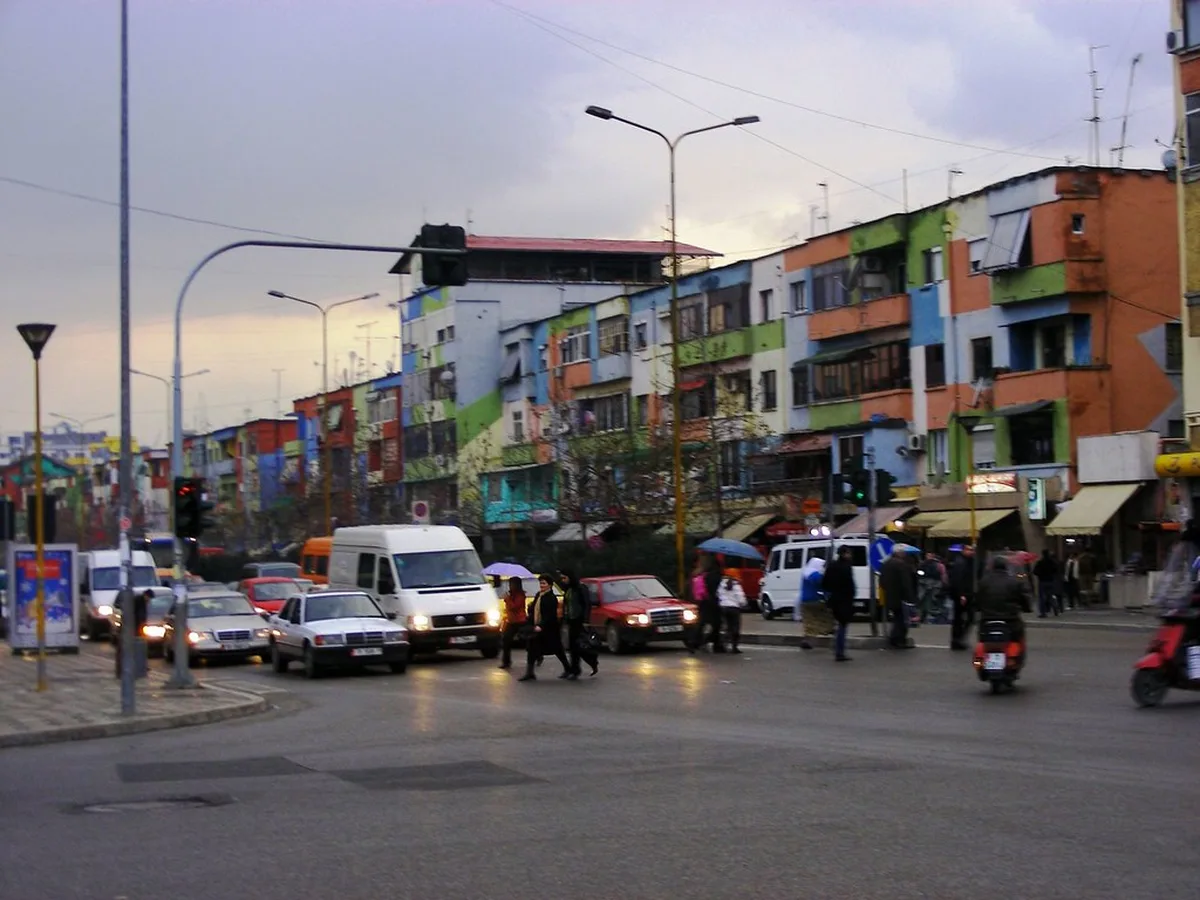
Tirana is a vibrant city that surprises many first-time visitors with its friendly atmosphere and colorful buildings. The city has transformed into a modern European hub where hospitality is a core part of local culture. Safety standards have improved significantly over the last decade as tourism has grown, and most visitors find the streets welcoming and locals eager to help foreign guests. You will find plenty of exciting things to do in Tirana without feeling constant concern for your security. This guide covers everything from neighborhood safety to common scams, transport risks, and solo travel tips.
General Safety and Crime Rates in Tirana
Statistical data consistently shows that Tirana is often safer than many major Western European capitals. Violent crime against tourists is extremely rare and usually not a concern for the average traveler. Most incidents involving visitors are limited to minor petty thefts like pickpocketing in crowded areas. Walking through the main squares during the day feels very secure for people of all ages and backgrounds, and the Albanian government's ongoing investment in urban regeneration since 2020 has made the city even more visitor-friendly.
Pickpockets operate primarily in high-traffic zones including the central Rinia Bus Terminal, the busy Pazari i Ri market in the northern quarter, and packed evening crowds along Bulevardi Bajram Curri. Keep your bag zipped and carry it in front of you when navigating these areas. Avoid displaying expensive jewelry, camera equipment, or large amounts of cash while exploring the more remote city outskirts. Simple precautions go a long way in ensuring your trip remains stress-free and enjoyable. A money belt or cross-body bag with a secure zip is a worthwhile investment for Skanderbeg Square visits during peak tourist season.
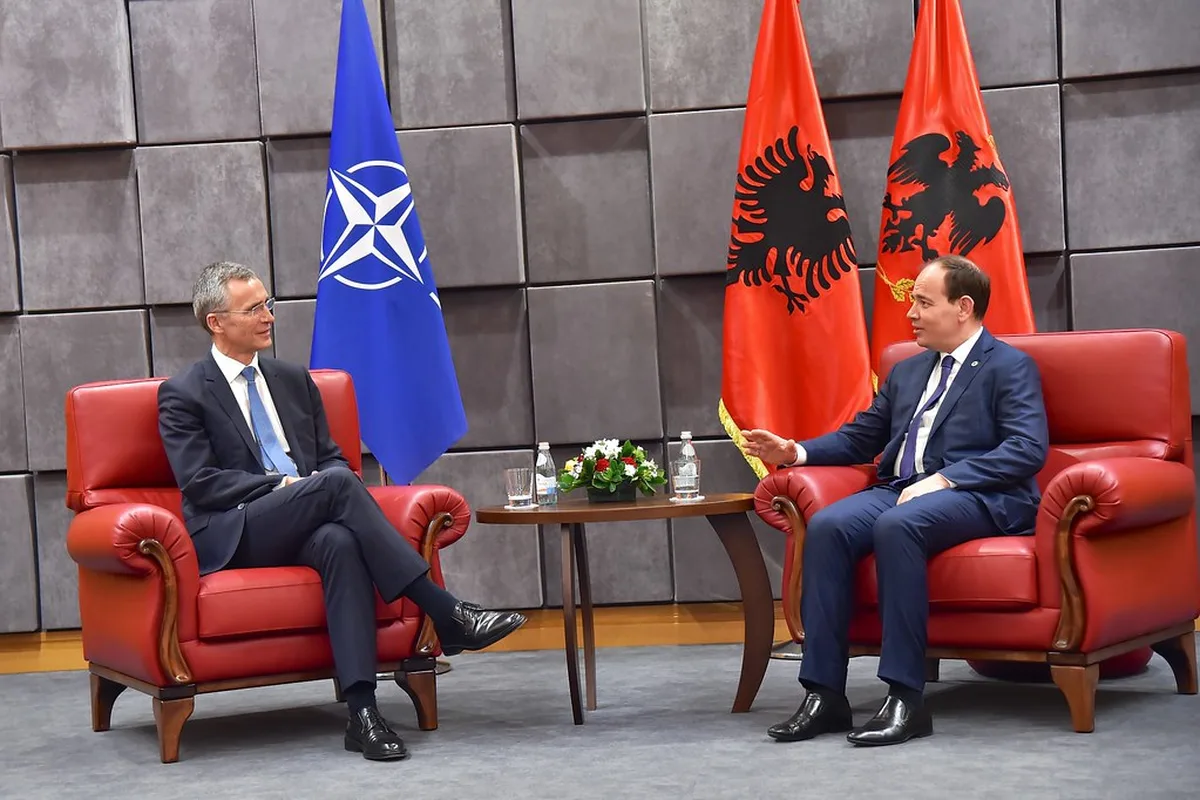
Local police officers are generally helpful and can often speak basic English in the city center. You can reach all emergency services in Albania by dialing 112 from any local or international mobile phone — the same number works for police, fire brigade, and ambulance. Stationary police kiosks are positioned near Skanderbeg Square and along Bulevardi Gjergj Fishta to provide immediate assistance to tourists. Dedicated tourist police patrols operate in the Blloku and Skanderbeg Square areas throughout summer months, and English-language assistance is increasingly available at these posts. If you need to make a non-emergency police report — for example, to document a theft for insurance purposes — the Central Police Commissariat on Rruga Mine Peza handles tourist incidents and can issue a written report.
Daytime exploration is very safe as the central boulevards are filled with families, students, and young professionals at all hours. The main promenades stay busy until late in the evening with locals enjoying their traditional evening walk, the xhiro. You will notice a strong sense of community that makes the urban environment feel surprisingly small and safe. Street lighting in the city center is excellent along all major arteries, which helps maintain visible security after dark. The Albanian government has invested heavily in urban regeneration since 2020, with CCTV coverage expanded across the Blloku, Komuna e Parisit, and Kombinat districts. The Artificial Lake Park (Parku i Liqenit Artificial) is patrolled throughout the day and is a popular safe space for families, joggers, and picnickers. All of this makes Tirana one of the more accessible and low-risk capital cities in the Balkans for independent travelers in 2026. The city's compact size — most major sights fall within a 2 km radius of Skanderbeg Square — means you can rely on walking rather than taxis for most daytime movement, further reducing exposure to transport-related risks.
Safe Neighborhoods for Tourists to Stay
Choosing the right neighborhood is the first step to feeling secure in a new city. The Blloku district, located south of the Lana River, is widely considered the most prestigious and safe area for international visitors. This former restricted communist-era zone is now the heart of the city's cafe culture, rooftop bars, and upscale dining. Staying here allows you to be within walking distance of the best Tirana walking tour routes and key cultural institutions. Hotel rates in Blloku for a mid-range double room start at approximately 6,000–8,000 ALL (€60–€80) per night in 2026, with budget guesthouses available from 3,500 ALL (€35) and boutique hotels reaching 12,000 ALL (€120) on weekends.
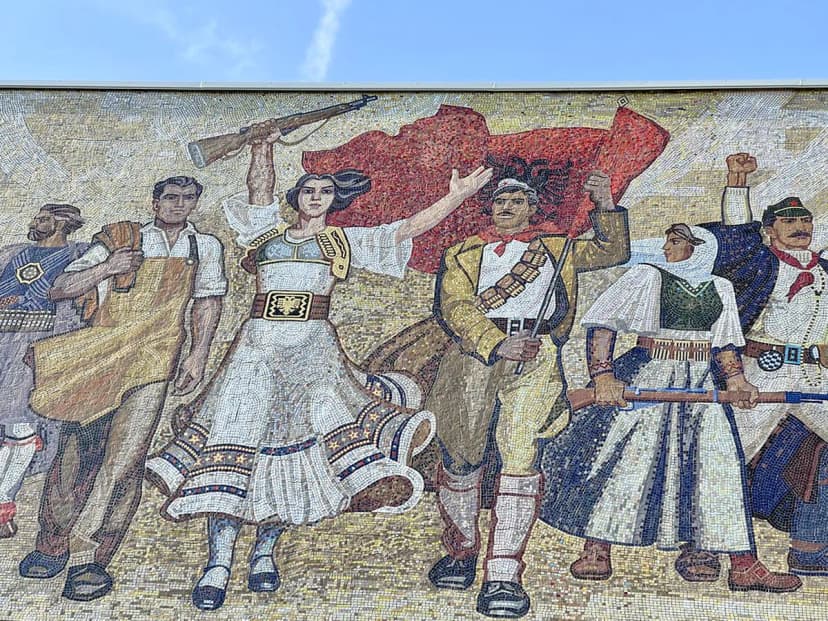
The area around Skanderbeg Square offers a more historic vibe with constant pedestrian activity throughout the day and evening. Hotels in this central zone benefit from 24-hour security and proximity to major government buildings, the National Historical Museum, and the Et'hem Bey Mosque. The Al Pazar area (Old Bazaar) immediately north of the square is safe to explore on foot at any hour — the mosaic of artisan workshops, traditional teahouses, and craft shops is well-lit and police-patrolled. Families often prefer the residential streets near the Grand Park (Parku i Madh) for a quieter and greener experience, with well-maintained pathways and artificial lake views. A city apartment near the park can be rented from 4,000 ALL (€40) per night via Airbnb, offering excellent value compared to central hotel prices.
Komuna e Parisit is a popular choice for longer-stay visitors who want a quieter, residential feel without sacrificing proximity to the center. The neighborhood is roughly 1.5 km west of Skanderbeg Square and has excellent cafe and restaurant options along its tree-lined streets. A 20-minute walk or a 300–400 ALL (€3–4) Bolt ride connects Komuna e Parisit to the main nightlife strip in Blloku, making it a practical and peaceful base. Kombinat, further south, is a working-class district that is perfectly safe in daylight but less comfortable to navigate on foot after midnight due to sporadic street lighting and lower foot traffic. For the safest and most enjoyable experience, first-time visitors should prioritize Blloku or the Skanderbeg Square corridor.
Some outskirts of the city may feel less polished but are not inherently dangerous for tourists. Poor street lighting in certain suburban areas can make nighttime navigation uncomfortable. Local guesthouses in these areas often provide a very authentic and safe Albanian hospitality experience. Always confirm your accommodation address in daylight before exploring at night, and share your location with a travel companion or trusted contact if you are staying further from the center.
- Blloku District
- Vibe: Trendy and upscale
- Safety: Highest in city
- Where: South of Lana River
- Best for: Nightlife and dining
- Cost guide: Hotels from 6,000 ALL (€60)/night
- Skanderbeg Square Area
- Vibe: Historic and busy
- Safety: Excellent police presence
- Where: Exact city center
- Best for: First-time visitors and sightseeing
- Cost guide: Mid-range hotels from 5,500 ALL (€55)/night
- Tirana Lake Park
- Vibe: Relaxed and green
- Safety: Very safe for families
- Where: Southern Tirana
- Best for: Morning jogs and picnics
- Cost guide: Apartments from 4,000 ALL (€40)/night
- Komuna e Parisit
- Vibe: Residential and quiet
- Safety: Very safe
- Where: West of city center
- Best for: Longer stays and apartment rentals
- Cost guide: Guesthouses from 3,500 ALL (€35)/night
Solo Female Travel Safety in Tirana
Tirana has earned a growing reputation as one of the more welcoming Balkan capitals for solo female travelers in 2026. Violent crime is rare, the main tourist areas are busy and well-lit, and locals are generally respectful toward international visitors. Many solo women travelers report feeling safer walking Tirana's streets at night than in comparable Southern European cities. The UK Foreign Office and US State Department both rate Albania as low-risk for standard tourist travel, and solo female-travel forums consistently highlight Tirana as a positive surprise.
The Blloku district is the social epicenter of Tirana after dark and is safe for solo women. The streets between Rruga Pjeter Bogdani and Rruga Vaso Pasha are packed with bars, restaurants, and cafes until 1:00 AM or later. The constant foot traffic, bright neon lighting, and mix of locals and expats creates a relaxed and social atmosphere. You are unlikely to encounter any threatening behavior in this zone. If you are exploring the Tirana nightlife scene alone, the Blloku strip is the safest starting point — most venues have visible security at the door and are accustomed to international female solo guests.
Staring culture is worth understanding before you arrive. Albanians, especially older residents, may stare at foreigners out of curiosity rather than hostility. This is a common cultural trait across the Balkans and is not a precursor to harassment. It can feel uncomfortable at first but typically dissipates once you move away from the immediate area or make brief eye contact and smile. Verbal street harassment is uncommon in the central tourist areas and very rare in Blloku specifically.
For getting around safely, always use the Bolt app rather than unmarked street taxis. Bolt operates throughout Tirana, shows driver name and registration plate before pickup, and provides a trip record. A typical Bolt ride within the city center costs 300–600 ALL (€3–6), while an airport transfer runs 1,200–1,500 ALL (€12–15) via app. Unmarked taxis near the airport and central bus station occasionally overcharge female passengers traveling alone — unlicensed drivers have been known to charge 3,000–5,000 ALL (€30–50) for the same airport-to-center trip. Registered Bolt drivers are rated by previous passengers and are a much safer and cheaper option for late-night travel. Keep the Bolt app installed and charged before heading out at night.
Safe neighborhoods specifically recommended for solo female travelers include Blloku, the Skanderbeg Square corridor, and Komuna e Parisit. All three areas have regular police patrols, dense foot traffic in the evenings, and proximity to pharmacies and 24-hour convenience stores. If you feel uncomfortable at any point, dial 112 for immediate assistance — Albanian emergency operators increasingly have English-language capability. The tradition of Besa — the Albanian cultural code of protecting guests — means locals will often step in proactively if they see a traveler in distress. Pharmacies (farmaci) charge a standard consultation fee of around 500 ALL (€5) for advice from a licensed pharmacist, making them a useful first point of contact for minor health concerns.
Tirana Road Safety and Traffic: The Biggest Hidden Risk for Tourists
Traffic conditions in Tirana represent the single most underestimated safety risk for tourists in 2026. Albania historically ranked among the countries with the highest road accident rates in the wider European region, and while significant improvements have been made under EU-alignment reforms, the driving culture remains aggressive by Western European standards. Pedestrians, cyclists, and first-time drivers in the city should be fully briefed before stepping onto Tirana's roads.
Pedestrian right-of-way is technically enshrined in Albanian law but is not reliably enforced at ground level. Zebra crossings on secondary streets frequently see cars passing without slowing, even when pedestrians are mid-crossing. The "green man" rule tourists should adopt: wait for vehicles to come to a full and complete stop before stepping off the kerb, even when the pedestrian light is green. Make eye contact with the nearest driver, hold up a hand palm-out if needed, and proceed only when all lanes have cleared. Never assume a stopping car means all lanes are stopping — motorbikes frequently overtake on the right and can appear without warning.
Motorbikes and scooters are an additional hazard specific to Tirana. In busy periods, riders use pavements (sidewalks) as overflow lanes, particularly along Rruga Myslym Shyri and around the Pazari i Ri market. Stay alert when walking on narrower pavements and keep children close to the building side of the footpath rather than the road edge. Delivery riders operate at speed in Blloku in the evenings, so checking behind you before stepping sideways is a sensible habit.
The Ring Road (Unaza) that encircles central Tirana carries fast-moving multi-lane traffic and should be crossed only at designated traffic-light crossings. Hotels near the Ring Road — particularly in the eastern and northern sections — can experience significant noise at night from trucks and late-night traffic. If you are a light sleeper, request a room on the interior courtyard side of the building, or choose accommodation in the quieter Blloku streets set back from the ring.
For visitors considering renting a car, driving in Tirana itself is not recommended for inexperienced international drivers. The combination of unmarked lanes, aggressive lane-changing, sudden horn use as a navigation signal, and unpredictable parking in active traffic lanes creates a stressful environment. Renting a car is worthwhile only for experienced drivers who need to access areas outside the capital — for example, to explore the Albanian Riviera or make day trips from Tirana to destinations like Berat or the UNESCO-listed Gjirokastër. Requirements for rental: a valid driving licence from your home country, an International Driving Permit (IDP), a passport, and a credit card for the deposit. Rental agencies at Nënë Tereza Airport include Europcar, Hertz, and local operator Albania Car Rental; daily rates for a small car start at approximately 4,000–5,000 ALL (€40–50) including basic insurance. Night driving on mountain roads in northern Albania is strongly discouraged — roads can be narrow, unmarked, and unlit.
For taxi safety, the hierarchy from most to least reliable is: Bolt app (most recommended — transparent fare, driver tracking, rating system), Radikal Taxi app (local alternative, similar features), hotel-dispatched taxis (fixed rate agreed in advance at reception), and last-resort street-hail of clearly marked yellow metered cabs. The airport-to-center route via Bolt or Radikal costs 1,200–1,500 ALL (€12–15); unlicensed "taxi" drivers in the arrivals hall quote 3,000–5,000 ALL (€30–50) and should be avoided entirely. Book your ride via app before exiting the terminal building to bypass all unsolicited offers. Public city buses are safe and cost a flat 40 ALL (€0.40) per journey but are best avoided during the 7:30–9:00 AM and 5:00–7:00 PM rush-hour windows when overcrowding increases pickpocket risk.
Transport Safety in Tirana: Taxis, Buses, and Getting Around
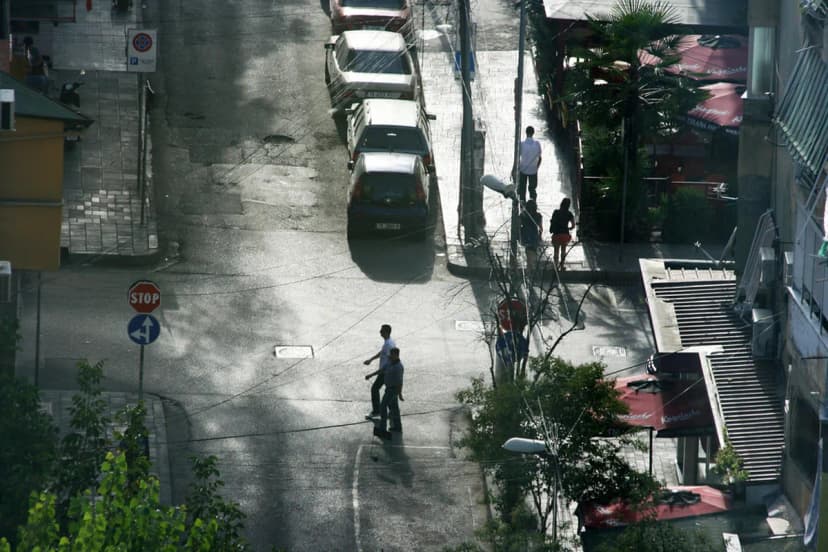
Navigating the traffic in Tirana is often the most challenging part of staying safe in the city. Drivers can be aggressive and may not always yield to pedestrians at marked crossings on secondary streets. Always make eye contact with drivers before stepping into the street, even when you have the legal right of way. The city center is quite compact — most sights lie within a 30-minute walk of Skanderbeg Square — making walking the safest and most efficient way to explore during daylight hours.
Taxis are plentiful and safe as long as you use official yellow metered vehicles or app-based services. Avoid unmarked cars that solicit rides near Nënë Tereza International Airport or the Rinia Bus Terminal — these unlicensed drivers frequently overcharge tourists, sometimes by 3–5 times the fair rate. A typical Bolt ride within the city center costs 300–600 ALL (€3–6). The airport-to-center journey via app runs 1,200–1,500 ALL (€12–15), compared with 3,000–5,000 ALL (€30–50) charged by unlicensed drivers at the arrivals door. The Bolt app is the most reliable way to book a ride: it shows driver details upfront, tracks your route in real time, and charges a transparent fare. Alternatively, Radikal Taxi is a licensed local app with comparable safety features and similar pricing. Hotel receptions can also pre-book a trusted licensed taxi at a fixed agreed rate, which is useful for very early morning airport departures when app availability can be limited.
Public buses, known locally as furgons, are a safe but sometimes crowded way to travel within and beyond the city. They are excellent for planning day trips from Tirana to nearby towns like Krujë, Durrës, and Shkodër — intercity furgon fares to Durrës cost approximately 200–300 ALL (€2–3) each way. Keep a close eye on your belongings while on the bus, as they can get very crowded during morning and evening rush hour. Most city bus lines stop running around 8:00 PM, so plan your return trips accordingly if you are heading to an outer district. City buses charge a flat 40 ALL (€0.40) per trip and are a practical budget option for daytime crosstown journeys. For late-night travel, Bolt remains the recommended option at 300–600 ALL (€3–6) for most central routes.
If you plan to rent a car and drive outside the capital, be aware that Albanian road conditions vary significantly. Major highways connecting Tirana to Durrës (SH2 expressway) and Elbasan are modern and well-maintained, but mountain roads in the northern highlands — including routes toward Shkodër and Theth — can be narrow, poorly lit, and unmarked. Driving defensively and avoiding night driving on rural routes is strongly recommended for visitors unfamiliar with local conditions. Always carry your International Driving Permit, a colour copy of your passport, and full vehicle documentation when driving in Albania. Fuel is readily available in Tirana and along major highways, with petrol (gasoline) priced at approximately 200–220 ALL (€2.00–2.20) per litre in 2026.
Common Scams and What to Watch Out For
Understanding local body language can prevent many confusing situations during your visit. Albanians often shake their head for "yes" and nod for "no" — the exact opposite of Western norms. This can lead to genuine misunderstandings in restaurants, at market stalls, or when asking for directions. Always double-check verbal answers and consider using simple written questions on your phone to confirm key information. When ordering food, pointing at the menu item or asking the server to write down the price in ALL before you order eliminates most accidental misunderstandings.
The most common tourist scams in Tirana involve taxi overcharging, unofficial currency exchange, and short-change tricks at market stalls. Unlicensed taxi drivers near the airport often quote fares of 3,000–5,000 ALL (€30–50) for a journey that should cost 1,200–1,500 ALL (€12–15) on Bolt. Avoid any driver who approaches you first in the arrivals hall — book via app before exiting the terminal. Unofficial currency exchangers on Rruga Mine Peza and near Skanderbeg Square sometimes offer attractive rates but hand back counterfeit 500 ALL or 1,000 ALL notes; always use a bank ATM — Credins Bank, Raiffeisen Bank, and BKT all have central branches with reliable machines — or exchange at your hotel reception.
Some vendors at Pazari i Ri market and near Skanderbeg Square may try to overcharge tourists who do not know local prices. Always ask for the price before ordering food or purchasing souvenirs at an open stall. As a rough guide in 2026: a cup of coffee costs around 100–150 ALL (€1.00–1.50), a standard cafe lunch runs 800–1,200 ALL (€8–12), a local beer at a bar is approximately 250–400 ALL (€2.50–4.00), and a souvenir magnet or keyring should not cost more than 200–300 ALL (€2–3). Knowing these baseline costs makes it immediately obvious when a price is inflated for tourists.
Credit cards are accepted in major hotels, supermarkets, and shopping malls like Tirana East Gate and QTU, but Albania is still a predominantly cash-based society for day-to-day transactions. Use ATMs located inside bank branches to avoid potential card skimming devices on standalone street machines. Standard ATM withdrawal fees in Tirana are typically 200–300 ALL (€2–3) per transaction regardless of the amount withdrawn, so withdrawing larger sums less frequently is more economical. Keep a small amount of cash — ideally 2,000–3,000 ALL (€20–30) — accessible for daily expenses and secure the remainder in your accommodation safe. Most businesses are honest, but checking your change immediately after a transaction is a smart habit everywhere.
Finally, be cautious around the "friendly local" scam where someone strikes up a conversation, invites you for drinks, and then disappears when an enormous bill arrives. This scam is not widespread in Tirana but has been reported at a handful of tourist-facing bars near the central station area. If a stranger is unusually eager to take you to a specific venue, politely decline and choose a bar from a verified review platform like Google Maps or TripAdvisor instead. The overwhelmingly genuine friendliness of Albanians — rooted in the cultural code of Besa — makes this scam easy to spot because it feels forced by comparison. Genuine Albanian hospitality typically involves an invitation to someone's home or neighborhood cafe, not a tourist-facing nightclub.
Health and Emergency Preparedness
In any emergency in Albania, dial 112. This single number connects to police, fire, and medical services and is available 24 hours a day from any mobile or landline. English-speaking operators are available at the 112 dispatch centre in Tirana. It is also worth saving the number for the nearest hospital to your accommodation before you go out each day. Screenshot the address in both Latin and Albanian script so you can show it to a taxi driver quickly in an emergency.
The main public hospital in central Tirana is Spitali Universitar "Nënë Tereza" (Mother Teresa University Hospital) on Bulevardi Gjergj Fishta, approximately 1.5 km north of Skanderbeg Square. Emergency treatment is provided to all patients including foreigners, though wait times at the public emergency department can be long. For non-emergency medical care and English-speaking doctors, American Hospital Tirana on Rruga Gjin Bue Shpata is the most recommended option for international visitors; it accepts most European Health Insurance Cards (EHIC) and major international insurance plans. A standard GP consultation at American Hospital costs approximately 3,000–4,000 ALL (€30–40). Pharmacies (farmaci) are plentiful across the city center and are usually open from 8:00 AM to 8:00 PM; a 24-hour pharmacy operates near the American Hospital and is well-signposted. For additional authoritative guidance on safety and security, consult UK government travel advice for Albania.
Travel insurance covering medical evacuation is strongly recommended for Albania, as complex procedures may require transfer to facilities in Greece or Italy. Annual multi-trip policies for EU citizens that include Albania typically cost 5,000–8,000 ALL (€50–80) — compare this against the potential cost of an air ambulance to Athens or Rome. Tap water in Tirana is treated but many travelers prefer to drink bottled water due to aging pipe infrastructure in older apartment buildings; bottled water is widely available for around 50–100 ALL (€0.50–1.00) per 1.5-litre bottle. Standard EU-compatible power outlets (Type C/F, 230V) are used throughout Albania, so European travelers need no adapter. Keep a digital copy of your passport, insurance policy, and hotel address accessible offline on your phone.
The nearest Albanian beach at Durrës is only 35 km from Tirana — a popular day trip option if you want to combine city exploration with coastal relaxation. You can find a detailed overview of options in our Tirana beach guide. For historical sightseeing within the capital itself, the Tirana old town area around Et'hem Bey Mosque and the National Museum provides a safe, compact, and well-signposted circuit — see our Tirana old town guide for a self-guided route.
Frequently Asked Questions
Is Tirana safe for tourists in 2026?
Yes. Tirana is one of the safer capital cities in the Balkans in 2026. Violent crime against tourists is rare, the city center is well-policed, and locals are known for their hospitality under the cultural code of Besa. Standard precautions — using Bolt instead of unmarked taxis, securing valuables in crowds, and sticking to lit streets at night — are sufficient for most travelers. The UK Foreign Office and US State Department both rate Albania as low-risk for standard tourist travel.
Is Tirana safe for solo female travelers?
Tirana is safe for solo female travelers. The Blloku district is busy and well-lit until 1:00 AM or later, violent crime is rare, and locals are generally respectful. Use the Bolt app for late-night transport (300–600 ALL / €3–6 within the city center) instead of unmarked taxis, stick to central neighborhoods like Blloku and Skanderbeg Square, and dial 112 for any emergency. Staring from older locals is common but is a cultural curiosity rather than harassment. The Albanian tradition of Besa means bystanders often step in proactively if a traveler appears to be in distress.
What are the main scams targeting tourists in Tirana?
The most common scams are: (1) unlicensed airport taxis quoting 3,000–5,000 ALL (€30–50) for a trip that costs 1,200–1,500 ALL (€12–15) on the Bolt app — always book via app before leaving the terminal; (2) unofficial currency exchangers handing back counterfeit bills — use bank ATMs inside Credins Bank, Raiffeisen, or BKT branches only; (3) short-changing at Pazari i Ri market stalls — check your change immediately; and (4) the "friendly local" bar scam where a stranger leads you to a tourist-trap venue and disappears before an inflated bill arrives. Genuine Albanian friendliness feels natural; this scam feels forced and pushy by comparison.
What is the emergency number in Albania?
The emergency number in Albania is 112. This single number connects to police, fire, and ambulance services and works from any mobile or landline 24 hours a day throughout the country. English-speaking operators are available at the Tirana dispatch centre. Save 112 and the address of the nearest hospital before you go out each day. For a non-emergency police report (e.g. to document a theft for travel insurance), go to the Central Police Commissariat on Rruga Mine Peza in central Tirana.
Are there any areas to avoid in Tirana?
There are no designated no-go zones for tourists in Tirana. The outer suburban districts such as Kombinat and Shën Gjin can feel uncomfortable at night due to poor street lighting and less foot traffic, but serious crime in these areas targeting tourists is not documented. Stick to Blloku, the Skanderbeg Square corridor, and Komuna e Parisit for the safest nighttime experience. In all areas, the biggest physical risk is traffic — drivers do not reliably yield to pedestrians even at marked crossings, so always wait for a complete stop before stepping into the road.
Can I drink the tap water in Tirana?
Tap water in Tirana is treated but the aging pipe infrastructure in some older buildings can affect taste and quality. Most visitors and locals in central districts drink bottled water as a precaution. Bottled water is widely available at every corner shop and supermarket for around 50–100 ALL (€0.50–1.00) per 1.5-litre bottle. Hotels with newer plumbing (most Blloku and Skanderbeg Square properties built after 2010) typically have safe tap water, but bottled water is so cheap and accessible that it remains the easier choice.
Is it safe to walk around Tirana at night?
Yes, walking at night in central Tirana is generally safe. The Blloku district and the Skanderbeg Square area remain busy with locals and tourists until late. Street lighting on major boulevards is good and the city's xhiro (evening stroll) culture keeps promenades active well after dark. Avoid poorly lit side streets in outer districts after midnight, and use Bolt for longer journeys home after a late evening out — a typical central city Bolt ride costs 300–600 ALL (€3–6). The main nighttime hazard is traffic, not crime: always cross at lights and wait for a full stop before stepping off the kerb.
Tirana is a safe and welcoming destination that offers a unique blend of Balkan history and contemporary European energy. The greatest risk tourists face in 2026 is not crime — it is traffic: Tirana's aggressive driving culture and unpredictable pedestrian crossings require constant awareness. By following basic travel precautions — using Bolt or Radikal Taxi over unmarked cabs, securing valuables in busy markets, always waiting for a full stop before crossing the road, and knowing the 112 emergency number — you can explore the city confidently. The local population is incredibly hospitable, guided by the cultural code of Besa, and eager to ensure every guest has a positive experience. See our Tirana walking tour guide to plan your first day safely on foot, and check the Tirana old town guide for the safest historic circuit through the city center. Pack your bags with confidence and prepare to discover one of Europe's most underrated and rapidly improving capital cities.