The Ultimate Tirana Beach Guide for Your Albania Trip
Tirana's nearest beach is Durrës (38 km, 1h by bus 150 ALL/€1.50); for the Albanian Riviera, Vlorë is 150 km south (bus 800 ALL/€8, 2.5h) with pristine coves and transparent Ionian water; beach sunbed hire costs 500–800 ALL (€5–8) in 2026.
The Albanian Riviera beaches (Dhermi, Himara, Sarandë) rival the Greek islands at a fraction of the cost; Dhermi apartment rental costs €25–50/night in summer; local grilled fish costs 800–1,200 ALL (€8–12) at beach restaurants; peak season July–August, shoulder season June/September excellent.
Tirana sits inland, but the sparkling Adriatic Sea remains just a short drive away from the city center. Many visitors use the capital as a base to explore the stunning Albanian coastline during their stay. This tirana beach guide helps you find the best spots for a refreshing day trip under the sun. You will discover that reaching the shore is both affordable and convenient for any traveler.
While the city lacks its own sand, the nearby coastal towns offer diverse experiences for every preference. From bustling resort hubs to quiet natural capes, the variety of seaside options might surprise you. Planning a coastal escape allows you to balance urban exploration with relaxing Mediterranean vibes. Most local beaches are reachable in under an hour when traffic conditions are favorable.
The Closest Coastal Escapes from Tirana
Durrës serves as the most accessible seaside destination for those staying in the capital city. The main city beach, known locally as Plazhi i Durrësit, stretches nearly five kilometres along a shallow bay and is ideal for young children due to its gentle gradient. The sandy strip runs from the old ferry port southward past the rows of rented sunbeds that line the promenade. In 2026, a pair of loungers with an umbrella at the city beach costs 500–700 ALL (€5–7) per day at most independent operators, rising to 1,000 ALL (€10) at the newer hotel-affiliated sections.
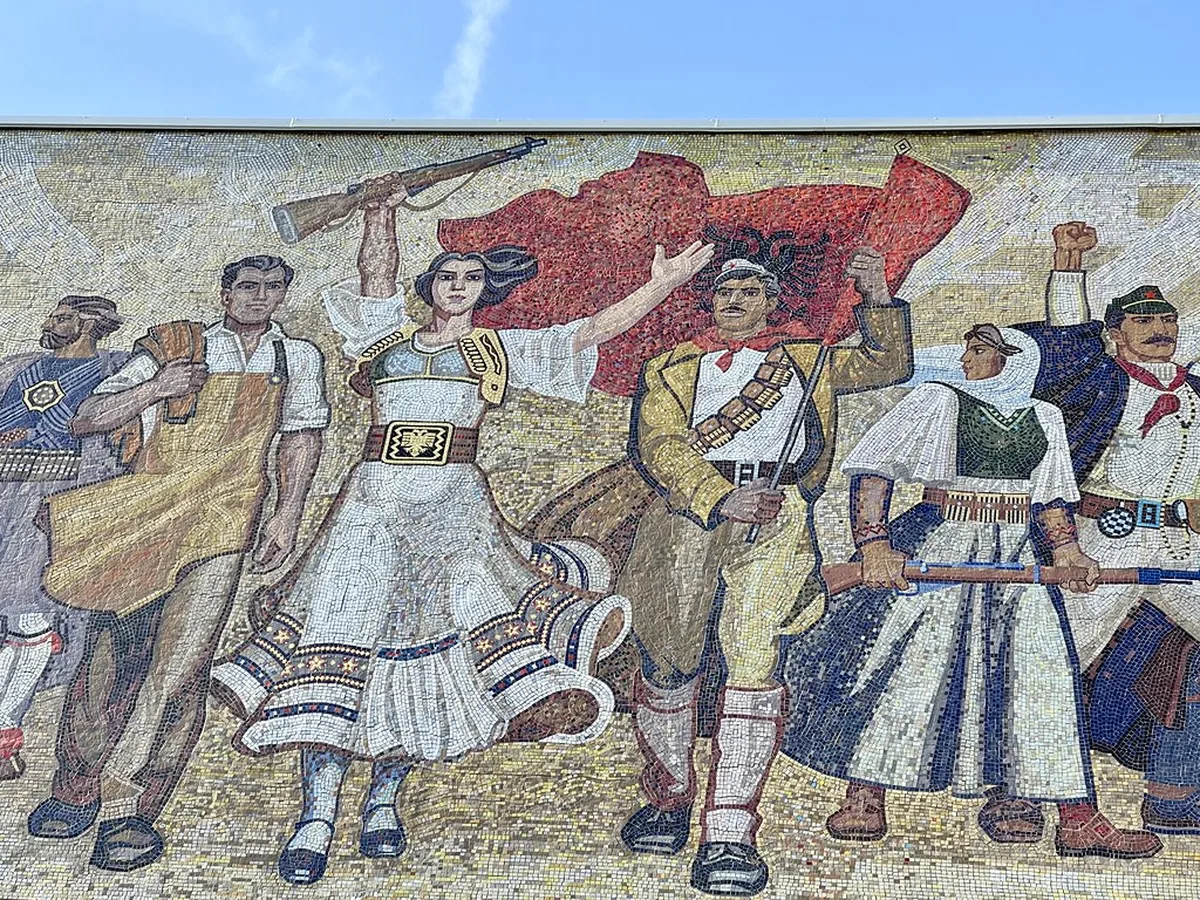
Walking along the promenade allows you to see Roman ruins right next to modern seaside cafes. The second-century Roman amphitheater sits just five minutes inland from the beach and is free to view from outside. Many visitors combine a morning swim with a self-guided archaeology loop before lunch. Expect grilled fish dishes at promenade tavernas to run 600–900 ALL (€6–9) per plate in 2026. The beach itself fills up quickly on summer weekends, so arriving before 09:00 is strongly recommended to secure a good spot near the water.
Heading slightly south of the main port brings you to the resort area of Golem. This section offers wider, cleaner sandy shores and a noticeably calmer atmosphere than the busy city centre. Golem Beach is roughly 45 km from Tirana, or about ten minutes further by bus from Durrës city centre, and is lined with family-run guesthouses charging 3,000–5,000 ALL (€30–50) per room per night in 2026. Sunbeds here are typically 600–800 ALL (€6–8) per pair. Many smaller hotels provide private beach access, but large stretches of public sand remain open at no charge for day visitors throughout summer 2026.
Further south along the Adriatic, Lalzit Bay (Gjiri i Lalzit) attracts a younger crowd looking for beach clubs and evening entertainment. Located 55 km from Tirana and reachable in about 65 minutes by car, Lalzit Bay has some of the clearest Adriatic water near the capital. Premium sunbeds at the bay's top clubs cost 1,000–1,500 ALL (€10–15) per lounger per day, while standard public sections charge 500–700 ALL (€5–7). The water temperature reaches 24–26 °C in July and August, making it excellent for swimming, kayaking (500 ALL/€5 per hour), and paddleboarding (800 ALL/€8 per hour). Compared to the city beach at Durrës, the sea here is noticeably calmer and cleaner due to lower industrial runoff.
Integrating history with relaxation makes for a productive and enjoyable day trip from Tirana. The proximity ensures you can return to the capital in time for a late dinner. Most coastal buses run until early evening, providing flexibility for your daily schedule. Whether you opt for the quick 45-minute furgon ride to Durrës or the slightly longer coastal drive to Golem, all of these destinations offer genuine value for money that few Mediterranean destinations can match in 2026.
- Durrës City Beach
- Distance: 38 km from Tirana
- Sunbeds: 500–700 ALL (€5–7)/pair/day
- Vibe: Busy and urban, historic ruins nearby
- Best for: Families, history lovers
- Access: Furgon 300 ALL (€3), 45 min
- Golem Beach
- Distance: 45 km from Tirana
- Sunbeds: 600–800 ALL (€6–8)/pair/day
- Vibe: Resort-focused, cleaner sand, quieter than Durrës
- Best for: Relaxation, overnight stays
- Access: Bus 350 ALL (€3.50), 55 min
- Lalzit Bay
- Distance: 55 km from Tirana
- Sunbeds: 500–1,500 ALL (€5–15)/lounger/day
- Vibe: Upscale beach clubs, DJ events, turquoise water
- Best for: Young adults, couples, evening events
- Access: Car or taxi 3,500–5,000 ALL (€35–50) return
Durrës Beach: Albania's Most Accessible Seaside Town
Durrës is the definitive answer for any traveller asking what the nearest beach to Tirana is. Positioned 38 km due west of the capital along a flat coastal highway, it is the most frequently visited seaside destination in Albania and the one best served by public transport. The main sandy strip runs for five kilometres and faces the calm, shallow waters of the Adriatic that warm to 22–26 °C in July and August — conditions ideal for swimming, paddleboarding, and water volleyball. The city's ancient Roman heritage includes one of the Balkans' most impressive amphitheatres, combining beach relaxation with historical exploration. The gentle gradient into the sea makes this beach one of the safest for children, with water rarely exceeding knee depth for the first 15–20 metres from the shore.
Getting there from Tirana is straightforward even without a car. Furgon minibuses depart every 15–30 minutes throughout the day from Tirana's South Terminal (Terminali i Jugut) on Rruga Mine Peza. The one-way fare is 300 ALL (€3) and the journey takes 40–50 minutes depending on traffic. Regular buses on the same route cost 200 ALL (€2) but stop more frequently and take closer to an hour. Taxis charge 2,500–3,500 ALL (€25–35) one-way, or around 4,500 ALL (€45) return if you negotiate a waiting fare for the day. Driving yourself via the SH2 highway is also an option — the road is flat and well-maintained, with ample parking at dedicated lots near the beach entrance for 200–300 ALL (€2–3) per half day in 2026.
Once at the beach, sunbeds are plentiful and competitively priced. Independent operators along the public strip rent a pair of loungers with an umbrella for 500–800 ALL (€5–8) per day in 2026. The hotel-affiliated sections at the southern end of the promenade charge 1,000–1,500 ALL (€10–15) but include access to showers, changing rooms, and lockable lockers. Most vendors also rent pedal boats for 800 ALL (€8) per 30 minutes and kayaks for 500 ALL (€5) per hour. Jet ski rides are available at the northern end of the beach at approximately 2,000 ALL (€20) per 15-minute session.
Seafood is both fresh and affordable along the Durrës promenade. A grilled sea bream (levrek) with salad and bread costs 700–900 ALL (€7–9) at a typical taverna, while a plate of mixed fried calamari runs 600–800 ALL (€6–8). Budget for 1,500–2,500 ALL (€15–25) per person for a full lunch with a drink. The restaurants closest to the ferry terminal are often slightly cheaper than those on the tourist promenade. For evening meals, fish restaurants on the backstreets charge 1,000–1,800 ALL (€10–18) for mains. Local cold beer at a beachside bar costs 200–300 ALL (€2–3) and fresh-squeezed orange juice runs 150–200 ALL (€1.50–2).
The historic dimension of Durrës sets it apart from other Albanian beach resorts. The second-century Roman amphitheater — one of the largest in the Balkans — sits just five minutes inland from the main promenade and is free to view from outside or costs 500 ALL (€5) for a full entry ticket in 2026. The Durrës Archaeological Museum nearby charges 300 ALL (€3) and houses a superb collection of Illyrian and Roman artefacts. Many visitors combine a morning swim with a self-guided archaeology loop before a promenade lunch. Walking the old city walls in the early evening, after the beach crowds disperse, reveals a quieter side of this surprisingly historic port town.
Day-trippers who want to stay overnight will find Durrës has a wide range of budget guesthouses. Basic rooms start at 2,500 ALL (€25) per night, while mid-range hotels with sea views charge 5,000–8,000 ALL (€50–80). An overnight stay is especially worthwhile in June or September when you can enjoy the promenade after the day crowds have left. Durrës also makes a convenient base for reaching Golem, Lalzit Bay, and Spille Beach without returning to Tirana each day. Whether you come for a quick dip or a leisurely stopover, this city sits at the heart of every practical Tirana beach itinerary.
Planning Your Tirana Beach Guide Excursion
Getting to the coast requires choosing between public buses, furgon minibuses, private taxis, or renting your own vehicle. Furgons to Durrës depart every 15–30 minutes from the South Terminal and cost 300 ALL (€3) one-way, making them the fastest and most popular option for independent travellers. Regular buses on the same route charge 200 ALL (€2) but take slightly longer due to additional stops. Taxis offer more comfort and cost around 2,500–3,500 ALL (€25–35) for a one-way journey, or 4,500 ALL (€45) return if you agree on a day rate in advance. Car rental in Tirana typically costs 3,000–5,000 ALL (€30–50) per day from reputable agencies near Skanderbeg Square, giving you the freedom to hop between Durrës, Golem, and Spille in a single outing.
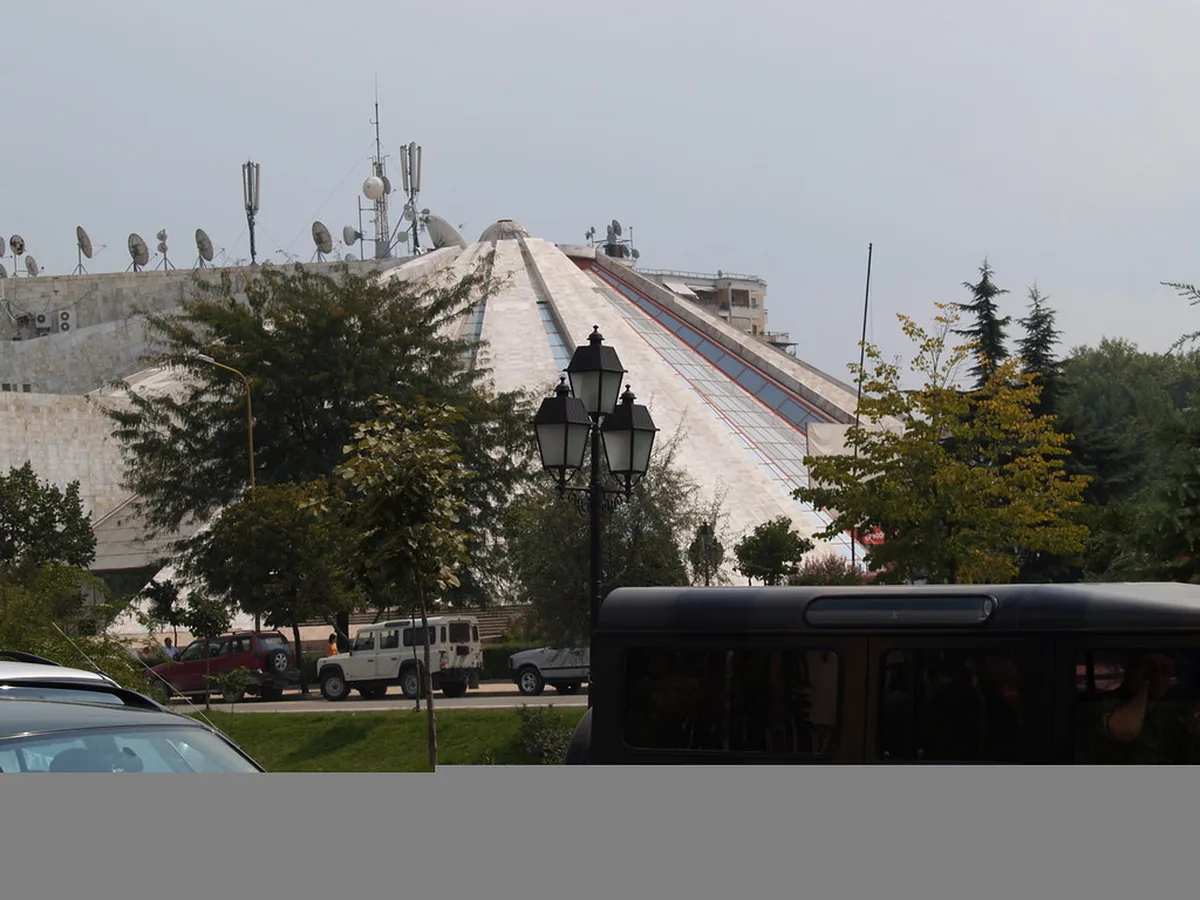
Parking near the main beaches can become difficult during the peak summer months of July and August. Arriving before 10:00 AM usually helps you secure a spot near the water without much stress. Designated paid parking lots near Durrës beach charge 200–300 ALL (€2–3) per half day in 2026, while street parking is free but scarce by mid-morning on weekends. Safety is rarely a concern in these busy coastal areas, but always keep your valuables out of sight. The general travel safety context for Tirana safety for tourists applies equally to the nearby coastal towns. Pickpocketing incidents are minimal but using a waterproof belt bag for phones and cash at the beach is always sensible practice.
Packing wisely saves money and discomfort in equal measure. Bring your own snacks and at least two litres of water per person — beach vendors charge a 50–100% premium on bottled water (200–300 ALL/€2–3 per 500ml) compared to supermarket prices. Factor 50+ sunscreen is essential; the Albanian summer sun is intense, especially from 11:00 to 16:00. Reef shoes are advisable for rocky entry points at Cape of Rodon and some sections of Golem Beach. A lightweight beach towel, a small dry bag for electronics, and a sun hat complete a practical kit for the day. Beach umbrellas are available for hire at most spots (200–300 ALL/€2–3 per day) if you have not brought your own.
The best time to visit the coast is during June or September to avoid extreme heat and the peak weekend rush. Temperatures in August often soar above 35 °C, making the sand very hot for barefoot walking between 12:00 and 16:00. Sea water temperatures peak at 26 °C in August and remain comfortable at 22–24 °C through early October. Weekday visits are highly recommended to avoid the heavy crowds that arrive from the capital on Saturdays and Sundays. If you are travelling in July or August, aim to be at the beach by 09:00 and plan your return trip for after 18:00 when traffic on the Tirana–Durrës highway dissipates. During a walking tour of Tirana, your guide or hotel can advise on current bus schedules from the South Terminal.
Hidden Gems: Cape of Rodon and Spille
Cape of Rodon (Kepi i Rodonit) offers a dramatic landscape that differs significantly from the flat sands of Durrës. This rocky peninsula features a small 15th-century church and the ruins of a fortress built by the Albanian national hero Gjergj Kastrioti Skanderbeg, which are free to explore once you arrive. The drive from Tirana takes approximately 75 minutes by car, heading north on the SH1 highway before turning toward the coast near Fushë-Krujë and following the narrow coastal road for the final 12 km. No regular bus service reaches the Cape directly, so a rental car (3,000–5,000 ALL/€30–50 per day) or a private taxi (3,500–5,000 ALL/€35–50 return from Tirana, negotiate a waiting fee) is necessary. Some Tirana-based tour operators offer group day trips to Cape of Rodon for around 3,000 ALL (€30) per person including transport, making it an affordable option if you prefer not to drive.
The water at Cape of Rodon is crystal clear with a turquoise hue caused by the rocky seabed and the near-total absence of river sediment. Snorkelling is excellent here, with visibility often exceeding five metres on calm days — you can observe sea urchins, small octopuses, and shoals of silver fish in the shallows. There are no formal sunbed operators on most of the cape's beaches, meaning access to the shore and the sea is completely free of charge. The freedom from commercial beach operators makes Cape of Rodon feel a world away from the busy promenades of Durrës. Bring your own snorkelling mask, mat, snacks, and drinking water, as the only facilities are a single small cafe near the castle parking area that charges 200–300 ALL (€2–3) for a coffee and 400–600 ALL (€4–6) for a simple snack plate.
Spille Beach provides a unique setting where a dense Aleppo pine forest meets the Adriatic Sea directly behind the shoreline. The trees offer natural shade — a rare and genuinely valuable feature during the hottest Albanian afternoons when temperatures routinely exceed 35 °C — and the sound of wind through the pines adds to the tranquil atmosphere. Families strongly prefer this spot because the water stays shallow for nearly 50 metres out, and the sandy bottom is free of sharp rocks and sea urchins, unlike the rockier northern capes. Sunbeds are available on the southern part of Spille Beach for 500 ALL (€5) per pair per day in 2026, but the northern pine-shaded section is entirely free and easily reached on foot from the car park. A small beach bar near the main access path sells cold drinks for 200–300 ALL (€2–3) and grilled corn for 100 ALL (€1), making Spille an ideal self-catering beach day destination.
Both Cape of Rodon and Spille are best visited on a weekday during June or September, when visitor numbers are lower and the sea conditions are calmer. Exploring these quieter locations shows you the more rugged and authentic side of Albania's Adriatic coastline. Ensure your rental car has adequate ground clearance, as some access tracks to the Cape's northern coves can be potholed after rain. Combining both destinations in a single day trip is possible: visit Cape of Rodon in the morning for the fortress and snorkelling, then drive south to Spille for an afternoon under the pines before heading back to Tirana via Durrës for a seafood dinner on the promenade.
Beach Clubs and Evening Entertainment
Lalzit Bay (Gjiri i Lalzit) has emerged as the premier destination for upscale beach clubs and trendy seaside lounges on the Adriatic coast north of Durrës. Located roughly 55 km from Tirana and accessible in about 65 minutes by car via the coastal road (take the SH2 toward Durrës, then the coastal route north at Kavajë), the bay offers turquoise, sheltered water and a fine sandy beach that stretches for two kilometres. Many of its venues host live DJs and themed parties during summer weekends in 2026, drawing a younger, more affluent crowd from the capital and from visiting tourists based in Durrës. The bay's protected orientation means the water is calmer than the open sea at Durrës, creating ideal conditions for paddleboarding and swimming even on windier days.
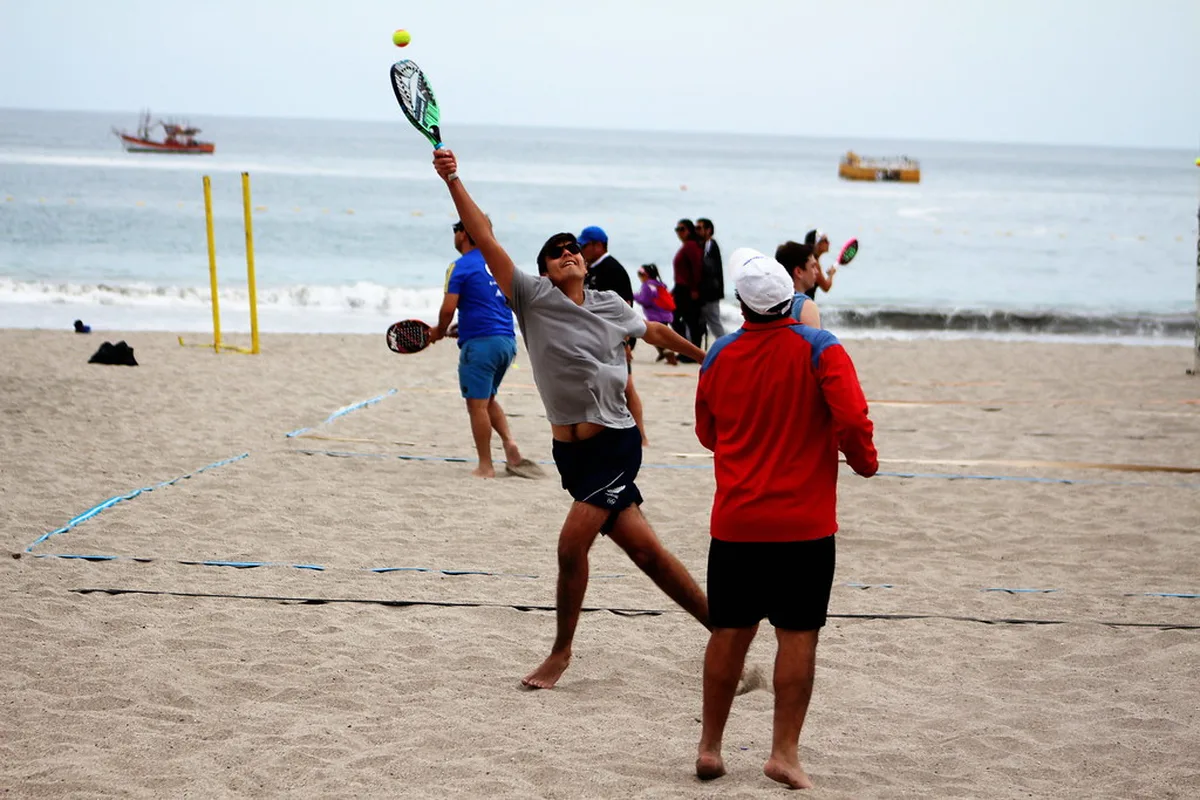
Entry fees are uncommon at Lalzit Bay clubs, but you are expected to rent a sunbed or order from the menu — this is a standard expectation at all Albanian beach club venues. Premium sunbeds at the top clubs cost 1,000–1,500 ALL (€10–15) per lounger per day in 2026, including an umbrella and towel. Standard beach sections without table service charge 500–700 ALL (€5–7) per pair. Cocktails at beachside bars run 500–800 ALL (€5–8) each, while imported spirits and a bottle of local Skënderbeu brandy typically cost 3,000–4,000 ALL (€30–40) at table service. Non-alcoholic fresh-fruit smoothies cost 300–400 ALL (€3–4). The overall atmosphere is more sophisticated than the Durrës promenade, and the beach is noticeably cleaner thanks to lower visitor density and active cleaning programs run by the clubs.
Fresh seafood is the highlight of any coastal visit near Tirana, with prices competitive compared to other Adriatic destinations. Grilled sea bream (levrek) or sea bass (llaç) typically costs 800–1,200 ALL (€8–12) at local tavernas. Shrimp pasta runs 900–1,100 ALL (€9–11), while a seafood meze platter for two with bread and a carafe of local white wine averages 3,000–4,000 ALL (€30–40). Dining right on the sand as the sun sets over the bay provides a memorable end to a long beach day. The best seafood restaurants at Lalzit Bay line the southern approach road, where locally owned tavernas serve the freshest catches at prices below the club menus on the waterfront. Many travellers then return to the city to enjoy the vibrant Tirana nightlife options after dinner — the Blloku district is only 60 minutes' drive from Lalzit Bay.
Transitioning from the beach to the bar is easy if you bring a change of clothes in a small bag. Most beach clubs have basic changing facilities, outdoor showers, and rinsing stations for paying customers. Evening traffic back to Tirana along the coastal highway can be heavy from 17:00 to 20:00 on summer weekends, particularly on Sunday evenings when thousands of city dwellers return from the coast simultaneously. Leaving Lalzit Bay after 20:00 typically results in a smooth 45-minute drive back to your hotel. For those without a car, pre-booked taxis from Lalzit Bay to Tirana cost approximately 2,500–3,500 ALL (€25–35) and can be arranged through your beach club's reception desk or via the national taxi apps available in Albania in 2026.
Decision Criteria: Adriatic vs. Ionian Shores
Choosing between the Adriatic and Ionian coasts depends primarily on how much time and budget you have available during your Albania trip. The Adriatic beaches near Durrës are accessible by furgon for 300 ALL (€3) and reachable in under an hour, making them a logical choice for a morning or afternoon excursion. The Ionian Riviera around Sarandë requires either a 4.5-hour direct bus (1,200 ALL/€12) or a long drive south — making it a multi-day commitment rather than a day trip. For any stay of three nights or fewer in Tirana, the Adriatic is the unambiguous choice based on transport time alone. However, for travellers with a week or more, the Ionian Riviera offers a fundamentally different experience — deeper blue water, dramatic limestone cliffs, and a far quieter atmosphere even in peak season.
Sand and water quality varies considerably between the two coastlines. Durrës has darker, firmer sand excellent for long walks and beach sports, while Golem and Spille offer softer golden sand more reminiscent of a traditional Mediterranean island beach. The Ionian beaches around Dhërmi and Himarë feature white pebble-and-sand mixes and water of a deeper, more saturated blue, but they come with a price premium — sunbeds at Ionian beach clubs can reach 1,500–2,500 ALL (€15–25) per pair, and beachfront restaurants charge 10–20% more than comparable Adriatic venues. For straightforward family swimming on a day trip, the shallow Adriatic bays win decisively on value and convenience. For Instagram-worthy scenery and the feeling of discovering something unspoilt, the Ionian Riviera wins equally decisively.
Logistics are decisive when you only have one day available. A morning exploring Tirana's Old Town and Blloku district can easily be followed by a furgon to Durrës, with both activities completed in a single comfortable day. Reaching the southern Riviera as a Tirana day trip is usually too exhausting due to the driving time and mountain roads. Focus on the Adriatic gems to maximise relaxation time and minimise hours spent in traffic. During shoulder season (May, June, early October), even the Adriatic beaches are uncrowded and very affordable, with sunbed operators offering discounts of 20–30% below the peak season rates listed in this guide. Water temperatures in May are around 19–20 °C — cool but manageable for a short swim — while October sees 22–23 °C with much calmer seas than the sometimes-choppy August afternoons.
Budget travellers will find the Adriatic route the most economical option. A full day at Durrës including return bus fare, sunbeds, lunch, and afternoon snacks can cost as little as 2,000 ALL (€20) per person — a figure that rivals the cheapest beach destinations anywhere in Europe. This value proposition, combined with Albania's growing but still-limited tourist infrastructure, makes the Tirana-to-Durrës beach run one of the best-value coastal day trips in the Mediterranean region in 2026. Pair it with an evening of Tirana nightlife and you have an extremely full and affordable Mediterranean day for well under €40 total.
The Albanian Riviera: Dhermi, Himara, and the Ionian Riviera Beaches
For travellers based in Tirana with more than three days to spare, the Albanian Riviera represents one of the most spectacular and underrated coastal drives in all of Europe. The Riviera begins south of Vlorë and unfolds along a series of precipitous limestone mountains that plunge directly into the Ionian Sea. The quickest way to reach this coastline from Tirana is the Besa Transport direct bus to Sarandë, which costs 1,200 ALL (€12) and takes approximately 4.5 hours. Buses run daily, departing from Tirana's central bus station in the morning. If you have your own car, the drive takes a similar 4–4.5 hours via the SH4 highway south through Fier and Vlorë.
The gateway to the Riviera from the north is the Llogara Pass, a stunning mountain saddle at 1,027 metres above sea level that offers panoramic views over the coastline below. Driving south from Vlorë, the road climbs steeply through dense pine forest before the famous switchback descent begins — a completely free experience that ranks among the great coastal drives of the Mediterranean. The road is well-maintained in 2026, though sections can be narrow on curves and require careful driving. From the top of the pass, the first major beach is Palasa, followed almost immediately by Dhermi — the jewel of the Riviera.
Dhermi is a pebble cove beach set against white limestone cliffs and pine-covered hillsides, with water of an almost unreal translucent turquoise caused by the Ionian seabed composition. Beach clubs here rent sunbeds for 1,000 ALL (€10) per lounger per day in 2026, slightly higher than the Adriatic average but justified by the extraordinary setting. Apartment rentals in Dhermi village cost €25–50 per night in summer, making it an affordable base for 2–3 days of beach exploration. The beach clubs play music until late, and the social scene is vibrant compared to the quieter Adriatic resorts near Durrës. Grilled fish dinners at Dhermi's seafront restaurants typically cost 800–1,200 ALL (€8–12) per main course.
Continuing south from Dhermi, the road passes the smaller coves of Drymades and Gjipe (the latter requiring a 20-minute walk through a gorge — completely worth it for the seclusion) before reaching Himara town. Himara is a quieter, more authentic destination than Dhermi, blending local Albanian daily life with a growing tourist presence. The old castle on the hill above town is free to enter and offers sweeping views over the coastline. At the Himara harbour, local fishing boats sell fresh sea urchins directly from the pier for approximately 500 ALL (€5) per serving — a genuine local delicacy that is difficult to find at this price anywhere else in the Adriatic. Beach sunbeds at Himara's main town beach cost 800–1,000 ALL (€8–10) per pair per day in peak season.
The southernmost major stop on the Riviera is Sarandë, a lively port city 2 hours' drive south of Himara with a long palm-lined promenade and a genuinely cosmopolitan atmosphere driven by its role as the ferry gateway to Corfu. Return ferries to Corfu run several times daily from Sarandë's main port terminal and cost approximately €19 return per person — a popular half-day excursion for visitors already based on the Riviera. From Sarandë, the ancient UNESCO World Heritage Site of Butrint is just 18 km south and charges 500 ALL (€5) entry in 2026. Butrint encompasses Greek, Roman, Byzantine, and Venetian ruins in an extraordinary wetland setting. If you have made the journey to the Ionian Riviera, Butrint is not optional — it is one of the finest archaeological sites in the entire Balkans.
Frequently Asked Questions
Which Albanian beach is closest to Tirana?
The closest Albanian beach to Tirana is Durrës, located 38 km west of the capital. Furgon minibuses depart every 15–30 minutes from Tirana's South Terminal and reach the Durrës seafront in approximately 45 minutes for 300 ALL (€3) one-way. The five-kilometre sandy beach at Durrës has sunbeds from 500–700 ALL (€5–7) per pair per day, plenty of seafood restaurants, and calm Adriatic water that warms to 24–26 °C in July–August. No other seaside destination is reachable from Tirana so quickly or cheaply.
Is the Albanian Riviera worth visiting in 2026?
Yes — the Albanian Riviera is absolutely worth visiting in 2026 and remains one of the best-value coastal destinations in Europe. Beaches at Dhermi, Himara, and Sarandë rival those of the Greek islands for clarity and beauty, but at significantly lower prices. A beach sunbed costs 1,000 ALL (€10) per lounger at Dhermi, apartment rental runs €25–50 per night, and a grilled fish dinner costs 800–1,200 ALL (€8–12). The Besa Transport direct bus from Tirana to Sarandë costs 1,200 ALL (€12) and takes 4.5 hours. Combine the Riviera with Butrint UNESCO site (500 ALL/€5 entry) and a €19 return ferry to Corfu for an exceptional multi-day itinerary.
What is the nearest beach to Tirana?
The nearest beach to Tirana is Durrës, located 38 km west of the city centre. Furgon minibuses depart every 15–30 minutes from the South Terminal and reach the coast in approximately 45 minutes for 300 ALL (€3) one-way. The main sandy beach at Durrës stretches five kilometres and offers sunbeds, seafood restaurants, and calm, shallow Adriatic water ideal for families.
How much do sunbeds cost at Albanian beaches?
Sunbed rental at Albanian beaches costs 500–800 ALL (€5–8) per pair per day in 2026 at most public beaches including Durrës and Spille. Upscale beach clubs at Lalzit Bay charge 1,000–1,500 ALL (€10–15) per lounger, including umbrella and towel. Ionian Riviera beaches at Dhermi and Himara charge 800–1,000 ALL (€8–10) per pair. Cape of Rodon and the pine-shaded section of Spille Beach are free, with no facilities or sunbeds available.
Can you go to the beach from Tirana without a car?
Yes, you can easily reach the coast using public transport. Furgon minibuses depart every 15–30 minutes from Tirana's South Terminal toward Durrës for 300 ALL (€3). The journey takes about 45 minutes. Regular buses on the same route cost 200 ALL (€2) but run less frequently. For the Albanian Riviera, the Besa Transport direct bus to Sarandë costs 1,200 ALL (€12) and takes 4.5 hours. Cape of Rodon and Lalzit Bay require a car or private taxi.
How much does a day trip to the beach cost?
A budget day trip to Durrës costs around 1,500–2,000 ALL (€15–20) per person in 2026. This covers round-trip furgon fare (600 ALL/€6 return), a shared sunbed pair (600 ALL/€6), and a simple seafood lunch with a drink (800–1,000 ALL/€8–10). If you choose a private taxi and an upscale Lalzit Bay beach club, expect to spend 8,000–12,000 ALL (€80–120) for the day including meals. A multi-day Riviera trip to Dhermi or Sarandë costs more but remains excellent value at €25–50 per night for accommodation.
Reaching the coast from Tirana is a simple way to enhance your Albanian holiday experience. Whether you choose the five-kilometre sandy sweep of Durrës, the pine-shaded shore at Spille, the crystal-clear waters of Cape of Rodon, or the upscale loungers of Lalzit Bay, the Adriatic is always within reach. Use this guide to plan a seamless journey that fits your budget and travel style in 2026.
Remember to check local weather forecasts before heading out to ensure the best swimming conditions. Packing sunscreen (factor 50+ is recommended for the midday Albanian sun), reef shoes for rocky sections, and at least two litres of water per person will keep you comfortable during the hot Mediterranean afternoons. Albania's coastline continues to develop rapidly, making 2026 an excellent year to explore these accessible gems before infrastructure prices catch up with the rest of the Adriatic. Enjoy the unique blend of history, affordable hospitality, and natural beauty that the Albanian seaside offers.