Best Day Trips from Malmö in 2026: Trains, Prices & Top Destinations
The top day trips from Malmö in 2026 include Copenhagen (35 min by Öresundståg train over the Öresund Bridge, SEK 120 one-way), Lund university city (12 min, SEK 46 one-way), and Ystad medieval town (55 min, SEK 120 one-way) — all reachable by Skånetrafiken train without a car.
Kullaberg Nature Reserve is 75 min by combined train and bus from Malmö with free entry to the reserve; Helsingborg's medieval Kärnan castle tower is 1 hour by train (SEK 120 one-way) with SEK 50 tower entry; a Skånetrafiken day pass costs SEK 200 and covers unlimited regional travel across all these destinations in 2026.
Malmö sits at the heart of the Øresund region, making it one of the best-connected cities in northern Europe for day-trip exploration. The Öresund Bridge links Sweden directly to Denmark, and a fast regional rail network fans out across Skåne — placing Copenhagen, Lund, Ystad, and the Kullaberg cliffs within 90 minutes. Visitors often begin with the many things to do in Malmö before venturing further afield.
Most regional destinations are reachable within an hour by train or car, making logistics incredibly simple for tourists. You can easily cross international borders for lunch and return to Sweden by dinner. This 2026 guide highlights the most rewarding day trips from Malmö and includes current train prices in both SEK and EUR, precise travel times, and key entry fees so you can plan without guesswork.
Copenhagen from Malmö: The Ultimate Cross-Border Day Trip
Direct answer: Take the Öresundståg train from Malmö Central to Copenhagen Central — 35 minutes, SEK 120/€11 one-way (SEK 240/€22 return) in 2026, departing every 20 minutes.
Crossing the Øresund Bridge is the single most popular day trip from Malmö, and for good reason. The Öresundståg (Øresundstrain) departs Malmö Central Station every 20 minutes throughout the day and arrives at Copenhagen Central (København H) in just 35 minutes. In 2026, a single ticket costs approximately SEK 120/€11, purchased via the Skånetrafiken app or at station machines. If you are travelling by car rather than train, be aware that the Øresund Bridge vehicle toll is approximately SEK 680/€62 one-way — making the train the far more economical and convenient choice for most visitors. The Rejsekort (Danish travel card) is not valid on the Swedish side, so purchase your ticket before boarding.
Copenhagen spans roughly 88 km², yet its most celebrated sights cluster tightly around the historic centre. Start at Nyhavn Harbor — the iconic canal lined with colourful 17th-century townhouses — then walk 15 minutes to the National Museum of Denmark (free entry), which covers Viking artefacts and Norse history across three floors. If you visit between May and September, Tivoli Gardens charges DKK 175/€23 for general admission; thrill rides cost extra. For a panoramic city view, climb the Round Tower (Rundetårn) for DKK 40/€5.30.
For the best value dining, head to Torvehallerne Market near Nørreport station — over 60 stalls selling fresh smørrebrød (open sandwiches), pastries, and seafood at reasonable prices. Note that Copenhagen is pricier than Malmö; budget DKK 120–180/€16–24 per person for lunch at a sit-down restaurant. Denmark uses the Danish Krone; most central shops and restaurants accept cards, but having a small amount of DKK on hand is useful. For maximum flexibility, the Copenhagen Card (24h from DKK 679/€91) covers unlimited public transport plus entry to over 80 museums — worthwhile if you plan a full sightseeing day.
Beyond the central sights, consider a stroll through the Meatpacking District (Kødbyen) for street food and coffee culture, or rent a bicycle at one of the city's many bike-share stations to explore at a faster pace. Copenhagen is consistently rated among the world's most cycling-friendly cities and many locals commute daily across the Öresund Bridge itself. If you have extra time, the Louisiana Museum of Modern Art in Humlebæk (35 min north of Copenhagen by S-train) is among Scandinavia's finest contemporary art collections and charges DKK 145/€19.40 entry. Factor in at least 6–8 hours to make the most of a Copenhagen day trip — morning departure from Malmö Central on the 08:00 or 08:20 train puts you in Copenhagen by 08:35, leaving a full day before the evening return.
- Essential Copenhagen Highlights from Malmö (2026)
- Train: Öresundståg from Malmö Central — every 20 minutes
- Journey time: 35 minutes
- One-way ticket: SEK 120/€11
- Return ticket: SEK 240/€22
- Car toll (Øresund Bridge): SEK 680/€62 one-way
- Nyhavn Harbor: free to walk
- Tivoli Gardens: DKK 175/€23
- National Museum: free
- Round Tower: DKK 40/€5.30
- Copenhagen Card (24h): DKK 679/€91
Lund: A Medieval Cathedral City Just 12 Minutes Away
Lund is the closest major day trip from Malmö — just 13 km away and 12 minutes by regional train. In 2026, a single ticket on Skånetrafiken costs SEK 46/€4.20, making it the most affordable excursion in the region. Trains run several times per hour from Malmö Central, and the journey is so short that you can comfortably visit Lund as a half-day trip and still explore Malmö in the afternoon. The Malmö Old Town and Lund together make an excellent combined itinerary for architecture enthusiasts.
Founded around 990 AD, Lund is one of Scandinavia's oldest cities and home to one of its most impressive Romanesque cathedrals. Lund Cathedral (Lundakyrkan) dominates the central square; admission is completely free, and the medieval astronomical clock (Horologium mirabile Lundense) performs a mechanical show at noon and 15:00 daily — arrive five minutes early for a good spot. The clock dates from the 14th century and remains one of the finest medieval mechanisms in northern Europe. Inside the cathedral, do not miss the elaborately carved crypt, which dates to the 12th century and houses the tomb of Bishop Absalon.
Lund's university presence (founded 1666, with 40,000+ students) gives the city a lively and youthful energy. The Botanical Garden is free to enter and houses over 7,000 plant species across landscaped grounds ideal for a relaxed stroll. For Swedish cultural history, Kulturen Open-Air Museum charges SEK 120/€11 adult entry and contains more than 30 reconstructed historic buildings from across the country, spanning centuries of Scandinavian rural and urban life.
The city is compact enough to explore entirely on foot — the station to the cathedral is a 10-minute walk along Bangatan and Kyrkogatan streets. Coffee culture is taken seriously in Lund. Try a traditional fika (Swedish coffee-and-cake break) at one of the cosy cafes tucked into historic brick buildings near Mårtenstorget square. The market square hosts a weekly outdoor market on Saturdays, selling local produce, handicrafts, and seasonal specialties. Trains return to Malmö every few minutes, offering maximum flexibility for your afternoon schedule. For those interested in design, the Skissernas Museum (Museum of Artistic Process and Public Art) houses over 50,000 works of art and charges a small entry fee; it is located a short walk from the cathedral.
- Distance from Malmö: 13 km
- Train time: 12 minutes
- 2026 ticket price: SEK 46/€4.20 single
- Cathedral: free entry
- Kulturen Museum: SEK 120/€11
- Botanical Garden: free
Ystad and Ales Stenar: Coastal Beauty and Swedish Crime Drama
Traveling east from Malmö leads you to the charming coastal town of Ystad, 55 km away. The regional train takes approximately 55 minutes and costs SEK 120/€11 single (SEK 240/€22 return) on the Skånetrafiken network in 2026. Trains run roughly hourly from Malmö Central; check the Skånetrafiken app for the latest schedule. Ystad is a thoroughly rewarding destination that combines medieval architecture, culinary tradition, literary fame, and prehistoric mystery in a single compact town.
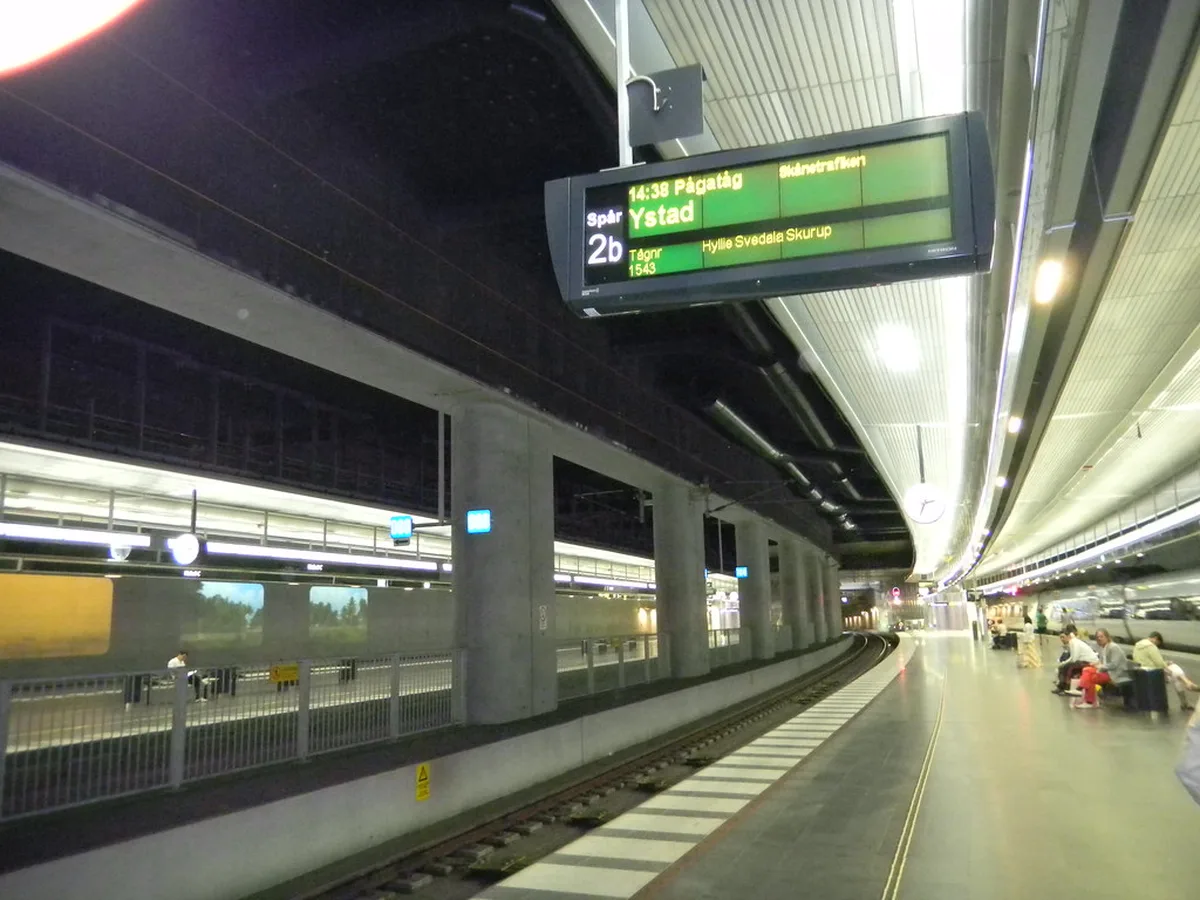
Ystad is famous for its exceptionally well-preserved medieval streetscape — pastel-coloured timber-framed houses dating from the 15th and 16th centuries line winding cobblestone alleys. At the heart of the old town is Sankta Maria Church (Sankta Mariakyrka), a magnificent Gothic church dating from the 13th century; entry is free and the interior features remarkably intact medieval frescoes and a carved wooden altarpiece. The adjacent Stortorget (main square) is surrounded by historic burghers' houses and makes an ideal starting point for exploring the old quarter on foot.
Fans of Henning Mankell's Wallander crime novels and the BBC television adaptation will recognise many filming locations: the police station exterior, the main square, and the harbour are all authentic settings. A self-guided Wallander walking map is available free at the tourist office near the main square. Ystad is also famous for its traditional smoked eel (rökt ål) — a regional delicacy best sampled at one of the harbour smokehouses, where eels caught in the Baltic Sea are cold-smoked over beechwood for 8–12 hours. Budget SEK 150–200/€14–18 for a smoked eel lunch with rye bread and local beer.
A 15-minute bus ride (Skånetrafiken bus 322, SEK 35/€3.20) from Ystad centre brings you to the mysterious Ales Stenar megalithic monument — 59 large stones arranged in the form of a Viking ship on a ridge 45 m above the Baltic Sea. Entry is free. The site dates to approximately 600 AD and provides sweeping views across open water. Afterwards, walk 10 minutes down to the small fishing village of Kåseberga, where smokehouses serve fresh herring and salmon caught daily in the Baltic. The Gothenburg Old Town guide offers a useful comparison for visitors exploring multiple Swedish historic centres.
- Distance: 55 km east of Malmö
- Train time: 55 minutes
- 2026 single ticket: SEK 120/€11
- Return ticket: SEK 240/€22
- Sankta Maria Church: free entry
- Ales Stenar: free
- Bus Ystad → Ales Stenar: SEK 35/€3.20
Kullaberg and Helsingborg: Cliffs, History, and a Ferry to Denmark
For dramatic coastal scenery, Kullaberg Nature Reserve is the standout natural day trip from Malmö. Located 90 km northwest on the Bjäre Peninsula, Kullaberg is reachable in roughly 75 minutes by a combination of regional train to Helsingborg (approximately 1 hour, SEK 120/€11 single) and then bus 220 to Arild or Mölle (a further 35 min, SEK 28/€2.60). The reserve encompasses 36 km of marked hiking trails across dramatic chalk-and-granite cliffs plunging into the Öresund strait. Entry to the nature reserve is free; parking costs SEK 50/€4.70 per day for those driving.
The trail to Kullabergs Fyr (Kullaberg Lighthouse) is the most popular route — a 7.5 km return hike with sea views throughout. The terrain involves uneven rocky paths and some steep sections, so good walking boots are strongly recommended; lightweight trainers are insufficient for the trickier cliff-edge stretches. The lighthouse (free to visit externally) sits at Sweden's most south-westerly tip and offers views across to Danish coastline on clear days. Seal colonies are frequently spotted on the rocks below between May and August. The full hike takes 2.5–3 hours at a relaxed pace; bring water and snacks as facilities within the reserve are minimal.
Helsingborg itself is a rewarding stop on the way to or from Kullaberg. The city sits 64 km north of Malmö (approximately 1 hour by regional train, SEK 120/€11 single). Its medieval Kärnan tower — a 14th-century fortress keep rising 35 m above the harbour — charges SEK 50/€4.60 for admission and provides commanding views across the 4 km strait to Helsingør (Elsinore), Denmark. The tower is one of the finest surviving medieval fortress keeps in Scandinavia and dates its current form to the late 14th century, though the site's defensive history stretches back considerably further. A short ferry crossing to Helsingør (20 minutes, operated by ForSea, approximately SEK 100/€9.40 return) adds a second country to your day without a separate train ticket to Copenhagen.
Helsingborg's central area around Stortorget square is lively with cafes and restaurants. The Sofiero Palace Gardens — a royal summer residence 5 km north of the city — charges SEK 145/€13 entry and is especially beautiful in late May and June when thousands of rhododendrons bloom across the hillside overlooking the strait. From Helsingborg, it is straightforward to combine Kullaberg and the ferry crossing into a single ambitious day trip before returning to Malmö by early evening. The Gothenburg beach guide provides a useful comparison for visitors planning additional coastal excursions along the Swedish west coast.
- Malmö → Helsingborg train: ~1 hour, SEK 120/€11 single
- Helsingborg → Kullaberg (bus 220): 35 min, SEK 28/€2.60
- Kullaberg lighthouse hike: 7.5 km return, free entry, good boots required
- Kullaberg reserve entry: free
- Kärnan tower admission: SEK 50/€4.60
- Helsingborg–Helsingør ferry: ~SEK 100/€9.40 return
Österlen and Simrishamn: Malmö's Secret Beach and Orchard Day Trip
Southeast of Malmö, the Österlen region of Skåne is one of Sweden's most beautiful and least-crowded corners — a gently rolling landscape of apple and pear orchards, chalk-white churches, and long sandy beaches facing the Baltic. The town of Simrishamn, approximately 100 km from Malmö, is the area's main hub and is reachable by regional Skånetrafiken train in around 80 minutes with a change at Ystad (SEK 140/€13 single). Österlen rewards slow, unhurried exploration and is best visited between late August and October when the harvest season transforms the countryside into a mosaic of colour.
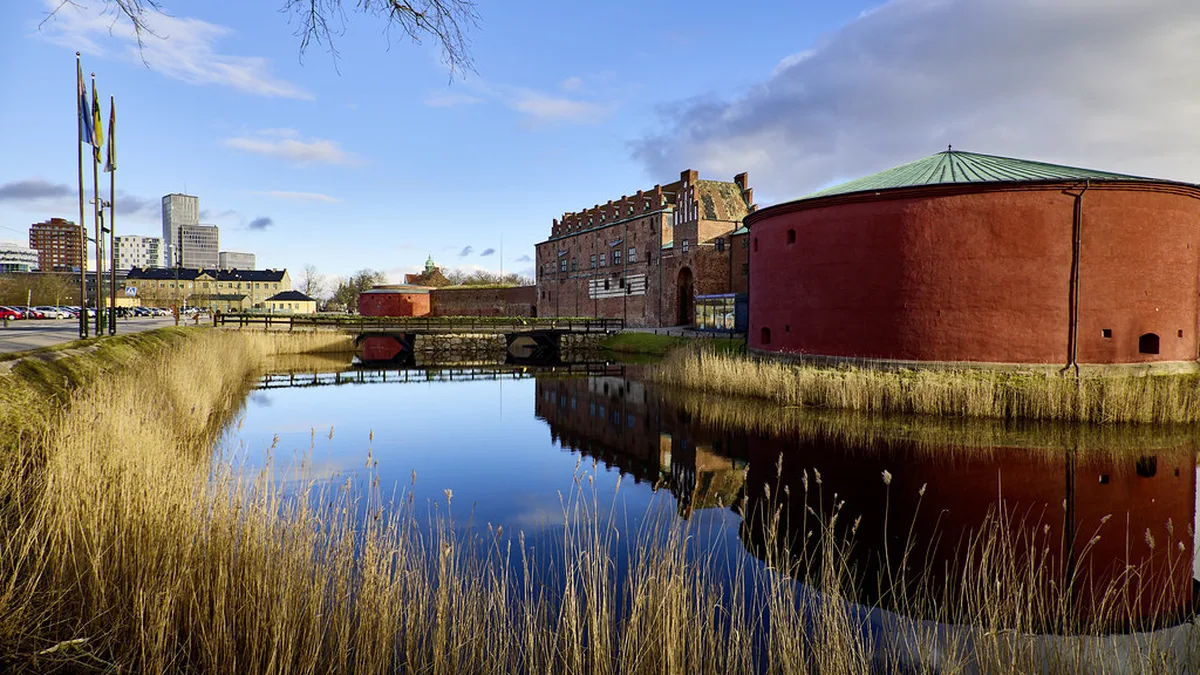
The most celebrated event in the region is the Kivik Apple Market (Kiviks Äppelmarknad), held annually in September in the village of Kivik, roughly 20 km north of Simrishamn. Entry costs SEK 80/€7.30 and the market draws visitors from across Scandinavia to sample over 300 varieties of apple, browse local producers, and watch traditional cider-pressing demonstrations. The surrounding orchards are open for pick-your-own visits throughout August and September, with some farms charging a flat fee of around SEK 60–80/€5.50–7.30 per kilogram of picked fruit.
A short bus journey south from Simrishamn brings you to Ales Stenar — also accessible from Ystad (see above), but the approach via Österlen through fields of rapeseed and wildflowers is arguably more scenic. The stone monument itself (free entry) consists of 59 boulders arranged in the outline of a Viking longship and dates to around 600 AD, making it one of Scandinavia's most significant Iron Age monuments. The clifftop setting above the Baltic provides exceptional views, especially at sunset.
Sandhammaren beach, near the village of Löderup, is one of southern Sweden's finest stretches of white sand — entry is completely free. The beach is renowned among amber hunters; after autumn storms, Baltic amber frequently washes ashore along the tideline, and visitors spend hours combing the wet sand for translucent yellow-brown pieces. The waters are shallow and calm, making Sandhammaren popular with families in summer, while the wide dune system behind the beach supports rare coastal flora protected by Sandhammaren Nature Reserve. Reach the beach by Skånetrafiken bus from Ystad; the journey takes approximately 30 minutes. The Malmö beach guide covers the city's own swimming options for those preferring to stay closer to base.
- Malmö → Simrishamn: ~80 min, SEK 140/€13 single (change at Ystad)
- Kivik Apple Market: SEK 80/€7.30 entry (September)
- Ales Stenar: free
- Sandhammaren beach: free (amber hunting in autumn)
- Best season: Aug–Oct for orchards and amber; June–Aug for swimming
Skanör and Falsterbo: Pristine White-Sand Beaches
The twin towns of Skanör and Falsterbo sit on the southwestern tip of the Swedish peninsula, 35 km from Malmö. This area is renowned for long stretches of fine white sand and shallow turquoise waters. While the Malmö beach guide covers city beaches, these peninsula beaches have a wilder, undeveloped character that rewards the extra journey. Reach the area in about 45 minutes by taking Skånetrafiken bus 100 from Malmö Central (SEK 35/€3.20 single).
Iconic wooden beach huts in bright candy colours line the dunes, providing a perfect backdrop for photography. The area is also a world-class birding destination during the autumn migration season (August–October), when thousands of birds of prey and waterfowl pass over the peninsula heading south. Nature reserves protect the unique coastal flora and fauna across the peninsula tip. In summer, the shallow waters warm to a swimming-friendly temperature by late June, making Skanör one of the most popular seaside escapes for Malmö residents throughout July and August.
Walk through Skanör Harbour to find high-quality seafood restaurants and traditional smokehouses. The atmosphere is upscale yet relaxed, especially during the warm months of July and August. Expect main courses from SEK 200–320/€19–30 in the harbour restaurants. Bringing a picnic to enjoy on the dunes is a popular and budget-friendly alternative — Malmö supermarkets stock excellent provisions. The medieval church at the heart of Skanör village is free to visit and dates from the 13th century. For a full day, combine Skanör beach with a stop at Falsterbo Museum (small entry fee), which documents the remarkable natural history and Viking-era trading heritage of the Falsterbo peninsula.
- Distance: 35 km from Malmö
- Bus 100 from Malmö Central: 45 min, SEK 35/€3.20 single
- Beach entry: free
- Best season: June–August (swimming), Aug–Oct (birdwatching)
Essential Logistics for Day Trips from Malmö in 2026
Mastering the local transport system is key to making the most of your day trips from Malmö. Download the Skånetrafiken app to purchase digital tickets and check real-time departures for all regional travel within Sweden. For the Öresundståg to Copenhagen, tickets purchased via the app are slightly cheaper than buying at station machines. The app also offers a Duo/Family discount — 25% off when two or more people travel together — applicable on both trains and buses throughout Skåne and on the Copenhagen crossing. A Skånetrafiken Day Pass costs SEK 200/€18 in 2026 and provides unlimited travel across the entire regional network by train and bus for a full calendar day — excellent value if you plan to visit two or three destinations in one trip.
Many travelers ask whether renting a car is worthwhile for southern Sweden. While cars provide freedom for reaching Kullaberg's more remote trails or exploring the Österlen orchard roads at your own pace, costs are significant. The Øresund Bridge toll for a private vehicle is approximately SEK 680/€62 one-way — far more expensive than the train. Fuel and parking in Swedish city centres add further costs. Consider a car only if visiting multiple dispersed nature spots like Stenshuvud National Park on the same day, or if travelling with a large group where the per-person cost becomes more reasonable. Most day trip destinations listed in this guide are fully served by the Skånetrafiken rail and bus network without the need for a car.
Safety across the region is consistently high. For a full overview of conditions in your home base, see the guide on is Malmö safe for tourists. Most locals speak excellent English. Always carry your passport or valid national ID when crossing the Øresund Bridge into Denmark — random border checks occur frequently on both the train and at the toll station. Non-EU citizens should carry any required residency permits or visas. Day passes purchased in Sweden are not valid in Denmark; purchase a separate Danish ticket or use the Copenhagen Card once you arrive.
All 2026 prices in this guide are approximate and sourced from Skånetrafiken, ForSea Ferries, and attraction official pricing as of April 2026. Check official apps and websites for up-to-date fares before travel. If you are planning additional day trips from Swedish coastal cities, the day trips from Gothenburg guide covers the west-coast equivalent itineraries.
Frequently Asked Questions
How do I get from Malmö to Copenhagen?
Take the Öresundståg regional train from Malmö Central Station directly to Copenhagen Central (København H). The journey takes 35 minutes, trains run every 20 minutes throughout the day, and a one-way ticket costs SEK 120/€11 in 2026. Buy tickets on the Skånetrafiken app or at station ticket machines before boarding. If driving, the Øresund Bridge vehicle toll is SEK 680/€62 one-way, making the train far more economical for most visitors.
Is Copenhagen a good day trip from Malmö?
Yes, Copenhagen is the single best day trip from Malmö in 2026. The 35-minute Öresundståg train journey (SEK 120/€11 one-way) puts you in one of Europe's most celebrated capitals within half an hour. Top sights include Nyhavn Harbor (free), the National Museum of Denmark (free), Tivoli Gardens (DKK 175/€23), and the Round Tower (DKK 40/€5.30). Arrive by 09:00 and you have a full day before the evening return. Copenhagen is more expensive than Malmö for food and drink, so budget DKK 120–180/€16–24 per person for lunch.
What is the closest day trip from Malmö?
Lund is the closest day trip from Malmö — just 13 km away and 12 minutes by regional train. A single ticket costs SEK 46/€4.20 in 2026. Lund is a medieval cathedral city with a famous Romanesque cathedral (free entry), a 14th-century astronomical clock, and a vibrant university atmosphere with 40,000 students. It makes an excellent half-day excursion that can be combined with another destination in the same day.
Is the train from Malmö to Copenhagen expensive?
In 2026, a one-way Öresundståg ticket from Malmö to Copenhagen costs approximately SEK 120/€11, with a return at SEK 240/€22. You can save 25% with the Skånetrafiken Duo/Family discount when travelling with a companion. Driving costs far more — the Øresund Bridge vehicle toll alone is SEK 680/€62 one-way. For a full day of sightseeing in Copenhagen, the Copenhagen Card (24h from DKK 679/€91) covers transport within Copenhagen and entry to 80+ museums.
Do I need a visa to cross from Sweden to Denmark?
Both Sweden and Denmark are members of the Schengen Area, so EU and Schengen-area nationals can cross freely using a valid national ID card — no separate visa is required. Citizens of most other countries who have a valid Schengen visa or residence permit for Sweden can also cross without applying for an additional visa. However, random identity checks occur regularly on the Öresundståg and at the Øresund Bridge; always carry your passport, national ID card, or relevant residence permit. Non-Schengen visitors should verify their visa conditions with the Danish embassy before travel, as entry rules vary by nationality.
What is the best way to get around Southern Sweden for day trips?
The Skånetrafiken regional rail and bus network is the most efficient option for day trips from Malmö. Trains connect Lund (12 min, SEK 46), Ystad (55 min, SEK 120), and Helsingborg (~1 hr, SEK 120) directly from Malmö Central. Regional buses reach coastal areas like Skanör/Falsterbo and Kullaberg. A Skånetrafiken Day Pass (SEK 200) covers unlimited travel across the entire network for one day. All services share a single ticketing system via the Skånetrafiken app, making train-to-bus transfers seamless and affordable.
Malmö is much more than a single destination — it is a gateway hub for northern European discovery in 2026. Whether you crave the design and gastronomy of Copenhagen (35 min, SEK 120/€11 one-way), the medieval grandeur of Lund (12 min, SEK 46/€4.20), the Wallander atmosphere of Ystad (55 min, SEK 120/€11), the dramatic Kullaberg cliffs with their free 7.5 km lighthouse hike, the pristine Falsterbo beaches, or the apple-orchard countryside of Österlen, the options are exceptional and the prices are reasonable.
The efficient Skånetrafiken train and bus system means you can plan spontaneously — download the app, pick up a SEK 200 day pass, and step aboard. Each of these day trips from Malmö delivers a unique perspective on Scandinavian culture, history, and nature. Plan your visits based on the season: summer is best for beaches and Copenhagen, autumn for Kullaberg birdwatching and Österlen harvest festivals, and year-round for Lund and Ystad. For safety guidance in your Malmö base, see the guide on is Malmö safe for tourists. If you are planning a longer Swedish itinerary, the Gothenburg nightlife guide covers the country's second city. Enjoy your 2026 exploration of this remarkable corner of northern Europe.