Exploring Gamla Staden: The Ultimate Malmö Old Town Guide for 2026
Malmö Old Town (Gamla Staden) centers on Stortorget square, Malmöhus Castle (SEK 80 entry), and St Peter's Church (free); the Dutch Renaissance-style architecture dates to the 1500s; most sights are within 15 minutes' walk in 2026.
Lilla Torg (Little Square) is Malmö's liveliest restaurant square with outdoor seating; the Form/Design Center in Hedmanska garden is free; Moderna Museet Malmö costs SEK 100 (closed Mondays) and sits 10 min walk from Central Station.
Gamla Staden serves as the historic heart of Malmö and offers a glimpse into centuries of Swedish history. Walking through these cobblestone streets feels like stepping back into the 16th century while enjoying modern comforts.
Visitors will find a perfect blend of medieval architecture and vibrant Scandinavian lifestyle within this compact district. Our 2026 Malmö old town guide helps you navigate the most picturesque corners and hidden gems of the city center — from the grand Stortorget square to the intimate lanes of Lilla Torg, and from Malmöhus Castle to the free galleries of Moderna Museet.
Check out other things to do in Malmö to fill your itinerary after exploring the historic district. This guide ensures you make the most of every hour spent in this charming neighborhood.
Exploring the Historic Squares of Gamla Staden
Stortorget stands as the largest and oldest square in Malmö, dating back to the 1530s. The impressive Malmö City Hall dominates the eastern side of this grand open space with its ornate Dutch Renaissance facade — a style that defines much of Old Town's character after centuries of close trade ties with the Netherlands. You can spot the equestrian statue of King Karl X Gustav standing proudly in the center of the plaza, a focal point for orientation on any walking tour.
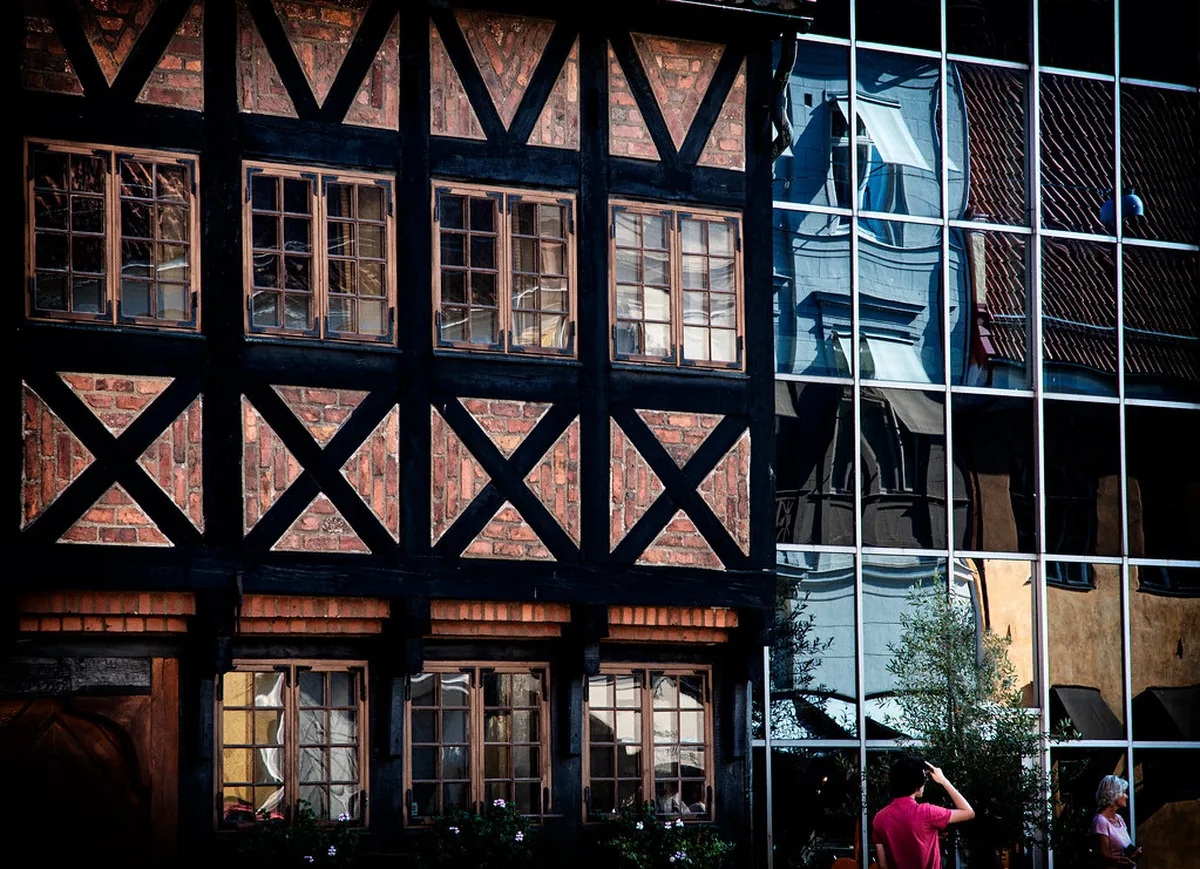
The cobblestones of Stortorget have been worn smooth by five centuries of market traders, royal processions, and everyday city life. The square often hosts seasonal markets and public events that bring a lively energy to the stone pavement. Look closely at the surrounding buildings to see the evolution of Swedish architectural styles — late medieval brick gives way to Renaissance plasterwork as you move around the perimeter. Entrance to the square is free and it is open at all hours, making it a perfect starting point at any time of day.
Café terraces open along the square's south side from late April onward each year, making the cobblestones the best spot in the city for a mid-morning fika while watching the square come to life. Most walkers begin their Gamla Staden tour here before heading southwest toward Lilla Torg, a five-minute stroll through narrow lanes. The square is also directly accessible from Malmö Central Station in under ten minutes on foot.
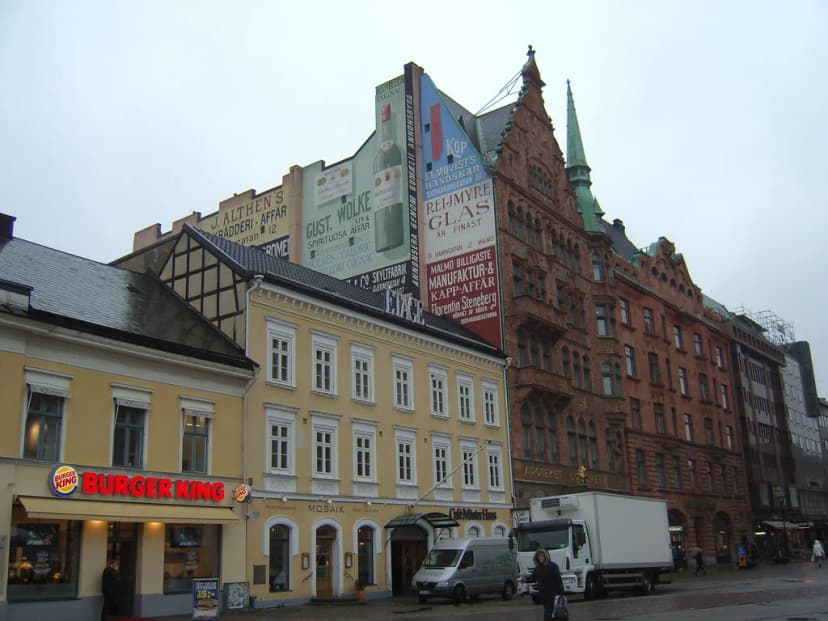
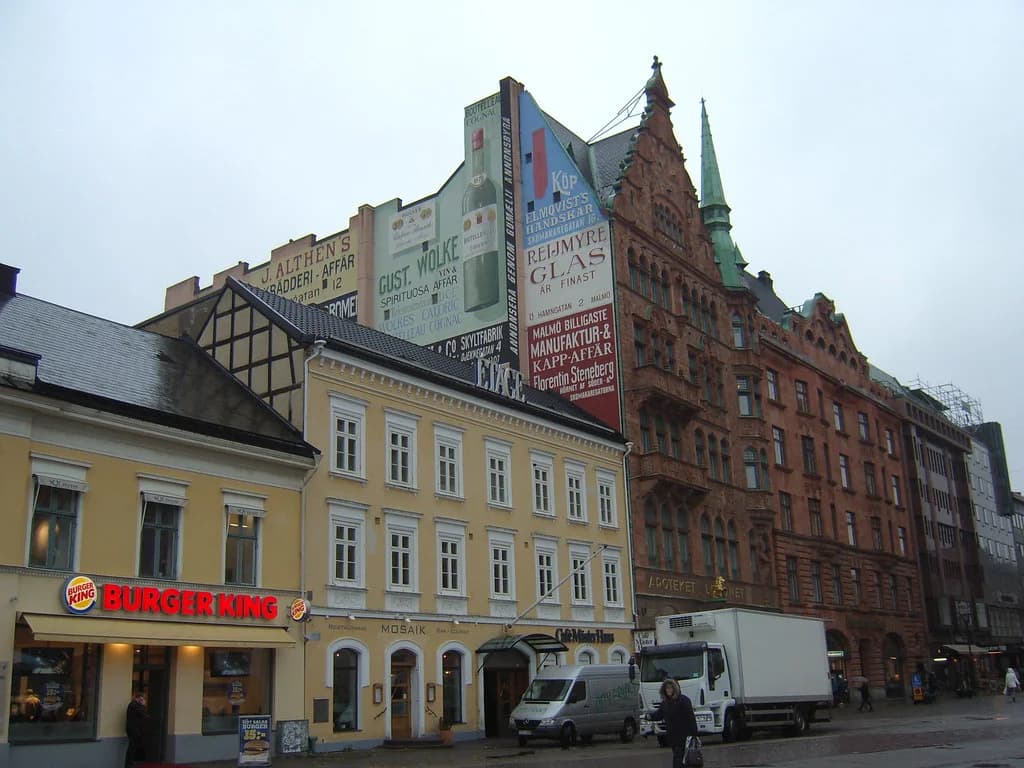
Lilla Torg — the Little Square — offers a more intimate atmosphere just steps from the grander Stortorget. Restored half-timbered houses from the 1500s line this charming cobblestone square, creating a cozy and historical backdrop. Outdoor seating stays busy year-round thanks to heated lamps and thick blankets provided by local establishments, and the café terraces fill up fast from May to September when the outdoor dining season peaks.
Expect to pay around 80 to 120 SEK for a standard draught beer at these popular terraces during the evening. Travelers often find that the square becomes a social hub as the sun begins to set over the city. Visitors often ask is Malmö safe for tourists when exploring these lively social areas at night — the answer is that both Stortorget and Lilla Torg are safe and well-lit throughout the evening hours. The Old Town district is among the most pleasant and low-crime areas of the city in 2026.
- Stortorget Central Square
- Type: Main historical square
- Landmark: King Karl X statue + Dutch Renaissance City Hall
- Feature: Malmö City Hall, seasonal markets
- Access: Free public space, open 24 hours
- Lilla Torg Social Hub
- Type: Dining, nightlife, and fika
- Style: Half-timbered houses (16th century)
- Vibe: Cozy, social, café terraces
- Best for: People watching, aperitivo
Lilla Torg: Malmö's Social Heart
Lilla Torg — literally "Little Square" — has been Malmö's social gathering point since the 16th century, when merchants from across the Baltic would stop here to trade grain and textiles. The square's distinctive half-timbered houses date from that era, their overhanging upper floors and exposed wooden beams contrasting with the brick Renaissance buildings of nearby Stortorget. In 2026 the square looks remarkably similar to old engravings: the architecture has been painstakingly restored, and the low-rise scale has been protected by the city's heritage planners. The cobblestone surface itself is original and well-maintained, with smooth paths at the edges for accessibility.
From May through September, outdoor dining terraces extend across the cobblestones, each restaurant and bar competing with potted lavender, striped canopies, and warming heaters as temperatures dip in the evenings. This is Malmö's version of the Italian aperitivo hour: locals arrive from around 17:00 for a glass of something cold, and the energy builds steadily toward a full dinner crowd by 19:00. Booking a table at one of the terrace restaurants on a Friday or Saturday in summer is strongly advised. Budget between 120 and 180 SEK for a main course at the terrace restaurants, with starter plates available from around 80 SEK.
On weekend mornings between April and October, a small flea market occupies the western end of the square. Local sellers bring vintage ceramics, second-hand Swedish design objects, vinyl records, and handmade jewellery. Prices are negotiable and the atmosphere is unhurried — arrive before 10:00 for the best selection before the stalls fill with browsers. The adjacent Form/Design Center in the Hedmanska Gården courtyard is free to enter and offers a perfect complement to the market, with curated Scandinavian design objects on display.
The cobblestone lanes leading off Lilla Torg — particularly Hjorttacksgatan and Västergatan — are worth exploring on foot. These narrow streets are lined with independent boutiques, small galleries, and the occasional hidden courtyard that most visitors miss by sticking to the main squares. The entire Lilla Torg area is flat and compact, making it comfortable for all ages and mobility levels. From Lilla Torg it is a quick five-minute walk west to reach Malmöhus Castle along the canal path.
- Lilla Torg at a glance
- Origin: 16th-century merchant square
- Architecture: Half-timbered houses, restored to original appearance
- Outdoor terraces: May–September (heated lamps year-round)
- Weekend flea market: April–October, Saturday–Sunday mornings
- Evening aperitivo: Peak hours 17:00–20:00
- Main courses: SEK 120–180; starters from SEK 80
Malmöhus Castle and Medieval Heritage
Malmöhus Castle stands at the western edge of the Old Town and holds the title of the oldest surviving Renaissance castle in the Nordic countries. Its origins date to 1434, when a fortress was first built on this site to control the strategically important Øresund strait between Sweden and Denmark. The current castle structure was completed in the 1540s during the reign of King Christian III of Denmark — Malmö was a Danish city until 1658 — and the rounded towers and deep moat that surround it today remain largely intact from that construction.
Entry to the Malmöhus Museum complex inside the castle costs SEK 80 per adult (approximately €7 at 2026 exchange rates), with free admission for visitors under 19. The museum covers Malmö's history from the Viking age through the industrial revolution, with strong collections on the city's maritime heritage and its long Danish chapter. The natural history wing includes a full-scale aquarium in the castle basement — an unexpected bonus that children in particular enjoy. Plan ninety minutes minimum to do the castle justice. The museum is open Tuesday through Sunday from 10:00 to 17:00 and is closed on Mondays.
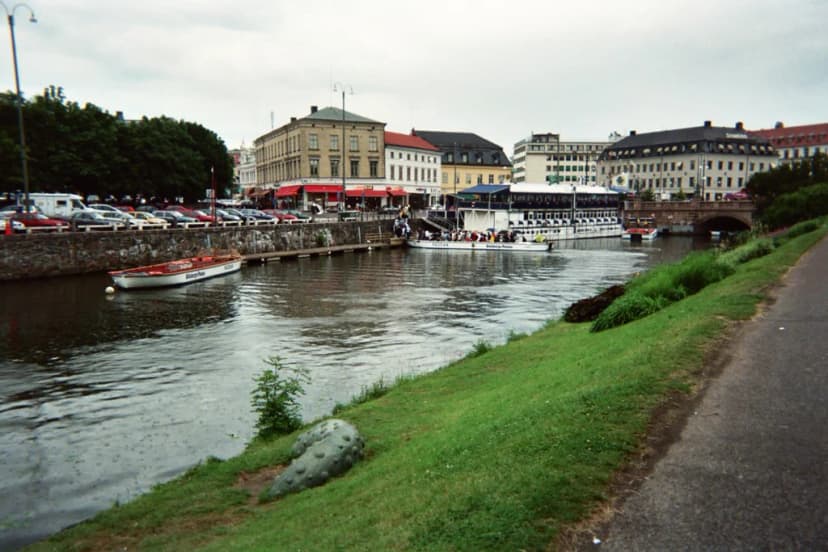
The moat surrounding the castle has been turned into a pleasant canal park. Locals use the grassy banks for picnics on warm days, and you can rent pedal boats in summer to explore the waterway at a gentle pace. From the castle ramparts there are clear views across the Øresund toward Copenhagen on a clear day — a reminder that this stretch of water was once the most contested body of water in Northern Europe. The castle gardens are free to enter and provide one of the most relaxing green spaces in central Malmö, ideal for a rest between sightseeing stops.
The castle complex also includes the Malmö Art Museum (Malmö Konstmuseum), which shares the admission ticket. Its collection spans Swedish and international art from the 17th century to the present, with rotating temporary exhibitions that change several times per year. Combined, the castle museum and art museum represent outstanding value at SEK 80 total — one of the best-priced major museum experiences in Sweden in 2026.
- Malmöhus Castle facts
- Built: Original fortress 1434, current structure 1540s
- Status: Oldest surviving Renaissance castle in the Nordic countries
- Entry: SEK 80 / ~€7 (adults), free under 19
- Hours: Tuesday–Sunday 10:00–17:00, closed Monday
- Highlights: Castle museum, aquarium, moat park, Øresund views, art museum
Moderna Museet Malmö: Contemporary Art in a Historic Building
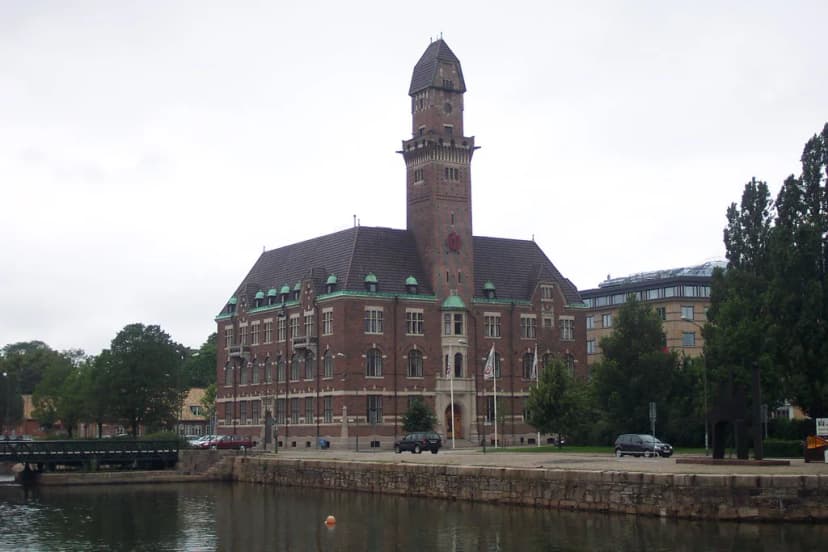
Moderna Museet Malmö opened in 2009 inside a converted Victorian-era turbine hall near the castle moat, offering one of the finest collections of modern and contemporary Scandinavian art outside Stockholm. The building itself is a remarkable piece of adaptive reuse: the original industrial brick shell has been retained and paired with a minimalist white interior that lets natural light flood the gallery spaces through a dramatic glass ceiling. The museum is located approximately ten minutes' walk from Malmö Central Station, making it an easy addition to any Old Town itinerary.
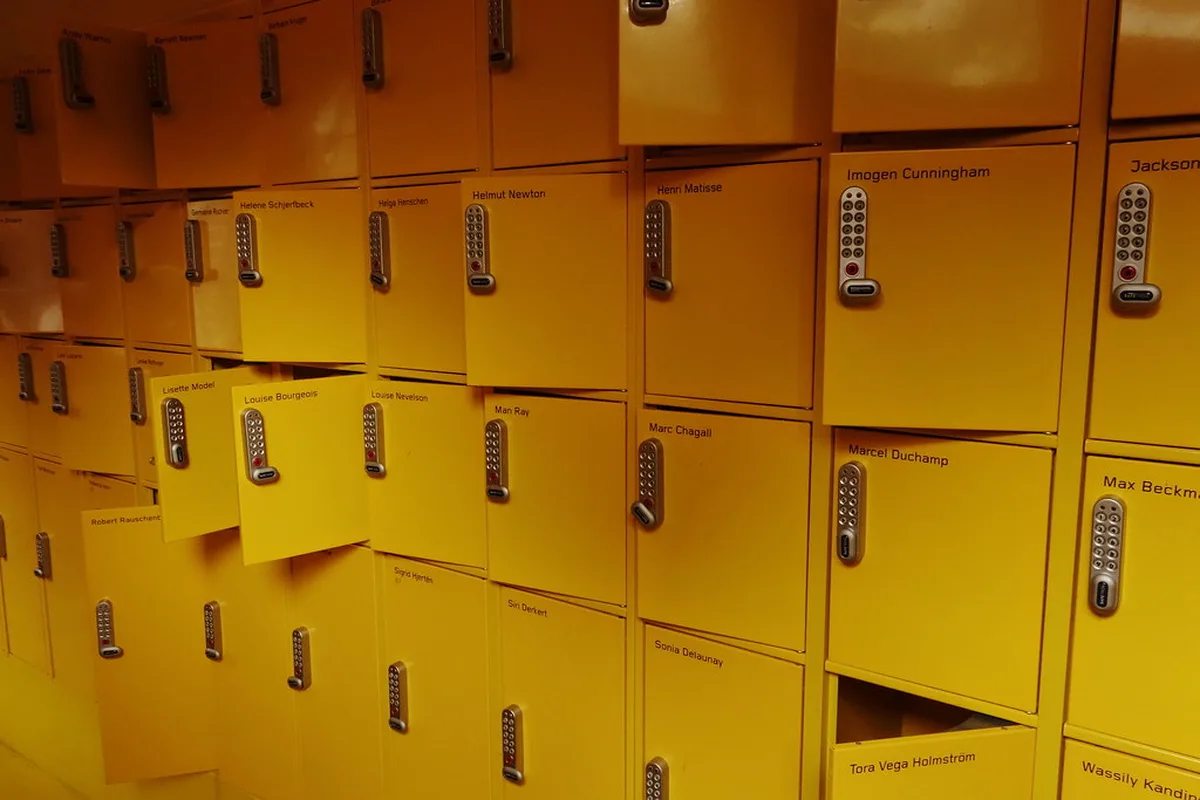
The permanent collection covers Swedish and Nordic art from the 1900s to the present, with rotating international exhibitions that in recent years have included major retrospectives of contemporary photography, video art, and installation work. Entry to the permanent collection is free on Tuesdays (all day), which makes it an excellent choice if your visit falls mid-week. Standard admission on other days costs SEK 100 per adult (approximately €9), with free entry for visitors under 18. The museum is closed on Mondays — plan accordingly to avoid a wasted journey.
The museum café on the ground floor serves excellent Scandinavian-style lunch plates and pastries and is open to non-museum visitors. Its terrace overlooks the castle moat, making it one of the better lunch spots in the Old Town district. Expect to pay around SEK 120–160 for a hot lunch dish and SEK 40–60 for a pastry and coffee. Allow sixty to ninety minutes for the museum, or two to three hours if there is a major temporary exhibition running during your visit.
Photography is allowed throughout the permanent collection, though individual exhibitions may have restrictions signposted at the entrance. The museum shop stocks a well-curated range of art books, design objects, and prints — a good source of quality souvenirs without the tourist markup found in the city centre shops. A combined visit to Moderna Museet Malmö and Malmöhus Castle makes for a full and rewarding half-day of culture in 2026.
St Peter's Church: Gothic Heart of Malmö
Sankt Petri Kyrka remains the oldest building in Malmö, with its foundations dating back to the early 14th century — over seven hundred years of continuous worship on this single site. This Gothic brick church was modelled on the Marienkirche in Lübeck, a German Hanseatic trading city with close links to medieval Malmö, and the resemblance in the soaring nave and the pale brick exterior is immediately apparent to anyone who has visited both cities. The church stands on Göran Olsgatan, one block east of Stortorget, and is free to enter for all visitors.
Entry is free for all visitors during standard daily hours from 10:00 to 18:00 throughout the year. Silence and respect are expected as this remains an active place of worship for the local Lutheran community. The whitewashed interior walls and high vaulted ceilings create a peaceful atmosphere away from the bustling city streets. Take time to examine the medieval frescoes preserved within the Krämerkapellet (Merchants' Chapel) on the church's north side — these 15th-century paintings were hidden under layers of whitewash for centuries before being uncovered during a 19th-century restoration.
The massive carved wooden altar at the east end of the nave stands as one of the largest in Northern Europe, an elaborate baroque piece commissioned in 1611. Its gilded figures and detailed biblical scenes reward close inspection. Photography is permitted in the main nave but not during services. Visiting early on a weekday morning, when the church is nearly empty, gives a particularly atmospheric experience of the medieval space. Guided tours in English are available at select times during summer — check the church notice board for current schedules.
The churchyard surrounding Sankt Petri Kyrka contains some of Malmö's oldest grave markers and offers a quiet green space to pause during a walking tour of the Old Town. The exterior of the church is also worth circling slowly: the stepped gable ends and decorative brickwork on the north and south walls display Hanseatic craftsmanship at its finest, a style brought to Malmö by German merchants in the 14th and 15th centuries.
- St Peter's Church key facts
- Founded: Early 14th century (c. 1319)
- Style: North German Gothic brick (modelled on Marienkirche, Lübeck)
- Entry: Free, daily 10:00–18:00
- Highlights: Medieval frescoes (Krämerkapellet), baroque wooden altar, soaring Gothic nave
- Note: Active Lutheran church — dress modestly, silence in nave
Where to Experience Authentic Swedish Fika
Fika is more than just a coffee break; it is a vital part of Swedish culture that emphasises slowing down and being present. Gamla Staden houses some of the most atmospheric cafés in the country, often tucked away in historic basements or 17th-century timber-framed buildings. You should try a traditional Kanelbulle (cinnamon bun), which typically costs between 35 and 50 SEK at independent cafés in 2026.
Lilla Kafferosteriet on Baltzarsgatan is widely regarded as Malmö's best specialty coffee café and one of the most celebrated in southern Sweden. It serves single-origin espresso and filter coffee in a charming 17th-century building with multiple cozy rooms and a small hidden garden. The creaky floorboards, vintage furniture, and hand-lettered chalkboard menu add to an authentic experience that feels unchanged from the pre-Instagram era. Budget around 50–70 SEK for a coffee and 40–50 SEK for a pastry. This is the ideal stop between Stortorget and Lilla Torg on a morning walking tour.
Café Leve is another local favourite, known for its artisanal baking approach and high-quality seasonal pastries using ingredients from the Skåne agricultural region that surrounds Malmö. Their cardamom buns and rye-based open sandwiches change with the seasons and reflect the produce available in this fertile corner of southern Sweden. Finding a seat near the window allows you to watch the world go by on the narrow historic streets. Open sandwiches (smörgås) cost around 80–110 SEK and make a satisfying light lunch alternative to the terrace restaurants at Lilla Torg.
Budget around 100 SEK per person for a full fika experience including a hot drink and a large pastry. Many cafés offer oat milk and vegan options at no extra charge to accommodate diverse dietary preferences. Remember that most Swedish cafés operate on a self-service basis where you order at the counter first. If you plan to visit the best beaches near Malmö after your Old Town tour, the cafés along Stortorget are an excellent place to fuel up before heading to the waterfront.
Shopping for Artisan Crafts and Local Design
Swedish design is world-famous for its functionality and minimalist aesthetic, and Malmö's Old Town is one of the best places in the country to buy directly from local makers. Engelbrektsgatan is a street lined with boutique shops that focus on local craftsmanship and sustainable fashion. You can find unique jewellery, handmade ceramics, and high-quality textiles that make for meaningful souvenirs far removed from the mass-produced gifts sold at tourist kiosks near the central station.
Most shops in the old town open at 10:00 and close around 18:00 on weekdays. Weekend hours are often shorter, with many smaller boutiques closing by 16:00 on Saturdays and remaining closed on Sundays. Plan your shopping for a Tuesday or Wednesday to avoid the busiest weekend crowds and ensure all shops are open. Several boutiques along Södergatan and Baltzarsgatan stock locally produced glassware, Scandinavian textiles, and hand-bound stationery — expect to pay SEK 150–500 for quality handcrafted pieces.
The Form/Design Center inside the Hedmanska Gården courtyard near Lilla Torg offers a curated selection of Scandinavian products ranging from home décor to children's toys. The design exhibitions here are free to browse and changed regularly, making it worth a visit even on a return trip to Malmö. Prices reflect the quality of materials and ethical production methods. Travelers from outside the EU should ask about tax-free shopping forms — purchases over SEK 200 typically qualify for a VAT refund of up to 19 percent, which can represent significant savings on higher-value items.
For vintage finds and second-hand Swedish design, the weekend flea market at Lilla Torg (April–October, Saturdays and Sundays from around 09:00) is an excellent hunting ground. Sellers specialise in mid-century ceramics, vintage Orrefors glassware, and classic IKEA design pieces from the 1970s and 1980s that have become collectible. Bring cash as many stall holders do not accept cards, and allow at least an hour to browse thoroughly before the best pieces are snapped up.
Västra Hamnen: Malmö's Futuristic Waterfront District
Västra Hamnen (the Western Harbour) stands as one of Europe's most ambitious urban regeneration projects — a former shipyard district that has been transformed into a showcase of sustainable architecture and modern city planning. The redevelopment began in 2001 with the Bo01 housing exhibition, which challenged architects to design a carbon-neutral neighbourhood powered entirely by local renewable energy. The result is a district unlike anywhere else in Scandinavia: a dense cluster of individually designed buildings, each with its own distinct facade, lining a spectacular waterfront promenade along the Øresund strait.
The most iconic landmark of Västra Hamnen is the Turning Torso skyscraper, designed by Santiago Calatrava and completed in 2005. At 190 metres it remains the tallest building in Scandinavia, and its twisting form — rotating 90 degrees from base to top — is immediately recognisable from across the strait. The exterior is free to view from street level and makes for a dramatic photography subject at any time of day, with the light playing differently on its white steel panels from dawn through sunset. Note that the building is residential and has no public access inside.
The Sundspromenaden is the waterfront promenade that runs along the entire western edge of the district, offering uninterrupted views across the Øresund toward Copenhagen and the Øresund Bridge. The walk is free, flat, and approximately 3 kilometres end to end — an ideal complement to the cobblestone lanes of the Old Town for visitors who want to see the full range of Malmö's character. Benches and outdoor seating areas are placed at regular intervals along the route, and the views on a clear day extend to the Danish coastline.
The Bo01 eco-district at the southern end of Västra Hamnen is worth exploring on foot. Every building in this neighbourhood was designed by a different architect, creating a patchwork of styles united by the shared principles of sustainability and human-scale design. Solar panels, green roofs, and vertical gardens are integrated into the facades, and the wind turbine visible from the promenade supplies a portion of the district's energy. For visitors interested in contemporary architecture, Bo01 is as compelling as any museum in the city.
Coffee and lunch options in Västra Hamnen are excellent. Löfbergs Coffee operates a popular waterfront café in the district where a standard coffee costs SEK 40–55 — good value by Malmö standards. Several bakeries and casual lunch spots along Dockan and Neptunigatan serve open sandwiches, soups, and pastries to the local working population and visiting tourists. From Gamla Staden, Västra Hamnen is a 20-minute walk west along the canal path, or a short ride on bus 5 from Stortorget. The combination of Old Town history in the morning and Western Harbour modernism in the afternoon makes for a satisfying full-day itinerary in 2026. You can also extend your exploration with the best day trips from Malmö to nearby Lund and Ystad for more of the region's variety.
Cycling and Getting Around Gamla Staden
Malmö is one of the flattest cities in Sweden, and the cycling infrastructure here is among the best in northern Europe. The Old Town itself is compact — you can walk from Stortorget to Malmöhus Castle in under ten minutes — but a bicycle opens up the wider city with remarkable ease. Locals claim that nowhere in Malmö is more than thirty minutes by bike from anywhere else, and the well-maintained cycle lanes make that claim entirely believable. The dedicated cycle network extends seamlessly from the Old Town to Västra Hamnen, the beach at Ribersborg, and the university district.
Bike rental is available from several operators near the central station, which is itself a five-minute walk from Stortorget. Rental costs typically range from SEK 120–180 per day (approximately €11–17), far better value than public transport for anyone planning more than two bus or metro journeys. Public transport costs around 28 SEK per single trip on the Skånetrafiken network. For visitors arriving from Gothenburg or Copenhagen, the central station is also the departure point for regional trains — see day trips from Gothenburg and compare routes for the Øresund region.
Within the Old Town, walking is the most practical option: many of the most interesting lanes between Lilla Torg and St Peter's Church are narrow cobblestone alleys where cycling is discouraged. Leave your bike at one of the many city racks near Stortorget and explore on foot. Wear sturdy, flat-soled shoes; the historic cobblestones can be uneven and slippery when wet. For a comparison of how the historic centre compares to another Swedish city's old quarter, the Gothenburg Old Town guide covers Haga and Linné with similar detail.
Frequently Asked Questions
How long do I need to explore Malmö Old Town?
Plan at least three to four hours for a thorough visit to Gamla Staden in 2026. This allows time for Stortorget, Lilla Torg, St Peter's Church (free, 30 min), Malmöhus Castle (SEK 80, 90 min), and a proper fika break. Add 60–90 minutes if you include Moderna Museet. A full day comfortably covers Old Town plus the Västra Hamnen waterfront district.
Is Malmö Old Town walkable?
Yes — Gamla Staden is very compact and entirely flat. A 20 to 30-minute walk covers the main sights: Stortorget, Lilla Torg, St Peter's Church, and Malmöhus Castle are all within easy reach of each other. The cobblestone lanes between squares are the only terrain challenge, so wear flat, sturdy shoes rather than heels. The entire district is accessible by wheelchair along its main routes, though some smaller lanes remain cobbled.
What is Lilla Torg in Malmö?
Lilla Torg (Little Square) is Malmö's best-loved social gathering point — a 16th-century cobblestone square ringed by beautifully restored half-timbered houses. Today it is lined with café and restaurant terraces that stay busy from spring through autumn. It is the ideal spot for fika in the afternoon or aperitivo drinks as the sun goes down over Old Town.
What is the best café in Malmö Old Town?
Lilla Kafferosteriet on Baltzarsgatan is widely regarded as Malmö's finest specialty coffee destination and a must-visit for any café lover in 2026. It occupies a charming 17th-century building with creaky floorboards, a hidden garden, and single-origin coffees roasted on-site. Expect to pay around 50–70 SEK for a coffee. It is perfectly placed for a mid-morning fika break between Stortorget and Lilla Torg.
Is the Malmö old town walkable for seniors?
Yes — the area is very flat and the distances are short, but the cobblestones can be uneven in certain sections. Wear supportive walking shoes and take regular breaks at the cafés in Lilla Torg. Most major landmarks are within a short ten-minute walk of each other, and there are benches on Stortorget and along the castle moat for rest stops.
What is the best time of day to visit Gamla Staden?
Early morning is ideal for photography and for visiting St Peter's Church in near-solitude before the tourist crowds arrive. The squares come alive in the late afternoon when locals gather for fika and, later, dinner. If you want the Lilla Torg terrace experience at its most vibrant, aim to arrive around 17:00 in the summer months of 2026.
Gamla Staden remains the most charming district in Malmö and a mandatory stop for any visitor to southern Sweden. From the grand Dutch Renaissance architecture of Stortorget to the half-timbered intimacy of Lilla Torg, from the free Gothic nave of St Peter's Church to the medieval ramparts of Malmöhus Castle, this compact district rewards every hour you give it. Our 2026 Malmö old town guide provides the foundation for a genuinely memorable day in the heart of the city.
If you have extra time after Gamla Staden, explore the best day trips from Malmö to nearby Lund, Ystad, or Copenhagen — all reachable within an hour by train from the central station, a five-minute walk from Stortorget. Enjoy your journey through the historic streets and vibrant culture of Malmö in 2026.