Best Day Trips From Gothenburg in 2026: 7 Top Destinations
The best day trips from Gothenburg in 2026 include Marstrand island (45 min, SEK 75 ferry from Koön), Alingsås fika town (40 min by train, SEK 90 one way), and the Gothenburg archipelago (SEK 75 ferry from Saltholmen) — all reachable without a car using Västtrafik public transport.
Gothenburg's Västtrafik day pass costs SEK 105 and covers all buses, trams, and ferries to archipelago islands; Läckö Castle costs SEK 150 entry and is 1.5 hours by car from the city, making it ideal for visitors who rent a vehicle for the day.
Gothenburg serves as a perfect hub for exploring the stunning west coast of Sweden. Many travelers focus only on the city center and miss the hidden gems nearby. Short ferry rides or train trips reveal dramatic landscapes and historic coastal towns. Planning a few day trips from Gothenburg allows you to experience authentic Swedish culture beyond the city's famous Liseberg amusement park and Haga district.
The region offers a diverse mix of rocky islands, granite archipelagos, and vibrant urban art centers. You can easily reach these destinations using the efficient local public transport network. Reviewing the many top beaches near Gothenburg helps set a great baseline for your trip. After exploring the beaches, consider adding a walk through Gothenburg's old town before or after your day trip to make the most of your time in the region. Expanding your itinerary beyond the city limits ensures a much more memorable Scandinavian vacation in 2026.
Explore the Southern Gothenburg Archipelago
The Southern Archipelago offers a car-free escape into nature for travelers seeking quiet coastal beauty just outside Gothenburg's city limits. You reach these islands via a scenic ferry departing from the Saltholmen terminal on the city's western outskirts. In 2026, a single Västtrafik ticket costs SEK 35 (€3) and covers the ferry within the standard 90-minute validity window, or you can upgrade to a day pass for SEK 105 (€9.50) which covers unlimited transfers across buses, trams, and ferries for the entire day. Tram line 11 from Gothenburg Central Station reaches Saltholmen in approximately 30 minutes. Most ferries run every hour during the daytime, with the first departure around 6:00 AM and the last return around 11:00 PM — making it very easy to control your schedule.
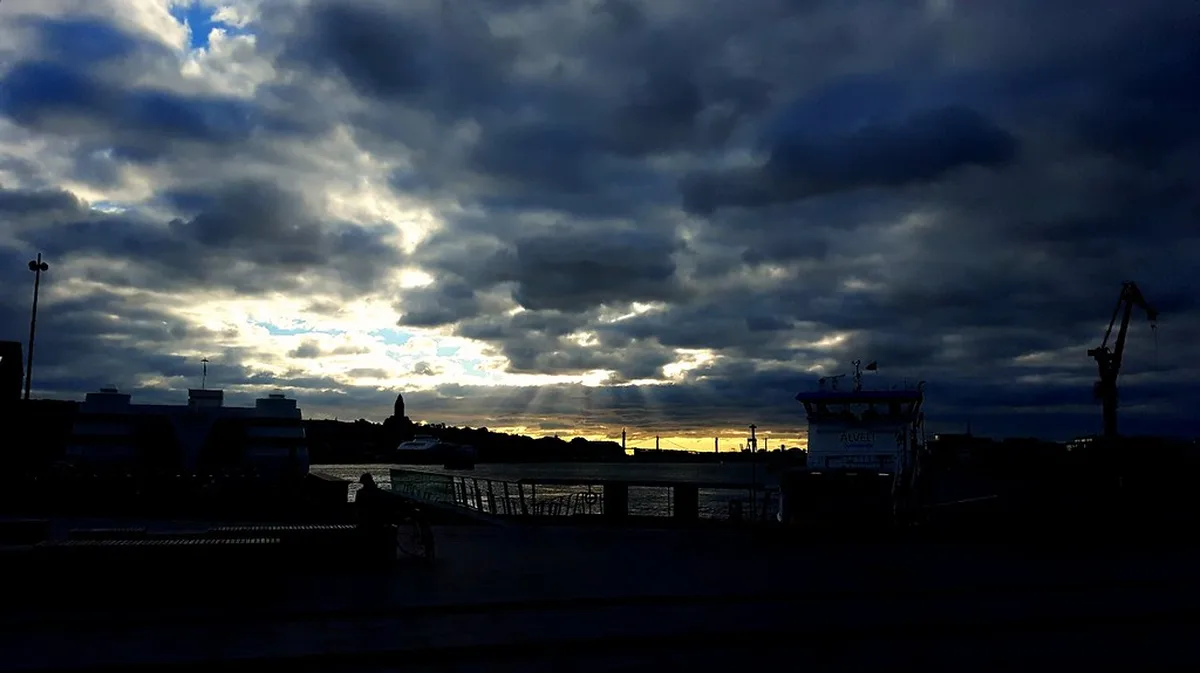
Brännö is a local favorite for its traditional outdoor dance floor (known as a dansbana) and winding coastal walking paths that wind through heather and over smooth granite outcrops. Styrsö provides a quieter atmosphere with charming wooden houses painted in traditional Swedish red and small, cozy seaside cafes serving excellent coffee and shrimp sandwiches. Asperö and Vrångö are further out and attract hikers who want wilder terrain and more solitude. Visitors often spend four to six hours exploring the rocky shorelines, swimming in clear Baltic-adjacent waters during summer, and cycling on the islands' flat gravel tracks. Pack a pair of sturdy walking shoes to handle the uneven and rocky coastal terrain safely, and bring a windproof jacket as the sea breeze can be strong even on warm days.
Many travelers combine multiple islands in one single journey to maximize their limited sightseeing time. The local ferry connects the islands in sequence — you can hop off at Brännö, walk across, and catch the next ferry onward to Styrsö without buying an additional ticket within the 90-minute window. Pack a picnic lunch from Gothenburg's Saluhallen market to enjoy on the rocks — most islands have no supermarkets and only small cafes. Check the official Västtrafik schedule carefully to avoid missing the last return boat to the mainland, particularly during the spring shoulder season when evening departures are less frequent. The islands themselves charge no entry fees whatsoever, making this the most affordable full-day trip available anywhere in the Gothenburg region in 2026.
If you want to make the trip even easier, the Västtrafik To Go app handles all ticketing digitally. Contactless card payments work on the tram to Saltholmen. The ferry itself only accepts Västtrafik tickets — not cash — so always buy your ticket before boarding via the app or at the Saltholmen terminal machine. Families with young children will find the flat terrain on Styrsö and Brännö manageable with prams. The nearest beach to the ferry terminal on Brännö, Brännöbadet, is a gentle sandy cove ideal for children swimming in summer. Budget around SEK 300–400 (€27–€36) per person for a full day including transport and a light cafe lunch on the islands.
Visit the Historic Island of Marstrand
Marstrand sits about forty-five minutes north of Gothenburg by car or regional bus and is one of the most iconic coastal destinations on the entire Swedish west coast. From Gothenburg Central Station, take bus 841 towards Marstrand — the journey costs approximately SEK 90 (€8) one way in 2026 and takes around 50 minutes to reach the mainland village of Koön. From Koön, a brief two-minute car ferry then carries you across to the island itself; this short crossing uses a separate ferry ticket of approximately SEK 75 (€7) return. This island serves as the sailing capital of Sweden and attracts impressive yachts from across Scandinavia every summer during the sailing season from June through August.
The massive Carlsten Fortress dominates the skyline with its imposing stone walls and deep history stretching back to the 17th century when Sweden and Denmark competed for control of the strategic harbor. In 2026, entry to the fortress costs SEK 150 (€14) for adults during the peak visiting months, with guided tours available in English at 12:00 and 14:00 during summer. The guided tours last approximately 60 minutes and include access to the fortress dungeon and panoramic terrace. Walking the circular path around the entire island's perimeter takes about one hour at a very leisurely pace and reveals dramatic views of the North Sea crashing against the granite cliffs at every turn. The path is well-maintained and accessible without specialized equipment.
Summer months bring large crowds and high-end dining experiences to the bustling harbor front, which fills with luxury yachts and day-trippers from late June onwards. The harbor promenade is lined with excellent seafood restaurants where you can eat fresh shrimp by the bag (approximately SEK 100–150/€9–€14 per portion) or sit down for a full Scandinavian seafood platter at restaurants like Pater Noster or Kronans Krog. Quiet cafes also offer local delicacies like traditional smoked salmon plates and freshly baked Swedish cinnamon rolls. Reserve your restaurant table well in advance if you plan to dine during the peak July sailing regatta season when the island becomes extremely busy. Off-season visits in May or September are quieter, cheaper, and genuinely atmospheric with fewer crowds and better photography opportunities.
For those visiting Marstrand as part of a wider Gothenburg trip, combining it with a stop at Gothenburg's nightlife scene in the evening makes for a perfect full Swedish day. Transport tip: the last bus back to Gothenburg from Koön typically departs around 21:30 in summer — always check the Västtrafik schedule before you go to avoid being stranded overnight. Budget approximately SEK 500–700 (€45–€64) per person for a full day including transport, fortress entry, and a sit-down lunch at the harbor.
Discover Art and Textiles in Borås
Borås is reachable in under one hour by taking a direct express bus from Gothenburg Central Station, making it one of the most convenient city-to-city day trips in the region. Bus lines 100 and 101 depart every 15 to 20 minutes throughout the day from the main bus terminal adjacent to Central Station, with a single ticket costing around SEK 90 (€8) in 2026. Västtrafik's day pass at SEK 105 (€9.50) covers the journey if you plan to return the same day, offering excellent value. The journey takes approximately 50 minutes on the express service. This city famously transformed from a major textile manufacturing hub into a vibrant international street art center over the past two decades — an unlikely but genuinely impressive cultural metamorphosis that makes it stand out from other Swedish day trip options.
The Textile Museum (Textilmuseet) offers a deep and fascinating look into the evolution of Swedish fashion, weaving, and industrial history. The museum building itself is a beautifully converted factory with original machinery on display. General admission costs approximately SEK 100 (€9) for adults in 2026, and the museum regularly hosts temporary exhibitions from international textile artists and fashion designers. The permanent collection includes intricate handmade textiles from across Sweden's weaving regions. Sculpture trails wind through the city parks and along the banks of the Viskan river, where massive bronze and steel sculptures punctuate the waterfront walkway. Entry to all outdoor art installations remains completely free for visitors throughout the entire year, making Borås an exceptionally good value day trip destination.
The No Limit street art festival has left its mark across the entire city in the form of enormous photorealistic murals covering entire building facades. You can spend a full afternoon walking the famous No Limit street art route, which is clearly signposted and covers approximately 3 km through the city center and adjacent neighborhoods. A printed map is available free from the tourist information office near the main square. Budget around SEK 200 (€18) for a high-quality lunch at a local bistro or modern Scandinavian restaurant in the city center — the dining scene has improved markedly in recent years with several well-reviewed spots near Bryggaregatan. Borås also has an excellent zoo (Borås Djurpark, approximately SEK 220/€20 adult entry) set in a forest on the edge of town, which makes it an outstanding family addition. The city provides a great urban cultural alternative to the typical seaside excursions found elsewhere along the coast — highly recommended for rainy days or for travelers who prefer galleries and art to beaches.
Relax at the Varberg Cold Bathhouse
Varberg is a historic coastal town located about 60 km south of Gothenburg along the Halland coast, easily reached by regional train in under an hour. Direct trains run from Gothenburg Central Station every 20 to 30 minutes throughout the day, with the journey taking approximately 40 minutes. A standard SJ or Västtrafik train ticket costs around SEK 110–150 (€10–€14) one way in 2026 — check both operators as prices can vary by departure time. The Västtrafik day pass at SEK 105 covers this journey on local services. Varberg's most famous landmark is the ornate wooden Cold Bathhouse (Kallbadhuset) standing proudly on its own pier extending into the sea, where you can enjoy a traditional Swedish sauna session followed by an invigorating plunge directly into the cold North Sea water — a deeply refreshing Nordic wellness ritual.

Entry to the Cold Bathhouse in 2026 costs approximately SEK 120–140 (€11–€13) for a combined sauna and bathing session, with separate sections for men and women in the traditional Swedish style. Lockers and basic towel rental are available on site. The experience is genuinely restorative and highly recommended even in colder months — the Swedes do this year-round. Varberg Fortress stands nearby on a dramatic promontory and houses the world-famous Bocksten Man, a remarkably well-preserved medieval mummy discovered in a nearby bog. General admission for the fortress museum costs approximately SEK 130 (€12) for a standard adult entry ticket in 2026. History enthusiasts will appreciate the well-preserved medieval architecture, the permanent exhibition on the Bocksten Man's mysterious death and burial, and the panoramic views from the defensive walls over the Kattegat strait.
Sandy beaches stretch along the Varberg coast for many kilometres north and south of the town. Apelviken beach is famous among European surfers and windsurfers for its consistent Atlantic swells during the windy autumn months from September through November. In summer, the beach fills with local families swimming in the relatively warm, shallow water. If you visit in 2026, check the tourist information office for details on seasonal outdoor markets in the main town square — typically running on Saturdays in summer — where local artisan producers sell handmade crafts, regional foods, and traditional Swedish goods at fair prices. Combining the bathhouse, fortress, beach, and town square market easily fills a thoroughly enjoyable full day without feeling rushed. Budget approximately SEK 400–500 (€36–€45) per person for a complete Varberg day including transport, bathhouse entry, fortress admission, and lunch at a waterfront restaurant near the harbour.
Aim to take the early morning train — departing Gothenburg around 08:00–09:00 — to maximize your time before heading back in the early evening. The train ride south from Varberg along the coast at sunset is particularly scenic, passing through small fishing villages and open farmland that exemplify the quiet beauty of western Sweden.
Alingsås: Sweden's Fika Capital Just 40 Minutes Away
Alingsås is one of the most charming and underrated day trips from Gothenburg — a small town 45 km to the east that has earned a nationwide reputation as the heartland of Swedish fika culture. Fika, the beloved Swedish ritual of coffee, cake, and conversation, reaches its most refined expression in Alingsås. The town is the birthplace of coffee culture in Sweden — Jonas Alströmer introduced coffee growing here in the 18th century — and the local cafe scene takes this heritage seriously with exceptional quality and atmosphere. Getting there is straightforward: direct trains from Gothenburg Central Station take just 40 minutes and depart frequently throughout the day. In 2026, a one-way ticket costs approximately SEK 80–90 (€7–€8), making it one of the cheapest and fastest train journeys from the city.
The town center is highly walkable and built around a series of charming canals lined with historic wooden buildings painted in pastel colors. The main cafe district around Nygatan and the central park offers a dense concentration of excellent independent coffee shops and bakeries where you can sample traditional Swedish cinnamon rolls (kanelbullar), cardamom buns (kardemummabullar), and seasonal pastries at prices typically ranging from SEK 40–65 (€3.60–€6) per item. Many cafes open as early as 08:00 and close around 17:00, so an early start from Gothenburg lets you enjoy the full experience at a leisurely pace. Budget approximately SEK 150–200 (€13–€18) per person for a generous fika spread at two or three different cafes — this is how locals do it.
Beyond fika, Alingsås has a pleasant town museum (free entry) that covers the local history of textiles and trade. The canal walks take about 45 minutes at a relaxed pace and are particularly beautiful in autumn when the leaves turn. In October and November, the town hosts the Lights in Alingsås festival — a celebrated event where international light artists transform the park and streets into an outdoor illumination gallery that attracts visitors from across Sweden. If your visit falls during this period, book train tickets in advance as services fill up quickly. The combination of an easy commute, genuinely excellent coffee, beautiful canal architecture, and zero entry fees makes Alingsås one of the best-value day trips available from Gothenburg in 2026 — a perfect half-day option that leaves time to also explore another destination or return for Gothenburg's own evening scene.
Bohuslän Coast and Smögen: The Seafood Paradise Day Trip
The Bohuslän coast stretching north of Gothenburg along the Kattegat Sea is one of Scandinavia's most dramatic and rewarding day trip destinations — a rugged, sun-bleached landscape of smooth granite skerries, bobbing fishing boats, and centuries-old harbour villages where the seafood tradition runs as deep as the tides. In 2026, Smögen has emerged as the single most popular coastal day trip destination from Gothenburg and for good reason: it combines natural beauty, authentic fishing village atmosphere, and genuinely excellent food in one compact, highly photogenic package.
Getting to Smögen from Gothenburg takes approximately 2 hours by a combination of bus and ferry using the Västtrafik regional network. Take bus 870 or 875 from Gothenburg Central Station towards Kungshamn (approximately SEK 130–150/€12–€14 one way in 2026), from where a short bus or taxi connection takes you across to the Smögen island itself. Alternatively, a car covers the 100 km journey in under 2 hours via the E6 motorway north. The village has no entry fee — you simply arrive, walk, and eat. The iconic Smögenbryggan, a 900-metre wooden boardwalk lined with traditional red-painted boathouses, seafood shacks, boutique shops, and ice cream stalls, is Smögen's most photographed feature and is completely free to walk along. On summer weekends, the boardwalk buzzes with life from early morning until late evening.
Smögen is most famous throughout Sweden for its exceptionally fresh prawns (räkor), sold directly from fishing boats moored at the harbour quayside. In peak summer 2026, a generous bag of freshly boiled Smögen prawns costs approximately SEK 150–250 (€14–€23) depending on size and quantity — buying straight from the boat is the cheapest and most authentic option. For a sit-down seafood experience, Smögens Hamnkrog is the most celebrated restaurant in the village, offering a full Swedish west coast seafood menu including prawn platters, lobster (in season from September), and grilled fish. Expect to pay SEK 250–450 (€23–€41) for a main course at Hamnkrog. Reservations are essential for dinner in July and August. The summer season from June through August is definitively the best time to visit Smögen — the days are long (up to 18 hours of daylight around Midsummer), the harbour is lively, and the prawns are at their sweetest and freshest.
Nearby Lysekil, about 30 minutes further north from Smögen, adds another excellent dimension to a Bohuslän day trip. From Lysekil harbour, a guided grey seal safari departs on small boats to reach the skerries where large colonies of seals bask on the rocks — tours cost approximately SEK 200 (€18) per adult in 2026 and last around 90 minutes. Lysekil town itself has an interesting herring museum (Lysekils Museum) that documents the critical role herring fishing played in the economic history of the entire west coast region. The museum charges approximately SEK 60–80 (€5.50–€7) admission and is housed in a beautifully restored early 20th-century building near the waterfront. The West Sweden coast overall — with its distinctive flat granite rocks sloping into the sea, its clean salt air, and its deeply rooted fishing tradition — is a landscape unlike anything else in northern Europe and well worth the two-hour journey from Gothenburg in 2026.
Bohuslän Archipelago: Islands and Fishing Villages
The Bohuslän coast north of Gothenburg represents one of Scandinavia's most dramatic seascapes — a labyrinth of smooth granite islands, bobbing fishing boats, and centuries-old harbour villages that stretch all the way to the Norwegian border. In 2026, this stretch of coast has emerged as a consistently top-rated day trip choice for travelers seeking authentic Swedish coastal life beyond the city limits. Three distinct destinations stand out from the rest for their character, accessibility, and atmosphere, and each rewards a full day of exploration.
Smögen is one of the most iconic fishing villages in western Sweden and sits approximately 1.5–2 hours from Gothenburg by Västtrafik regional bus (departing Central Station towards Kungshamn, around SEK 130–150/€12–€14 one way in 2026). The town is famous for its Smögenbryggan — a 900-metre wooden boardwalk lined with red-painted boathouses, seafood shacks, and boutique shops. Fresh prawns sold by the bag at the harbour are the local specialty, costing around SEK 100–150 (€9–€14) per bag in peak summer depending on size. Smögen has no entry fees; simply arrive, walk the boardwalk, buy prawns from a fishing boat, and enjoy one of the most photogenic harbours in Scandinavia.
Lysekil lies about 1.5 hours from Gothenburg by bus or car and offers one of the most memorable wildlife experiences on the Swedish coast: the seal safari. Depart from Lysekil harbour on a guided boat tour (approximately SEK 200/€18 per adult in 2026) to see grey seals basking on skerries just offshore. The town also has a small aquarium, a nature reserve with marked walking trails through coastal heathland, and a pretty old town of wooden houses painted in traditional Swedish colours. The ferry connection from Fiskebäckskil across the Gullmarn fjord to Lysekil takes only a few minutes and adds a scenic bonus to the journey.
Gullholmen is a quieter, more remote option — widely considered the oldest fishing village in Sweden, with origins dating to the medieval herring boom, and designated a car-free island. Reach it via ferry from Ellös on the island of Orust, which is itself reachable by Västtrafik regional bus from Gothenburg in around 2 hours. No cars, no noise: just winding lanes between traditional wooden cottages, small gardens spilling over stone walls, and the sharp smell of the sea carried on the wind. Entry is free and there are no commercial attractions — the slow pace of island life is the entire point. This is the best choice for travelers who want to feel completely removed from the modern world for an afternoon and experience what coastal Sweden looked like centuries ago.
How to Choose Your Perfect Day Trip
Selecting the right destination depends entirely on your preferred mode of transport, travel style, and the amount of time you have available. Trains are best for reaching coastal cities like Varberg (40 min, approximately SEK 110–150/€10–€14 one way) or the art city of Borås (50 min, approximately SEK 90/€8) quickly and very comfortably from Gothenburg Central Station with no transfers required. Ferries and regional buses are essential for the archipelago and the Bohuslän coast but require careful timing — particularly for return journeys — as evening departures can be limited on some routes. Most regional transport systems now accept contactless payments or mobile app tickets for daily ease via the Västtrafik To Go app, available for both iOS and Android, which covers all buses, trams, ferries, and regional trains within the Västra Götaland network.
Weather conditions change rapidly along the Swedish west coast throughout the entire year and can significantly affect your day. Always carry a waterproof jacket even if the morning sky looks clear and bright — the North Sea weather can roll in within an hour. Summer 2026 offers the longest daylight hours, with up to 18 hours of usable daylight around Midsummer in late June, allowing you to explore two or even three different locations in a single long day. Spring (April–May) offers fewer crowds at major sites like Marstrand and Smögen with pleasant temperatures for walking. Winter trips may have limited ferry service to the smaller archipelago islands due to ice conditions or strong North Sea winds, so always check Västtrafik service alerts before departing on any winter island excursion.
Booking transport tickets in advance is rarely necessary for local buses or the regional train lines — they run frequently enough that you can simply show up. However, restaurant reservations in Marstrand and Smögen are absolutely vital during the peak summer sailing season in July and August, when harbor-front restaurants fill up by noon on weekends. Aim to start your journey before nine in the morning to maximize your available sightseeing time — this strategy helps you beat the midday crowds at the most popular coastal attractions and ensures you reach island destinations before the lunchtime rush at the limited cafes. Budget consciousness travelers should note that the SEK 105 Västtrafik day pass provides exceptional value when visiting the archipelago or combining multiple zones. Planning is also made easier by the detailed Gothenburg old town guide, which helps you map your city base before venturing out to the surrounding region.
Best Things to Do Near Gothenburg
Several excellent shorter excursions offer outstanding value for travelers with only a few hours to spare, or those who want to complement a longer Gothenburg city break with a local half-day trip. These locations are closer to the city center than the major coastal destinations and require significantly less travel time. Each site provides a unique and distinct look at the natural landscape, cultural heritage, or historic architecture of the Västra Götaland region surrounding Gothenburg. Consider these options if your schedule limits you to a shorter excursion without a full nine-to-five commitment.
- Gunnebo House and Gardens
- Type: Historic neoclassical estate, 18th-century manor
- Getting there: 15–20 min by bus 31 from Gothenburg Central Station (approx. SEK 40/€3.60 one way)
- Best for: Garden walks, historic architecture, seasonal events and summer concerts in the grounds
- Where: Mölndal area, southern edge of Gothenburg
- Cost: SEK 100–150 (€9–€14) in 2026 depending on season; gardens sometimes free in winter
- Lake Delsjön Nature Reserve
- Type: Outdoor recreation, urban nature reserve
- Getting there: Tram 2 to Kålltorp, then a 10-minute walk (total approximately 30 min from Central Station)
- Best for: Hiking on forest trails, kayaking, swimming in summer, birdwatching year-round
- Where: Eastern Gothenburg, within the city boundary
- Cost: Free entry; kayak rental available on site in summer (approx. SEK 120–150/€11–€14 per hour)
- Bohus Fortress Ruins
- Type: Medieval riverside fortress ruins (13th century)
- Getting there: Bus 301 from Gothenburg towards Kungälv, approximately 20 minutes; ticket around SEK 40 (€3.60)
- Best for: History enthusiasts, dramatic river junction views, short walking trails around the ruins
- Where: Kungälv town, at the confluence of the Göta and Nordre rivers
- Cost: SEK 120 (€11) in 2026 for entry to the inner fortress area; grounds partially free
- Läckö Castle
- Type: Baroque castle on Lake Vänern, Sweden's largest lake
- Getting there: 1.5 hours by car from Gothenburg via the E20 motorway (no convenient direct public transport); car rental strongly recommended
- Best for: Baroque castle architecture, panoramic Vänern lake views, medieval and Renaissance history exhibitions
- Where: Lidköping area, on a peninsula jutting into Lake Vänern
- Cost: SEK 150 (€14) adult entry in 2026; open summers only (May through September)
- Alingsås
- Type: Charming small town, Swedish fika culture, canals, light art festival
- Getting there: 40 min by direct train from Gothenburg Central, approximately SEK 80–90 (€7–€8) one way in 2026
- Best for: Swedish fika (exceptional coffee and pastries), canal walks, the Lights in Alingsås autumn festival (October–November)
- Where: 45 km east of Gothenburg in Västra Götaland
- Cost: Free to explore; independent cafes from approximately SEK 80 (€7) per person for fika
For broader Swedish travel context, comparing day trip options from other major cities can be enlightening. If you are touring Sweden by train and also spending time in the south, day trips from Malmö offer a completely different coastal and cultural experience worth exploring alongside a Gothenburg itinerary.
Frequently Asked Questions
Can I visit Gothenburg archipelago islands without a car?
Yes, the Gothenburg archipelago is entirely car-free and designed for visitors traveling without a vehicle. All islands in the Southern Archipelago — including Brännö, Styrsö, and Vrångö — are reached exclusively by ferry from the Saltholmen terminal, which you reach via tram line 11 from Gothenburg Central Station. In 2026, a Västtrafik day pass costs SEK 105 (€9.50) and covers the tram to Saltholmen plus all ferry hops between islands throughout the day. No car is needed at any point. The islands themselves are pedestrian and cycling only — no cars are permitted on any of the Southern Archipelago islands.
What is the best day trip from Gothenburg for families?
The best family day trip from Gothenburg in 2026 is the Southern Archipelago, specifically Brännö island, which offers gentle walks, sandy beaches at Brännöbadet cove, and calm ferry rides that children enjoy. For a city-based family option, Borås is excellent — it has a highly rated family zoo (Borås Djurpark, approximately SEK 220/€20 adult entry, children often cheaper) set in a beautiful forest, plus the free outdoor street art murals to walk between. Both destinations are reachable by public transport without a car. Borås takes 50 minutes by bus (SEK 90/€8) and the zoo provides a full day of entertainment for all ages.
Can you do a day trip to Denmark from Gothenburg?
Yes, you can take a Stena Line ferry from Gothenburg to Frederikshavn in Denmark. The journey takes about three hours each way. It is a popular choice for shopping and dining but requires a full day of travel. In 2026, round-trip passenger fares start from around SEK 400–600 (€37–€56) depending on the season and how far in advance you book.
What is the best island for a day trip from Gothenburg?
Brännö is often considered the best island for a first-time visitor — it offers a perfect mix of nature, traditional wooden houses, and easy walking paths. You reach it from the Saltholmen ferry terminal using a standard Västtrafik ticket (SEK 35/€3 in 2026). For a wilder, more adventurous option, head further up the Bohuslän coast to Gullholmen, Sweden's oldest car-free fishing village, or take the regional bus to Smögen for its iconic wooden boardwalk and freshly caught prawns at SEK 100–150 per bag directly from the fishing boats.
How do I pay for transport on day trips from Gothenburg?
The easiest way to pay is through the Västtrafik To Go mobile application, which works on buses, trams, and local ferries across the entire Västra Götaland network. You can also use a contactless credit or debit card on most buses and trams in 2026. Buying tickets on board is usually not possible for regional services, so plan ahead and purchase before departure. Train tickets to Varberg and Alingsås can also be purchased at Gothenburg Central Station kiosks or via the SJ app. The SEK 105 day pass offers the best value if you plan to use multiple transport types during your day trip.
How far is Läckö Castle from Gothenburg?
Läckö Castle is approximately 1.5 hours by car from Gothenburg, located near Lidköping on the shores of Lake Vänern — Sweden's largest lake. There is no convenient direct public transport to the castle, so renting a car or joining a guided tour is strongly recommended. The castle is a stunning example of Swedish Baroque architecture and is open to visitors from May through September 2026, with adult entry costing SEK 150 (€14). The lakeside setting and the castle's dramatic silhouette reflected in the water make the drive entirely worthwhile for anyone interested in Swedish history and architecture.
Exploring the region around Gothenburg reveals the true depth and beauty of the Swedish west coast in 2026. From car-free archipelago islands to historic fortresses, granite fishing villages, fika-culture towns, and world-class seafood harbours, there is a compelling day trip destination for every type of traveler within easy reach of the city. Using the local Västtrafik transport system — trains, buses, and ferries — makes these excursions both highly affordable and genuinely easy to manage without a car. A SEK 105 day pass unlocks much of this network for less than €10. You will find that these trips provide a much deeper understanding of local Swedish life and coastal history than you can gain from the city alone.
Whether you head north to the Bohuslän coast for prawns and granite scenery at Smögen, south to Varberg for the Cold Bathhouse sauna experience, or east to Alingsås for a classic Swedish fika, each direction rewards you with something genuinely distinct and memorable. For those planning a wider southern Sweden itinerary, Malmö's old town and the Malmö beach scene are worth exploring as a multi-day extension. Remember to check the Västtrafik weather alerts and ferry schedules before you depart for any coastal island destination. Pack your camera and a pair of comfortable walking shoes to fully enjoy the scenic granite landscapes and historic sites. Start your journey early to make the most of the long Scandinavian summer daylight hours available in 2026 — the light at golden hour over the Bohuslän coast is unforgettable.