Essential Bergen Old Town Guide for History Lovers in 2026
Bergen's old town (Bryggen) is a UNESCO World Heritage wharf with 14th-century wooden Hanseatic merchant houses; the Bryggens Museum costs NOK 120 entry; Bergenhus Fortress is free to enter the grounds; the entire Bryggen strip is walkable in 30 minutes in 2026.
Bergen's Fish Market (Fisketorget) on the harbour is open daily 7 AM to 11 PM; fresh shrimp costs NOK 120–150 per half kilo; smoked salmon sandwich NOK 95–130; the outdoor stalls are free to browse year-round.
Bergen serves as a gateway to the Norwegian fjords, but its historic heart remains the biggest draw for many visitors. This bergen old town guide helps you navigate the narrow alleys and colorful wooden buildings of Norway's second city. Visit Bergen provides official information about historic walking routes and heritage sites throughout the old quarters. You will find centuries of maritime history tucked into every corner of the ancient Hanseatic wharf. Walking these cobblestone streets feels like stepping back into a medieval trading hub filled with stories.
The city balances its rich heritage with a vibrant modern culture that keeps the old districts feeling alive. Travelers often start their journey at the waterfront before disappearing into the maze of timber structures. Each district offers a unique glimpse into how residents lived through fires, trade booms, and long winters. Planning your route carefully ensures you see both the famous landmarks and the quiet local corners.
The Living History of Bryggen Wharf
Bryggen stands as a UNESCO World Heritage site and the most iconic part of the city's historic center. These leaning wooden houses once served as the busy headquarters for Hanseatic merchants during the Middle Ages, when Bergen was one of the most important trading ports in northern Europe. The Hanseatic League, a powerful commercial alliance of merchant cities, established its western outpost here in the early 14th century, making Bergen a hub for the lucrative stockfish trade that fed populations across the continent. Visitors can walk through the dark, narrow passages to see how traders lived and managed their goods in conditions that were deliberately austere — Hanseatic rules forbade merchants from socializing with local Norwegians or marrying Norwegian women. Most buildings now house boutique shops and artist studios that typically open daily from 10:00 to 18:00.
Fire has destroyed these structures many times, but the city always rebuilt them using traditional timber methods passed down through generations of local craftsmen. The great fire of 1702 was the most devastating, razing nearly the entire waterfront, yet within decades the wharf was rebuilt following the exact same medieval street plan — a testament to how deeply embedded the Hanseatic identity was in Bergen's commercial DNA. The current foundations actually date back to the 12th century, and excavations following the 1955 fire revealed extraordinarily well-preserved layers of urban archaeology including carved runic sticks, leather goods, and textile fragments. You might notice the floors are uneven because the heavy timber settles into the soft, waterlogged ground over time, giving the alleys their distinctive leaning silhouette that photographers love.
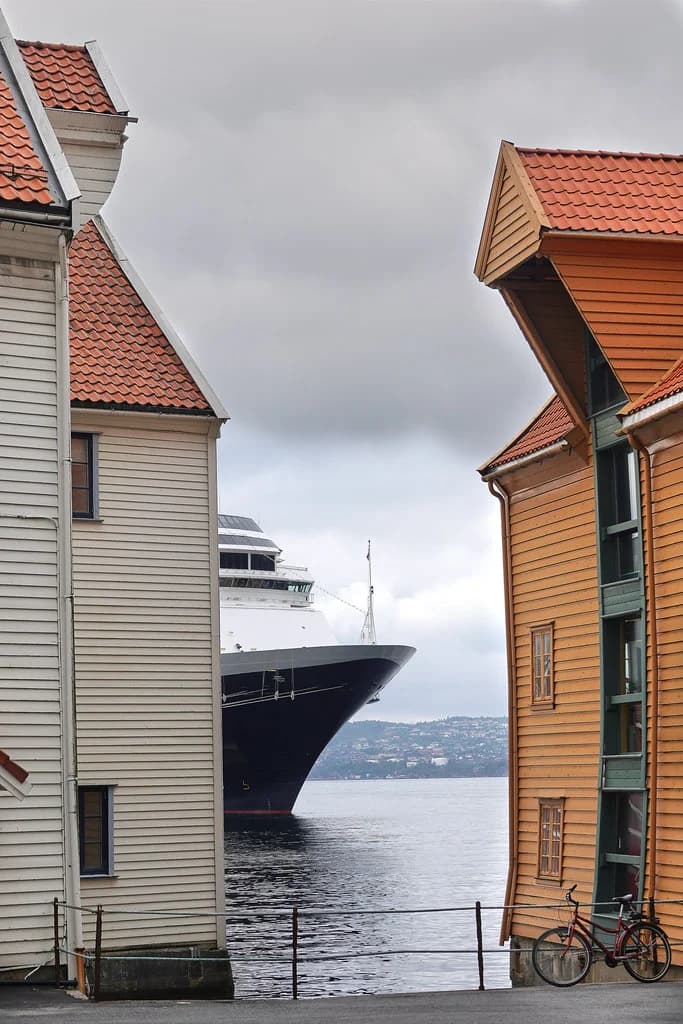
History buffs should visit the Bryggen Museum at Dreggsallmenningen 3, which is open Tuesday to Sunday 10:00–16:00 (10:00–17:00 in summer). Adult admission is 120 NOK (~€10) in 2026; the Bergen City Pass covers entry and saves money across multiple sites. The museum displays archaeological finds from the city's 12th-century foundations excavated after the fire in 1955, including over 600 carved runic stick messages — the medieval equivalent of business memos and love letters — that rank among the most significant runic finds in Scandinavia. Early morning visits before 09:30 are best to avoid the large cruise ship crowds that often arrive at the main quay by noon, particularly between June and August when up to three large vessels can dock simultaneously.
Across the alley, the Schøtstuene assembly rooms on Øvregaten are also worth a stop — these were the communal heated rooms where Hanseatic merchants gathered for meetings and meals during the long Norwegian winters, since private fires were banned inside the warehouse buildings to protect against the ever-present risk of fire. Guided 45-minute walking tours of the entire wharf complex depart from the Hanseatic Museum entrance and cost around 200–300 NOK per person in 2026, operating daily from May through September. The tours illuminate the Jacobsfjorden alley — the narrowest passage in the wharf complex where the leaning walls nearly touch overhead — and the Bellgården and Engelgården courtyards that most independent walkers overlook. From the fish market to the far end of the Bryggen row is roughly 350 metres, an easy flat walk suitable for most visitors including those with prams.
- The Hanseatic Museum and Schøtstuene
- Type: Historical museum
- Best for: Merchant history
- Where: Finnegården, Bryggen — 10 min walk from the fish market
- Hours: Tues–Sun 10:00–16:00 (10:00–17:00 Jun–Aug)
- Cost: 150–200 NOK (~€13–17)
- Bryggen Museum
- Type: Archaeological museum
- Best for: Medieval foundations, runic sticks
- Where: Dreggsallmenningen 3, Bryggen waterfront
- Hours: Tues–Sun 10:00–16:00 (17:00 in summer)
- Cost: 120 NOK (~€10) | Bergen City Pass: free
- Bryggen Guided Walking Tours
- Type: Educational walk
- Best for: Deep historical context
- Where: Departs Hanseatic Museum entrance
- Duration: ~45 minutes
- Cost: 200–300 NOK per person
Bergenhus Fortress and Rosenkrantz Tower: Bergen's Medieval Citadel
Standing at the northern tip of the Bryggen waterfront, Bergenhus Fortress is one of the oldest and best-preserved medieval fortresses in Norway, with its origins dating to 1247 when King Håkon Håkonsson ordered the construction of a royal stone residence to cement Bergen's status as the royal capital of Norway. The fortress grounds are free to enter and open year-round, making them an essential stop on any visit to the old town. Walking through the main gate transports you into a broad cobblestone courtyard surrounded by medieval stone walls, defensive towers, and later period buildings that tell the story of eight centuries of Norwegian power and conflict.
At the heart of the fortress stands Håkon's Hall (Håkonshallen), an imposing Gothic stone banquet hall built between 1247 and 1261 as the ceremonial centrepiece of King Håkon's royal court. The hall — at roughly 37 metres long and 17 metres wide — was one of the largest secular buildings in medieval Scandinavia and hosted elaborate royal banquets, diplomatic functions, and Håkon's own wedding celebrations in 1261. Heavily damaged by a gunpowder explosion in the 17th century, the hall was meticulously restored in the early 20th century and today serves as a stunning venue for official events. Entry costs NOK 120 (~€10) for adults in 2026, and the interior displays period furnishings, tapestries, and explanatory panels that reconstruct the grandeur of medieval Norwegian court life.
Directly beside Håkon's Hall rises the Rosenkrantz Tower, a squat but formidable fortified tower that was expanded by the Danish Governor Erik Rosenkrantz between 1562 and 1567, incorporating an earlier medieval keep built by King Magnus the Lawmender in the 13th century. Climbing the narrow spiral staircase inside rewards visitors with panoramic views across the Byfjorden towards the island of Askøy and southward over the Bryggen rooftops toward Mount Fløyen. The tower's thick stone walls and small gun ports are reminders of its role as a key defensive position guarding the approaches to the harbour. Adult entry costs NOK 120 (~€10) in 2026; a combined Håkon's Hall and Rosenkrantz Tower ticket is available for NOK 200 (~€17), representing good value if you plan to visit both.
Free guided tours of the fortress are available in summer (June through August), departing from the main gate at scheduled intervals — check the Bergenhus Fortress website for 2026 tour times as these vary by season. History enthusiasts will want to look for signs of the fortress's darkest chapter: during the German occupation of Norway in World War II (1940–1945), Bergenhus served as the regional headquarters for the German military, and the fortified complex played a significant logistical role in the occupation of western Norway. A small memorial near the main entrance commemorates the Norwegian resistance fighters who operated in and around the city during those years. On selected Sundays in summer, a cannon-firing demonstration takes place at noon in the fortress courtyard — the deep boom echoes across the entire harbour and draws a crowd; check locally for 2026 seasonal dates. The entire fortress visit pairs naturally with the adjacent Bryggen wharf, as the two sites share the same northern harbour frontage and can be combined into a single 2–3 hour morning circuit.
Exploring the Gamle Bergen Museum
While Bryggen is a commercial wharf defined by its Hanseatic merchant history, the Gamle Bergen Museum (Old Bergen Museum) offers a completely different perspective: a window into the everyday domestic life of Bergen's ordinary citizens across the 18th and 19th centuries. This remarkable open-air museum features over 50 historic wooden houses relocated from various neighborhoods across the city, painstakingly dismantled and reconstructed on a scenic hillside site in the Sandviken district. The buildings represent a cross-section of Bergen's social history — from modest fishermen's cottages with their tiny kitchens and shared sleeping quarters to the grander townhouses of prosperous merchants, complete with parlour furniture and period wallpaper.
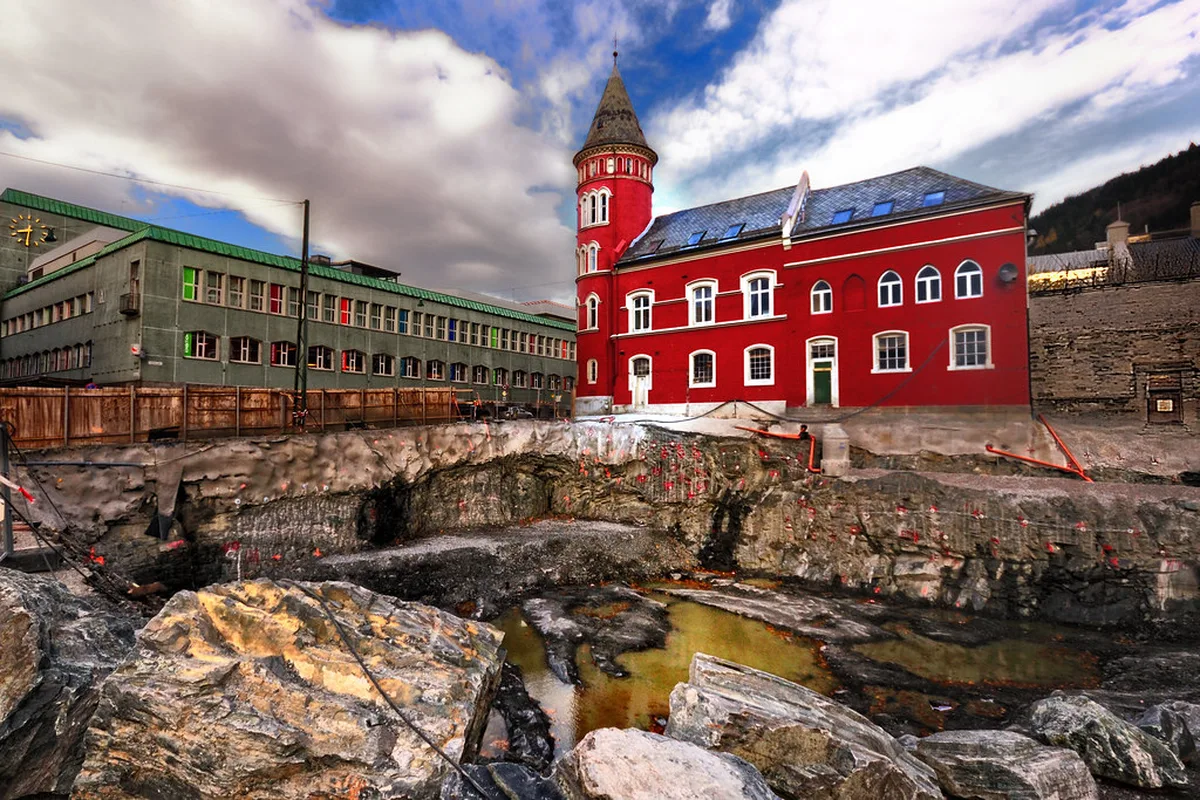
The museum sits in the Sandviken neighborhood at Elsesro, Nyhavnsveien 4, which is about 3 km north of Bryggen — roughly a 40-minute walk along the scenic coastline or a 10-minute ride on bus line 4 departing from Torget. Many visitors find this area significantly quieter than the bustling tourist zones near the fish market, with the hillside park providing a peaceful contrast to the intensity of the city center. It serves as a perfect spot for families who want to learn about things to do in Bergen with children, as the interactive nature of the reconstructed streets and the costumed guides brings history to life in an accessible way. The park grounds surrounding the houses remain open for public walks even when the museum interiors are closed, and the coastal path below offers beautiful views across the Sandviken basin.
Check the seasonal schedule before visiting, as full guided access is typically available May through September, Tuesday to Sunday from 10:00 to 17:00. Tickets for adults cost 140 NOK (~€12) in 2026; children under 16 enter free when accompanied by an adult. The museum shop sells reproduction period items and locally sourced crafts, including hand-knitted woolens and traditional Norwegian ceramics. Plan for at least two hours to fully explore the 50-plus relocated houses and the scenic coastal parkland that stretches toward the old Sandviken asylum gardens, which are themselves a historically significant example of 19th-century institutional architecture.
The reconstructed streets are named after the trades and social classes of the era — weavers, merchants, and fishermen each had their own quarters, reflecting the rigid social stratification of pre-industrial Norwegian urban life. Actors in period costumes perform daily tasks during peak season: carding wool, baking traditional flatbread in wood-fired ovens, and demonstrating cooperage (barrel-making), all of which were essential trades in a fishing-dependent port city. A small café on site serves traditional Norwegian waffles with brown cheese and coffee, open during museum hours. The entire site is largely flat and suitable for pushchairs, though some interior doorways are low and narrow in keeping with their original dimensions. After touring, the shoreline path back toward Bryggen passes the historic Sandviken church, a small 19th-century wooden chapel worth a five-minute detour, and continues past the old whaling station at Bradbenken quay.
Quiet Charm in the Nordnes Peninsula
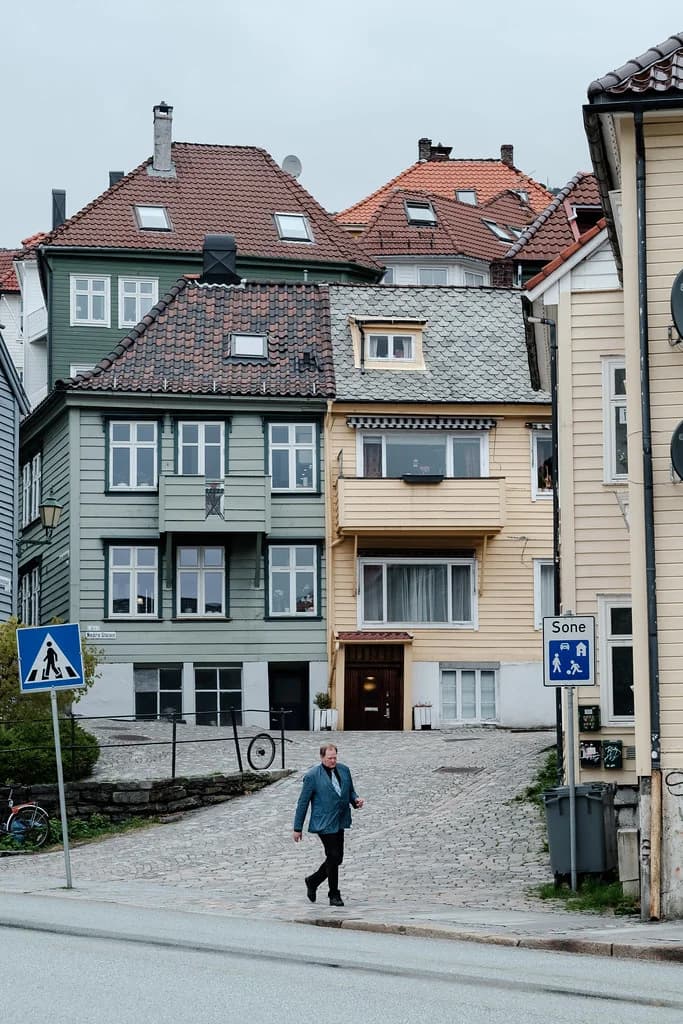
The Nordnes peninsula provides a more authentic look at how locals live in historic wooden homes today. Narrow streets like Strangebakken and Nøstegaten feature rows of white- and ochre-painted houses decorated with colorful flower boxes and vintage lanterns that have changed little in appearance over the past century. Walking through this district offers a peaceful escape from the more commercialized areas of the city center, and the density of original 18th- and 19th-century wooden architecture makes it arguably the most photogenic residential neighborhood in western Norway. This neighborhood is a vital part of any Bergen 3-day itinerary for those seeking genuine local charm beyond the tourist trail.
The area was once home to the city's execution grounds and later the tanning district, but today it is one of the most desirable residential zones in Bergen, prized for its quiet streets, harbor proximity, and well-preserved architectural character. You will find small parks and benches overlooking the harbor where you can watch the ferry traffic between Nordnes and Nøstet, and on clear days the view south toward the Lysefjord is striking. Local cafes like Kafe Flørli on Nordnesbakken serve traditional Norwegian waffles and specialty coffee to those wandering the hillsides, and several independent bakeries on Nøstegaten offer excellent kardemomme boller (cardamom buns) — a Bergen staple that rivals the city's famous fish market as a culinary highlight. Keep an eye out for small details like the cast-iron street lamps dating to the early 1900s, the ornate wrought-iron door knockers on several 18th-century townhouses, and the hand-painted house numbers that residents maintain with evident pride.
The end of the peninsula features the Bergen Aquarium at Nordnesbakken 4 — open daily 10:00–18:00 (10:00–16:00 in winter); adult entry is 315 NOK (~€27) in 2026, children 3–15 pay 195 NOK (~€17). Just below it, the popular outdoor saltwater pool Nordnes Sjøbad is free to use from June through August, heated by a solar-assisted filtration system and open to all ages. Walking from the Bryggen fish market to the tip of Nordnes takes about 20 minutes at a relaxed pace along the well-maintained harbour promenade. Evening walks here are particularly beautiful when the streetlights reflect off damp cobblestones and the silhouette of Mount Ulriken rises across the fjord, its transmission tower blinking steadily in the dusk.
The western shore of Nordnes along Bradbenken offers continuous views across the Puddefjorden toward the suburb of Laksevåg, and on summer evenings the quayside becomes an informal gathering spot for local residents. Street art appears on several old harbour walls near the Tollboden quay at the base of the peninsula — a deliberate community initiative to revitalise the area while respecting its heritage character. Respect the privacy of residents while photographing their historic doorways; avoid standing on private stoops for selfies, and keep voices low in the purely residential streets away from the main cafes. From Nordnes you can also catch the passenger ferry across to Nøstet quay, cutting the return walk in half and giving you a brief but scenic perspective on the harbour from the water. The Bergen funicular and cable car guide explains how to combine a Nordnes afternoon with an evening ascent of Mount Fløyen for sunset views across the entire old town.
KODE Art Museums: Bergen's World-Class Cultural Quarter
Few visitors realise that Bergen hosts one of Scandinavia's largest art museum complexes, spread across four elegant buildings on the southern shore of Lille Lungegårdsvannet lake — just a 10-minute walk from Bryggen along Rasmus Meyers Allé. The KODE complex (short for "KunstmuseEne i Bergen") is a genuine rival to Oslo's National Museum, yet it rarely appears on standard old-town itineraries. If you have more than one day in the city, at least one KODE building deserves a place on your schedule, and a combined ticket makes it financially sensible to visit all four across two consecutive days.
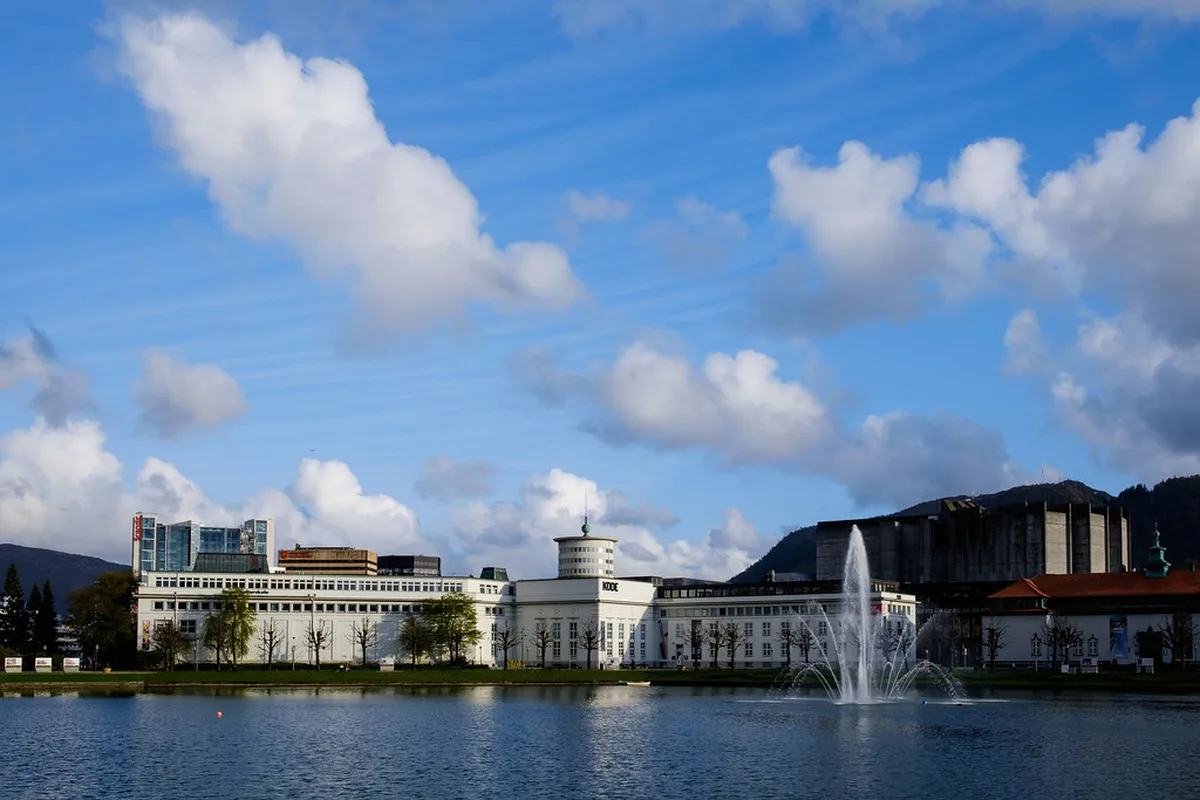
KODE 1, located in the distinctive red-brick Permanenten building at Rasmus Meyers Allé 9, focuses on decorative arts and design spanning four centuries. Highlights include Norwegian silver, glass, and faience from the 1700s — when Bergen's craftsmen were producing work that rivalled anything coming from Copenhagen or Amsterdam — and an internationally significant collection of East Asian ceramics acquired by Bergen merchants during the height of the China trade. The building also holds rotating contemporary design exhibitions that change quarterly. This is the most overlooked of the four buildings, which means it is almost never crowded even at peak summer times, making it an ideal retreat on a rainy Bergen afternoon.
KODE 2 at Rasmus Meyers Allé 7 houses the international fine-art collection, including important works by Pablo Picasso and a strong selection of Modernist European painting from the early 20th century. The permanent Picasso gallery contains around 50 works donated by the artist himself to the city of Bergen — one of the largest and most significant Picasso collections in any Scandinavian public museum, and one that was assembled through a remarkable personal relationship between Picasso and the Norwegian collector Rolf Stenersen. KODE 3 next door concentrates on Norwegian painting, most prominently a dedicated Edvard Munch wing with dozens of canvases, watercolours, and drawings spanning his entire career. Several of Munch's lesser-known figurative works, rarely reproduced in art books, can be seen here alongside his iconic prints. Objects that once belonged to Edvard Grieg — manuscripts, personal photographs, and instruments — are also displayed in a small annexe within KODE 3, bridging the museum's visual-art and music heritage collections in a way that underscores Bergen's extraordinary contribution to Norwegian cultural life.
KODE 4, the newest building at Rasmus Meyers Allé 3, is devoted to Scandinavian applied art, craft, and contemporary Norwegian art from the post-war era to the present. Its light-filled top floor is particularly popular with visitors for both the art and the panoramic views over the lake toward the Fløyen mountain skyline. Entry pricing in 2026: a single-museum ticket costs 120 NOK (~€10); the combined KODE pass for all four buildings costs 480 NOK (~€42) and is valid for two consecutive days, making it excellent value if you plan to explore at length. Opening hours across all buildings: Tuesday to Sunday 11:00–17:00 (Thursday until 19:00); closed Monday. The Bergen City Pass includes free admission to all four KODE buildings, which is one of its strongest single benefits and alone can justify the pass cost for art-focused visitors.
Navigating the City with a Bergen Old Town Guide
Practical planning is essential for enjoying the historic districts without getting tired or lost in the maze of Bergen's interconnected old neighborhoods. Cobblestone streets are charming but can be very slippery when it rains, which happens frequently — Bergen averages around 240 rainy days per year, making it officially one of Europe's wettest cities and giving the locals an almost Zen-like relationship with wet weather. Wear sturdy walking shoes with good grip to handle the steep inclines and uneven stone paths throughout the old town districts. Travelers should always carry a compact umbrella or wear a waterproof jacket even if the sun is shining at departure, as conditions can change within an hour.
The city center is compact, making it easy to see most major sites on foot within a single afternoon or a relaxed full day. If you are arriving by car, remember that parking in Bergen can be difficult and expensive near the old town, with many streets in the historic core closed to non-resident traffic entirely. Use the large multi-storey garages like ByGarasjen on Rosenkrantzgaten or Klostergarasjen on Klosteret to avoid the narrow, restricted streets of the center — both charge around 30–40 NOK per hour in 2026, with overnight caps of approximately 200 NOK. Most historic areas are pedestrian-only zones where cars are either banned entirely or strictly limited to permit-holding residents, so park on the perimeter and proceed on foot.
Public transport is efficient, with the Bybanen light rail and the Skyss bus network connecting the old town to the rest of the city. The light rail runs from Byparken stop (opposite the fish market) out to the airport and the eastern suburbs, with frequent departures every 5–8 minutes during daytime hours. Consider the layout of the harbor when planning your route to avoid backtracking across the fish market. Starting at Bryggen and walking south toward KODE, then looping back through Nordnes, allows for a natural flow that covers the most scenic spots in a single 4–5 hour loop without retracing your steps. Local tourist maps are available at the Visit Bergen information center at Strandkaien 3, right next to the historic wharf.
For those using the Bergen City Pass (24h: 345 NOK / 48h: 470 NOK / 72h: 595 NOK in 2026), the pass covers unlimited light rail and bus travel in addition to museum entries and the Fløibanen funicular. This makes it worthwhile even for visitors who plan to do most of their sightseeing on foot. Ferries across the inner harbor between the Torget fish market and Nordnes quay depart roughly every 15 minutes during summer and cost 40 NOK each way without the pass. The tourist information center can provide printed walking route cards that map the UNESCO Heritage zone in detail, and the Visit Bergen app offers an offline map that works without mobile data — useful given the historic districts' variable phone reception inside deep stone courtyards. If planning day trips from Bergen to the fjords, note that most boat departures leave from the Strandkaien quay at the southern end of the Bryggen waterfront, making the old town a natural staging point for onward journeys.
Best Photography Spots in Historic Bergen
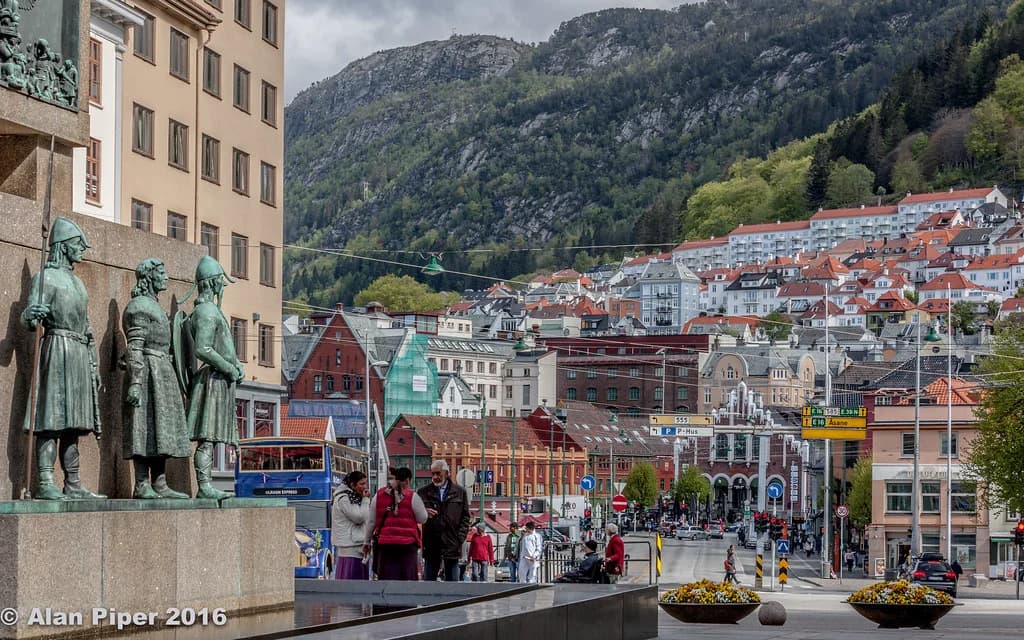
Capturing the beauty of the old town requires visiting a few specific vantage points during your stay. The classic view of Bryggen is best photographed from the opposite side of the harbor near the fish market, where you can frame the entire row of coloured gabled buildings with the Fløyen and Ulriken mountains rising behind them. Morning light — roughly 07:30–09:30 in summer — hits the wooden facades directly, making the reds, ochres, and yellows of the buildings glow against the mountain backdrop. For a higher perspective, the Bergen funicular and cable car guide details how to reach the top of Mount Fløyen at 320 metres, where a viewing platform gives a full aerial layout of the old quarter and the surrounding fjords.
The summit offers a panoramic view of the entire old town layout and the surrounding fjords and islands. Sunset is a popular time for photographers from late spring through autumn, as the city lights begin to twinkle in the valley below and the sky turns amber and rose over the Byfjorden, reflecting in the still water of the inner harbor. Down in the streets, look for the narrowest alley in Bryggen — Jacobsfjorden — for moody architectural close-ups where the leaning timber walls almost touch overhead and the scale of the medieval structures becomes viscerally apparent. The white-painted houses of Nordnes along Strangebakken look best during the blue hour when the sky matches the cool tones of the weathered wood and the harbor lights reflect on the wet cobblestones.
Rainy days offer a different perspective with reflections pooling on the stone quaysides and a soft mist settling over the water toward Askøy island — arguably Bergen's most photogenic condition, and one that locals embrace with complete equanimity. The KODE lakeside on Lille Lungegårdsvannet provides a serene mid-morning shot: the museum buildings reflected in still water with no crowds before 11:00, the willow trees framing the neoclassical facades. Wide-angle lenses are helpful for capturing the narrow passages and the height of the historic timber frames inside the Bryggen courtyards, while a telephoto compression can flatten and intensify the row of coloured facades seen from the market side. The lamp-lined promenade along Bradbenken on the Nordnes western shore gives clean compositions of the Puddefjorden in the late afternoon. In 2026, the city's winter light festival (Lyskultur) typically runs from late November through January, adding dramatic light installations to the historic buildings along Bryggen — a completely different atmosphere worth planning a visit around if you are in the region during winter.
Street-level detail shots are equally rewarding: the rusted mooring rings on the old quay walls, the hand-painted shop signs in the Bryggen courtyards, and the ornate ironwork on historic doorways in the Nordnes streets. The battlements of Bergenhus Fortress at dusk provide a dramatic silhouette against the evening sky over the Byfjorden, particularly when the cannon-fire demonstration has just concluded and the smoke still hangs over the courtyard. For a unique aerial view without hiking, the funicular glass cabin itself provides a rising-angle shot of the Bryggen roofline as it ascends — frame the shot to include the colorful facades below and the harbor water between. Always check lighting conditions the evening before using the Bergen weather app — a clear post-rain morning typically delivers the sharpest mountain reflections in the harbor and the cleanest light on the Bryggen facades.
Frequently Asked Questions
What is Bryggen in Bergen?
Bryggen is Bergen's UNESCO World Heritage-listed wharf: a series of colourful medieval timber warehouses on the eastern side of the harbour, originally built by Hanseatic League merchants from northern Germany. The structures date to rebuilds after the devastating fire of 1702, but preserve the original 12th-century street layout. Today the buildings house shops, galleries, and restaurants, and the surrounding alleyways are free for anyone to explore.
Is Bryggen in Bergen free to visit?
Yes — walking through the Bryggen wharf, its alleys, and its courtyards is completely free with no ticket or entry fee required. The outdoor area of Bryggen, including Jacobsfjorden alley and the Bellgården and Engelgården courtyards, is open to everyone year-round at no cost. Fees apply only if you enter the indoor museums: the Bryggen Museum (120 NOK), the Hanseatic Museum (150–200 NOK), or take a guided walking tour (200–300 NOK). The Bergen City Pass covers all museum entries if you plan to visit multiple sites.
How much time do I need to explore Bergen's old town?
Allow a minimum of 3–4 hours to walk the Bryggen wharf, visit one museum, and stroll through the Nordnes peninsula. A full day (6–8 hours) comfortably covers Bryggen, Bergenhus Fortress, the KODE art museums, a loop through Nordnes, and lunch at the Fish Market. If you add the Gamle Bergen Museum in Sandviken, plan a second half-day. The old town is compact — Bryggen itself is walkable end-to-end in 30 minutes — but the museums and cafes reward a slower pace.
How much does it cost to visit Bryggen?
Walking through the Bryggen wharf and its alleys is completely free. The Bryggen Museum charges 120 NOK (~€10) for adults in 2026. The Hanseatic Museum and Schøtstuene costs 150–200 NOK (~€13–17). Guided walking tours of the wharf run 200–300 NOK per person. The Bergen City Pass (from 345 NOK/24h) covers museum entries and public transport, making it good value if you plan to visit multiple sites.
Are the old town buildings accessible for wheelchairs?
The main quayside street of Bryggen is flat but the internal alleys have uneven timber floors and steep stairs. Modern museums in the area — including KODE and the Bryggen Museum — are fully accessible. However, many historic shops have narrow doorways and raised thresholds that may pose challenges for visitors with mobility needs.
What is the best way to avoid crowds in the old town?
Arrive before 09:00 or visit after 18:00 to avoid the peak hours of cruise ship passengers, who typically swarm Bryggen between 10:00 and 16:00. Weekdays are generally quieter than weekends during June–August. Exploring the residential areas of Nordnes and Sandviken also provides a much more peaceful experience away from the main tourist paths. The Gamle Bergen Museum in Sandviken is almost never crowded, and Bergenhus Fortress receives far fewer visitors than Bryggen despite being equally significant historically.
Exploring the historic districts of Bergen offers a journey through time that defines the Norwegian coastal identity. From the commercial power of Bryggen and the medieval grandeur of Bergenhus Fortress to the world-class art of KODE, the quiet beauty of Nordnes, and the open-air streets of Gamle Bergen Museum, the city preserves its past with remarkable care and accessibility. After a day of walking, you can relax by exploring the Bergen nightlife guide for the best local bars and live music venues. Every traveler finds something unique in the crooked wooden walls and the salty air of this ancient port in 2026.