The Ultimate Bergen Funicular and Cable Car Guide
Bergen's Fløibanen funicular runs every 15 minutes from the city centre, takes 5 minutes to reach Mount Fløyen at 320m, costs NOK 165 return (NOK 90 for children), and is free with the Bergen Card; first departure 7:30 AM in 2026.
The Ulriken643 cable car reaches Bergen's highest peak at 643m, costs NOK 310 return (NOK 175 children), offers Norway's largest gondolas with 200-person capacity, and includes free hiking trails from the summit; 20% discount with Bergen Card.
Bergen is famously known as the city between seven mountains. These peaks offer breathtaking views of the North Sea and deep fjords. Most visitors prioritize reaching the summits of Mount Fløyen and Mount Ulriken during their stay. Bergen's tourism authority offers detailed information about mountain access and seasonal schedules.
Navigating these heights requires a solid Bergen funicular and cable car guide to maximize your time. You can choose between a historic rail journey or a soaring aerial tramway. Both options provide unique perspectives of the colorful rooftops below.
Planning your ascent involves understanding ticket prices, shuttle routes, and seasonal weather changes. This guide covers everything from station locations to the best hiking trails. Discover which mountain best suits your travel style and physical abilities.
Many travelers include these rides in a broader Bergen 3-day itinerary. Whether you seek a family playground or a rugged hike, the mountains await. Let us explore the logistics of reaching Bergen's most iconic viewpoints.
Fløibanen Funicular: The Gateway to Mount Fløyen
The Fløibanen funicular is one of Norway's most beloved tourist attractions, having carried passengers up Mount Fløyen since 1918. Its lower station sits just 150 metres from the historic Fish Market and Bryggen wharf, making it incredibly easy to reach on foot from the city centre. The track stretches 844 metres from the bottom station at just 13 metres above sea level to the upper terminus at 320 metres, creating a gradient that delivers stunning views almost immediately after departure.
Modern glass-roofed carriages run a fleet of two cars that pass each other at the midpoint of the track. The journey operates across seven intermediate stations, though most tourists ride non-stop to the summit. In 2026 departures run every 15 minutes during peak summer hours and every 30 minutes during quieter periods. The steep climb takes approximately 5 minutes end to end. Adult round-trip tickets are priced at NOK 165 (approximately €14), with children paying NOK 90. Holders of the Bergen Card ride for free, making the pass an excellent value investment if you plan to use both mountain transport systems. Tip: buy your ticket online via the Fløibanen app before joining the queue to save time — the digital ticket lets you board immediately at the turnstile.
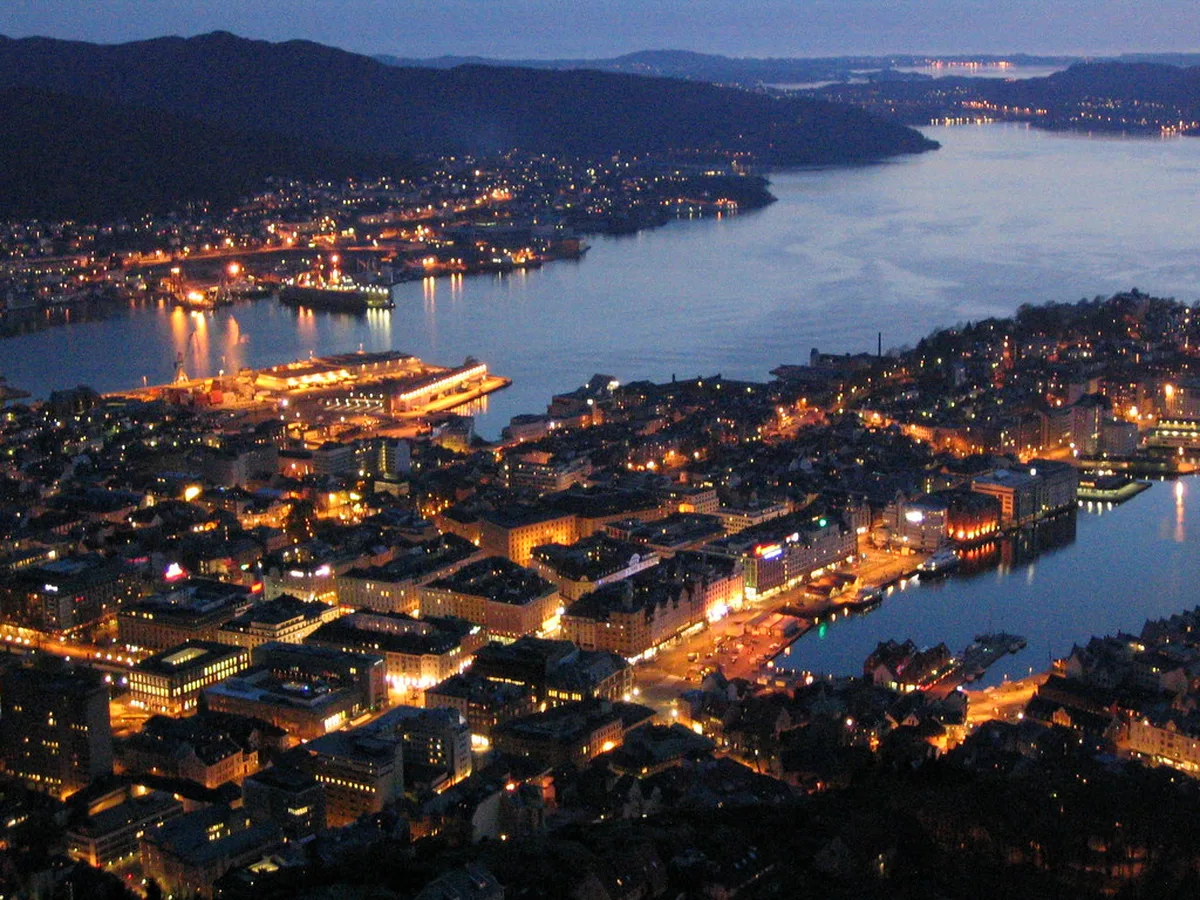
Spectacular panoramic vistas of the city, Byfjorden harbour, and the surrounding mountain peaks greet you at the upper station. Children usually head straight for the large wooden playground or the nearby Trollskogen (Troll Forest), where quirky carved sculptures hide among the trees. You might also spot the friendly cashmere goats that graze on the mountainside to manage vegetation — a beloved local institution that delights visitors of all ages.
To avoid the longest queues, arrive before 9:00 AM or head up after 5:00 PM when the cruise-ship crowds have typically returned to their vessels. Midday — roughly 10:30 AM to 2:00 PM — is when queues can stretch outside the station building, particularly between June and August. If you are visiting on a cruise-ship day, checking the port schedule on the official Bergen Port website lets you plan around the busy windows. Gravel paths spread out from the summit in multiple directions through fragrant pine forests, with several stroller-friendly trails leading to quiet mountain lakes like Skomakerdiket. Longer trails wind north toward Rundemanen and beyond, offering fit hikers a chance to extend their day well past the funicular. If you are following a Bergen 3-day itinerary, Fløyen is the perfect morning activity before heading down for lunch at Bryggen.
The funicular operates year-round with a first departure at 7:30 AM, making it possible to catch the early morning light before the city wakes. The last departure from the summit in summer is 11:00 PM, so evening rides — with the city lights reflecting off the fjord — are one of Bergen's great undiscovered pleasures. Winter schedules shorten to roughly 8:00 AM–11:00 PM on weekdays, and the forested trails take on a magical quality under a dusting of snow. The Fløibanen website publishes any planned closures for annual maintenance (typically late autumn) several weeks in advance, so it is worth checking before you travel.
Ulriken643: Soaring Above Bergen's Highest Peak
Mount Ulriken stands as the tallest of Bergen's seven mountains at exactly 643 metres above sea level — the number that gives the cable car its name. The Ulriken643 cable car provides a more dramatic aerial experience than the funicular, lifting passengers in large enclosed gondola cabins high above the treeline for a true Norwegian mountain atmosphere. These are Norway's largest cable car gondolas, each designed to carry up to 200 passengers, so even during busy periods boarding is smooth and efficient. The ride takes approximately 7–8 minutes and covers significant vertical gain, offering increasingly expansive views over the archipelago as you ascend.
In 2026, round-trip cable car tickets cost NOK 310 for adults and NOK 175 for children. Bergen Card holders receive a 20% discount, bringing the adult fare down to approximately NOK 248. A combo ticket bundling the cable car with the dedicated shuttle bus from the city centre is the recommended option for visitors without a car — the shuttle departs from near the Tourist Information office during summer months and takes around 15 minutes. The Bergen Light Rail (Bybanen) is an alternative: alight at Haukeland station and walk roughly 10 minutes. If you plan to drive, remember that parking in Bergen near the Ulriken base station is limited and regulated, so the shuttle is usually the smarter choice.
Arriving before 10:00 AM or after 5:00 PM helps you avoid the peak cruise-ship crowds that gather midday. The cable car typically operates from 9:00 AM to 9:00 PM in summer, with the last gondola ascending at around 8:45 PM. During the shoulder season (May and September) hours shorten slightly, and winter operations can be affected by strong winds — the gondola cabins are suspended aerially, making them more susceptible to wind holds than the rail-based Fløibanen. Check the Ulriken643 website or their social media for same-day wind closures before making the journey out to the base station.
Fine dining is available at the Skyskraperen restaurant perched right at the top station, where floor-to-ceiling windows frame the fjord panorama. Expect to pay NOK 200–350 for a main course, or enjoy a lighter snack and coffee on the outdoor terrace in fine weather. The summit plateau opens onto the beginning of the famous Vidden trail, which connects all the way to Mount Fløyen for a multi-hour mountain traverse. Hikers who complete the Vidden route often descend via Fløibanen, making Ulriken the preferred starting point for a full one-way traverse of Bergen's high ridge. The terrain here is significantly more rugged and exposed compared to the forested summit of Mount Fløyen, so appropriate waterproof footwear is essential. Free hiking trails depart in multiple directions from the summit cable car station, including shorter loop routes of 1–2 hours for visitors who want a taste of the highland wilderness without committing to a full traverse. For deeper exploration of the surrounding landscape, the day trips from Bergen guide covers multi-day trail options in the wider Hordaland region.
Photography enthusiasts will find Ulriken superior to Fløyen for wide-angle shots that capture the full coastal panorama. The extra 323 metres of elevation lifts you above the low cloud and mist that often sits over the city, meaning you are more likely to emerge into brilliant sunshine even when Bergen harbour below looks overcast. Sunset shots looking west over the Byfjord and out toward the Atlantic are best captured from the Ulriken summit platform between late July and mid-September when the sun dips behind the outer islands in a blaze of colour.
Choosing Between Fløibanen and Ulriken643
Many tourists wonder which mountain transport they should choose if time is limited. Fløibanen is the better choice for families with young children or those with mobility issues. The lower station is right in the city centre, within easy walking distance of the main hotels and Bryggen wharf. Paths at the top are mostly flat, well-maintained, and stroller-friendly, and the surrounding forest feels gentle and welcoming even for first-time visitors. The Trollskogen playground at the summit keeps young children entertained for hours, and the café-restaurant serves child-friendly portions alongside adult mains.
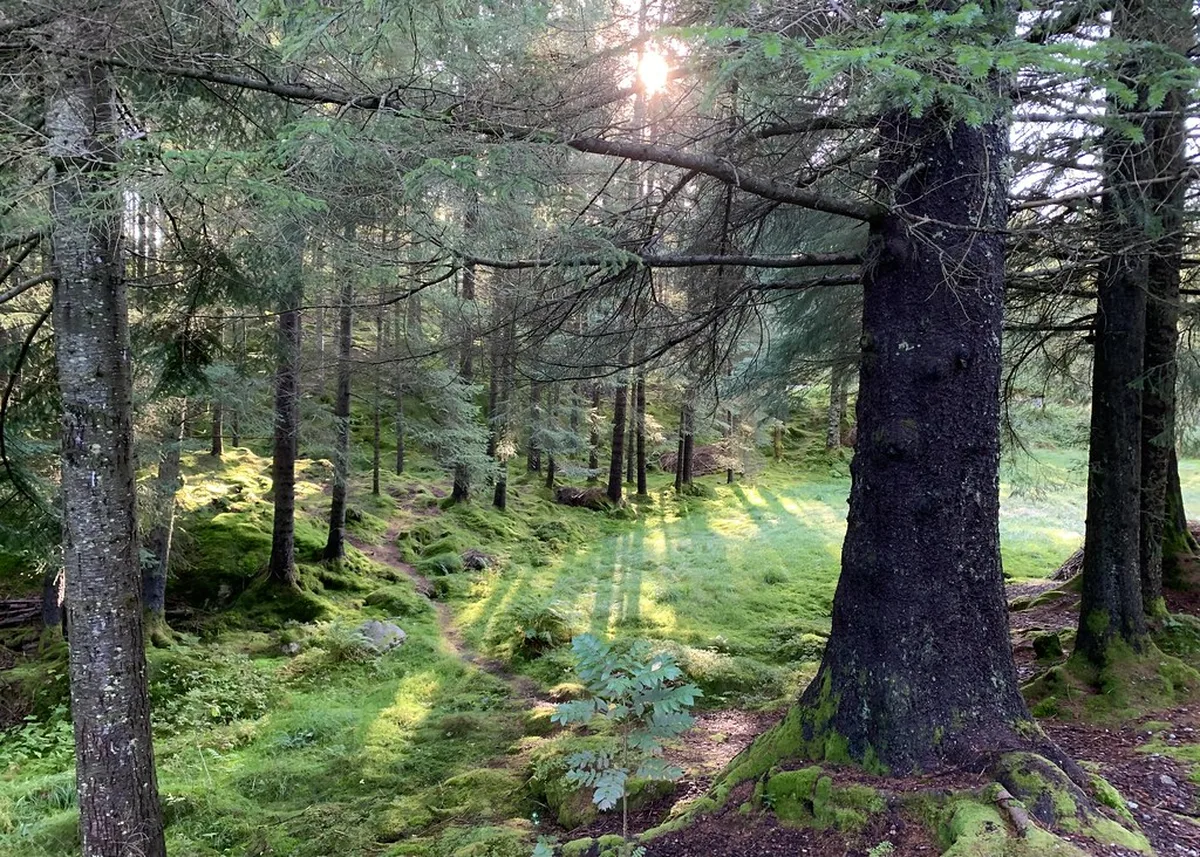
Ulriken appeals more to adventure seekers, photography enthusiasts wanting higher and wider perspectives, and hikers looking for a genuine wilderness experience. The views extend much further toward the coastal islands, the open North Sea, and distant mountain ranges stretching inland. The summit feels less like a city park and more like wild Norwegian highland terrain, where cloud shadows race across the rocky plateau and wind is a constant companion. The Vidden plateau hike that begins at Ulriken is also one of the great urban mountain treks in Europe — something Fløyen simply cannot match at its lower elevation.
Budget travelers might prefer Fløibanen because the 2026 ticket price of NOK 165 return is considerably lower than Ulriken's NOK 310. You can also walk up or down Mount Fløyen for free using the well-marked path that begins near the lower funicular station, saving the full return fare. Walking up Ulriken, by contrast, is a strenuous 1,333-step climb that requires solid physical fitness and good footwear — most visitors take the cable car at least one way. Bergen Card holders should note that the card covers Fløibanen entirely and gives a 20% discount on Ulriken, making the combined experience substantially cheaper if you hold the pass for multiple days.
Combining both mountains is the most rewarding option if you have a full day dedicated to the heights. The classic approach is to take the cable car up to Ulriken in the morning, complete the Vidden plateau hike across to Fløyen (4–5 hours), and then descend via the funicular into the city centre. This one-way traverse lets you experience both transport systems and the wilderness connecting them in a single unforgettable day. Check the Bergen City Pass guide to understand exactly which discounts apply to each mountain system in 2026 before purchasing your ticket. For visitors with limited time, a quick rule of thumb: first trip to Bergen, choose Fløibanen for the classic view and the Trollskogen; second trip or adventure traveller, choose Ulriken and the Vidden.
Accessibility is another important consideration. The Fløibanen funicular is fully wheelchair accessible at both stations and the summit platforms are largely paved and flat. Ulriken's gondola is step-free but the summit terrain is rocky and uneven, making it less suitable for visitors with limited mobility. Solo travellers and solo photographers tend to prefer Ulriken for the wilder atmosphere; couples often appreciate Fløyen's evening funicular rides with the city illuminated below.
Hiking Down from Mount Fløyen: The Troll Forest Trail and City Return Walk
One of the best-kept secrets among visitors to Bergen is that the descent from Mount Fløyen on foot is not only free but genuinely enjoyable — often more so than the funicular ride. The main walking trail from the summit back to the city centre covers approximately 3 kilometres, descends 307 metres in elevation, and takes around 45 minutes at a comfortable pace. The path is wide, well-marked with red waypoints, and surfaced for most of its length, making it suitable for anyone in reasonable walking shoes.
Before beginning the descent, allow time to explore the Trollskogen — the Troll Forest — located a short walk from the upper funicular station. This enchanting woodland area features hand-carved troll sculptures of all sizes hidden among the pine trees, creeks crossed by small wooden bridges, and a dedicated children's playground with climbing frames, slides, and a small outdoor stage. It is free to enter and genuinely magical for young children. The trolls themselves are a nod to Norwegian folklore: Fløyen's summit is considered the gateway to the mythological mountain realm that inspired fairy tales across the Nordic countries. Budget 30–45 minutes here if you are travelling with children.
The descent trail begins at a signposted junction just below the café and follows a winding forested path past several mountain viewpoints before arriving at the streets of the Fjellsiden neighbourhood and eventually the lower funicular station. The trail is shaded and cool even in midsummer, and birdsong accompanies most of the route. Evening is a particularly rewarding time to make this walk: the low golden light over Bergen harbour, the silhouettes of the Bryggen wharf buildings, and the reflections on Byfjorden below create one of the most photogenic scenes in the city. Sunsets from the forest path between late July and early September can last well past 9:30 PM.
For more adventurous hikers, Fløyen serves as a starting point for several longer circular routes. The most popular combines the Ulriken cable car ascent, the Vidden plateau ridge walk connecting Bergen's seven mountains, and the Fløyen descent via funicular — a full day covering approximately 13 kilometres of highland terrain at an altitude of 320–643 metres. A shorter circular loop heads north from the summit to Rundemanen (568m) and returns via the western ridge, taking around 3–4 hours and suitable for fit walkers with proper boots.
What to wear and bring: sturdy trail shoes or light hiking boots are recommended even for the basic descent trail, as wet conditions make smooth rock slippery. Carry a wind and waterproof jacket — the summit sits in its own microclimate and afternoon showers arrive with little warning. A small snack and 500ml of water is sufficient for the descent alone; carry more if doing the extended ridge routes. The café at the top (Fløyen Folkerestaurant) serves hot drinks, waffles, and light meals with indoor and outdoor seating — a hot chocolate or cinnamon waffle at NOK 120–180 before starting the descent is a Bergen rite of passage. The café is generally open from 10:00 AM to at least 8:00 PM in summer, and on clear evenings the outdoor tables fill with locals watching the sunset over the harbour.
The Vidden Hike: Connecting Fløyen to Ulriken
The Vidden traverse is one of the most rewarding urban hikes in all of Europe, connecting the summits of Mount Fløyen (320m) and Mount Ulriken (643m) across a wild, rocky plateau that sits above the Bergen cloud line. Most experienced hikers rate the route as moderate in difficulty — steady and exposed rather than technically demanding — making it accessible to anyone with reasonable fitness and the right footwear. The total distance is approximately 13 kilometres one way, and the typical completion time is 4 to 5 hours depending on your pace and the number of rest stops you take.
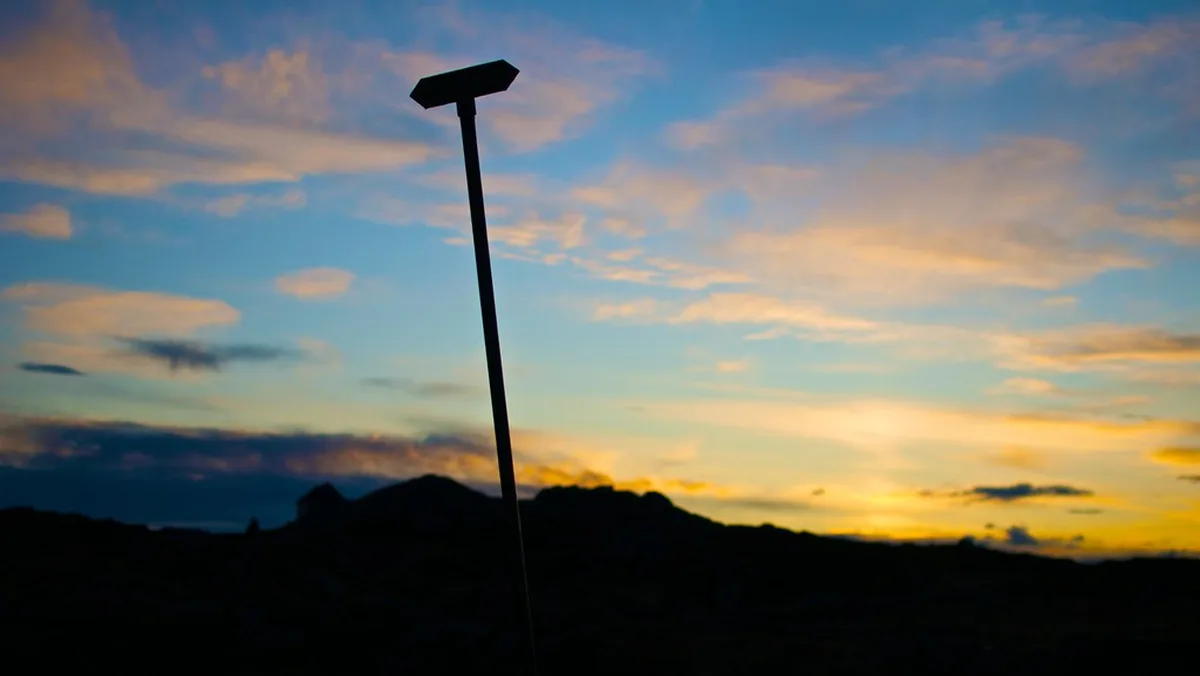
The preferred direction is to start at Ulriken and finish at Fløyen. Taking the Ulriken643 cable car up to 643 metres means you begin at the highest point and descend gradually toward Fløyen at 320 metres, reducing the total climbing load. At the end of the hike you can ride the Fløibanen funicular back down to the city centre, making for a seamless door-to-mountain-to-door loop using both transport systems in a single day. Starting from Fløyen is equally valid if you prefer to get the funicular out of the way early and save the cable car descent for the finish.
The plateau scenery is stunning and completely unexpected for a city walk. You cross open moorland studded with small mountain lakes, glacially smoothed boulders, and dwarf birch scrub. On a clear day the views extend from the outer islands of the Hordaland coast to the snowfields above Voss. The trail is marked with red painted waypoints and stone cairns; in good conditions navigation is straightforward, though in fog the cairns become essential. Always carry a downloaded offline map such as Ut.no for safety.
The hike is best done between June and September when snow has melted from the plateau and daylight extends well into the evening. Outside this window the route can involve icy sections and shorter weather windows. What to bring: sturdy hiking boots (trail runners are acceptable but boots are better on wet rock), a wind and waterproof jacket, at least 1.5 litres of water, and snacks for the full journey. The Skyskraperen restaurant at Ulriken and the café at Fløyen both allow you to refuel at either end. Allow a full day, start before 10:00 AM, and check the weather forecast before you leave.
Logistics: Tickets, Timing, and Getting There
Managing your tickets efficiently can save both money and time during your visit. The Bergen City Pass provides free rides on the Fløibanen funicular and a 20% discount on the Ulriken cable car for the duration of its validity — a genuine saving if you plan to use both systems. In 2026 Fløibanen costs NOK 165 return for adults (NOK 90 children) and Ulriken643 costs NOK 310 return (NOK 175 children). Family groups should compare the family ticket bundles available directly from each attraction's website, as these can reduce per-person costs significantly for parties of four or more.
Peak hours for both attractions usually fall between 10:00 AM and 2:00 PM when cruise ship passengers flood the city. Arriving before 9:00 AM at Fløibanen — the first departure is at 7:30 AM — helps you beat the queues and enjoy the summit in near-solitude during the golden morning light. Evening rides are also highly recommended: the funicular runs until 11:00 PM in summer, and watching the sun set over the Atlantic from Fløyen is one of Bergen's unmissable experiences. Check Bergen Port's published cruise schedule (available on the Port of Bergen website) to identify the busiest arrival days in advance.
Digital tickets are available through the official apps and websites for both attractions. Most stations accept major credit cards and contactless payment. Check the official sites for annual maintenance closures, which typically happen in late autumn or early spring when both systems undergo safety inspections. The Fløibanen website publishes closures several weeks in advance; Ulriken often posts same-week notices on their social media channels. Weather conditions in Bergen can change rapidly and may lead to temporary cable car closures — strong winds frequently suspend the Ulriken gondola cabins while the funicular, being a rail-based system, remains operational in most conditions.
Always carry a waterproof layer and an extra warm layer even if the harbour looks sunny — temperatures drop noticeably at 320m and considerably more at 643m. Checking the mountain webcams on both official websites before departing saves wasted trips on bad-visibility days. For those interested in the broader Bergen tourist landscape, the Bergen nightlife guide is worth reading alongside this one — an evening funicular ride followed by dinner in the old town is one of the city's great itineraries.
- 2026 pricing — Fløibanen funicular
- Adult return: NOK 165 (~€14)
- Child return: NOK 90
- Bergen City Pass: free
- First departure: 7:30 AM (summer)
- Last departure: 11:00 PM (summer)
- 2026 pricing — Ulriken643 cable car
- Adult return: NOK 310 (~€27)
- Child return: NOK 175
- Bergen City Pass: 20% discount
- Shuttle bus combo: available
- Operating hours (summer)
- Fløibanen: 07:30 AM – 11:00 PM
- Ulriken: 09:00 AM – 09:00 PM (weather permitting)
- Season: Year-round (hours vary)
Planning Your Visit: Tips for First-Timers and Return Visitors
First-time visitors to Bergen often underestimate how much time the mountain experiences can absorb. A single morning at Fløyen — including the funicular ride, the Trollskogen walk, the main viewpoint, and a coffee at the summit café — comfortably fills 2–3 hours. Ulriken with a shorter summit walk and the cable car both ways takes a similar amount of time when you factor in travel to the base station. If you want to hike between the two via the Vidden plateau, block out a full day and pack accordingly.
Bergen's weather is notoriously changeable — the city receives around 2,250mm of rainfall per year, making it one of the wettest cities in Europe. The mountains magnify this effect: even a clear morning at the harbour can turn to low cloud and drizzle at the summit within an hour. The single most important preparation tip for this guide is: always pack a waterproof jacket before heading up, regardless of the weather at sea level. A lightweight packable rain shell weighs almost nothing and prevents the most common tourist complaint on Bergen's mountains.
This Vidden trail is widely regarded as one of the best day trips from Bergen for active travellers, offering genuine wilderness less than 30 minutes from the city centre by cable car. Finishing at Mount Fløyen allows for an effortless descent into the heart of the city via the funicular. You can celebrate with a coffee or a warm bowl of soup at the Fløyen café before riding down to Bergen's old town. This hike truly showcases the wild, untamed nature that sits right on the city's doorstep — a fact that still surprises most first-time visitors to Norway's second city.
For visitors on a tighter schedule, the clear priority order is: (1) Fløibanen funicular as the single must-do mountain experience in Bergen, (2) Ulriken643 if you have a second day or want the higher viewpoint, (3) the Vidden traverse if you have a full day dedicated to hiking. All three are bookable separately; no combination packages exist across both companies, so purchase tickets individually. Stay updated on current pricing and hours through each attraction's official website, as figures change annually. A helpful companion resource for planning your full visit is the Bergen 3-day itinerary, which slots both mountain experiences into a practical day-by-day framework.
Frequently Asked Questions
Which is better — Fløibanen or Ulriken cable car?
Fløibanen is better for families, first-time visitors, and those short on time: the station is central, the fare is NOK 165 return in 2026, and the summit has a café, playground, and gentle forest trails. Ulriken is better for adventure seekers and photographers — at 643m it offers wider coastal views, Norway's largest gondolas (200-person capacity), and access to the Vidden plateau hike. Bergen Card holders ride Fløibanen free and get 20% off Ulriken. If you have a full day, combine both via the Vidden traverse: cable car up, walk across the ridge (4–5 hours), funicular down.
Can I hike down from Mount Fløyen instead of taking the funicular?
Yes, hiking down from Mount Fløyen is free and one of the highlights of a Bergen visit. The main descent trail covers approximately 3km, takes around 45 minutes at a comfortable pace, and is well-marked with red waypoints. The path passes through the Trollskogen (Troll Forest) area with its carved sculptures and children's playground before winding down through the Fjellsiden neighbourhood to the lower funicular station. Many visitors walk up (45 min, free) and take the funicular down (NOK 165) or vice versa. Wear comfortable walking shoes as the trail can be slippery in wet conditions.
Which mountain is better, Fløyen or Ulriken?
Fløyen is better for families and casual visitors due to its central location, easy paved paths, Trollskogen playground, and lower ticket price of NOK 165 return in 2026. Ulriken offers higher, wider views and more rugged hiking for adventure seekers at NOK 310 return. Both are excellent — if you have a full day, combine them via the Vidden plateau hike for an unforgettable traverse of Bergen's mountain ridge.
Can you walk up to Fløyen for free?
Yes, walking up to Mount Fløyen is completely free. A well-maintained trail starts near the lower funicular station and takes approximately 45 minutes at a comfortable pace. The path is mostly paved and clearly signed, making it suitable for all fitness levels. Many visitors walk up and take the funicular down (NOK 165 in 2026) to save the full return fare, or walk both ways to avoid the ticket cost entirely.
Is the Bergen funicular wheelchair accessible?
The Fløibanen funicular is fully wheelchair accessible at both the top and bottom stations. Modern carriages feature level boarding for easy entry without steps. Most of the main viewing platforms and the café-restaurant at the summit are also accessible for visitors with limited mobility. The Ulriken cable car gondola is step-free but the summit terrain is rocky and uneven, making Fløyen the better choice for mobility-impaired visitors.
Do I need to book tickets in advance for the cable car?
Booking in advance is recommended during peak summer months — particularly July and August — to avoid long queues at the Ulriken base station. Digital tickets from the official Ulriken643 website allow you to go straight to the boarding area. For Fløibanen, walk-up tickets are generally available without long waits except during large cruise ship arrivals. Arriving before 9:00 AM or after 5:00 PM minimises queues at both attractions. The Fløibanen app lets you purchase tickets on your phone and board immediately at the turnstile.
A trip to the mountains is an essential part of any Norwegian coastal adventure. Using this Bergen funicular and cable car guide ensures you choose the right peak for your needs and budget. Both Fløyen and Ulriken offer memories that will last a lifetime, and combining them via the Vidden plateau hike creates one of the great urban mountain days anywhere in Europe.
Remember to check the weather forecast before purchasing your tickets. Mountain conditions above Bergen can vary wildly from what you see at harbour level. Pack a windbreaker, a warm mid-layer, and comfortable footwear to enjoy each summit to its fullest regardless of the season.
Bergen's mountain transport systems are more than tourist rides — they are gateways to the wild, ancient landscape that has defined this city for centuries. Enjoy the climb, breathe in the fjord air, and take your time on the summit. The views of the surrounding peaks and waterways below are well worth every krone. For broader trip planning, the Bergen City Pass guide is the best next step to understand how to bundle your mountain transport with museums, the historic harbour, and the Bergen Light Rail into a single great-value itinerary.