How to Spend 3 Days in Bergen: The Ultimate Itinerary
A perfect 3-day Bergen itinerary covers: Day 1 Bryggen UNESCO wharf and Fløibanen funicular (NOK 165 return); Day 2 Ulriken cable car (NOK 310 return) and Bergenhus Fortress (free); Day 3 Sognefjord or Hardangerfjord day tour from NOK 695 in 2026.
Bergen's Bergen Card covers all city buses, funicular, and museum entries for NOK 295 per 24 hours or NOK 395 per 48 hours; the card pays for itself after visiting 3 museums and the funicular.
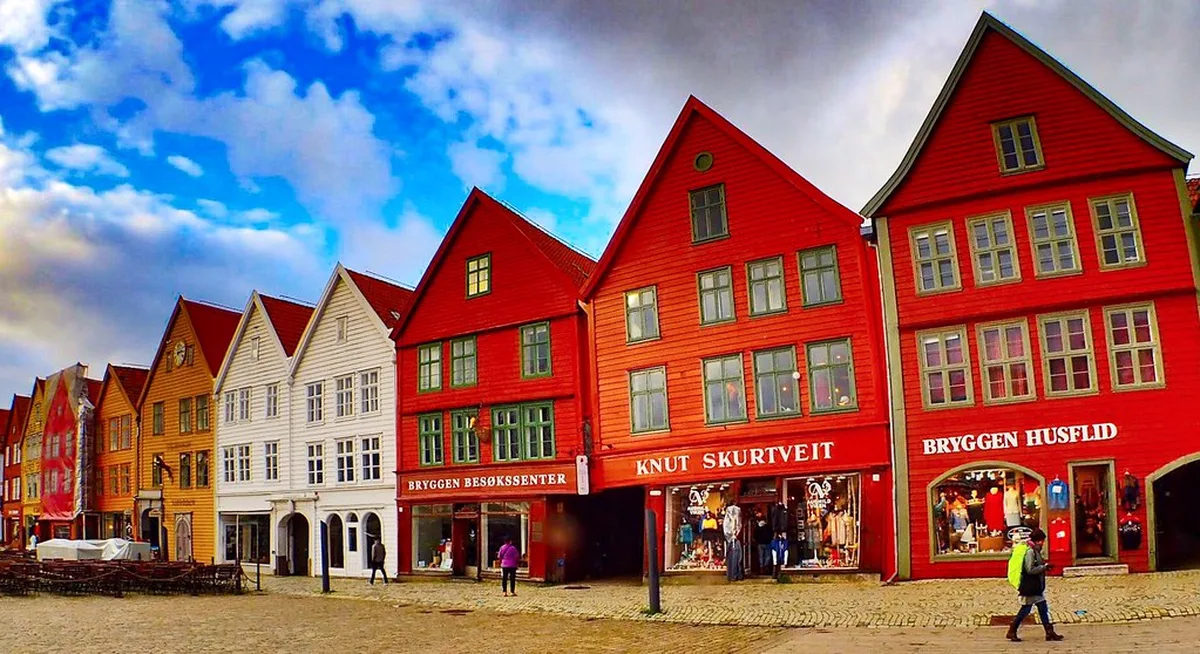
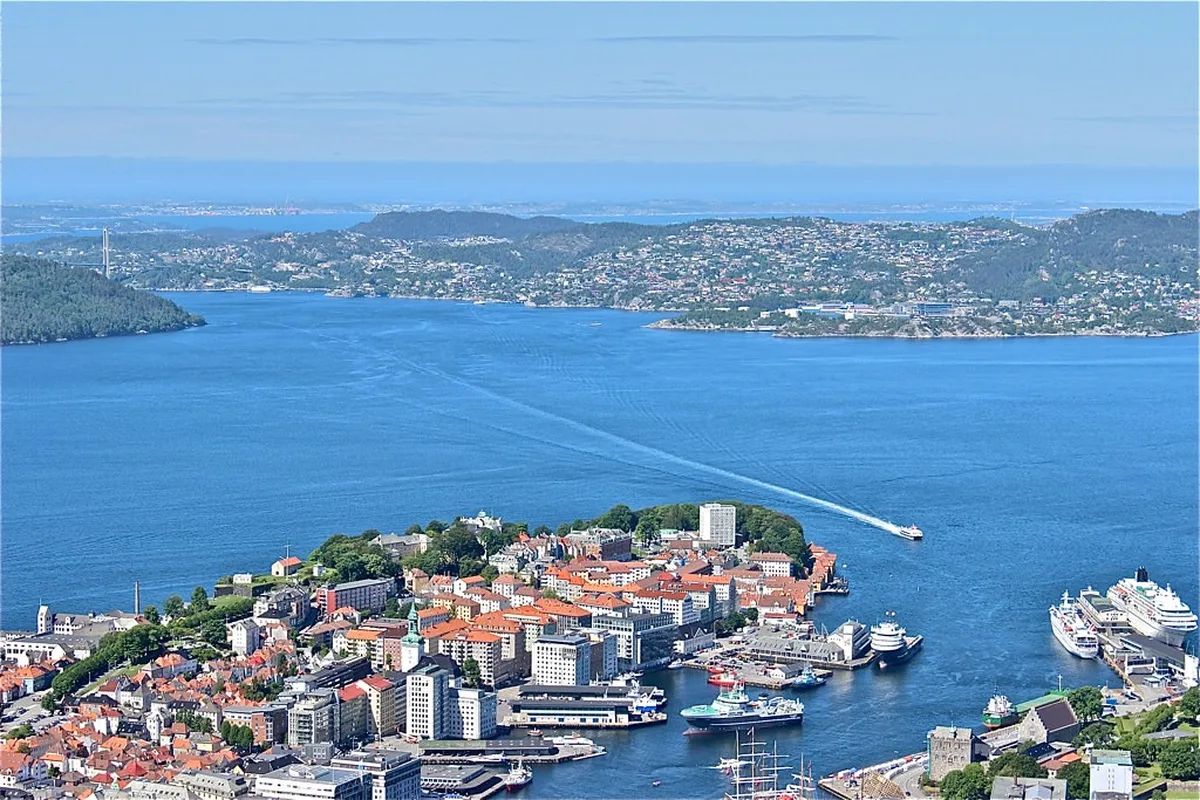
Bergen serves as the primary gateway to Norway's stunning fjords and dramatic coastal landscapes. You will find colorful wooden houses lining the historic wharf area known as Bryggen. This Bergen 3-day itinerary helps you navigate the city's best sights with ease and efficiency. Exploring this port city requires a smart mix of urban culture and rugged outdoor adventure.
Many visitors struggle to balance the city center with nearby natural wonders during short trips. We have curated a plan that maximizes your time in this rainy but beautiful coastal destination. Prepare for a journey filled with medieval history, fresh seafood, and breathtaking mountain vistas. Your Norwegian adventure begins in the heart of the historic Seven Mountains.
3 days in Bergen covers: Walk Bryggen (UNESCO wharf), ride Fløibanen funicular for panoramic views, cruise Mostraumen fjord, and tour KODE Art Museums — all within easy walking distance of the city center.
Budget for 3 days in Bergen 2026: Budget travelers spend €250–350 total (hostel + self-catering + Bergen Card). Mid-range visitors budget €500–700, covering a 3-star hotel, restaurant meals, the 48h Bergen Card (~€52), and one fjord cruise (~€80–150).
Day 1: Exploring Bryggen and the City Center
Start your first morning at the UNESCO-listed Bryggen wharf to see the iconic wooden architecture. These narrow alleyways date back to the Hanseatic era and offer a glimpse into medieval trade. Walking through the creaky passages feels like stepping back several centuries into the past. Keep your camera ready for the vibrant colors of the restored merchant houses. Arrive before 9:00 AM to enjoy the wharf before tour groups arrive — the early light makes for the best photography of the day.
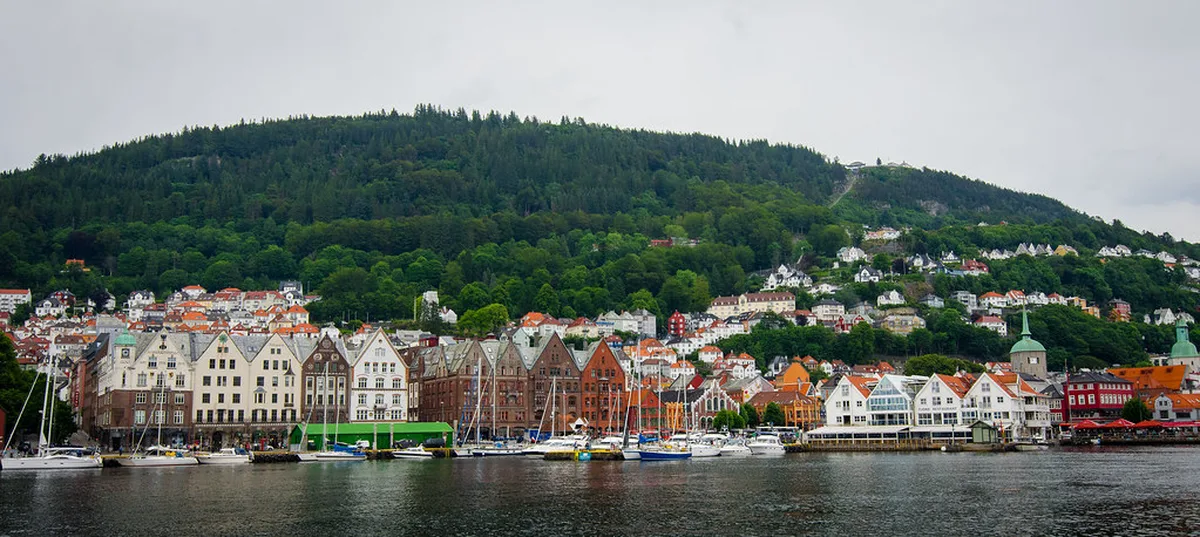
Visit the Hanseatic Museum to learn about the German merchants who once dominated this harbor. In 2026, admission costs 160 NOK (approximately €14) and includes access to the historic Schøtstuene assembly rooms. This site provides essential context for the city's historical economic power in Northern Europe. The preserved interiors show the difficult living conditions faced by young sailors and traders. Plan for at least 60–90 minutes to read all the exhibits properly. The museum is open daily 10:00 AM–5:00 PM from May through September, and Tuesday–Sunday 11:00 AM–4:00 PM in winter.
Continue to Bergenhus Fortress, one of the oldest and best-preserved medieval fortresses in Norway, located just a 5-minute walk west along the waterfront from Bryggen. Entry to the fortress grounds is free, and the Håkon's Hall (Håkonshallen) can be entered for 100 NOK (€9) in 2026. The hall dates from the 13th century and is open daily 10:00 AM–4:00 PM. Rosenkrantz Tower, which rises adjacent to the hall, charges 100 NOK separately or 160 NOK (€14) combined with the hall — both attractions are free with the Bergen Card. Allow 45–60 minutes to explore the grounds and tower views over the harbor.
Grab lunch at the famous Fish Market located right on the edge of the harbor. In 2026, a grilled king crab half costs around 350–450 NOK (€30–38) and a salmon dish runs 220–280 NOK (€19–24). While prices can be high, the quality of the fresh seafood is unmatched in the region. Local vendors often offer small samples to help you choose your favorite dish. Eating outdoors while watching the boats come in is a classic Bergen experience you should not miss. The market operates Monday–Saturday 7:00 AM–7:00 PM and Sunday 10:00 AM–5:00 PM from May through September.
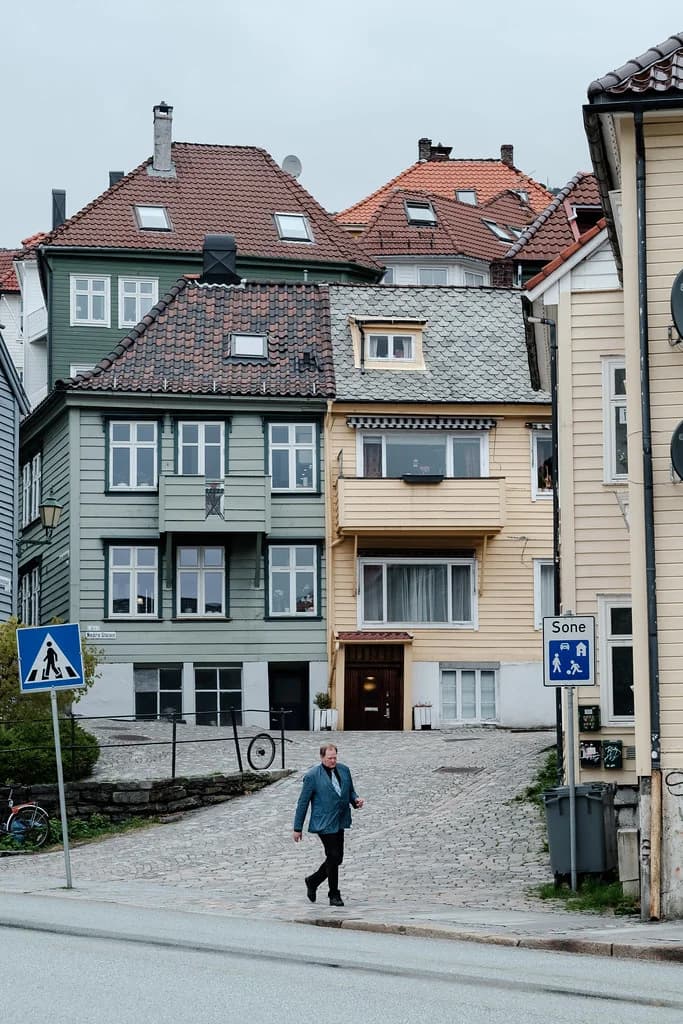
Spend your afternoon wandering through the Bergen old town guide to find hidden cobblestone streets. The Sandviken neighborhood north of Bryggen and the Nordnes peninsula to the west both feature white-painted houses and charming flower boxes tucked away from tourist crowds. Most of these neighborhoods are easily accessible on foot from the main city center area. The Bergen Aquarium on Nordnes is worth a stop if you are traveling with children — tickets cost 300 NOK (€26) for adults and 200 NOK (€17) for children aged 3–15 in 2026, and it is free with the Bergen Card. You will find peace and quiet just a few blocks away from the busy wharf zone.
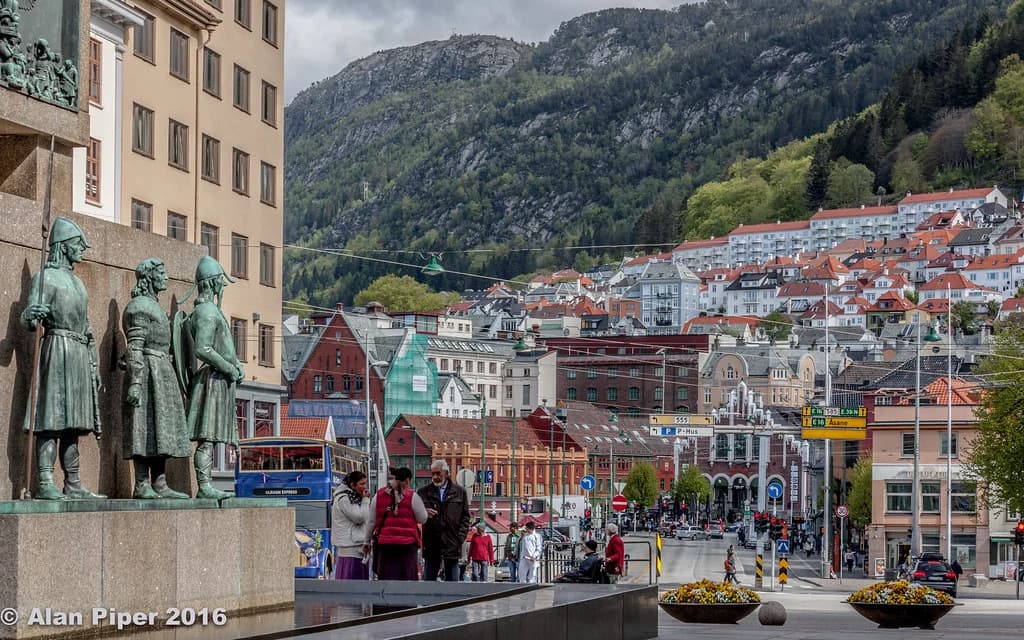
Finish your day at a cozy cafe in Vågsallmenningen square for coffee and people-watching. Try Kaffemisjonen on Øvre Korskirkeallmenningen — one of Bergen's most respected specialty roasters — where a flat white costs around 60–70 NOK (€5–6). Norwegians take their coffee culture seriously and every neighborhood has at least one excellent independent cafe. The evening light in summer stays bright until 10:00 PM, giving you extended time to explore side streets after dinner. A budget dinner at a casual spot like Ting runs about 200–280 NOK (€17–24) per person, while a mid-range restaurant such as Fisketorget will cost 350–500 NOK (€30–43) including a glass of local beer. For a complete evening guide, see our Bergen nightlife guide covering craft beer bars and late-night dining.
Day 2: Ulriken Cable Car, Fjord Cruise, and Mount Fløyen
Begin Day 2 early with the Ulriken cable car, which takes you to the highest of Bergen's seven mountains at 643 metres above sea level. In 2026, a return ticket costs 310 NOK (€27) for adults and 155 NOK (€13.50) for children — covered free by the Bergen Card. Take Bus 2 or the Bybanen light rail from the city center to Haukeland university hospital, then connect to the dedicated Ulriksbanen shuttle bus (included in the cable car ticket) from May through September. The cable car itself takes just 7 minutes each way and operates daily 9:00 AM–9:00 PM in summer. At the summit you will find the Ulriken Restaurant open for hot drinks and light meals (soup 150 NOK, coffee 70 NOK), and the trailhead for the challenging 13-kilometre Vidden plateau hike to Mount Fløyen that experienced hikers complete in 5–6 hours. Even on a clear day without hiking, allow 90 minutes at the top for the sweeping 360-degree view that encompasses the fjords, the city, and the North Sea horizon.
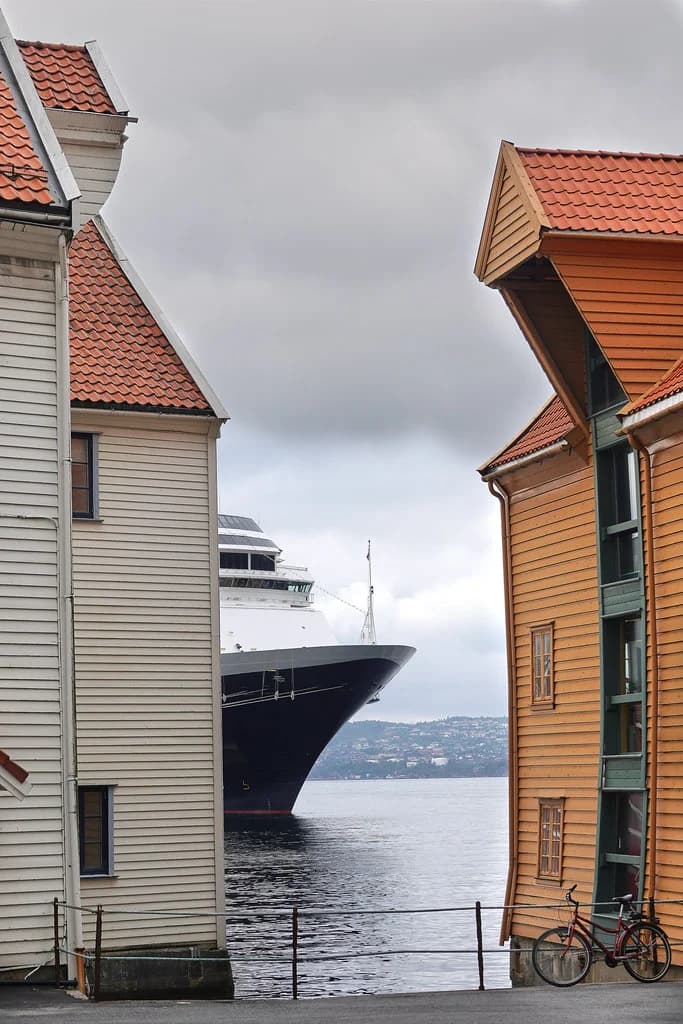
No trip to Bergen is complete without experiencing the deep blue waters of the surrounding fjords. Board an afternoon Mostraumen cruise departing from Zachariasbryggen wharf — many departures run at 14:00 as well as the popular 09:00 sailing, so a late morning at Ulriken connects perfectly. The three-hour journey travels through narrow passages in the Osterfjord, passes close to sheer 500-metre rock faces, and glides beneath cascading waterfalls that are most dramatic in spring and early summer. In 2026, tickets range from 650 to 850 NOK (€55–73) depending on the season and operator — booking through Rødne Fjord Cruise or Norled at least 48 hours ahead is strongly recommended in July and August. Dress in windproof layers even in summer; the temperature on the water is consistently 4–6°C cooler than in the city.
After returning to the harbor around 17:00–17:30, grab a quick dinner before heading to the Fløibanen base station on Vetrlidsallmenningen. Read our full Bergen funicular and cable car guide for a side-by-side comparison of Fløibanen and Ulriken. The Fløibanen funicular takes you 320 metres above sea level in just six minutes and runs daily until 11:00 PM in summer — making an evening ride perfect for watching the sunset paint the harbor in gold. In 2026, a return ticket costs 165 NOK (€14) for adults and 85 NOK (€7) for children aged 5–15, and is free with the Bergen Card. The summit cafe, Restaurant Fløien, serves hot drinks and light snacks until 10:00 PM — a bowl of soup costs around 140–160 NOK (€12–14). Allow at least 90 minutes at the top to walk the marked viewpoint trail that loops around the summit and takes in several perspectives the main observation terrace misses.
Active travelers who rode the cable car up to Ulriken in the morning can choose to hike the Vidden high plateau trail across to Mount Fløyen and then ride the funicular back down. This full traverse takes 5–7 hours and is best done in clear conditions between June and September. Carry 2 litres of water, high-energy snacks, and a fully charged phone with offline mapping downloaded — mobile signal is intermittent across the plateau. Wear waterproof hiking shoes as the path can be slippery after rain — and Bergen sees rain on average 239 days per year, so the probability is always real. Start the Ulriken–Vidden–Fløyen traverse before 10:00 AM to reach the Fløyen summit comfortably before dark.
- Ulriken Cable Car
- Duration: 7 minutes each way
- Cost: 310 NOK return (€27) in 2026 — free with Bergen Card
- Access: Bus 2 or Bybanen to Haukeland, then shuttle
- Best for: Highest summit views, Vidden plateau hike
- Mostraumen Fjord Cruise
- Duration: Three hours
- Cost: 650–850 NOK (€55–73) in 2026
- Departure: Zachariasbryggen wharf, 09:00 or 14:00
- Best for: Waterfall and fjord views close-up
- Mount Fløyen Funicular
- Duration: Six minutes each way
- Cost: 165 NOK return (€14) in 2026 — free with Bergen Card
- Access: Vetrlidsallmenningen, city center
- Best for: Sunset panoramic views, evening atmosphere
Day 3 Option: Fjord Day Trip from Bergen — Sognefjord vs Hardangerfjord
Bergen's most famous asset is its position as the gateway to Norway's two greatest fjord systems: the UNESCO-listed Sognefjord and the flower-valley Hardangerfjord. Both are reachable as full-day excursions from the city, and choosing between them is one of the key decisions in any Bergen 3-day itinerary. The right choice depends on your travel style, budget, and how much independent navigation you are comfortable with.
Sognefjord — Norway in a Nutshell (NOK 1,295 from Bergen): The Norway in a Nutshell tour is the most iconic guided route in the country, combining train, ferry, and bus into a circular journey that takes in the Flåm Railway (regarded as one of the world's most scenic rail journeys), the Nærøyfjord UNESCO arm of the Sognefjord, and the mountain town of Voss. Departures run daily from Bergen Station at 08:30, returning by 21:00 in summer 2026. In 2026, adult tickets start at 1,295 NOK (€113) for the full circular route purchased in advance via Fjord Norway or the Norway in a Nutshell website — flexible tickets with seat reservations cost up to 1,650 NOK (€143). Book at least 2 weeks ahead in July–August as this tour regularly sells out. The Nærøyfjord section is widely considered the scenic highlight: the fjord narrows to just 250 metres wide between vertical cliffs rising 1,400 metres overhead. The Flåm Railway drops 864 metres over 20 kilometres with 20 tunnels and passes the 93-metre Kjosfossen waterfall where the train makes a photographic stop.
Hardangerfjord — Self-Drive Road Trip (~90 min from Bergen): The Hardangerfjord is Norway's second-longest fjord at 179 kilometres, and unlike the Sognefjord it is easily explored by rental car from Bergen. Drive east via the E16 and E134 highways, crossing the Hardangerbrua suspension bridge (toll ~60 NOK, €5) into the Hardanger region. The main highlight is Vøringsfossen waterfall near Eidfjord, one of Norway's tallest free-falling waterfalls at 182 metres — admission to the new visitor centre viewing platform costs 150 NOK (€13) in 2026. The village of Eidfjord makes an excellent lunch stop; the Eidfjord Hotel serves traditional Norwegian open-face sandwiches (smørbød) for 120–180 NOK (€10–16). From Eidfjord, drive the Hardangervidda mountain plateau road — snow-free from late May — for spectacular high-altitude scenery. Hardangerfjord orchards burst with apple and cherry blossom in May, and fruit farms sell fresh juice and cider from roadside stalls from late August. Budget 120–160 NOK per person in rental fuel and tolls. Alternatively, Skyss bus 990 runs from Bergen Bus Terminal to Eidfjord in around 3 hours for 220 NOK (€19) each way.
Guided Boat Tours from Bryggen Pier (from NOK 695): If you would rather not join the structured Norway in a Nutshell itinerary or drive yourself, several operators run guided fjord speedboat tours departing directly from Bryggen pier. Fjord Tours and RIB Bergen both offer 3-hour express Hardangerfjord tours for 695–850 NOK (€60–74) per person in 2026. These smaller rigid-inflatable boats reach sections of the fjord inaccessible to large ferries and operate on a more flexible schedule — departures typically at 09:30 and 13:30 from May through September. Advance booking is essential in summer; use the operators' official websites rather than third-party aggregators to avoid extra booking fees.
Best season: Both fjord routes are at their most dramatic from May through September. May brings cherry blossom in the Hardanger valleys and snow-melt waterfalls at full force on the Sognefjord arms. July and August offer the warmest temperatures (18–22°C in the fjord valleys) and the longest daylight, but prices peak and seats on the Norway in a Nutshell sell out fastest. September is an excellent shoulder choice: fewer crowds, golden foliage on the hillsides, and Vøringsfossen still running strong after summer rain. What to pack: Waterproof jacket and trousers even in July (fjord spray and unpredictable mountain showers), sturdy walking shoes, at least 500 ml water per person, high-SPF sun cream (the fjord surface reflects strongly), and a portable battery bank for photography. For comprehensive day-trip planning including Flåm train schedules and Hardangerfjord driving routes, see our day trips from Bergen guide.
Day 3 Alternative: Museums, Art, and Local Neighborhoods
If you prefer a slower final day in the city rather than a long fjord excursion, dedicate your last morning to the KODE Art Museums, which house one of the largest Scandinavian art collections outside of Oslo. Four separate buildings surrounding the central Lille Lungegårdsvannet lake showcase everything from Edvard Munch and J.C. Dahl masterpieces to contemporary Norwegian design and craft. In 2026, a combined day ticket covering all four KODE buildings costs 200 NOK (€17) for adults and remains valid for two full days, making it outstanding value for art lovers. Arrive at opening time (10:00 AM) to secure a good look at the most popular Munch originals without crowds. KODE 2 houses the Munch originals including several lesser-known works not shown in Oslo; KODE 3 focuses on applied arts and design; KODE 4 is the main contemporary gallery. The ticket is included free with the Bergen Card. Budget at least 2–3 hours across the buildings to see them properly.
Consider purchasing a Bergen City Pass before your museum visit to save across all three days. The Bergen Card covers free entry to KODE, Fløibanen, Troldhaugen, and the Aquarium, plus unlimited bus and light rail travel across the entire city zone. In 2026, the 24-hour Bergen Card costs 295 NOK (€26), the 48-hour card costs 395 NOK (€34), and the 72-hour version runs 545 NOK (€47). If you plan to visit three or more paid attractions plus the funicular, the card pays for itself comfortably. Purchase it at the Bergen Tourist Office on Strandkaien or at Bergen Airport (Flesland) on arrival — it activates from the moment of first use, not from purchase.
After KODE, take the Bybanen light rail from Byparken station (right outside the museum) to Hop station, then walk 10 minutes to Troldhaugen — the preserved villa and estate of composer Edvard Grieg. In 2026, admission including a museum tour costs 180 NOK (€15) and is free with the Bergen Card. The villa sits on a forested hill overlooking Lake Nordås and features a modern concert hall built into the hillside. The museum is open daily 10:00 AM–6:00 PM from May through September. Chamber concerts are performed here in summer (July–August) — tickets cost 395 NOK (€34) and sell out weeks in advance, so book before you travel via the Troldhaugen official website. Even without attending a concert the grounds, the composer's wooden studio by the lake, and the in-rock burial site make a moving visit for any music lover.
Return to the city center for a final stroll around Lille Lungegårdsvannet lake and the Nygårdsparken. This open park is a popular gathering spot for locals during long summer evenings, with food trucks and outdoor seating lining the paths on weekends. For your last dinner, try Colonialen Litteraturhuset on Nygårdsgate — a Bergen institution serving modern Norwegian cuisine. Expect to spend 350–500 NOK (€30–43) per person for a two-course meal with local craft beer. The nearby Fisketorget fish restaurant is another well-regarded option in the same price range for a seafood farewell dinner. Both restaurants accept all major credit cards; Norway is almost entirely cashless and you will rarely need physical NOK notes for any transaction in Bergen.
Bergen 3-Day Budget Breakdown 2026
Bergen is one of Norway's most expensive cities for tourists, but with smart planning you can control costs significantly. The biggest levers are accommodation type and how often you eat at sit-down restaurants versus markets and supermarkets. The table below gives realistic 2026 prices so you can build your own budget before you book.
| Expense | Budget Option | Mid-Range Option |
|---|---|---|
| Accommodation (per night) | Hostel dorm €35–60 (Montana HI Hostel or Marken Gjestehus) | 3-star hotel €120–180 (Thon Hotel Bergen Brygge, Citybox Bergen) |
| Accommodation (3 nights total) | €105–180 | €360–540 |
| Meals — cafe lunch | 150–200 NOK (€13–17) per person at Godt Brød or market stalls | 250–350 NOK (€22–30) per person at a sit-down restaurant |
| Meals — dinner | 200–280 NOK (€17–24) at casual spots like Ting | 350–500 NOK (€30–43) at restaurants like Colonialen or Fisketorget |
| Bergen Card (48h) | 395 NOK (~€34) — covers transport + most major attractions | 395 NOK (~€34) — same card, highly recommended for all budgets |
| Fløibanen funicular (return) | 165 NOK (~€14) — included free with Bergen Card | 165 NOK (~€14) — included free with Bergen Card |
| Ulriken cable car (return) | 310 NOK (~€27) — included free with Bergen Card | 310 NOK (~€27) — included free with Bergen Card |
| Fjord day trip (Mostraumen or Hardangerfjord boat) | 695 NOK (~€60) — early booking discount available | 850–1,295 NOK (~€74–113) — Norway in a Nutshell or flexible ticket |
| KODE Art Museums | 200 NOK (~€17) — included free with Bergen Card | 200 NOK (~€17) — included free with Bergen Card |
| Troldhaugen admission | 180 NOK (~€15) — included free with Bergen Card | 180 NOK (~€15) — included free with Bergen Card |
| Estimated 3-Day Total | €250–350 | €500–700 |
The Bergen Card is the single best money-saving tool available for a 3-day visit. Even budget travelers staying in hostels should buy it on Day 1, as it eliminates transport costs and covers the funicular, Ulriken cable car, museums, and Troldhaugen simultaneously. Purchase it at the Bergen Tourist Office on Strandkaien or directly at Bergen Airport on arrival. The 48-hour card at 395 NOK (€34) is the best value for a 3-day visit — activate it on Day 1 morning and it covers both days of heavy sightseeing before you switch to the fjord excursion on Day 3.
Grocery shopping at Kiwi or Rema 1000 supermarkets (both have central Bergen locations near Torget) cuts food costs dramatically. A supermarket lunch of a sandwich, fruit, and a drink costs 80–120 NOK (€7–10) compared to 180–300 NOK at a cafe. For dinner, cooking in your hostel kitchen or buying hot food from a supermarket deli counter saves €15–25 per meal versus a restaurant. Both Kiwi and Rema 1000 are open Monday–Friday 7:00 AM–11:00 PM and Sunday 10:00 AM–10:00 PM.
Practical Tips for Your Bergen 3-Day Itinerary
Bergen is famously one of the wettest cities in Europe so rain gear is non-negotiable. Do not rely on cheap umbrellas as coastal winds will likely break them within minutes. Locals wear waterproof shells and sturdy boots even when the sun is briefly shining. Dressing in layers helps you stay comfortable as the temperature changes throughout the day. Average temperatures in summer range from 14–20°C, while winter days hover around 2–5°C with frequent cold rain and occasional snow above 300 metres. Pack a waterproof jacket, a fleece mid-layer, and quick-dry trousers as your core clothing combination regardless of season.
Dining out in Norway is significantly more expensive than in most other European destinations. Look for the daily special (dagensrett) at local cafes to find more affordable lunch options each day — these typically cost 150–200 NOK (€13–17) including a drink. Many supermarkets have excellent deli counters where you can grab fresh sandwiches for a picnic near the harbour. Drinking tap water is perfectly safe and will save you considerable money over three days, as bottled water in restaurants costs 60–90 NOK (€5–8) per bottle. Most cafes will refill a reusable bottle for free if you ask politely. Norway is also cashless by default — Visa and Mastercard contactless are accepted everywhere including market stalls, street food vendors, and even the Fløibanen funicular.
If you are driving into the city, be aware that parking is strictly regulated and can be expensive, running 40–60 NOK (€3–5) per hour in central garages. Review our guide on parking in Bergen to find the best garages near the center, including the more affordable Bygarasjen and Klostergarasjen options. Most visitors find that public transport and walking are much more practical than keeping a car in the city. The city center is very compact — the main sights on Day 1 and the museum day are all within a 20-minute walk of each other. The Bybanen light rail is the most reliable option for reaching Bergen Airport (Flesland) on departure — a single fare costs 45 NOK (€4) and the journey takes 45 minutes.
Booking fjord tours in advance is essential during the peak summer months of July and August. Many popular morning departures sell out two to three weeks ahead of time during the busy tourist season. Check availability through Rødne Fjord Cruise or Norled's official websites and book as soon as your travel dates are confirmed. Also prebook any Troldhaugen summer concerts, as these sell out faster than the fjord tours. For day trips to Flåm, Voss, or Hardangerfjord, see our day trips from Bergen guide for schedules and prices.
Frequently Asked Questions
Is 3 days enough time to see Bergen?
Yes, three days is the ideal amount of time to explore the city center and take a fjord cruise. You can see the historic Bryggen UNESCO wharf, visit the KODE museums, ride the Fløibanen funicular, take the Ulriken cable car to the highest summit, and enjoy a full fjord excursion without feeling rushed. This timeframe also allows a half-day trip to Troldhaugen and the surrounding neighborhoods, or a full-day Sognefjord or Hardangerfjord excursion as a Day 3 alternative.
Is Bergen worth visiting for 3 days?
Bergen is absolutely worth 3 days. The city combines a compact, walkable historic center — Bryggen UNESCO wharf, Bergenhus Fortress, and the KODE art museums — with immediate access to Norway's greatest fjords and seven surrounding mountains. Competitors like adventurouskate.com and visitbergen.com both confirm that 3 days is the sweet spot: enough time to do the city properly on foot, complete a Sognefjord or Hardangerfjord day trip, and ride both Fløibanen and Ulriken. Fewer than 3 days means skipping either the fjords or the mountains; more than 4 days requires extending into nearby towns like Voss or Flåm.
How much money do you need for 3 days in Bergen?
Budget travelers can manage 3 days in Bergen for €250–350 total by staying in a hostel (€35–60/night), using the Bergen Card for free transport and museum entry (395 NOK / ~€34 for 48h), and eating from supermarket delis and market stalls for lunch. Mid-range travelers should budget €500–700, covering a 3-star hotel, restaurant dinners, the Bergen Card, and one fjord cruise. The single biggest expense after accommodation is the fjord cruise — from 695 NOK (€60) for a Bryggen pier speedboat tour up to 1,295 NOK (€113) for the Norway in a Nutshell Sognefjord circuit in 2026.
Should I buy the Bergen Card for a 3-day visit?
Yes — the Bergen Card is essential for a 3-day visit and pays for itself quickly. The 48-hour card costs 395 NOK (€34) in 2026 and covers free entry to KODE Art Museums (200 NOK value), Fløibanen funicular (165 NOK return), Ulriken cable car (310 NOK return), Troldhaugen (180 NOK), Bergen Aquarium (300 NOK), and unlimited bus and light rail rides. Just the funicular, cable car, and one museum add up to 675 NOK — nearly double the card price. Activate the card on Day 1 morning and it covers two full days of sightseeing. Purchase it at Bergen Tourist Office on Strandkaien or at Bergen Airport on arrival.
What is the best way to get around Bergen?
Walking is the best way to see the historic center because most major sights are close together. For longer distances, use the efficient Bybanen light rail or the local bus network. The Bybanen is especially useful for reaching Bergen Airport (Flesland, 45 min, 45 NOK) and the Troldhaugen stop at Hop. The Bergen Card covers all public transport for free across the city zone. Avoid keeping a rental car in the city — parking costs 40–60 NOK per hour and traffic on the wharf is restricted.
When is the best time to visit Bergen?
May and June are the best months to visit Bergen in 2026. May is statistically the driest month of the year, daylight lasts until 10 PM, fjord waterfalls run at full force, and the Hardangerfjord orchards are in bloom. July and August are warmest (16–20°C) and best for fjord cruises and hiking, but prices are higher and Norway in a Nutshell tours sell out weeks in advance. September is a solid shoulder-season option with good weather, golden foliage in the fjord valleys, and fewer tourists than peak summer.
Three days provides the perfect amount of time to soak in the history of this coastal gem. From the heights of Mount Fløyen and Ulriken to the depths of the Sognefjord and Hardangerfjord, the variety is truly impressive. You will leave with a deep appreciation for Norway's unique coastal culture and natural beauty. Bergen remains a highlight for any traveler visiting Scandinavia for the first time.
Start planning your adventure today by checking local weather forecasts and booking your favorite tours well ahead of your travel dates. The Bergen Card should be your first purchase on arrival — 395 NOK for 48 hours unlocks free transport, museums, and both mountain viewpoints in one simple pass. Use our Bergen funicular and cable car guide to plan your mountain days and our day trips from Bergen guide to choose between Sognefjord and Hardangerfjord. Your Norwegian journey starts in this historic and vibrant harbor city under the seven mountains. Enjoy every moment of your 2026 exploration in this beautiful corner of Northern Europe.