Top Day Trips From Kotor to Explore Montenegro in 2026
The top day trips from Kotor in 2026 are: Budva (30 km south, €5 bus, 45 min), Perast and Our Lady of the Rocks (12 km north, €1.50 bus + €5 boat), Cetinje (40 km inland, €4 bus, 1 h), Lovćen National Park (€3 park entry, scenic serpentine road via Njeguši village), and Sveti Stefan (45 km south, €8 bus from Budva, pink-sand beach views). All are reachable independently without a car.
Best single day trip from Kotor: Perast and Our Lady of the Rocks — just 12 km north, accessible by Blue Line bus for €1.50 or taxi €10–15, with a €5 return boat to the island church. The Lovćen circuit (mausoleum €5, park €3, Njeguši pršut tasting €10) is the best full-day option for nature and history combined.
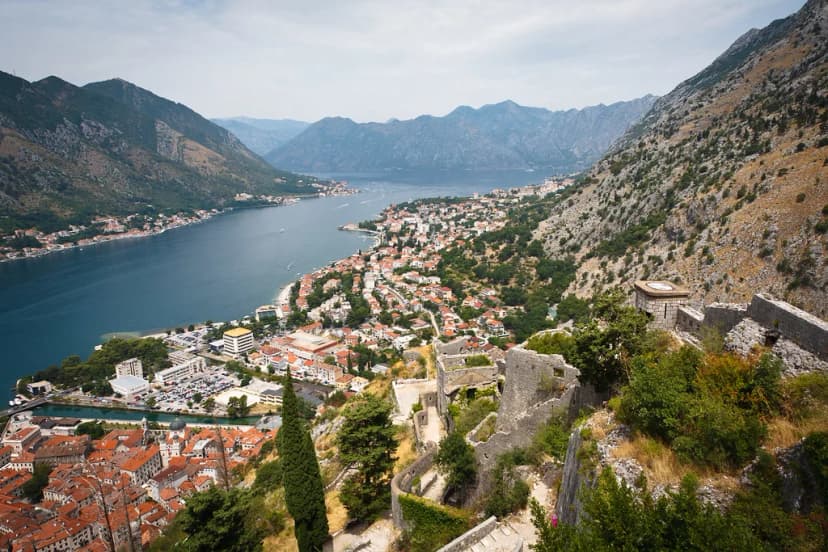
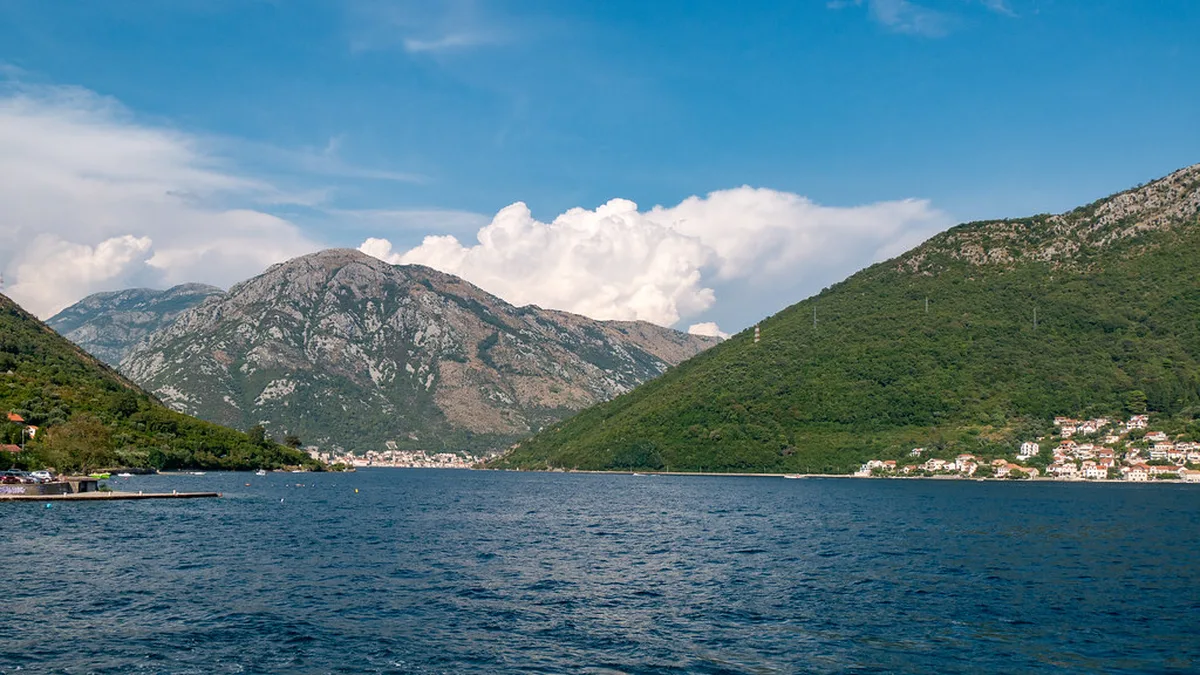
Kotor serves as a perfect base for exploring the stunning landscapes and historic towns of Montenegro. This UNESCO-listed town offers easy access to dramatic mountains and sapphire waters along the Adriatic coast. Many travelers find that three days provide enough time to see the local sights in the bay, but venturing further reveals hidden villages and historic monuments just a short drive from the old town gates. In 2026, transport links between the bay's main attractions have improved, with more frequent bus departures and competitive taxi rates making independent travel easier than ever.
Best Day Trips From Kotor For Every Traveler
Montenegro offers a diverse range of experiences within a very small geographic area. You can travel from the warm Mediterranean coast to rugged mountain peaks in less than two hours. This variety makes the region ideal for those who enjoy changing scenery every single day. Most destinations are reachable within a sixty-minute drive from the main city gates, and in 2026 the road network along the Bay of Kotor is in excellent condition following recent infrastructure upgrades.
Choosing the right destination depends on your interest in history, nature, or coastal relaxation. Hikers often prefer the trails in the national parks located high above the bay, especially those leading to the Lovćen summit at 1,749 metres. History buffs usually flock to the ancient capitals and fortified villages along the shoreline, from Perast's Baroque palaces to Budva's 2,500-year-old old town. Families find the sandy beaches of the southern coast perfect for a relaxing afternoon, with sunbed rentals from €10 per set at most organised beach clubs.
Planning your transport is the first step to a successful adventure outside the city walls. Public buses run frequently between major coastal hubs — Budva every 30 minutes from €5, Perast every 20 minutes from €1.50, Cetinje every 60–90 minutes from €4, and Herceg Novi from €3. Private guided day tours depart from Kotor's main square from €25 per person and are a practical option for reaching remote viewpoints without navigating the narrow serpentine roads yourself. Renting a car costs around €40–55 per day in 2026 (compact, with insurance) and provides the most freedom to stop at panoramic overlooks whenever you wish.
The table below summarises the five most popular destinations with 2026 costs:
- Perast and Our Lady of the Rocks
- Distance: 12 km north
- Transport: Blue Line bus €1.50 / taxi €10–15 one way
- Island boat: €5 return
- Highlight: 16th-century island church, Baroque palaces, scenic photography
- Budva Old Town and Riviera
- Distance: 30 km south
- Transport: Main station bus every 30 min, €5 one way, 45 min
- Entry: €3 city walls
- Highlight: Medieval architecture, Mogren Beach, Sveti Stefan views
- Lovćen National Park Summit
- Distance: 40 km inland
- Transport: Rental car €40–55/day or guided tour €25–35
- Entry: €3 park / €5 mausoleum (adults, 2026)
- Highlight: 461-step mausoleum, panoramic bay views, serpentine road, Njeguši village
- Cetinje (historic royal capital)
- Distance: 40 km inland
- Transport: Bus from Kotor bus station, €4 one way, ~1 hour
- Entry: €5 National Museum combined ticket
- Highlight: Royal palaces, Cetinje Monastery, former embassies
- Sveti Stefan and Lake Skadar
- Distance: 45 km south (Sveti Stefan), 65 km (Skadar)
- Transport: Bus to Budva €5, then local bus/taxi to Sveti Stefan €8 total; taxi to Skadar €40–50 return
- Entry: Free beach access; €4 Skadar park gate
- Highlight: Iconic island hotel, pink-sand beach, Balkan's largest lake
Perast and Our Lady of the Rocks: The Most Scenic Boat Trip
Perast sits just 12 kilometres north of Kotor's main gate, making it the closest and most rewarding day trip in the Bay. The Blue Line bus departs from the stop beside the Old Town entrance roughly every 20 minutes throughout the day, and the fare is just €1.50 one way — a 20-minute journey with sea views the entire route. Taxis cover the same distance in 15 minutes and charge €10–15 per ride, which is worth considering if you are travelling as a couple or small group. Organised half-day tours combining Perast and Budva cost around €25–35 per person in 2026 and include a guide who explains the town's maritime history in detail.
The highlight of any Perast visit is the boat crossing to Our Lady of the Rocks, a man-made island 150 metres offshore. Local fishermen row visitors across in small wooden boats for €5 return — the crossing takes under five minutes but the atmosphere is extraordinary, especially at golden hour when the reflection of the island shimmers across the still bay. The church was founded in 1452 and expanded over the following two centuries; the interior contains 68 oil paintings by the acclaimed 17th-century Baroque artist Tripo Kokolja, whose detailed biblical scenes cover every wall and ceiling panel. A small museum adjoining the sacristy displays a remarkable collection of silver votive tablets, embroidered textiles, and navigational charts donated by sailors over five hundred years. Entry to the church operates on a donation basis — a contribution of €1–2 is customary and warmly appreciated by the volunteer caretakers. The island church is open daily from 9 AM to 6 PM in summer (April–October) and 9 AM to 4 PM in winter.
Back on the mainland, Perast itself rewards at least two hours of leisurely exploration. The town's 16th and 17th-century Baroque palaces were built by wealthy captains of the Venetian fleet, and their honey-coloured stone facades are some of the best-preserved in the entire Adriatic region. The Bujović Palace now houses a small town museum (€2 entry, open 9 AM–6 PM daily) displaying navigational instruments, antique maps, and portraits of Perast's merchant captains. Climbing the bell tower of St. Nicholas Church costs just €1 and delivers the best elevated view of both island churches and the Verige Strait — bring a wide-angle lens if you have one. The waterfront promenade has several excellent seafood restaurants where a full lunch of grilled fish, local wine, and salad costs €20–30 per person.
Perast and Our Lady of the Rocks together require 3–4 hours for a relaxed visit. The ideal time to arrive is before 10 AM or after 4 PM to avoid cruise ship tour groups, which peak between 11 AM and 3 PM in July and August. The soft late-afternoon light transforms the bay into a photographer's paradise, and the boat to the island at sunset is considered one of the most photogenic experiences in all of Montenegro. Combined with a seafood lunch and a stroll through the palaces, this short trip from Kotor offers outstanding value for both history enthusiasts and photographers alike. For more on what to see in the wider bay area, read our Kotor Old Town guide.
Mountain Adventures in Lovćen National Park
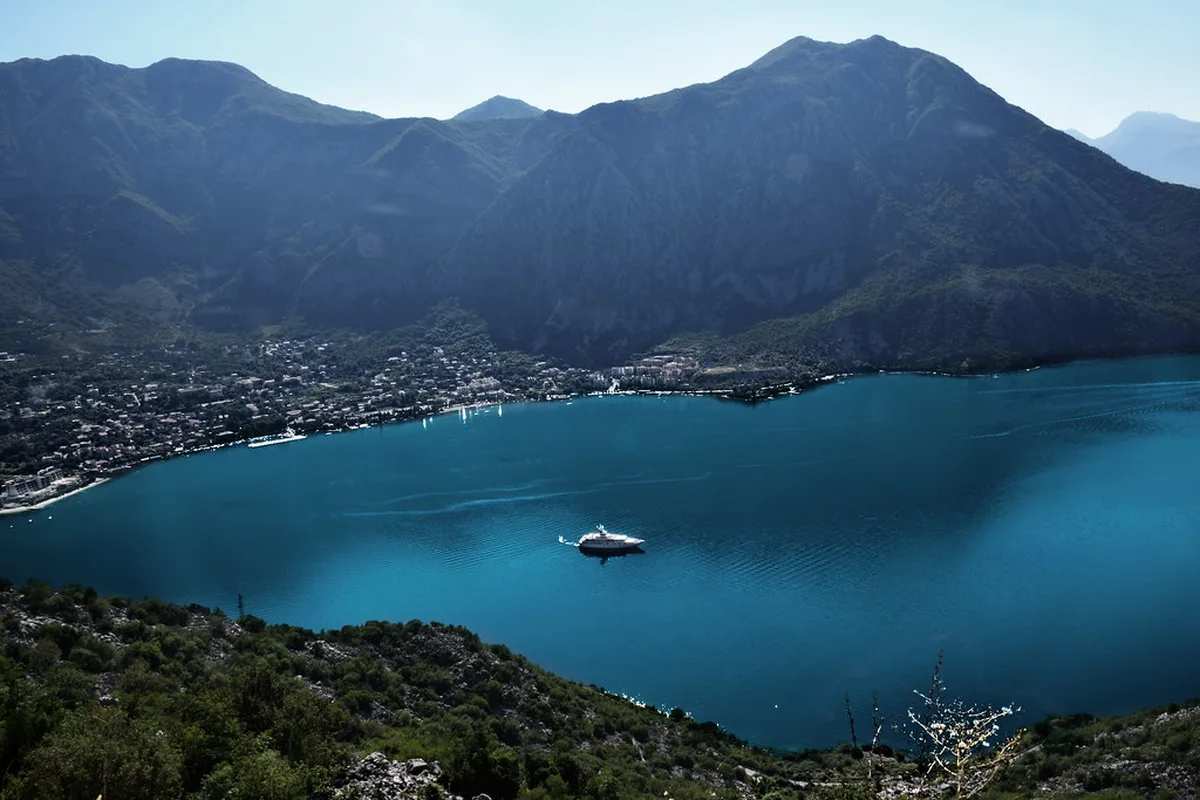
Driving up the famous Serpentine road involves navigating twenty-five hairpin turns cut directly into the limestone cliffs above the bay. The journey to the summit from Kotor's old town gate takes roughly 45–60 minutes by car, with each numbered turn offering a progressively more dramatic panorama. Photographers regularly stop at turn sixteen, where a small pull-off gives the most iconic view of the entire bay stretched below. There is no bus service along the Serpentine, so you will need a rental car (€40–55/day), a private taxi transfer (approximately €30–40 return), or a seat on a guided group tour (€25–35 per person including park entry and guide). The park entrance fee in 2026 is €3 per person, payable at the gate booth open daily from 8 AM to 8 PM in summer.
The Njegoš Mausoleum crowns the summit of Jezerski Vrh at 1,657 metres above sea level. Reaching it requires climbing 461 stone steps through a cool granite tunnel carved through the mountain — the ascent takes about 15 minutes at a comfortable pace and is manageable for most visitors with reasonable fitness. The entrance fee in 2026 is €5 for adults and €3 for students and children. The mausoleum is open daily from 9 AM to 6 PM (last entry 5:30 PM). Inside, a gilded mosaic by the Croatian sculptor Ivan Meštrović depicts the epic poem of Petar II Petrović-Njegoš. On clear days the panorama extends to Albania's mountains in the south and, on exceptional mornings, faintly to the Italian coast across the Adriatic.
Food lovers should plan a stop in Njeguši village, set on the plateau between the park and the coast and famous for producing Montenegro's finest smoked ham (pršut) and aged sheep's cheese. A generously portioned tasting platter for two costs around €10–12 at local smokehouse stops, and many producers sell vacuum-packed ham directly for €15–20 per 500 g — excellent as an edible souvenir. Most roadside smokehouses are open from 9 AM to 7 PM daily, no reservation required. The whole Lovćen circuit — Kotor serpentine, summit mausoleum, Njeguši, coast return — is achievable comfortably in a full day departing by 9 AM, giving you roughly 5–6 hours on the mountain. Combine with Cetinje (see below) if you want to add Montenegro's royal history to the itinerary without an extra journey day.
Cetinje: Montenegro's Historic Royal Capital
Cetinje sits approximately 40 kilometres from Kotor and makes an outstanding standalone day trip for history and culture lovers who prefer a quieter alternative to beach towns. Buses depart from Kotor main bus station roughly every 60–90 minutes throughout the day, with the first service at 7:00 AM; a one-way ticket costs €4 and the journey takes around 1 hour via the inland road through Njeguši. Alternatively, many visitors combine Cetinje with the Lovćen serpentine drive (add 20 minutes from the summit to the town). A private taxi from Kotor to Cetinje costs approximately €25–35 one way, and rideshare apps like Bolt quote €20–28 for the same route in 2026.
The town served as Montenegro's royal and diplomatic capital from 1878 until 1918, and its compact centre retains an unusually high density of historic buildings for a city of only 14,000 people. The National Museum of Montenegro complex (€5 combined ticket, open Tuesday–Sunday 9 AM–5 PM) includes Cetinje Monastery, founded in 1484 and home to a reputed relic of John the Baptist's right hand as well as an icon of the Madonna painted, according to tradition, by St. Luke. The former Royal Palace (Biljarda) houses the State History Museum, with a fascinating relief map of Montenegro and weapons from the Balkan wars. Budget 2–3 hours for the full museum circuit.
Walking the pedestrian centre of Cetinje takes 30–40 minutes and reveals the former embassies of France, Russia, Austria-Hungary, and the United Kingdom, now converted into cultural offices and galleries. Many of the embassy buildings are open to the public free of charge and display period furniture, diplomatic correspondence, and photographs of the town during its royal era. The Vlach Church (1864) at the edge of the pedestrian zone is worth a brief stop for its ornate iconostasis; entry is free and the church is open daily from 8 AM to noon and 4 PM to 7 PM. A typical lunch of traditional Montenegrin dishes (lamb, roasted peppers, kajmak cream) at a local restaurant in the pedestrian zone costs €12–18 per person — considerably less than comparable tourist restaurants in Kotor or Budva. Parking in the town centre is free outside August, making it a practical stop on any self-drive itinerary through the interior.
Cetinje is also the gateway to Rijeka Crnojevića, a small medieval village 15 kilometres east where the Crnojevići River narrows into a dramatic canyon before emptying into Lake Skadar. The drive from Cetinje takes 20 minutes and rewards visitors with mirror-still reflections of the surrounding limestone cliffs. There is no entry fee and no commercial facilities at the viewpoint, making it a perfect quiet stop before heading back to the coast.
Sun and History on the Budva Riviera
Budva sits 30 kilometres south of Kotor and offers the liveliest contrast to the medieval quiet of the Bay. The journey takes about 45 minutes via the Vrmac tunnel on the E65 coastal highway. Buses depart from Kotor's main station every 30 minutes throughout the daylight hours, running from roughly 6:30 AM to 9 PM; a one-way ticket costs €5, purchased at the station counter or directly from the driver. If you prefer a taxi, expect to pay €20–25 for the full journey, or €15–18 via ride-share apps such as Bolt, which became reliable in the region during 2025.
Sveti Stefan, 6 kilometres south of Budva and 45 kilometres total from Kotor, remains the most photographed location on the Montenegrin coast — a 15th-century fortified island village connected to the mainland by a narrow causeway and now operated as an exclusive Aman resort (hotel guests only inside).
Exploring the 2,500-year-old Old Town is the highlight for most history enthusiasts. The compact walled citadel sits on a small rocky peninsula surrounded on three sides by turquoise water, and you can walk the full perimeter of the city walls for €3. Inside, the narrow cobblestone streets are lined with boutiques, galleries, and café terraces. The Citadel fortress at the far end of the peninsula (€2.50 entry, 2026; open daily 9 AM–8 PM) rewards the short climb with sweeping coastal views. A combined ticket for the walls and Citadel costs €4 and is the most economical option for first-time visitors.
Mogren Beach is a ten-minute walk from the Old Town along a scenic cliffside path carved into the rock face. The beach splits into two coves — Mogren I and Mogren II — connected by a short tunnel through the cliff. Sunbed and umbrella sets rent from €12–18 per day during peak season (mid-June through August). Arriving before 9:30 AM gives you the best choice of spots on both sections. The water is calm, clear, and excellent for snorkelling around the rocky headlands separating the two coves. Read our Kotor beach guide for a full comparison of the best swimming spots in the bay and riviera.
Sveti Stefan, 6 kilometres south of Budva and 45 kilometres total from Kotor, remains the most photographed location on the Montenegrin coast — a 15th-century fortified island village connected to the mainland by a narrow causeway and now operated as an exclusive Aman resort (hotel guests only inside). From Budva, a local bus to Sveti Stefan runs hourly and costs €3 for the 15-minute ride, making the total transport cost from Kotor approximately €8. Visitors can enjoy the pink-sand beaches flanking the causeway from €15–20 sunbed rental and get the full visual spectacle for free. The best elevated view of the island is from the small medieval church of St. Sava perched on the hill above the south beach — a 10-minute uphill walk from the public car park, with no entry fee and the church open 10 AM–5 PM daily.
Herceg Novi: The Bay's Flower Town and Fortress Coast
Herceg Novi lies at the mouth of the Bay of Kotor, approximately 50 kilometres northwest of Kotor town, and is one of the most rewarding yet undervisited day trips in the region. Buses depart from Kotor main bus station every 30–45 minutes from 6:15 AM onwards; the one-way fare is €3 and the journey takes 55–65 minutes along the scenic coastal road hugging the inner bay. Taxis charge €25–35 one way; sharing a taxi with two or three others makes this cost competitive. In 2026, the afternoon bus back from Herceg Novi runs until 9:30 PM, allowing a full day of exploration without rushing.
The town is best known for its spectacular sub-Mediterranean gardens and the nickname "Town of Flowers and Steps," earned from its terraced staircases draped in bougainvillea, wisteria, and mimosa. The historic centre climbs steeply above the waterfront promenade and is best explored on foot, starting at the 14th-century Kanli Kula fortress (€2 entry, open daily 8 AM–8 PM), which sits high above the town and delivers panoramic views across the entire bay mouth to Croatia's Pelješac peninsula. A second fortress, Forte Mare, guards the waterfront at sea level and hosts outdoor concerts throughout summer (June–August); entry is free outside event evenings.
The Savina Monastery, a ten-minute walk east of the bus station along the coastal promenade, is one of Montenegro's most atmospheric Orthodox monasteries. Founded in the 17th century and expanded in the 18th, it comprises two churches — the Large Church of the Assumption and the Small Church of St. Sava — set within a walled garden of ancient cypress trees. Opening hours are 8 AM to noon and 4 PM to 7 PM daily; entry is free, though a donation of €1–2 is appreciated. The monastery's collection of 17th-century icons and silver reliquaries is modest but well-preserved, and the garden benches overlooking the bay make this an ideal spot for a peaceful mid-morning break before exploring the town.
Lunch options in Herceg Novi are plentiful and significantly cheaper than Kotor or Budva equivalents. A full meal of grilled fish, local wine, salad, and dessert at a waterfront konoba restaurant costs €18–25 per person. The covered market near the bus station sells fresh produce, local cheeses, and olive oil at farm-direct prices. The beachfront area of Igalo, a 15-minute walk west along the promenade, has a free public pebble beach, calm waters ideal for swimming, and a string of café bars open from 8 AM. An efficient itinerary for the day: morning fortress and monastery circuit (3 hours), lunch at the harbour (1.5 hours), afternoon Igalo beach swim and promenade stroll (2 hours), evening bus back to Kotor.
Dubrovnik Day Trip From Kotor: What You Need to Know
Dubrovnik is approximately 90 kilometres from Kotor by road and is one of the most requested day trips, despite crossing an international border into Croatia. The drive takes 1 hour 45 minutes to 2 hours in light traffic via the E65 coastal highway and the Debeli Brijeg / Karasovići border crossing. In 2026, Croatia's full Schengen membership means EU/EEA passport holders cross with minimal delay, but queues at the border can still run 30–90 minutes in July and August when tens of thousands of tourists make the same journey. Plan to depart Kotor no later than 7:30 AM to secure a productive day in Dubrovnik.
The most convenient option for many visitors is an organised day tour from Kotor, which costs €35–55 per person in 2026 and includes comfortable minibus transport, a local guide, and all border formalities handled on your behalf. Tours typically include 5–6 hours in Dubrovnik, covering the Old City walls walk (€35 per person, open 8 AM–6:30 PM), the Stradun promenade, and the Fort Lovrijenac. Independent travellers driving a rental car should verify that their vehicle insurance (green card) is valid in Croatia — most Montenegrin rental agencies include Croatia, but confirm in writing before departure. The E-ZPass-style toll on the Croatian side of the border costs approximately €2 each way.
Once in Dubrovnik, the main costs to budget for are: Old City walls (€35 adult, 2026 season), Dubrovnik cable car to Mount Srđ (€26 return, open 9 AM–midnight in summer), a sit-down lunch in the Old Town (€25–40 per person), and cold drinks. The total day budget including transport from Kotor typically runs €100–130 per person on an independent trip, or €80–100 on a group tour. A same-day return is feasible but tiring — the journey back takes the same two hours, meaning you will arrive in Kotor around 8–9 PM if you leave Dubrovnik at 6 PM. For a more relaxed experience, consider spending one night in Dubrovnik and returning the next morning.
Visitors who want a shorter Croatia fix without the full Dubrovnik commitment can stop at Cavtat, a pretty coastal town 20 kilometres before Dubrovnik (total 70 km from Kotor). Cavtat has no entry fees, a lovely harbour promenade, and the atmospheric Račić Mausoleum designed by Ivan Meštrović (€3, open 10 AM–6 PM). The border crossing adds the same time overhead, but the town itself is far less crowded and can be comfortably seen in 2–3 hours.
Strategic Planning for Montenegro Day Trips
Many visitors underestimate the traffic congestion along the single-lane coastal roads during July and August. A simple thirty-minute drive can easily double in length during the peak afternoon rush between 2 PM and 5 PM. Plan your return trips before 4:00 PM to avoid getting stuck in heavy tourist traffic, and check the daily cruise ship schedule — Kotor typically receives 2–4 large vessels simultaneously on busy days, flooding the narrow road between Dobrota and Perast with tour coaches.
Renting a car provides the most flexibility for reaching remote national parks and viewpoints inaccessible by bus. Local agencies charge €40–55 per day in high season (June–August) for a compact car with full insurance and unlimited kilometres. Ensure your rental includes a valid green card if you plan to cross into Croatia or Bosnia-Herzegovina, as breakdowns or accidents without this document create significant complications. Book online 48 hours in advance to lock in better rates — walk-in prices at the airport and marina agencies tend to be 20–30% higher.
Public transport remains a reliable and budget-friendly option for solo travellers and couples sticking to the main coastal towns. The main bus station is a ten-minute walk from the Old Town gates along the waterfront. Always buy tickets at the station counter to secure a reserved seat — popular routes to Budva and Herceg Novi fill quickly on summer mornings. Most drivers do not speak fluent English but will confirm your destination if you show them the town name written on your phone. Day-pass options do not exist on the Montenegrin coastal network in 2026; purchase single tickets for each leg.
Packing the right gear makes a meaningful difference across such varied terrain. Bring sturdy walking shoes for cobblestone streets and the Lovćen summit steps. Sunscreen SPF 50+ and a reusable water bottle are essential for the high Mediterranean temperatures — the coast regularly reaches 35°C in July. Carry a light fleece or packable jacket for mountain excursions, where temperatures at 1,600+ metres can be 15°C cooler than the coast even in midsummer. A portable battery bank is recommended for a full day out, as charging points at beaches and viewpoints are scarce outside the main towns. Most cafés and restaurants accept card payment, but carry €20–30 in cash for bus tickets, boat crossings, and smaller local shops. For the Old Town and bayside context, our guide covers everything within the walls.
Frequently Asked Questions
What is the best day trip from Kotor?
The best day trip from Kotor is Perast and Our Lady of the Rocks. Located just 12 km north of Kotor, it is reachable by Blue Line bus for €1.50 or taxi for €10–15. The €5 return boat to the island church and its 16th-century frescoes, combined with a seafood lunch on the waterfront, makes it an outstanding half-day excursion suitable for all ages. For a full-day option combining nature and history, the Lovćen circuit (park €3, mausoleum €5, Njeguši pršut tasting) is the top choice. Visit Perast before 10 AM or after 4 PM to avoid cruise ship crowds.
How do I get from Kotor to Budva by bus?
Buses from Kotor to Budva depart every 30 minutes from Kotor main bus station, starting at approximately 6:30 AM. The one-way fare is €5, the journey takes 45 minutes via the Vrmac tunnel, and no advance booking is needed outside peak season. Tickets can be purchased at the station counter or directly from the driver. Taxis cost €20–25; ride-share apps like Bolt quote €15–18. The last bus back from Budva to Kotor departs around 9 PM in summer 2026.
What is the easiest day trip from Kotor without a car?
Perast is the easiest destination to reach using public transport. The Blue Line bus departs every 20 minutes from just outside the Old Town walls and takes about 20 minutes, costing €1.50 one way. Budva is equally accessible — buses depart every 30 minutes from the main station for €5 and the journey takes 45 minutes. Herceg Novi is also well-connected by bus (€3, 55–65 min, every 30–45 min). For both Perast and Budva, no advance booking is needed outside peak season.
Is it possible to visit Dubrovnik as a day trip from Kotor?
Yes, but prepare for a long day of around 14–16 hours in total. The drive takes approximately 2 hours each way, and summer border queues at Debeli Brijeg can add another 1–2 hours. Departing Kotor by 7:30 AM gives you 5–6 hours in Dubrovnik. An organised tour (€35–55 per person) is the most practical option as guides handle all border paperwork and keep the day on schedule. Independent drivers must confirm their rental car insurance (green card) is valid in Croatia before departure.
How much should I budget for a day trip in Montenegro?
A budget day trip in Montenegro costs €25–40 per person (bus transport, one attraction entry, and a casual lunch). A mid-range day including a rental car, national park entry, and a good seafood restaurant runs €70–100. A Lovćen full-day circuit (rental car €50, park €3, mausoleum €5, lunch €20) costs around €78 for one person driving. A full Dubrovnik day on an organised tour costs €80–130 per person all-in. Always carry €20–30 in cash for bus tickets, boat crossings, and small local purchases where card machines are unavailable.
What is there to do in Cetinje on a day trip from Kotor?
Cetinje, Montenegro's former royal capital, is 40 km from Kotor (€4 bus, ~1 hour). The main attractions are the National Museum complex (€5 combined ticket, Tue–Sun 9 AM–5 PM) including Cetinje Monastery (founded 1484) and the Royal Palace, the former embassy quarter on the pedestrian street, and the Vlach Church. Budget 3–4 hours and €20–25 per person for transport, entry fees, and a traditional lunch. Cetinje pairs perfectly with a Lovćen National Park drive for a full inland day circuit departing Kotor by 9 AM.
Can I see Durmitor National Park in one day from Kotor?
Visiting Durmitor is possible but involves at least six hours of total driving time. Leave Kotor by 7:00 AM to arrive at the Black Lake by 10 AM and have 4–5 hours to explore before the return journey. Highlights include the Tara Canyon viewpoint (deepest canyon in Europe at 1,300 m) and the Black Lake circular trail (3.5 km, 1 hour). Park entry is €5 per person. It is a very long day but offers the best mountain scenery in the western Balkans — consider spending one night in Žabljak for a more relaxed visit.
Exploring the areas surrounding Kotor reveals the true diversity of Montenegro in just a few days.
From the Baroque waterfront of Perast and the sacred island of Our Lady of the Rocks, to the summit panoramas of Lovćen, the royal heritage of Cetinje, and the flower-draped fortresses of Herceg Novi, every direction from the bay offers a compelling reason to venture out.
Careful planning around transport, timing, and the 2026 cruise ship calendar ensures your adventures remain stress-free and rewarding.
For more inspiration on what to explore while you are based in the bay, read our guide to the Kotor Old Town and discover the best local beaches in our Kotor beach guide.