Is Ljubljana Safe for Tourists? Essential 2026 Safety Tips
Ljubljana is one of Europe's safest capitals — Slovenia ranks in the top 10 globally on the Global Peace Index; the car-free Old Town is safe at all hours with a visible police presence; violent crime is extremely rare for tourists in 2026.
Ljubljana's Numbeo Safety Index scores approximately 80.4 — higher than Paris, Rome, or Berlin; the main tourist risks are minor pickpocketing near Central Market; EU emergency number 112 and police 113 are always available; medical insurance is required for non-EU visitors.
Ljubljana often ranks as one of the most peaceful capitals in Europe for international travelers. Most visitors find the atmosphere welcoming and remarkably relaxed throughout the day and night. You will likely feel comfortable exploring the car-free city center without constant vigilance or worry. This guide explores current safety trends to ensure your Slovenian adventure remains smooth and secure.
Quick answer: Ljubljana is very safe for tourists in 2026. Slovenia ranks in the top 10 of the Global Peace Index, and violent crime against visitors is extremely rare. Normal big-city precautions — watch your pockets in crowded squares, use official taxis or Bolt, keep emergency number 112 saved — are all you need.
Is Ljubljana Safe for Tourists? Crime Rates and Statistics
Slovenia consistently sits near the top of the Global Peace Index for safety and social stability — placing among the ten most peaceful countries in the world in 2026, ahead of Ireland, Austria, and Canada. Violent crime remains extremely rare in the capital, making Ljubljana ideal for solo travelers, couples, and families alike. Most reported incidents involve petty theft such as bicycle theft or opportunistic pickpocketing in heavily crowded areas like Prešeren Square and the Triple Bridge. The overall crime rate in Ljubljana is substantially lower than in comparable Western European capitals such as Vienna, Prague, or Amsterdam.
Ljubljana's Numbeo Safety Index is approximately 80.4 out of 100, which places it well above the European average and significantly ahead of cities like Paris (56.2), Rome (52.1), and Berlin (64.7). This score reflects low rates of mugging, assault, property crime, and harassment as reported by both residents and visitors. The Numbeo Crime Index for Ljubljana sits around 19.6 — genuinely exceptional for a European capital of any size. For context, London's Crime Index is roughly 55, nearly three times higher.
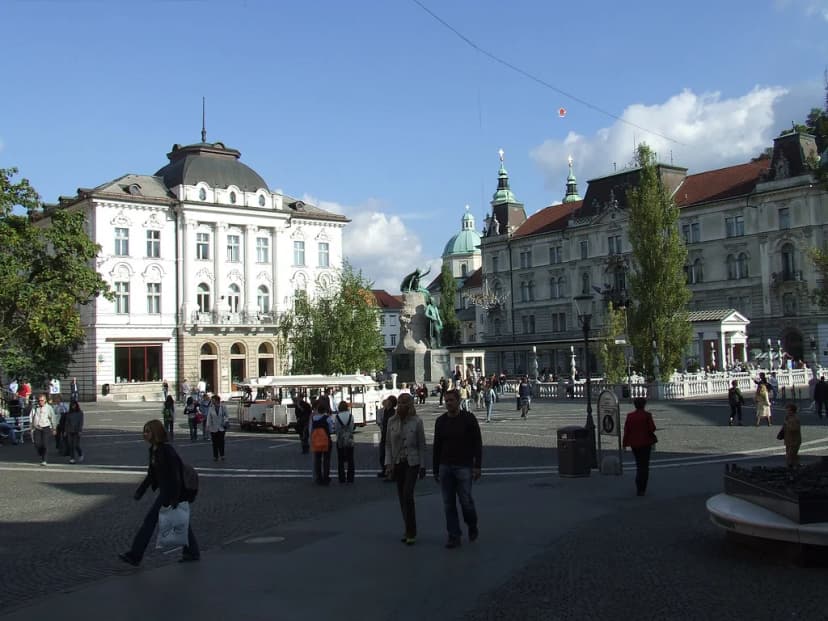
Local authorities are responsive and generally speak excellent English to assist visitors with any minor concerns. Police officers patrol the city center on foot and by bicycle throughout the day, particularly around major tourist hubs like the Central Market, Zmajski Most (Dragon Bridge), and the Old Town riverside strip. Their visible presence helps maintain the relaxed atmosphere that defines the Slovenian capital. The Mestni trg (Town Square) and Stari trg areas are particularly well-monitored during peak tourist season between May and September.
Emergency services are highly efficient and can be reached by dialing 112 from any local or international phone — this single number connects you to police, fire, and ambulance services. The non-emergency police line is 113 if you need to report minor incidents like a stolen wallet without urgent assistance. Most locals are genuinely happy to help if you look lost, and English proficiency among younger residents is high throughout the city center. The overall risk profile for tourists is low: the biggest threats are pickpockets in crowded areas and occasional scams targeting visitors near the riverbanks, not violent or predatory crime. Slovenia's accession to the EU and Schengen zone in 2004 brought significant investment in law enforcement standards, and the results are measurable in crime statistics that have held steady for over a decade.
Non-EU visitors should carry valid travel insurance that covers medical costs, as EHIC cards do not apply outside the EU. A standard European travel insurance policy covering medical evacuation typically costs between €15–40 for a one-week trip and is strongly recommended. EU visitors should carry their EHIC or European Health Insurance Card for access to Slovenia's public healthcare system at reduced cost. Pharmacies (lekarna) are clearly marked with a green cross and staff speak English throughout the city center.
Staying Safe While Enjoying Ljubljana Nightlife
The riverbanks along the Ljubljanica come alive after dark with vibrant bars and social gatherings near the emerald water. The highest concentration of nightlife venues sits along Petkovšek Embankment (Petkovškovo nabrežje) on the east bank and in Metelkova Mesto, the alternative cultural center about ten minutes' walk northeast of the Old Town. Both areas are generally secure, though Metelkova attracts a louder crowd on weekends and it pays to keep an eye on your belongings there.
Reviewing our detailed Ljubljana nightlife guide can help you identify the most reputable venues and understand which neighborhoods suit your preferences. Most mainstream bars in the pedestrian center close around 1 AM on weeknights and 2–3 AM on weekends, meaning streets stay active without ever feeling chaotic. Lighting in the city center is excellent, which helps maintain a clear sense of security even during the darker winter months when evenings begin early.
A few practical rules for a safe night out: never leave your drink unattended at a crowded bar, particularly in busier venues near the Triple Bridge where tourist footfall is highest. Avoid accepting drinks from strangers you have just met, which is standard advice across all European nightlife cities. When heading back to your hotel late at night, stick to the well-lit main streets along the river rather than cutting through quieter residential lanes in Krakovo or Trnovo. Those neighborhoods are perfectly safe, but good lighting always helps you feel confident.
Ride-hailing is the smartest way to end a night out safely. The Bolt app provides fully tracked rides across Ljubljana, with city-centre trips typically costing €5–10 depending on distance and time of night. Having the app pre-installed before your trip means you never need to negotiate with an unlicensed street driver outside a bar. Most central bars and restaurants also have security staff on busy weekends — if you ever feel unsafe, ask them to call a taxi or help you reach the Bolt pickup point. Ljubljana's nightlife reputation is overwhelmingly positive among international visitors, with the relaxed, sociable riverside culture reflecting the city's broader emphasis on pedestrian comfort and community safety.
Navigating the Old Town and Pedestrian Zones
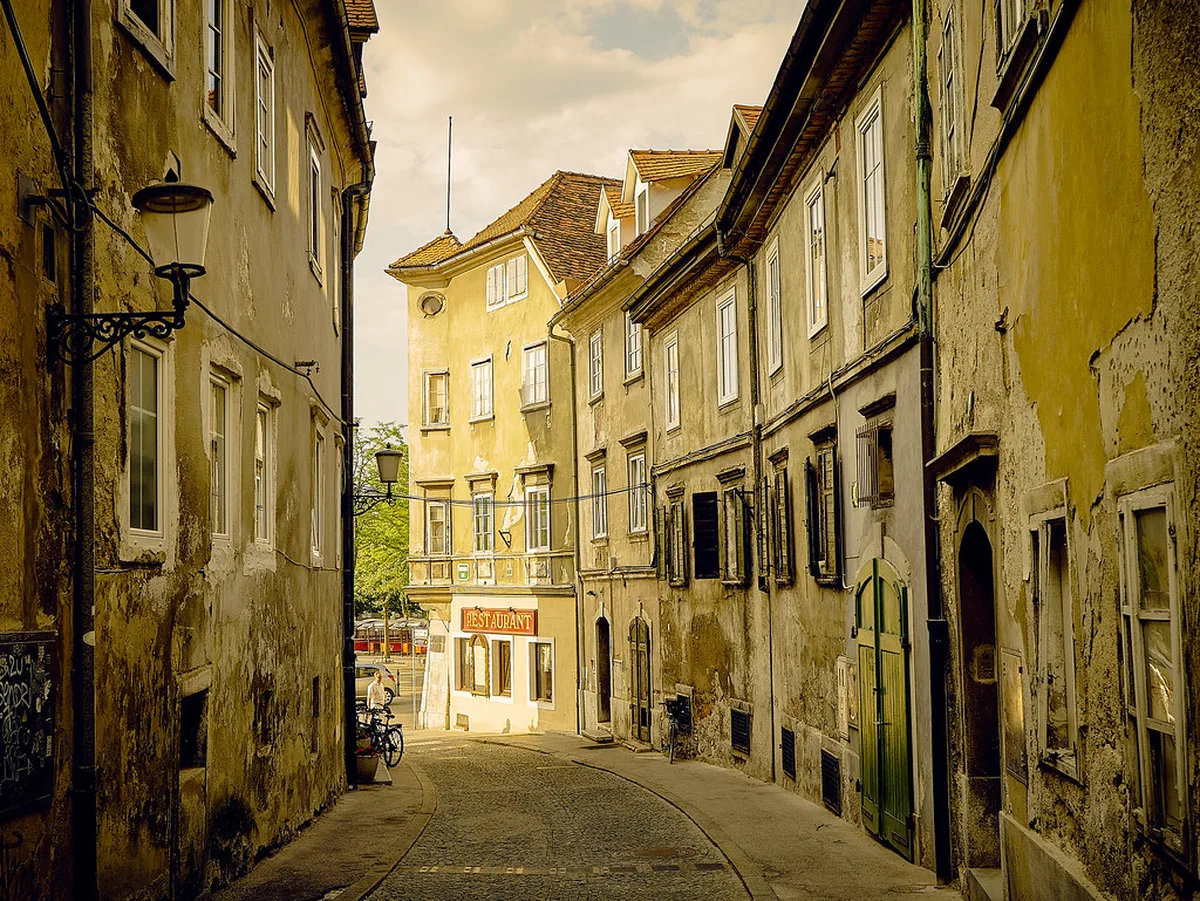
The historic center of Ljubljana is entirely car-free, which significantly reduces the risk of traffic-related accidents for pedestrians. Wandering through the cobblestone streets of Stari trg and Mestni trg feels like moving through a well-maintained outdoor living room. The city invested heavily in pedestrianization since 2007, and today the area from the Central Market down to Novi trg is fully closed to motor vehicles. Our Ljubljana Old Town guide maps the safest and most rewarding walking routes through these charming streets.
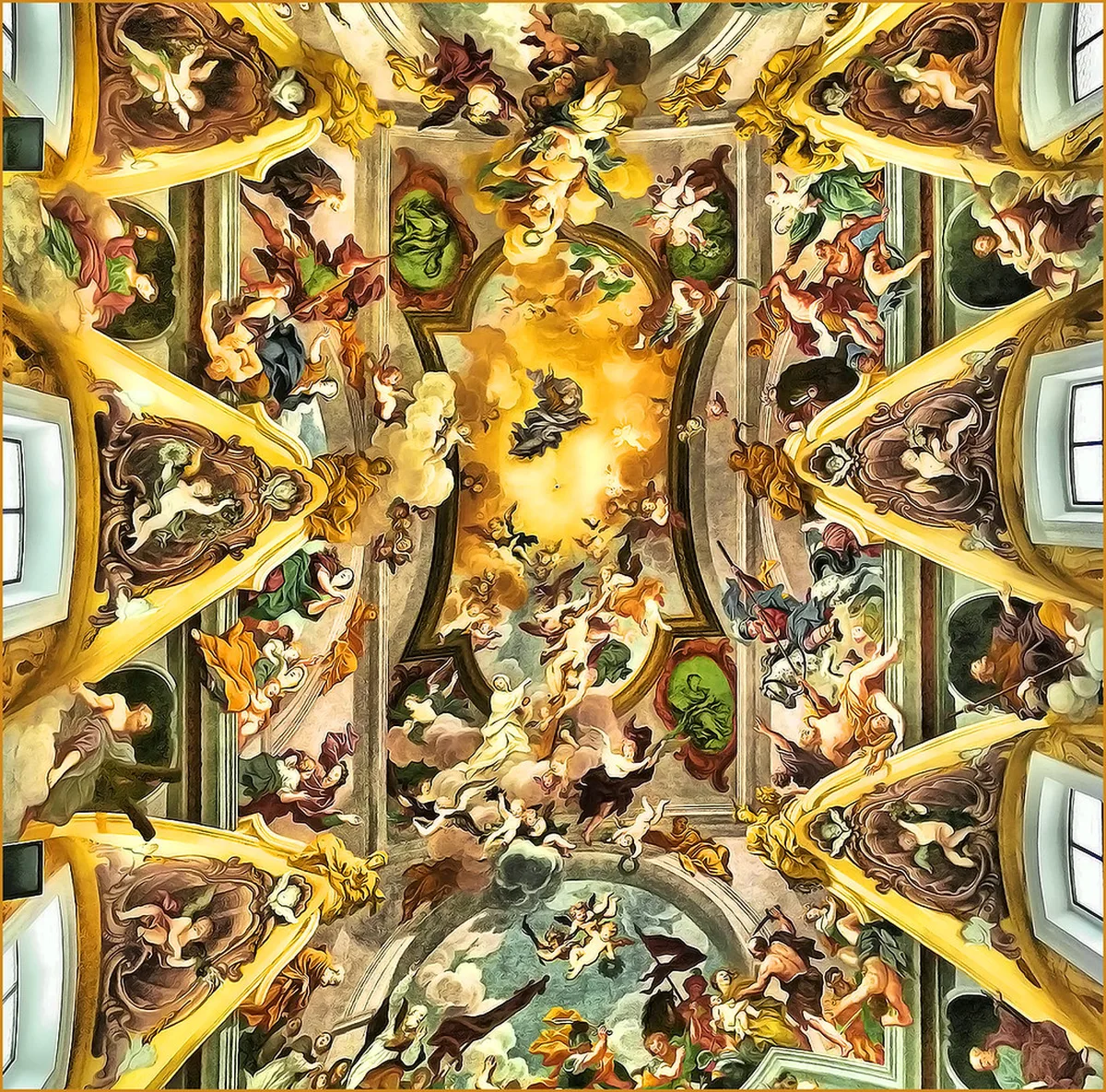
Always wear comfortable, grippy footwear to avoid tripping on the uneven cobblestones while taking photos of the Baroque and Secessionist architecture. The Ljubljana funicular and cable car provides a convenient and safe ascent to Ljubljana Castle — ideal in winter when the castle hill trails can become icy and slippery. The funicular operates every ten minutes from Krekov trg in the Old Town and costs €4 return (free with the Ljubljana Card). It is by far the safest way to reach the castle ramparts for panoramic views over the city, especially for visitors with mobility considerations or those traveling with young children.
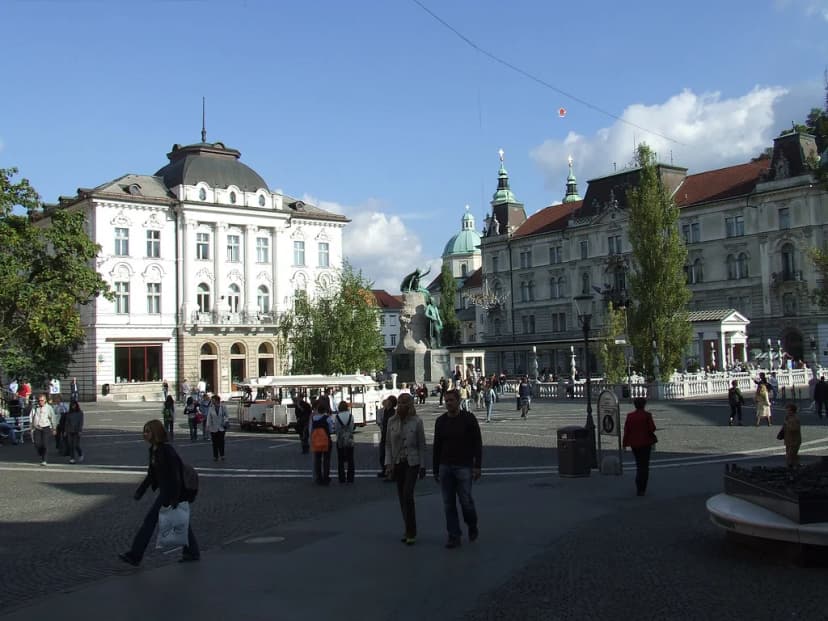
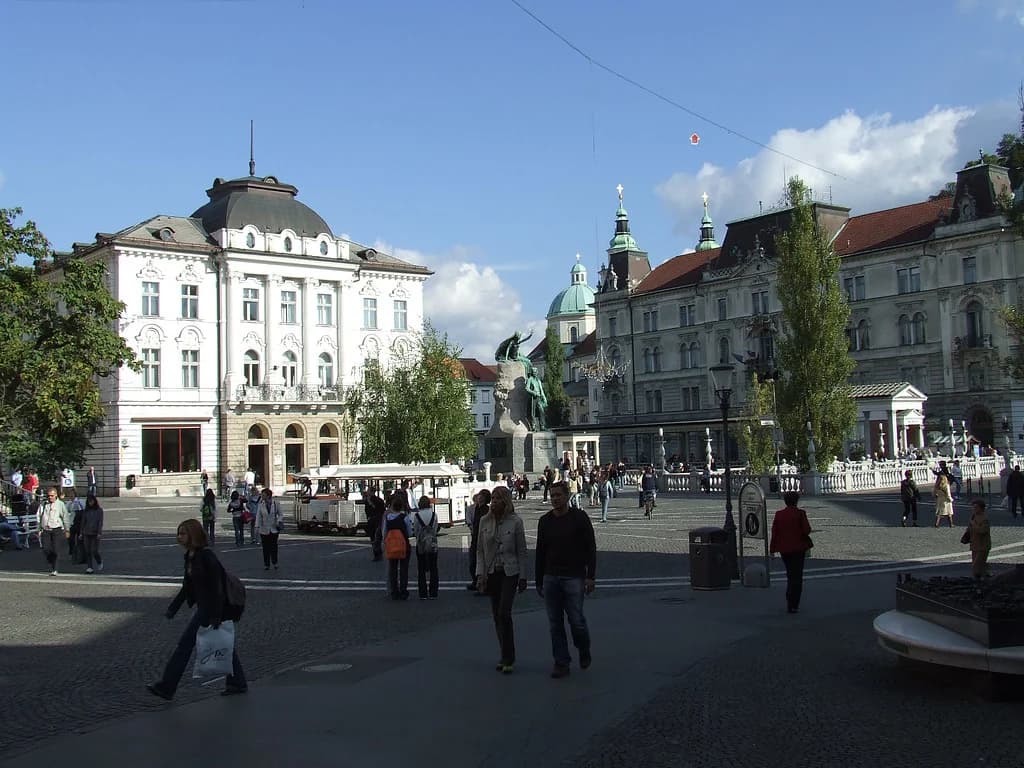
Public spaces throughout the Old Town are clean and monitored by both police patrols and private security staff attached to the larger restaurants and event venues. The Central Market on Saturday mornings draws large crowds, and this is one of the few locations where pickpockets have occasionally been reported. Keep your bag zipped and positioned in front of you while browsing the market stalls. Prešeren Square, just north of the Triple Bridge, is another concentration point for tourist activity and merits the same basic vigilance, especially when street performers draw large audiences.
The Ljubljana walking tour is an excellent way to familiarise yourself with the Old Town's layout early in your visit — knowing the key streets and landmarks reduces the chance of becoming lost in quieter back lanes at night. Municipal Wi-Fi is available throughout the pedestrianised core, which means you can always access maps and the Bolt app without burning mobile data. The Kavalir electric shuttle service offers free transport within the pedestrian zone for visitors with heavy luggage or mobility needs, operating daily from 7 AM to 11 PM.
Despite these minor hotspots, the overall experience of the Old Town is overwhelmingly positive and safe. Ljubljana Castle itself (entry €16 for adults, €8 for children) is patrolled and well-lit for evening events during summer, and the descent via the funicular after a sunset visit is entirely safe. The castle grounds close at 10 PM in summer and 8 PM in winter, so plan accordingly to avoid descending the forest path in darkness.
Transport Safety and Parking Tips for Drivers
Public transport in Ljubljana is reliable and safe at all hours of the day. The Urbana smart card system runs across all city buses and is topped up easily at kiosks, post offices, and many convenience stores around the city. A single Urbana journey costs €1.30, substantially cheaper than most Western European capitals. Bus drivers are helpful and can provide basic stop information in English if needed. The Kavalir electric vehicle service provides free transport within the pedestrian zone for those with mobility difficulties — a thoughtful addition that reflects the city's inclusive safety approach.
Drivers should park in designated multi-storey garages rather than leaving vehicles in poorly lit residential side streets. The main central garages — Kozolec at BTC City, Rotovž near Town Hall, and the underground garage beneath Kongresni trg — are well-lit, staffed, and CCTV-monitored. Hourly parking in the most central zone A costs approximately €2.00/hour; the Rotovž garage beneath Town Hall costs around €1.40/hour. Our guide to parking in Ljubljana covers all zones, costs, and the most convenient options for day visitors arriving by car.
If you plan to drive beyond Ljubljana into the rest of Slovenia, ensure your rental car displays the mandatory highway vignette sticker (vinjeta), which is compulsory on all motorways. A one-week vignette costs €16 and is available at border crossings, petrol stations, and post offices throughout the country. Day trips to Lake Bled (57 km) or Postojna Cave (52 km) are straightforward by car, and our day trips from Ljubljana guide outlines all road safety considerations for these popular routes.
Cyclists within the city should use the clearly marked Kolesarska pot (cycle paths) to avoid conflicts with pedestrians on the shared riverside walkways. Locking your bike with a sturdy U-lock through both the frame and wheel at designated bike racks is essential — bicycle theft is the single most common property crime in the city. BicikeLJ, the city's public bike-sharing scheme, costs €1/day for the first 30-minute ride free, with subsequent 30-minute segments at €1 each — a safe and cost-effective way to explore without risking your own equipment. Rental scooter users should stick to bike lanes and wear the provided helmets, as traffic police do enforce this rule near the city center.
Common Scams and Tourist Mistakes to Avoid
Ljubljana is not a high-scam city, but a handful of situations catch tourists off-guard each year. Street performers near Prešeren Square and at the city's summer festivals sometimes aggressively solicit donations immediately after you pause to watch — politely declining and walking away is always acceptable. Unofficial taxis operating around the Central Bus Station and at the airport arrivals area may lack a working meter or a visible company logo; always verify the fare upfront or use a ride-hailing app to eliminate this uncertainty entirely.
The Bolt app (similar to Uber and available throughout Slovenia) is the safest and most transparent taxi option in Ljubljana for 2026. City-centre trips typically cost €5–10, calculated automatically in-app. Airport transfers from Ljubljana Jože Pučnik Airport run approximately €20–28 by Bolt, compared to €40–60 charged by some unofficial kerbside drivers at arrivals. Street hails can cost significantly more, particularly during late-night weekend hours when informal drivers cluster outside popular nightlife venues. Using local ATMs attached to reputable banks — Abanka, NLB, and SKB branches are common in the center — is the safest way to withdraw Euros. Expect a foreign transaction fee of approximately €2–3 per withdrawal at non-partner ATMs; using your bank's partner network abroad eliminates this entirely.
Avoid currency exchange offices near the tourist market that advertise "no commission" but apply poor exchange rates to recoup the margin. The official NLB exchange desk inside the main branch on Trg republike offers competitive rates with no hidden fees. Winter visitors should be aware of ice on the Tromostovje (Triple Bridge) and stone riverside pavements, especially after overnight rain that freezes before dawn. The city salts major paths, but narrow lanes in the Old Town and the castle hill steps can remain slick during a heavy cold spell. Wearing boots with a rubber grip sole (cost: approximately €40–80 for a decent pair) is the single most practical safety upgrade for a December–February visit. Staying hydrated using Ljubljana's free public drinking fountains throughout the Old Town is both safe and cost-effective — the water quality is among the best in Europe and is tested daily.
- Always use official taxi companies or the Bolt app for city trips
- Type: Official transport
- Best for: Passenger safety and transparent pricing
- Where: Throughout the city
- Cost: €5–10 for city centre trips; €20–28 to/from airport
- Keep your bicycle locked securely with a U-lock at designated racks
- Type: Anti-theft measure
- Best for: Asset protection
- Where: Designated bike racks near Old Town, BTC City, train station
- Cost: Free; BicikeLJ day pass €1
- Carry a reusable bottle for public fountains — tap water is perfectly safe
- Type: Health and hydration
- Best for: Staying hydrated
- Where: Historic city center
- Cost: Zero cost
Is Ljubljana Safe for Solo Female Travelers? 2026 Honest Assessment
Ljubljana consistently ranks among the safest European capitals for solo female travelers in 2026, and the data backs this up. Slovenia places in the top 10 of the Global Peace Index and the low-harassment culture is frequently cited by women visiting from Western and Northern Europe as a genuine standout. Walking alone through the Old Town, along the riverbank, and up to the castle is comfortable and entirely normal at all hours.
The car-free city center is one of Ljubljana's most significant safety assets for solo female visitors. Without motor traffic, the pedestrianized Old Town eliminates the risk of road accidents and creates a calmer, more visible street environment where incidents are quickly noticed by bystanders and nearby police patrols. The absence of cars also means no vehicle-based harassment, which solo female travelers in many other European capitals cite as a persistent discomfort. The area spanning Stari trg, Mestni trg, and the riverside pedestrian strip stays well-lit well past midnight during summer, with outdoor dining and bars keeping the streets populated into the early hours.
Slovenian culture is reserved and respectful by nature — locals tend to give each other and tourists ample personal space, and street harassment is genuinely rare. Female travelers from higher-harassment European destinations consistently remark on how different the cultural atmosphere feels in Ljubljana. The progressive Slovenian social environment — the country legalized same-sex marriage in 2022 and has strong gender equality protections — creates a culture of mutual respect that solo female visitors directly benefit from.
For accommodation, the Old Town Hostel Celica is a standout safe choice for solo female budget travelers — a former Yugoslav military prison converted into an award-winning art hostel, with private-style cell rooms from €24/night, a lively common area, and a central location within walking distance of all major sights. For late-night travel, use the Bolt app rather than hailing a street taxi. Bolt provides full trip tracking, driver details, and in-app emergency sharing so a contact at home can follow your ride in real time. City centre trips via Bolt cost approximately €5–10.
Metelkova, Ljubljana's alternative cultural centre about 10 minutes' walk northeast of the Old Town, is safe but has an edgy, underground atmosphere that can feel intense for first-time visitors. It operates late into the night with live music, graffiti-covered buildings, and a LGBTQ+-friendly scene. It is one of the most welcoming alternative spaces in Central Europe and female visitors report feeling respected there, but it is worth going with a hostel group or fellow traveler for your first visit rather than arriving alone at midnight.
Emergency numbers are easy to remember: 112 for all emergencies (police, ambulance, fire) with English-speaking operators available 24/7, and 113 for non-urgent police matters. If you are out near Prešeren Square or the Triple Bridge area late at night, keep your bag zipped and your phone in a front pocket — these are the spots where the small amount of pickpocketing that does occur tends to cluster, not because of any personal safety threat but simply due to tourist density. Ljubljana is a city where solo female travel is not merely tolerated but genuinely easy and enjoyable in 2026.
Solo Travel and Health Safety in Ljubljana
Solo travelers often ask whether Ljubljana is safe before booking their first trip to the region. Female visitors can walk through most neighborhoods at night without facing harassment or feeling unsafe in public. Joining a Ljubljana walking tour is a fantastic way to meet fellow travelers safely and learn the city's layout from a knowledgeable local guide. Free walking tours depart from Prešeren Square daily at 11 AM and 2 PM (tip-based, typically €5–15 suggested); private guided tours start from around €60–80 for a 2-hour experience.
Trusting your instincts remains important even in safe cities, so stay aware of your surroundings at all times. If you feel uncomfortable in a specific situation, do not hesitate to step into a nearby shop, café, or hotel lobby. Most staff members across the city center are accustomed to assisting tourists and will help you find a safe way back to your accommodation without question. Ljubljana's tourism infrastructure is well-developed precisely because the city receives significant visitor numbers relative to its small population of around 300,000 people.
Ljubljana boasts high-quality medical facilities that are easily accessible to tourists in case of an emergency. The main public hospital, UKC Ljubljana (Univerzitetni klinični center), is located on Zaloška cesta about 2 km east of the Old Town and provides 24-hour emergency care. Pharmacies (lekarna) are well-stocked and clearly marked with a green cross sign; staff usually speak English and can advise on over-the-counter medications, which are typically priced comparably to Western Europe — a standard antihistamine costs approximately €4–7. Travel insurance covering medical evacuation is strongly recommended for any European trip; for non-EU visitors, a comprehensive policy for a one-week stay typically costs €15–40 depending on coverage level and home country.
Sun protection is necessary during the summer months when the heat intensifies in the afternoon, particularly in the open Kongresni trg (Congress Square) and along the exposed riverside. A high-quality SPF 50 sunscreen costs approximately €8–12 at central pharmacies or supermarkets. Tivoli Park, Ljubljana's largest green space just west of the center, provides excellent shade and is popular with locals and tourists alike for a relaxed midday break. The park is safe, well-maintained, and free to enter at all hours — ideal for a solo afternoon reading break between city sightseeing. Emergency medical treatment for EU visitors with an EHIC card is provided at no cost at UKC Ljubljana; non-EU visitors pay upfront and claim reimbursement through their travel insurance.
Is Ljubljana safe for tourists? Yes — Slovenia ranks top 10 in the Global Peace Index, and Ljubljana records some of Europe's lowest violent crime rates. Normal precautions apply: guard your phone at Prešeren Square and use Bolt over street taxis.
Emergency contact in Ljubljana: Dial 112 for police, fire, or ambulance. English-speaking operators are available 24/7. For non-urgent police assistance, call 113.
Frequently Asked Questions
Is Ljubljana safe for solo female travelers?
Yes, Ljubljana is one of Europe's safest cities for solo female travelers in 2026. The low-harassment culture, well-lit car-free pedestrian center, and abundant late-night foot traffic in the Old Town make independent travel very comfortable. Use the Bolt app for late-night rides (€5–10 for city trips) and keep emergency number 112 saved. Old Town Hostel Celica (from €24/night) is an excellent safe base. The progressive Slovenian culture means street harassment is exceptionally rare by any European capital standard.
Is Ljubljana safe at night?
Ljubljana is very safe at night. The Old Town riverside strip, Prešeren Square, and Petkovšek Embankment stay lively until the early hours, and the excellent street lighting throughout the pedestrian zone keeps the area well-illuminated. The main precaution is pickpocketing near busy spots like the Triple Bridge — keep your bag zipped. Violent crime against tourists at night is extremely rare, and the Numbeo Safety Index of approximately 80.4 confirms this consistently.
Is Ljubljana Old Town safe at night?
Yes, Ljubljana Old Town is very safe at night. The entirely car-free zone means no traffic hazards, and the streets are well-lit throughout the year. Summer nights see outdoor bars and restaurants along the river keeping the Old Town populated until midnight or later, which further deters any opportunistic crime. The main practical risk is pickpocketing in crowded spots near the Triple Bridge and Central Market — keep your bag in front of you and your phone in a secure pocket. Police patrol the area on foot and bicycle regularly.
What are the safest neighborhoods in Ljubljana for tourists?
The Old Town (Stari trg and Mestni trg) is the safest and most tourist-friendly area, with constant foot traffic, police presence, and excellent lighting. The riverside strip along Petkovšek Embankment is equally safe and very lively at night. Krakovo and Trnovo, the quiet residential neighborhoods south of the Old Town, are peaceful and low-crime. Center Bežigrad north of the railway station is calm and safe for accommodation. No neighborhood in Ljubljana requires genuine avoidance — even the eastern suburbs of Fužine and Polje, sometimes perceived as rougher, have crime rates well below the Western European average.
Can you drink the tap water in Ljubljana?
Ljubljana offers some of the highest quality tap water in Europe, which is perfectly safe for everyone to drink. You can fill a reusable bottle at any of the numerous public fountains found throughout the city. This is cost-effective and environmentally friendly — bottled water (typically €1.50–2.50 per 500 ml in tourist areas) is completely unnecessary here.
What should I do in an emergency in Ljubljana?
In any emergency — medical, fire, or police — dial 112. Operators speak English and will connect you to the correct service. For non-urgent police matters such as a stolen wallet, call 113. The main public hospital (UKC Ljubljana) is on Zaloška cesta and provides 24-hour emergency care. EU visitors with an EHIC card receive treatment at no cost; non-EU visitors should carry travel insurance (typically €15–40 for a one-week policy). Having your accommodation address saved on your phone helps responders locate you quickly.
Ljubljana remains a top choice for travelers seeking a secure and welcoming destination in Central Europe. With a Numbeo Safety Index of approximately 80.4 and a consistent top-10 Global Peace Index ranking for Slovenia, the data confirms what visitors experience on the ground: a city where you can focus on enjoying the castle views, riverside cafés, and charming Old Town rather than worrying about personal safety. By following basic common sense — staying aware in crowded squares, using the Bolt app (€5–10) for late-night rides, and dialing 112 in any emergency — you can enjoy the city's charms without significant concerns.
Your visit will likely be defined by the city's warmth and the ease of navigating its safe, car-free streets. Whether you are a solo female traveler, a family with young children, or a couple on a weekend break, Ljubljana's exceptionally low crime rate and helpful locals make it one of Europe's most reassuring capitals to explore. Explore the castle, take a walking tour through the Old Town, ride the funicular for panoramic views, and plan day trips to Lake Bled and beyond — Slovenia's capital is truly a gem that prioritizes the well-being of every person who walks its paths.